
Ingredients A-Z
At VitaHealth, we uphold the highest standards by using only premium ingredients, carefully selected and backed by advanced scientific research. Our formulations blend natural extracts, essential nutrients, and innovative compounds sourced from trusted suppliers to ensure unmatched safety, purity, and efficacy. From sustainably sourced botanicals to clinically validated vitamins and minerals, each ingredient is thoughtfully chosen to support optimal health and well-being. With rigorous testing and certification processes, we guarantee products that deliver consistent, reliable results, meeting the needs of today’s modern lifestyles.
Take a closer look at our ingredient list to see the quality that goes into every product!
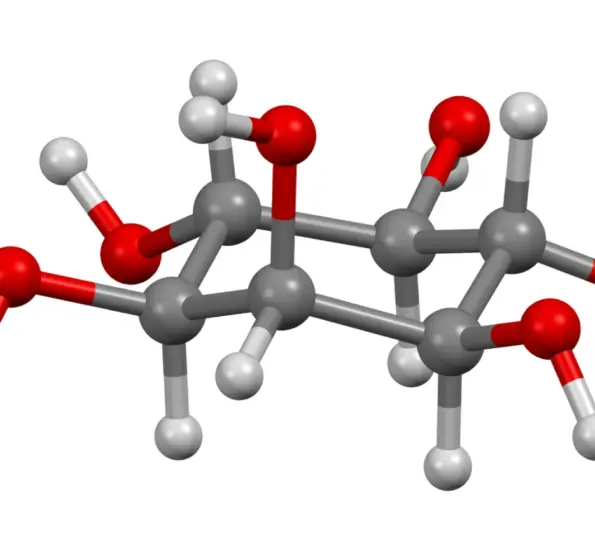
Inositol
Inositol is a form of sugar found in our body. It is a key component in numerous cellular processes, particularly in signal transduction, lipid metabolism, and insulin signalling pathways. It exists in multiple isomeric forms, with myo-inositol and D-chiro-inositol being the most physiologically relevant. These compounds serve as secondary messengers in various hormonal signalling pathways, including insulin and gonadotropins. Inositol plays a significant role in maintaining cellular function and has gained increasing attention for its therapeutic applications in recent years. It is especially well-studied in the context of polycystic ovary syndrome (PCOS), where supplementation has been shown to improve ovulatory function, insulin sensitivity, and hormonal balance. Furthermore, inositol has shown promise in mental health management, particularly in reducing symptoms of anxiety and depression, and is being explored for its potential benefits in treating metabolic syndrome, gestational diabetes, and certain neurological conditions. Given its favourable safety profile and broad range of biological functions, inositol is emerging as a valuable supplement in both clinical and preventive health strategies¹,²,³,⁴.
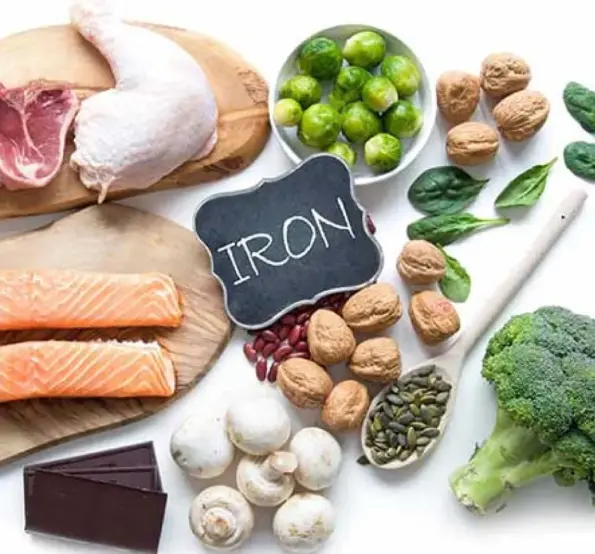
Iron
Most of the elemental iron in adults is present in haemoglobin². The remaining iron is stored in the form of ferritin (the main protein in blood that binds to iron) or hemosiderin (a degradation product of ferritin) in the liver, spleen, and bone marrow or is located in myoglobin in muscle tissues¹,⁴. People who are prone to iron deficiency include pregnant women, infants and young children, women with heavy menstrual bleeding, frequent blood donours, cancer patients, those with certain health condition like gastrointestinal disorders or surgery and heart condition.
Iron can be obtained through diet or supplementation. Dietary iron are present in two forms, namely heme and non-heme. Animal such as meat, seafood and poultry are rich in both heme and non-heme iron whereas plants, beans and iron-fortified foods contain non-heme iron only.
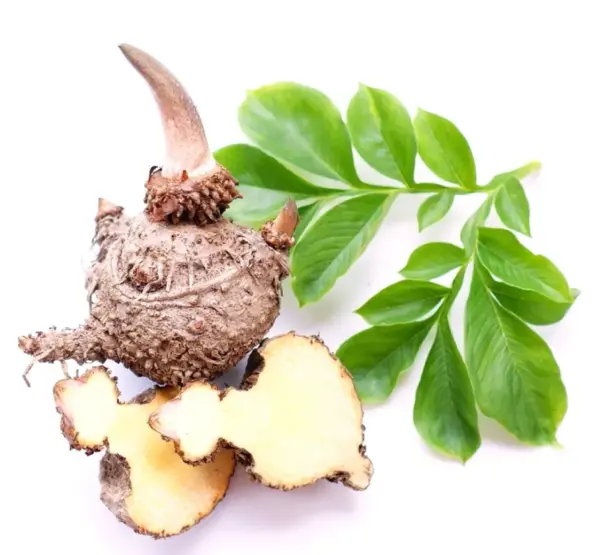
Konjac
Konjac has been used as traditional Japanese and Chinese medicine and as food in the form of noodles or snacks. Products of konjac are considered as one of the top 10 health foods by World Health Organisation⁹⁻¹³. It has been largely consumed for its health benefits on lowering plasma cholesterol, improving carbohydrate metabolism and bowel movements, it is also used as food additive and dietary supplement.
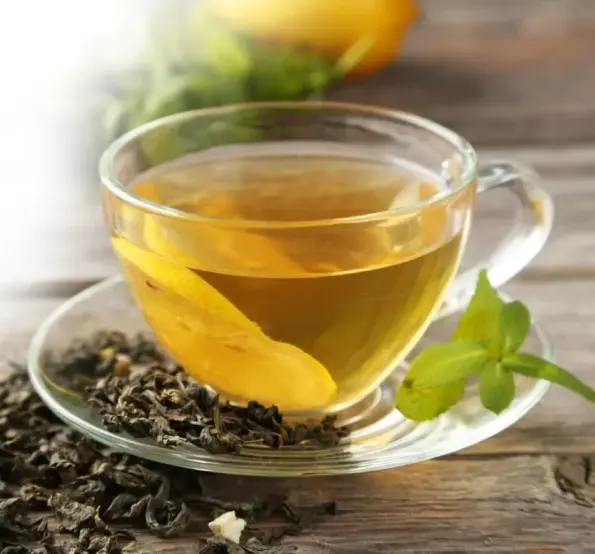
L-Theanine
As L-theanine is known for its properties to readily cross the blood-brain barrier which may exert its effects directly on brain within 30 minutes⁸, it has been traditionally used as a relaxation-promoting agent². Given that L-theanine is a phytochemical consumed in daily life, it has the potential to become a nutraceutical ingredient that helps in
improving mental stress, cognitive function, and anxiety in modern society.
Licorice Root Extract
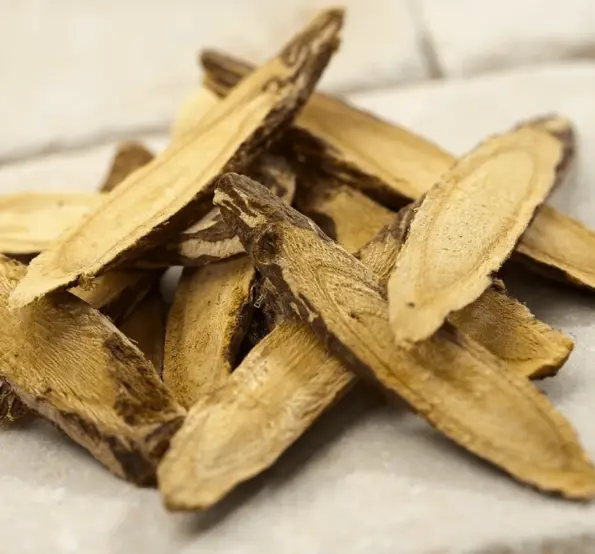
Licorice root extract or scientifically known as Glycyrrhiza glabra has a long history of use for treating digestive discomforts1. Licorice is a native herb to the Mediterranean, southern and central Russia, and Asia. Even with its health benefits, Licorice contains glycyrrhizin, or glycyrrhizic acid, which can cause adverse side effects when eaten in large amounts. A classical deglycyrrhizinated licorice (DGL) does not contain any significant quantity of these flavonoids. As a result, many innovations have come to play to remove glycyrrhizin without affecting the bioactive flavonoids.
Magnesium
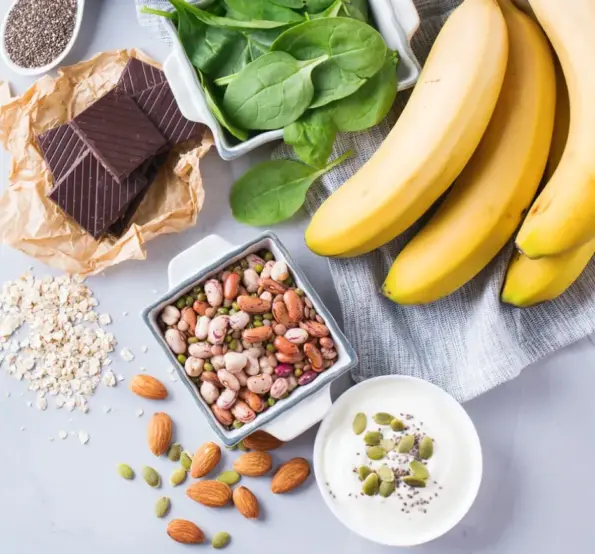
In a normal adult, total body magnesium content is approximately 25g, with 50% to 60% present in bones and most of the soft tissues5.
Other than those presents in dietary sources, multiple forms of magnesium supplements with different magnesium contents are available in the market, including magnesium oxide, glycinate, citrate, chloride, aspartate, malate, sulfate, taurate and lactate.
Marigold Flower
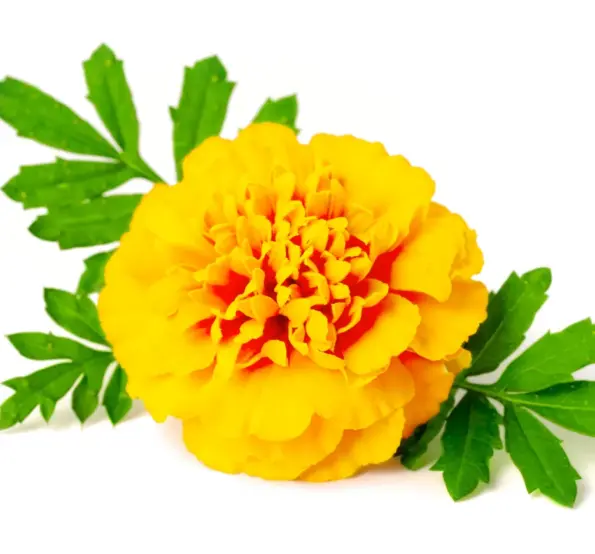
Marigold flower extract can be derived from two different sources: Calendula officinalis (commonly known as pot marigold) and Tagetes species (such as Tagetes erecta, or African marigold). Calendula officinalis is more widely recognised for its wound-healing, anti-inflammatory, and soothing properties, making it ideal for treating skin conditions and promoting healthy skin regeneration. Meanwhile, Tagetes species is rich in carotenoids, particularly lutein and zeaxanthin, which are powerful antioxidants beneficial for skin and eye health. Marigold extract is also known for its anti-inflammatory, antimicrobial, and antioxidant properties, making it popular in skincare products aimed at treating acne, eczema, and other skin irritations. Marigold extract is now an essential ingredient in supporting the eye health, particularly in preventing age-related macular degeneration (AMD) and cataracts¹. Marigold extract also supports overall eye comfort by reducing inflammation and irritation, making it a valuable natural remedy for conditions like dry eyes or eye strain².
Methionine
Beyond its role in cysteine synthesis, methionine is converted into S-adenosylmethionine (SAMe), a vital compound involved in methylation reactions that affect DNA, proteins, and lipids. SAMe plays a crucial role in regulating gene expression, DNA repair, and protein function, and is also essential to produce creatine, a molecule important for cellular energy metabolism, particularly in muscle tissue. Overall, methionine is indispensable not only for protein synthesis but also for numerous metabolic processes through its conversion into these critical molecules, highlighting its broad impact on cellular health, detoxification, and energy production.
Milk Thistle
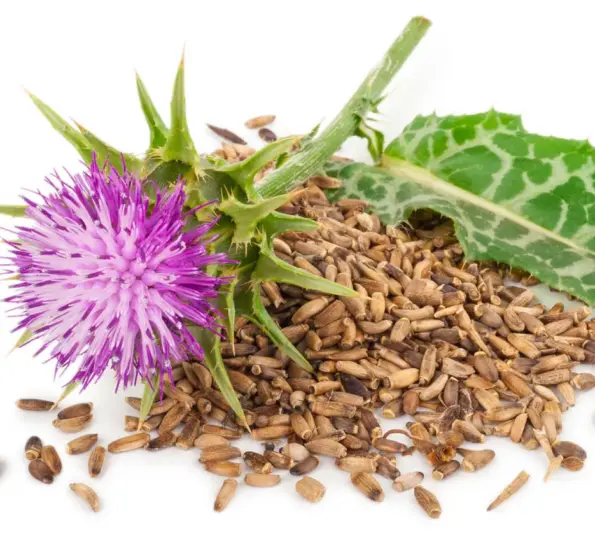
Milk thistle is available in various forms, including capsules, tablets, liquid extracts, and teas. The seeds and sometimes leaves are used in these preparations. However, since the beneficial compounds in milk thistle are poorly absorbed and not water-soluble, teas may not be the most effective way to consume it.