At VitaHealth, we uphold the highest standards by using only premium ingredients, carefully selected and backed by advanced scientific research. Our formulations blend natural extracts, essential nutrients, and innovative compounds sourced from trusted suppliers to ensure unmatched safety, purity, and efficacy. From sustainably sourced botanicals to clinically validated vitamins and minerals, each ingredient is thoughtfully chosen to support optimal health and well-being. With rigorous testing and certification processes, we guarantee products that deliver consistent, reliable results, meeting the needs of today’s modern lifestyles.
Take a closer look at our ingredient list to see the quality that goes into every product!
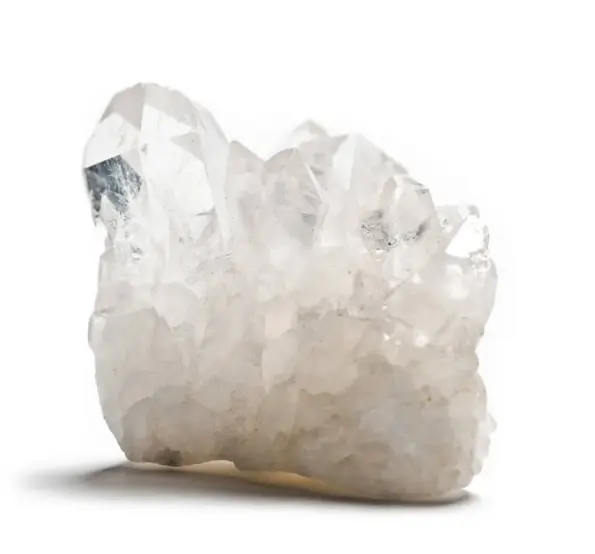
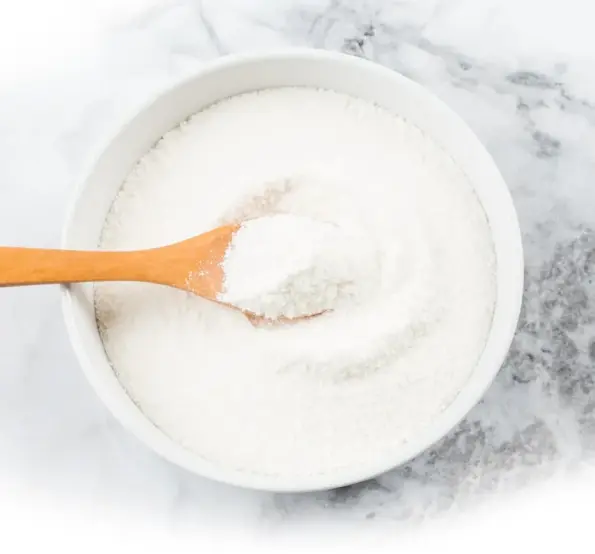
Silicon is the second most common element in the Earth’s crust behind oxygen.¹ This mineral is naturally present in foods as silicon dioxide and silicates, while most silicon in water is present as free orthosilicic acid.¹ The health benefits of silicon have been widely reported. It was proven to provide beneficial properties to the structural integrity of nail, hair, and skin, and involve in bone mineralization.²
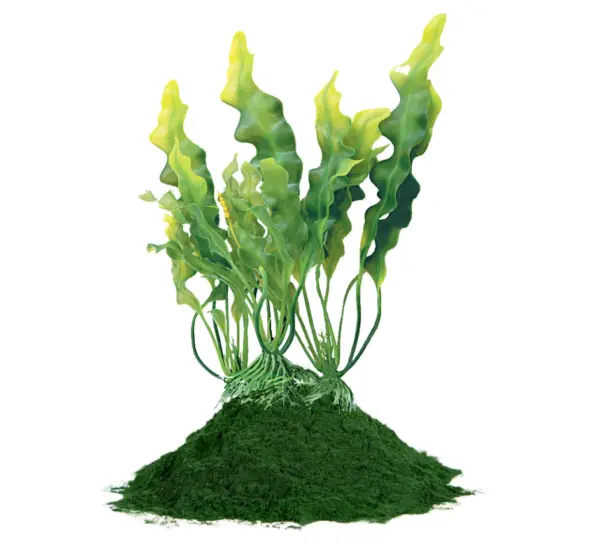
S. platensis is reported to be effective for improving blood lipid profiles, enhancing immune capacity, and reducing oxidative stress. Apart from that, spirulina has been used as food in Mexico by the Aztecs and other Mesoamericans for many years due to its high protein content, high digestibility, and its balanced essential amino acids.
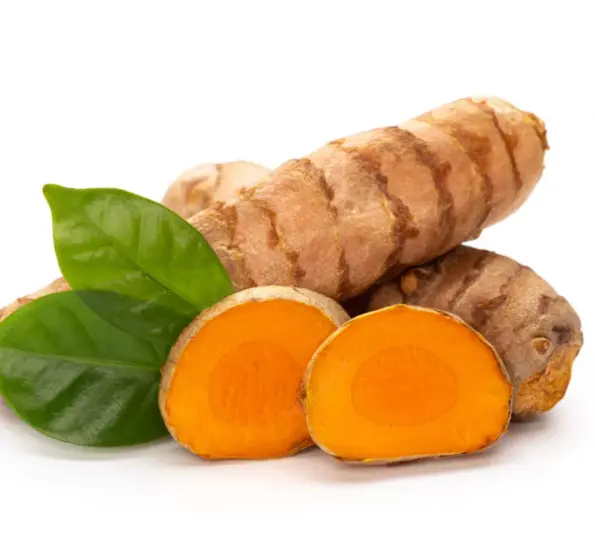
Turmeric contains mainly curcumin (and curcuminoid analogs like demethoxycurcumin, bis-demethoxycurcumin) and turmeric essential oils. Curcumin, the principal curcuminoids which makes up about 2% to 5% of turmeric root is responsible for the yellow colour of this spice and most of the turmeric’s therapeutic effects. Despite turmeric is commonly incorporated in Asian cuisine, curcumin content in fresh turmeric is low and has poor bioavailability due to its poor absorption, rapid metabolism and systemic elimination in the body.
Type-II collagen is the main structural protein presents in cartilage and other types of connective tissues. Nearly half of all the protein in the body’s joint cartilage is type-II collagen. Most of this type of collagen is derived from chicken sternal cartilage. It can be categorised into denatured (hydrolysed, broken down into smaller peptides) and undenatured (non-hydrolysed, collagen in its biological active form) with different properties. Hydrolysed collagen is also known as collagen hydrolysate.
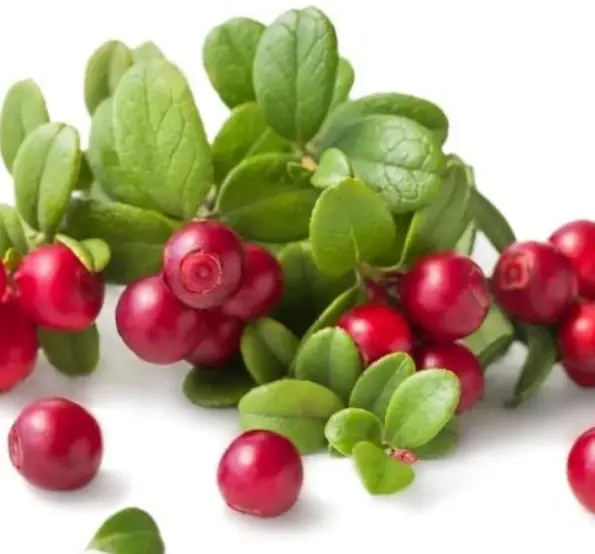
Uva ursi is a small, evergreen shrub with orange berries.¹ The common name of uva ursi in Canada and United states is Kinnikinnick.² Uva ursi is one of the species referred to as bearberry.² Due to its anti-septic and diuretic properties, the leaves are traditionally used to treat urinary tract infection.² Uva ursi has now been approved as a treatment for urinary tract infection by Germany authority. In United Kingdom, uva ursi is an over-the-counter (OTC) drug.²
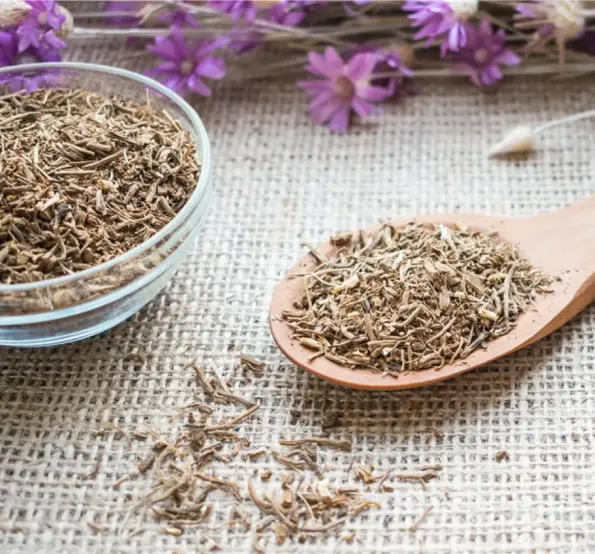
Valerian root has traditionally been used as a sedative and has been utilised in traditional medicine as far back as the time of the Greeks and Romans. It is often used to treat sleep disorders, particularly insomnia. Valerian is also believed to treat anxiety, stress, and a variety of other illnesses.
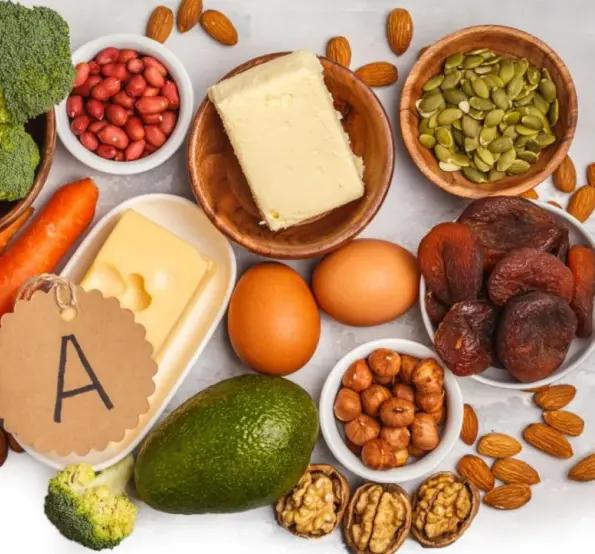
Vitamin A plays an important role in vision and cellular differentiation which is particularly important in vision, growth, immunity, reproduction and maintaining epithelial integrity. Overconsumption of vitamin A can accumulate to toxic levels when highly exceeds the requirements because our body has a good capacity for vitamin A storage. However, deficiency of vitamin A will cause night blindness, growth retardation, skin keratinization and compromised immune function
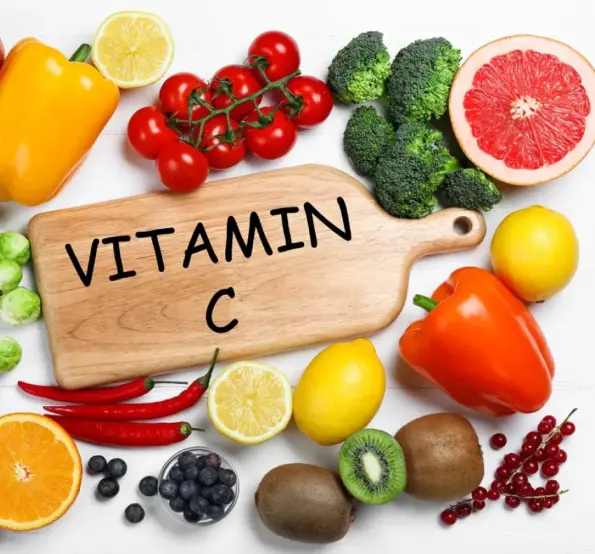
Vitamin C plays an important role in improving the immune system, biosynthesis of collagen, and preventing chronic disease caused by oxidative damage. Severe vitamin C deficiency can cause scurvy with symptoms such as fatigue, muscular weakness, swollen gums, and poor wound healing.