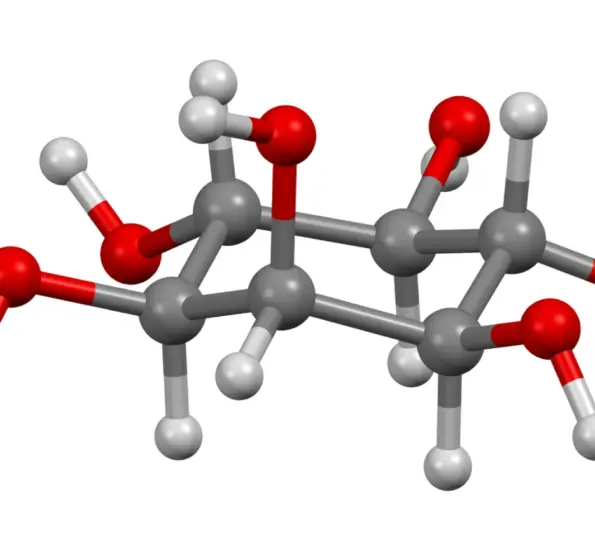
Inositol is a form of sugar found in our body. It is a key component in numerous cellular processes, particularly in signal transduction, lipid metabolism, and insulin signalling pathways. It exists in multiple isomeric forms, with myo-inositol and D-chiro-inositol being the most physiologically relevant. These compounds serve as secondary messengers in various hormonal signalling pathways, including insulin and gonadotropins. Inositol plays a significant role in maintaining cellular function and has gained increasing attention for its therapeutic applications in recent years. It is especially well-studied in the context of polycystic ovary syndrome (PCOS), where supplementation has been shown to improve ovulatory function, insulin sensitivity, and hormonal balance. Furthermore, inositol has shown promise in mental health management, particularly in reducing symptoms of anxiety and depression, and is being explored for its potential benefits in treating metabolic syndrome, gestational diabetes, and certain neurological conditions. Given its favourable safety profile and broad range of biological functions, inositol is emerging as a valuable supplement in both clinical and preventive health strategies¹,²,³,⁴.