Ingredients A-Z

Licorice Root Extract

Overview

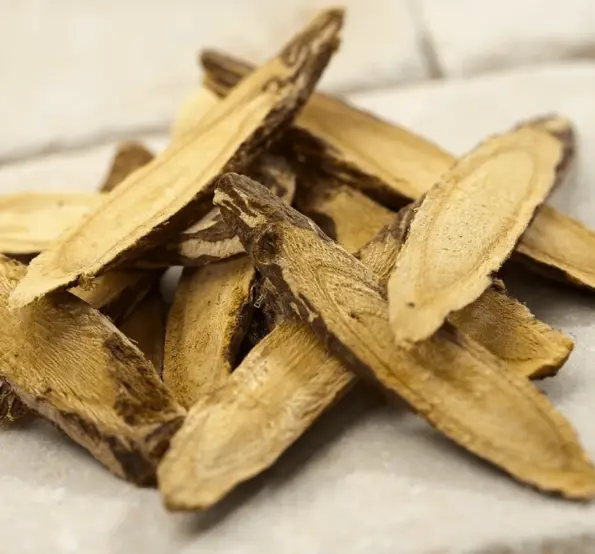
Licorice root extract or scientifically known as Glycyrrhiza glabra has a long history of use for treating digestive discomforts1. Licorice is a native herb to the Mediterranean, southern and central Russia, and Asia. Even with its health benefits, Licorice contains glycyrrhizin, or glycyrrhizic acid, which can cause adverse side effects when eaten in large amounts. A classical deglycyrrhizinated licorice (DGL) does not contain any significant quantity of these flavonoids. As a result, many innovations have come to play to remove glycyrrhizin without affecting the bioactive flavonoids.


Licorice root extract or scientifically known as Glycyrrhiza glabra has a long history of use for treating digestive discomforts1. Licorice is a native herb to the Mediterranean, southern and central Russia, and Asia. Even with its health benefits, Licorice contains glycyrrhizin, or glycyrrhizic acid, which can cause adverse side effects when eaten in large amounts. A classical deglycyrrhizinated licorice (DGL) does not contain any significant quantity of these flavonoids. As a result, many innovations have come to play to remove glycyrrhizin without affecting the bioactive flavonoids.
 

Key indications

Indigestion

Among various gastrointestinal disorders, functional dyspepsia also known as indigestion is one of the most common clinical conditions among the general population. The general symptoms include upper abdominal fullness, epigastric pain, belching, bloating, early satiety, nausea, vomiting, regurgitation, heartburn and loss of appetite. Oral licorice might improve symptoms of dyspepsia when used in combination with other ingredients.


Meanwhile, a randomised, double-blind, placebo-controlled study showed that DGL (GutGard®) helps relieve occasional indigestion². In the study, the subjects received a specified dose of GutGard® for 15 and 30 days, and the severity of the complaint and quality of life significantly improved compared to the placebo group.

Management of H. pylori

Most people with H. pylori develop chronic gastritis with no symptoms. H. pylori can also cause painful ulcers and gastric cancers3. DGL has also been shown to successfully manage H. pylori. In a 2013 randomised study, participants with H. pylori infection received GutGard® supplementation once daily for 60 days. They are tested before and after supplementation using a stool antigen test (HpSA), and ¹³C-urea breath test. The result shows promising results over the placebo group whereby participants with GutGard® supplementation tested negative for H. pylori over the placebo group⁵.

Adverse effects

  • Licorice is generally well tolerated


  • No adverse event was reported


Dosage range

Licorice extract has been tested in several studies over the years with typical dosages from 100mg up to 1000mg in 1-3 divided dosages for 2-24 weeks. DGL (GutGard®) 150mg either in a separate dose or a single dose for 30 days up to 60 days²,⁴.


Contraindications/cautions

  • Licorice extract might have some interactions with some medications. Ace inhibitors & diuretics could affect the effectiveness

Adverse effects

  • Licorice is generally well tolerated


  • No adverse event was reported


Dosage range

Licorice extract has been tested in several studies over the years with typical dosages from 100mg up to 1000mg in 1-3 divided dosages for 2-24 weeks. DGL (GutGard®) 150mg either in a separate dose or a single dose for 30 days up to 60 days²,⁴.


Contraindications/cautions

  • Licorice extract might have some interactions with some medications. Ace inhibitors & diuretics could affect the effectiveness

References :

  1. Wittschier, N., Faller, G., & Hensel, A. (2009). Aqueous extracts and polysaccharides from liquorice roots (Glycyrrhiza glabra L.) inhibit adhesion of Helicobacter pylori to human gastric mucosa. Journal of ethnopharmacology, 125(2), 218–223. https://doi.org/10.1016/j.jep.2009.07.009
  2. Raveendra, K. R., Jayachandra, Srinivasa, V., Sushma, K. R., Allan, J. J., Goudar, K. S., Shivaprasad, H. N., Venkateshwarlu, K., Geetharani, P., Sushma, G., & Agarwal, A. (2012). An Extract of Glycyrrhiza glabra (GutGard) Alleviates Symptoms of Functional Dyspepsia: A Randomized, Double-Blind, Placebo-Controlled Study. Evidence-based complementary and alternative medicine : eCAM, 2012, 216970. https://doi.org/10.1155/2012/216970
  3. Schulz, C., Koch, N., Schütte, K., Pieper, D. H., & Malfertheiner, P. (2015). H. pylori and its modulation of gastrointestinal microbiota. Journal of digestive diseases, 16(3), 109–117. https://doi.org/10.1111/1751-2980.12233
  4. Puram, S., Suh, H. C., Kim, S. U., Bethapudi, B., Joseph, J. A., Agarwal, A., & Kudiganti, V. (2013). Effect of GutGard in the Management of Helicobacter pylori: A Randomized Double Blind Placebo Controlled Study. Evidence-based complementary and alternative medicine : eCAM, 2013, 263805. https://doi.org/10.1155/2013/263805

References :

  1. Wittschier, N., Faller, G., & Hensel, A. (2009). Aqueous extracts and polysaccharides from liquorice roots (Glycyrrhiza glabra L.) inhibit adhesion of Helicobacter pylori to human gastric mucosa. Journal of ethnopharmacology, 125(2), 218–223. https://doi.org/10.1016/j.jep.2009.07.009
  2. Raveendra, K. R., Jayachandra, Srinivasa, V., Sushma, K. R., Allan, J. J., Goudar, K. S., Shivaprasad, H. N., Venkateshwarlu, K., Geetharani, P., Sushma, G., & Agarwal, A. (2012). An Extract of Glycyrrhiza glabra (GutGard) Alleviates Symptoms of Functional Dyspepsia: A Randomized, Double-Blind, Placebo-Controlled Study. Evidence-based complementary and alternative medicine : eCAM, 2012, 216970. https://doi.org/10.1155/2012/216970
  3. Schulz, C., Koch, N., Schütte, K., Pieper, D. H., & Malfertheiner, P. (2015). H. pylori and its modulation of gastrointestinal microbiota. Journal of digestive diseases, 16(3), 109–117. https://doi.org/10.1111/1751-2980.12233
  4. Puram, S., Suh, H. C., Kim, S. U., Bethapudi, B., Joseph, J. A., Agarwal, A., & Kudiganti, V. (2013). Effect of GutGard in the Management of Helicobacter pylori: A Randomized Double Blind Placebo Controlled Study. Evidence-based complementary and alternative medicine : eCAM, 2013, 263805. https://doi.org/10.1155/2013/263805

The material is prepared for informational purposes only and should not be construed as a piece of personal medical advice. Owing to each person’s varying health needs, a physician should be consulted before acting on any information provided in this material. Although every effort is made to ensure that this material is accurate, it is compiled for internal use only and should not be considered definitive. Neither VitaHealth nor its employees, or information providers shall be responsible or liable for any errors, inaccuracies, or other defects in the information contained in this publication.

You might also be interested in

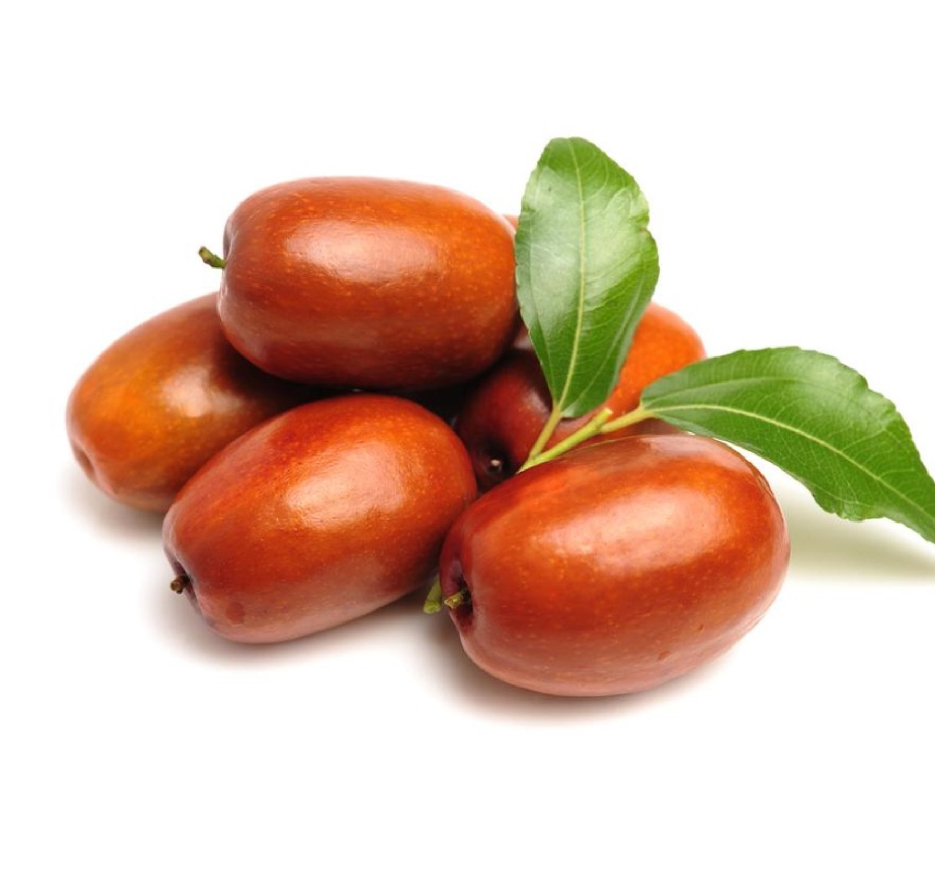
Ziziphus Jujuba

Ziziphus jujuba is the scientific name for jujube or jujuba. It’s more commonly known as a red date, Chinese date, or Chinese Jujube. Ziziphus jujuba

READ MORE

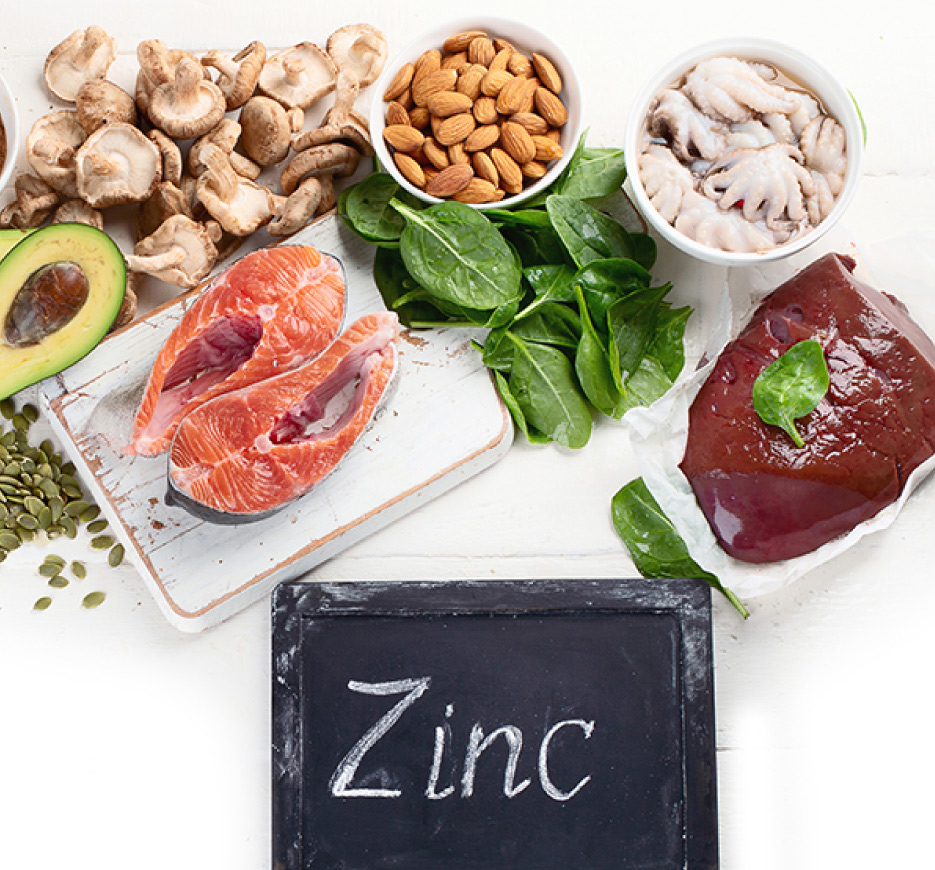
Zinc

Zinc is an essential micronutrient for the proper functioning of several processes in the human body. It is the second most abundant trace element in

READ MORE

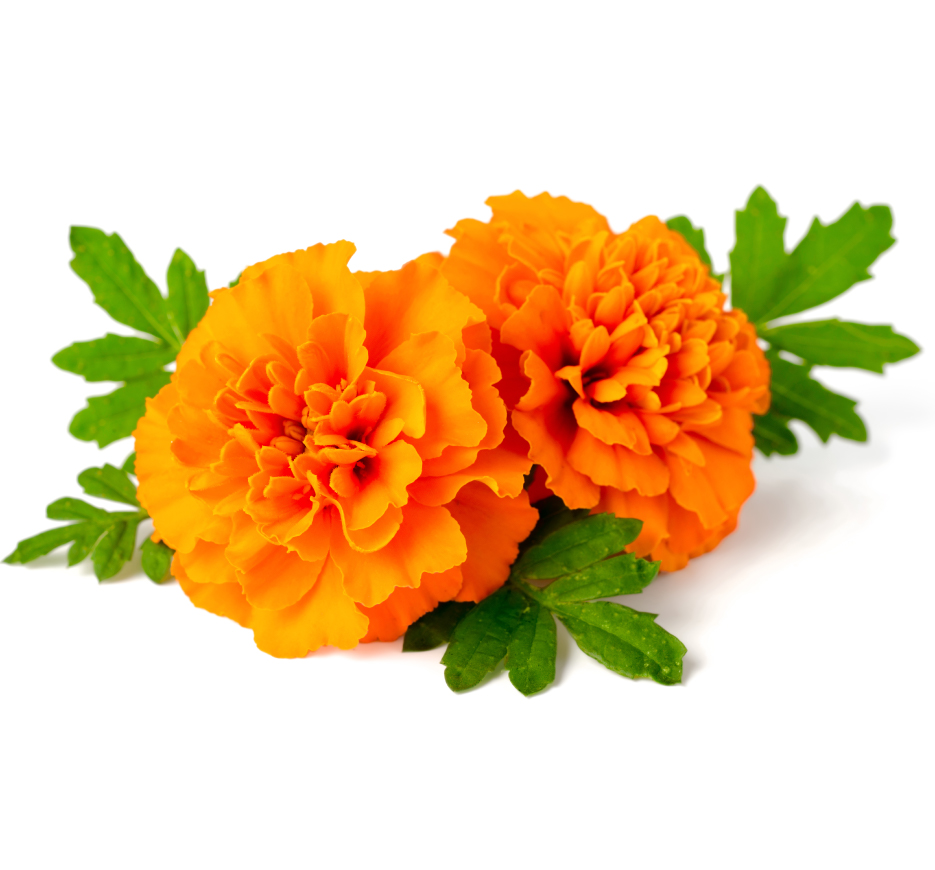
Zeaxanthin

Zeaxanthin is a yellow pigment that predominantly accumulates in the retina of the eyes and naturally occurred in plants such as marigold flower. The concentration

READ MORE
My Cart
Close Wishlist
Close Recently Viewed
Categories