At VitaHealth, we uphold the highest standards by using only premium ingredients, carefully selected and backed by advanced scientific research. Our formulations blend natural extracts, essential nutrients, and innovative compounds sourced from trusted suppliers to ensure unmatched safety, purity, and efficacy. From sustainably sourced botanicals to clinically validated vitamins and minerals, each ingredient is thoughtfully chosen to support optimal health and well-being. With rigorous testing and certification processes, we guarantee products that deliver consistent, reliable results, meeting the needs of today’s modern lifestyles.
Take a closer look at our ingredient list to see the quality that goes into every product!
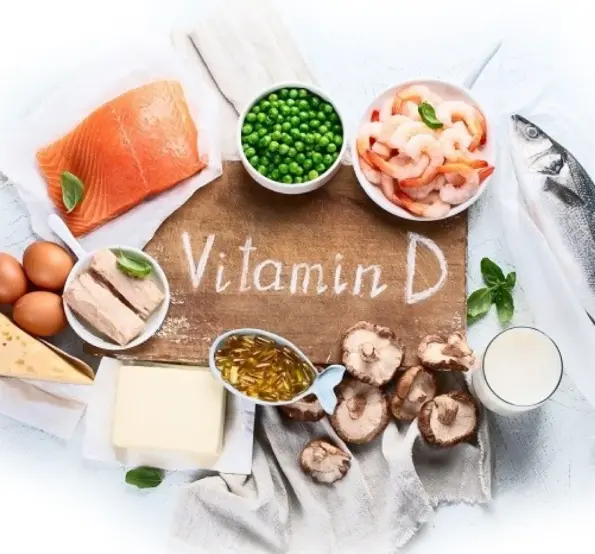
Vitamin D plays an important role to promote calcium absorption and maintain bone mineral density. The deficiency of vitamin D may increase the risk of rickets, cognitive decline, sarcopenia, cardiovascular disease, impaired glucose-mediated insulin secretion and viral infection.
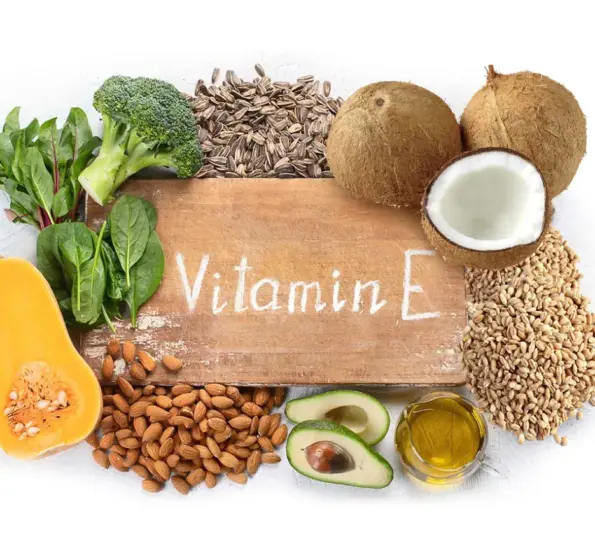
Alpha-tocopherol is the most naturally abundant and biologically active form of vitamin E in the body and is also considered the only form necessary to meet human dietary needs. Dietary sources of vitamin E include wheat, rice bran, barley, oat, coconut, palm, nuts, seeds and cereals. The major function of vitamin E is to act as a chain-breaking antioxidant that prevents the formation of free radicals. Vitamin E’s therapeutic benefits have primarily been attributed to its antioxidant effects.
There are several types of vitamin K, including K₁, K₂, K₃, K₄, and K₅. The two main types of vitamin K are vitamin K₁ (phylloquinone) and vitamin K₂ (menaquinone). Vitamin K₁ is involved in prothrombin synthesis which helps to promote blood coagulation. It can be obtained from leafy green vegetables such as spinach, lettuce, and broccoli.
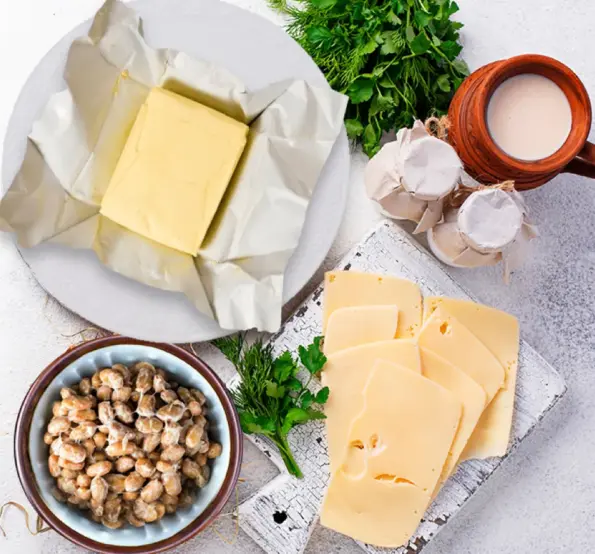
Meanwhile, vitamin K₂ is important in calcium metabolism which helps to maintain bone and heart health. It consists of two main chemical variants called MK-4 and MK-7. The dietary source of MK-4 is mainly from animal proteins such as eggs yolks, lard and butter while MK-7 is mainly from bacteria-fermented foods such as natto and cheese.
Zeaxanthin has three stereoisomers form, zeaxanthin (3R,3’R), zeaxanthin-(3S, 3’S) and meso-zeaxanthin (3R,3’S). Meso-zeaxanthin is absent from dietary sources which only can be found in ocular tissues. Another form of zeaxanthin needs to be obtained from dietary sources as human body is unable to synthesise it. Dietary sources of zeaxanthin included egg yolk, goji berries, yellow pepper, sweetcorn and tangerine. The concentration of zeaxanthin in the human body declines due to several factors such as ageing, cigarette smoking, and unhealthy diet.
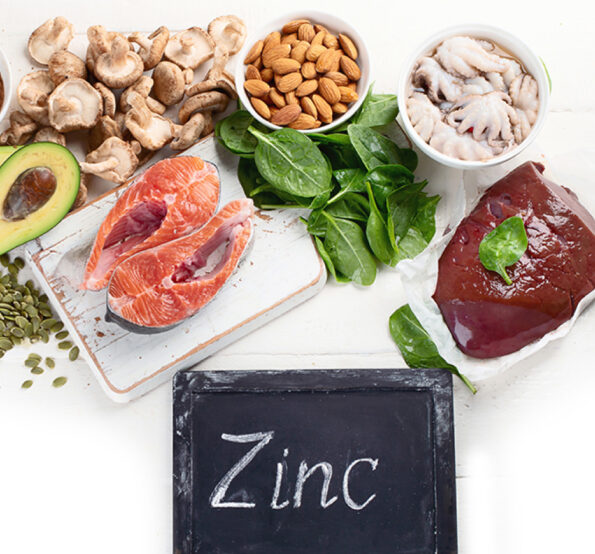
Zinc cannot be stored in the body, thus regular dietary intake is required. Dietary sources of zinc include meat, liver, eggs, seafood, nuts, legumes, whole grains and seeds. Patients with malnutrition, inflammatory bowel disease, malabsorption syndromes and alcoholism have higher risk of zinc deficiency.
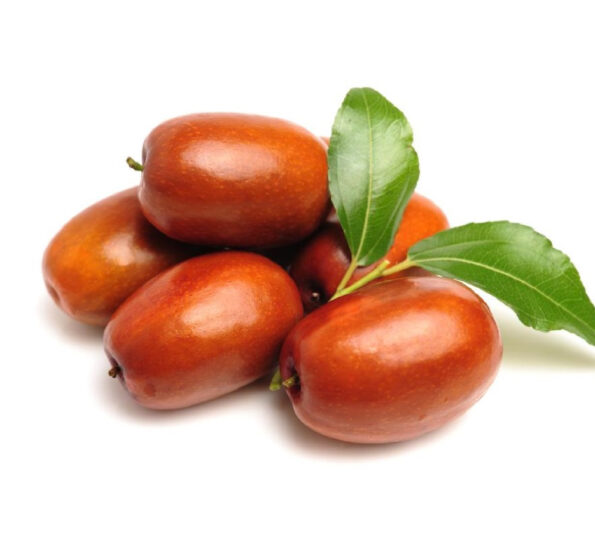
The seed of Ziziphus jujuba has been traditionally used in Chinese medicine for its sedative and hypnotic properties to treat insomnia and anxiety. It was first recorded in the earliest book of medica in China, which appeared more than 2,500 years ago. In this book, it is described as often used as a principal drug. It was also tested to possess hypotensive, anti-hypoxia, antihyperlipidemic, hypothermic and anxiolytic effects¹.