L-theanine is a unique water-soluble non-protein amino acid with structure resembles that of L-glutamate acid. It is predominantly present naturally....
Osteoporosis is a generalised bone disease characterised by diminished bone mineral density and bone mass with an increased risk of fractures (broken bones)¹.
Osteoporosis is a “silent” disease as there are typically no symptoms until a bone is broken².
Fractures can occur in any bones but happen most often in bones of the hip, vertebrae in the spine, and wrist².
It has been estimated that more than 200 million people are suffering from osteoporosis worldwide, with increasing prevalence³.
1 in 3 women and 1 in 5 men, over the age of 50 years, will experience osteoporosis fractures in their lifetime³.
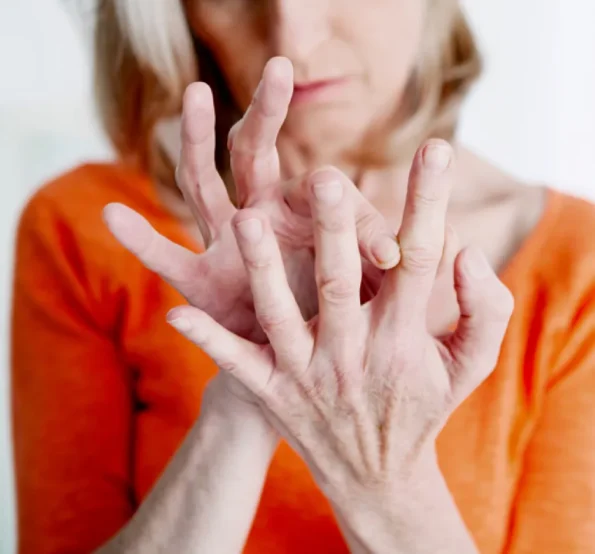
Osteoarthritis (OA) is the most common type of arthritis which affects 10% of the global population1¹.
In global, it is one of the most frequent causes of pain or aching, stiffness, decreased flexibility and swelling in adults². It commonly affects people over 60 years of age.
OA is caused by wear and tear due to excessive use over the years or to old injuries in the affected joints³.
Osteoarthritis mostly affects the large weight-bearing joints like the knees, hips and spine, causing pain and stiffness which are worst at the end of the day. The affected person may have difficulty in walking, climbing stairs, squatting or kneeling⁴.
Insomnia is a prevalent sleep disorder that can profoundly impact a person’s health and wellbeing.
Various studies worldwide have shown that the prevalence of insomnia is approximately 10-30% of the population, some even as high as 50%-60%¹.
Insomnia is common in older adults, females and people with medical and mental ill health¹.
Insomnia has been associated with a wide range of deleterious health consequences, including an increased risk of hypertension, cardiovascular disease, diabetes, anxiety and depression².
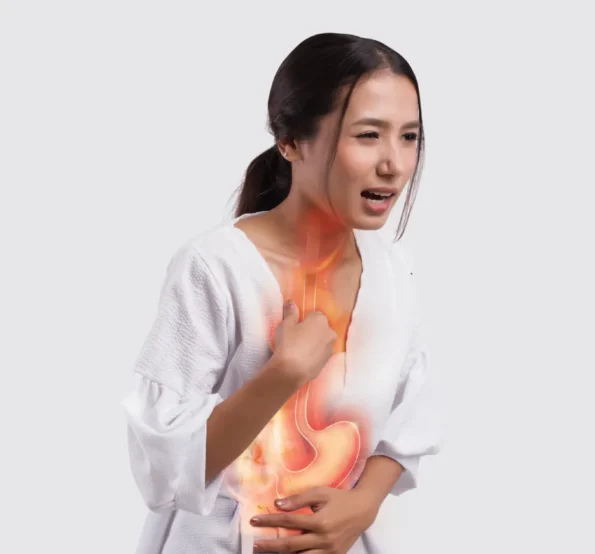
Gastroesophageal reflux disease (GERD) is a digestive disorder that occurs when acidic stomach juices, or food and fluids back up from the stomach into the esophagus¹.
The prevalence of GERD in Asia is low, ranging from 2.5% to 7.1% for weekly reflux, 3.8% to 4.6% for twice weekly reflux, and 2.1% for daily reflux, but it might be due to low awareness of the disorder².
The prevalence of symptom-based GERD in Southeast Asia has been rising3 and was estimated to be 6.3%–18.3% from 2005–2010⁴.
Left untreated, GERD can result in an esophageal mucosal injury known as reflux esophagitis where persistent backflow of acidic digestive juices will damage the lining of the oesophagus over time⁵.
Brain fog is used to describe ‘a usually tempporary state of diminished mental capacity marked by inability to concentrate or to think or reason clearly.¹
Brain fog is not a formal diagnosis or medical condition but a series of neuropsychologic symptoms related to mild cognitive impairment which may affect daily function.
Although there are no statistics on the prevalence of brain fog specifically, it was estimated that around 600 million people worldwide suffer from cognitive dysfunction.²
It has been reported that brain fog is one of the most common long COVID symptoms among survivors.³
Constipation is a common functional gastrointestinal disorder, with prevalence in the general population of approximately 20%. It is more prevalent in females and the elderly¹.
Constipation is both a symptom and, when chronic, a multisymptomatic disorder, and it can overlap with other gastrointestinal tract disorders such as dyspepsia and gastroesophageal reflux disease².
Constipation most commonly refers to infrequent bowel movements. It is defined as having a bowel movement less than 3 times per week³.
Chronic constipation is difficult and/or rare passage of stools that lasts for several months that can interfere people’s ability to go about their daily activities. It may also cause people to strain excessively to have bowel movement⁴.