
Ingredients A-Z
At VitaHealth, we uphold the highest standards by using only premium ingredients, carefully selected and backed by advanced scientific research. Our formulations blend natural extracts, essential nutrients, and innovative compounds sourced from trusted suppliers to ensure unmatched safety, purity, and efficacy. From sustainably sourced botanicals to clinically validated vitamins and minerals, each ingredient is thoughtfully chosen to support optimal health and well-being. With rigorous testing and certification processes, we guarantee products that deliver consistent, reliable results, meeting the needs of today’s modern lifestyles.
Take a closer look at our ingredient list to see the quality that goes into every product!
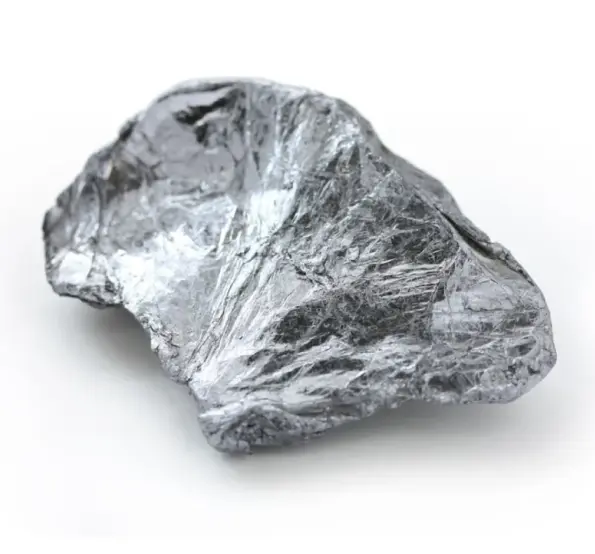
Molybdenum
Molybdenum (Mo) is a trace element that plays a vital role in human health, even though we only need it in small amounts. It acts as a helper for important enzymes like xanthine oxidase and sulfite oxidase, which help the body break down purines (excessive purine intake can lead to gout), detoxify sulfites (which can be harmful if they build up), and process certain toxins. Molybdenum is naturally present in foods such as legumes (beans, lentils, peas), whole grains, nuts, seeds, leafy vegetables, dairy products, and organ meats¹. The body absorbs it well, and it is easily excreted when consumed in excess. Deficiency is very rare but can cause problems with detoxification and lead to neurological issues, as seen in individuals with a rare genetic disorder called molybdenum cofactor deficiency¹. On the other hand, consuming too much molybdenum, although uncommon, can interfere with copper absorption and may lead to joint pain or symptoms like gout. Studies have shown that people exposed to high levels of molybdenum through their diet, such as in certain regions with molybdenum-rich soil, may experience such effects².
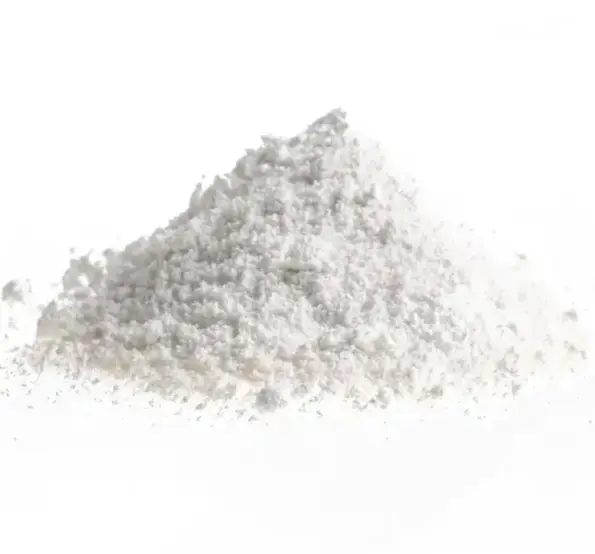
PABA (Para-Aminobenzoic Acid)
PABA (para-aminobenzoic acid) is also known as vitamin B10. It is a chemical that occurs naturally in the body. It is also found in several foods including grains, eggs, milk, and meat. PABA plays a key role in the production of folic acid, and also important for cell growth and DNA synthesis¹. Besides helping with skin health, it is also used for the production of hair dyes and sunscreens due to its ability to absorb UV radiation². Additionally, PABA is used as an ingredient in hair care formulations, as it demonstrated significant advantages for promoting hair well-being, such as the mitigation of premature greying and hair loss¹. Besides that, anticancer, anti-Alzheimer’s, antibacterial, antiviral, antioxidant, and anti-inflammatory properties have been observed in PABA compounds¹. Hence, researchers are being engaged in exploring the use of PABA as a dietary supplement or as an ingredient in functional foods, as it has been shown to have antioxidant properties that protect against cellular damage.4.
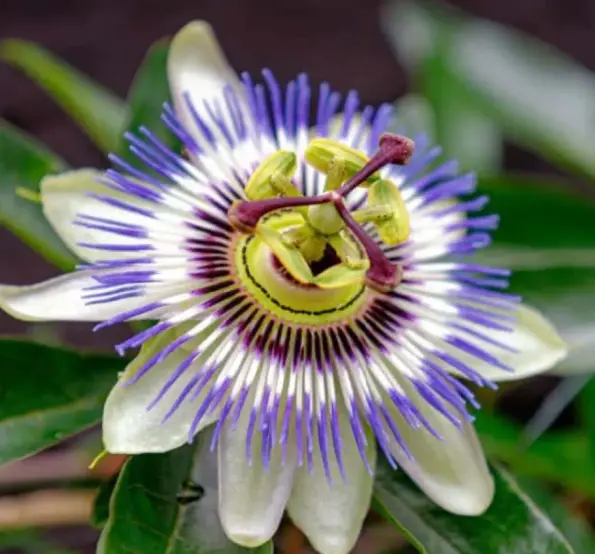
Passion Flower
Passion flower, or known as Passiflora incarnata, is a climbing vine with white and purple flowers that is native to the south-eastern United States, and Central and South America. Interestingly, passion flower was used as sedative by native peoples of the Americas. Outside of Americas, Spanish explorers in South America learned of passion flower in 16th century and brought to Europe where it was introduced as folk medicine.

Phosphatidylserine
The first 100% solvent-free soy-derived PS was introduced in 1992 has shown to offer great bioavailability when taken orally². PS is one of the most important brain nutrients that influences neurotransmitter systems, including acetylcholine, dopamine, serotonin and norepinephrine⁴. Hence, it offers vast health benefits on cognitive functioning.
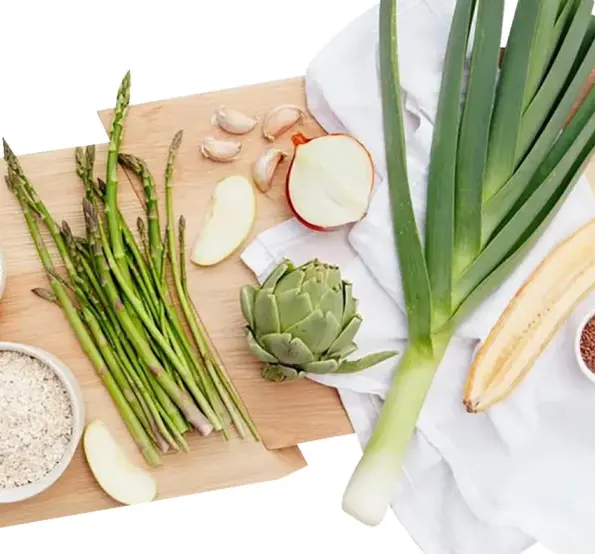
Prebiotics
There are few criteria that must be met in prebiotic selection. For instance, resistance to acidic pH of stomach and enzyme hydrolysis, can be fermented by intestinal microbiota and ability to stimulate the growth of intestinal microbe selectively². In general, prebiotics may be used as an alternative to probiotics or as additional support for them.
Probiotics
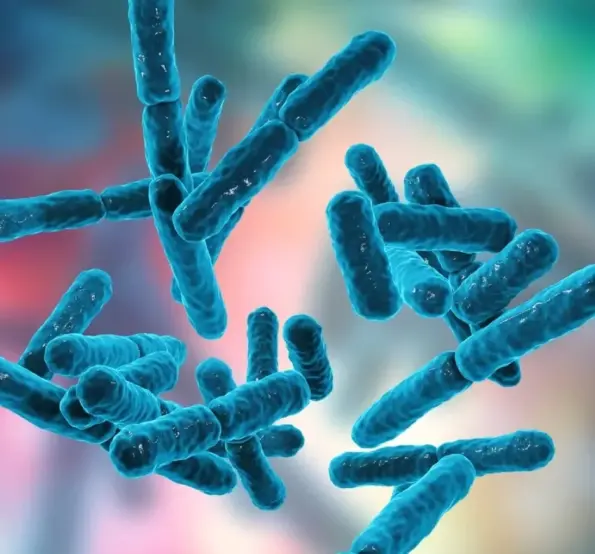
Probiotics can be found in supplements and food prepared by bacteria fermentation such as yogurt, tempeh, kimchi and kefir. Lactobacillus, Bifidobacterium and Saccharomyces are the most-studied probiotic bacterial species that have been proved safe for long-term use. In fact, there are a few criteria that must be met in probiotic strain selection. For instance, toxicity, metabolic activity and viability during storage and when passing through the gastrointestinal tract in order to safeguard safety and efficacy at the same time¹.
Red Yeast Rice
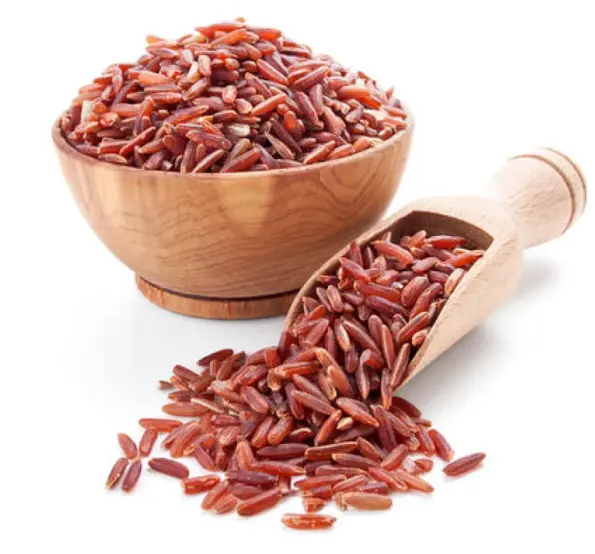
Red yeast rice, also known as “red Koji”, is a traditional Chinese medicine recorded in ancient Chinese pharmacopoeia Ben Cao Gang Mu-Dan Shi Bu Yi during the Ming Dynasty (1368–1644) to promote blood circulation¹. It is produced by fermenting rice together with Monascus purpureus yeast. Monacolin K in red yeast rice is structurally identical to the pharmaceutical drug lovastatin, which brings lipid-lowering effect and commonly used to treat hyperlipidaemia. Other than nutraceutical products, red yeast rice is also widely used as food colouring agent and production of brewed food such as anchu (Chinese red wine) and tofunyu (fermented bean curd).
Royal Jelly
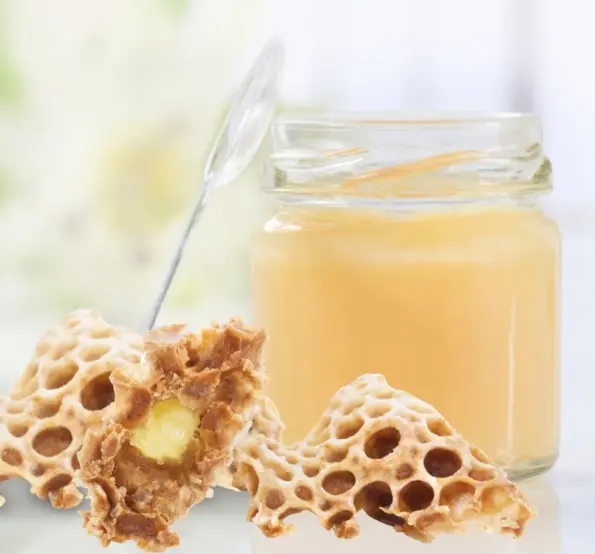
Royal jelly has a wide range of functional properties including antimicrobial, antioxidant, anti-inflammatory, wound healing, anti-ageing, immunomodulatory, anti-cancer, anti-diabetic, anti-hyperlipidemic, anti-hypertension, hepato-renal protective, neuroprotective, estrogenic, and fertility effects.¹⁻²
Saw Palmetto
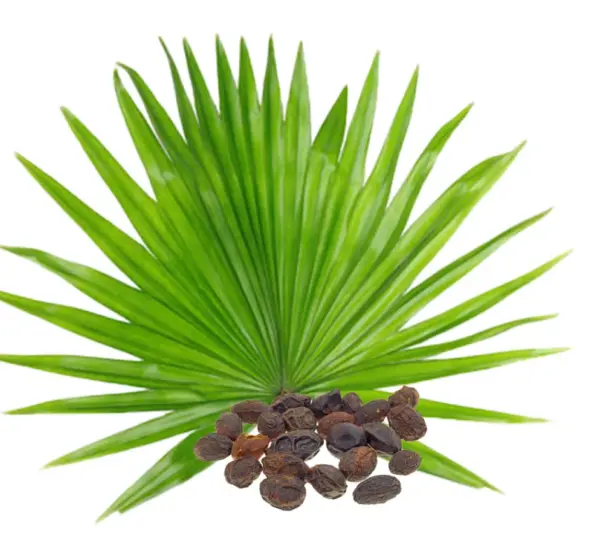
The purified extract of saw palmetto contains around 85-90% fatty acids and phytosterols, with an abundance of carotenoids, lipases, tannin, sugars and fatty acids such as caprylic acid, palmitic acid, oleic acid and beta-sitosterol². Saw palmetto has been scientifically proven to relieve urinary symptoms, inflammation and prostate disease. The saw palmetto berries can either be eaten whole directly, dried to make tea, or consumed in capsule or tablet form.