Ingredients A-Z

Zinc

Overview

Zinc is an essential micronutrient for the proper functioning of several processes in the human body. It is the second most abundant trace element in the human body after iron. The human body contains approximately 2g of zinc in total, distributed across all body tissues and fluids, with 60% found in skeletal muscle and 30% in bone mass2. Zinc support numerous aspects of cellular metabolism and cell structure stabilization. It plays an essential role in immune functions, growth development, wound healing, DNA synthesis and fertility.


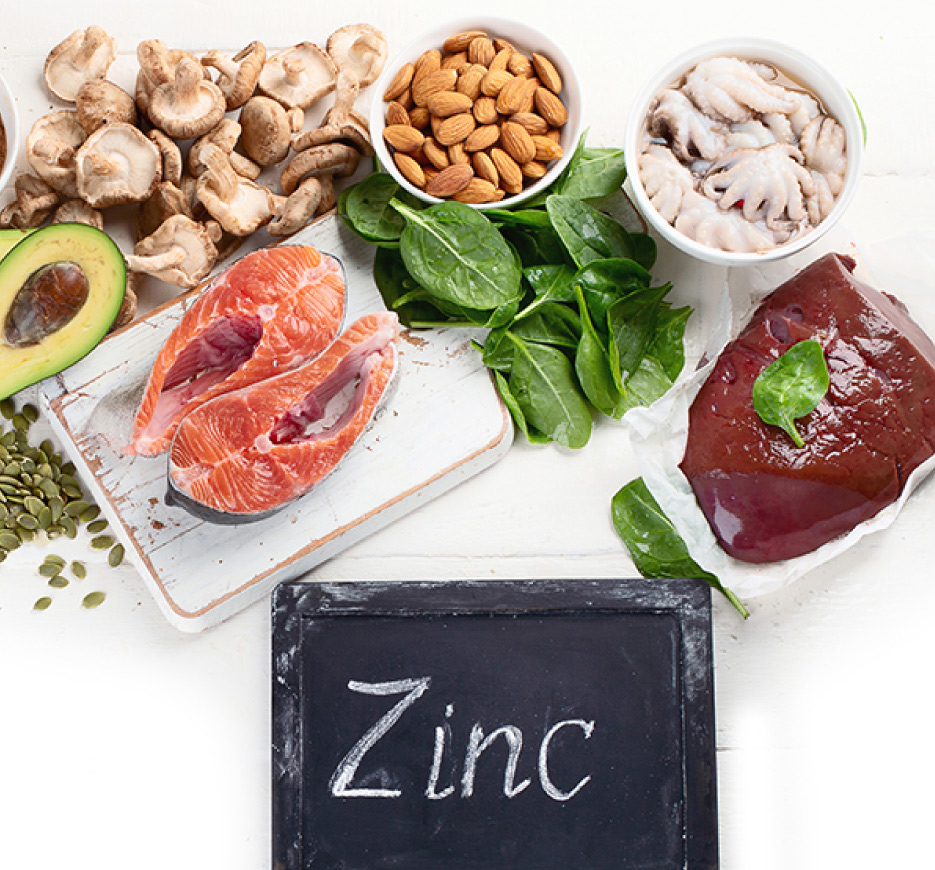
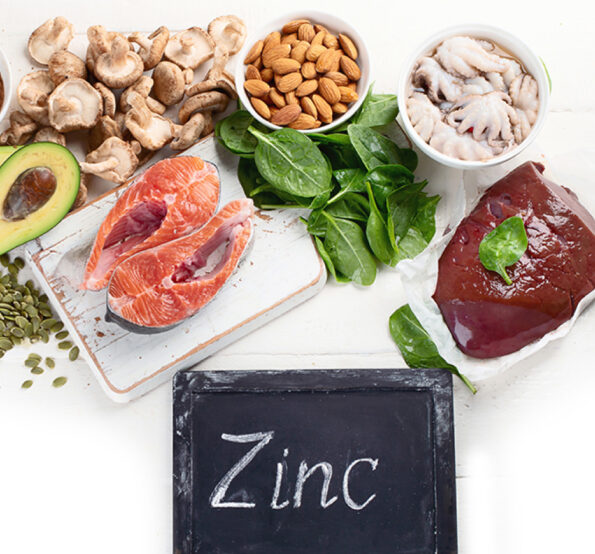
Zinc cannot be stored in the body, thus regular dietary intake is required. Dietary sources of zinc include meat, liver, eggs, seafood, nuts, legumes, whole grains and seeds. Patients with malnutrition, inflammatory bowel disease, malabsorption syndromes and alcoholism have higher risk of zinc deficiency.


Key indications

Immune system

Zinc plays a key role as a gatekeeper of the immune system. It acts as a signaling molecule in immune cell signal transduction to regulate the immune response against bacteria or viral infection. In addition, zinc is needed for cell maturation and cell differentiation of T and B lymphocytes which facilitates antibody production and in turn, strengthens overall body immunity⁴. Clinical study indicates that daily intake of lozenges with 13.3mg of zinc every 2 hours while awake, starting within 48 hours of symptom onset helps to reduce the duration of the common cold⁵.

Skin health

The utility of zinc in acne vulgaris was first recognized in the 1970s with its direct inhibitory action on Propionibacterium acnes proliferation. In fact, zinc is also involved in the regulation of DNA and RNA polymerases, thymidine kinases, and ribonucleases which assists in the maintenance of proper cell replication, immune activity, and wound repair⁶. A meta-analysis of clinical trials suggests that taking 137-300mg of zinc sulfate or zinc gluconate 2-3 times daily by mouth can modestly improve acne compared with placebo⁷.

Gastrointestinal health

In a large cohort of patients with inflammatory bowel disease, it was estimated that 8.5% of patients had inadequate intake of zinc. Zinc supplementation has been shown to have a protective effect on the epithelial barrier. It helps to maintain tissue integrity, restrain inflammation and inhibit mucosal cell apoptosis⁸. The study showed that a daily intake of 5mg/kg zinc for 2 weeks helps to relieve abnormal tissue integrity caused by proliferating invasive pathogens, such as Vibrio cholerae and enterotoxigenic Escherichia coli⁹.

Reproductive health

Zinc is essential for both males and females in maintaining reproductive health. In the male reproductive system, zinc can reduce testis injury caused by stress, promote spermatogenesis and maintain normal hormonal functioning of the hypothalamus-pituitary-gonadal axis¹⁰. Besides, zinc also plays an important role in the female reproductive system by supporting normal ovarian function and maintaining a healthy menstrual cycle¹¹. Clinical research indicates an improvement in semen volume, sperm motility and sperm normal morphology after daily supplementation of 220mg zinc sulfate for 3 months¹².

Neurological health

Zinc is found predominantly in the brain where it possesses both catalytic and regulatory roles. It has the ability to inhibit both GABA and glutaminergic receptors, making it a candidate for neuronal excitability modulation. Antidepressant-refractory patients diagnosed with major depression supplemented 25mg zinc daily for 12 weeks showed significant improvements in depression scores and treatment outcomes compared to placebo¹³.

Adverse effects

Zinc is well tolerated in doses below the tolerable upper intake level (UL), which is 40mg daily for adults. The most common adverse effect when intake in large amounts are abdominal cramps, diarrhea, metallic taste, nausea and vomiting¹³.

Dosage range

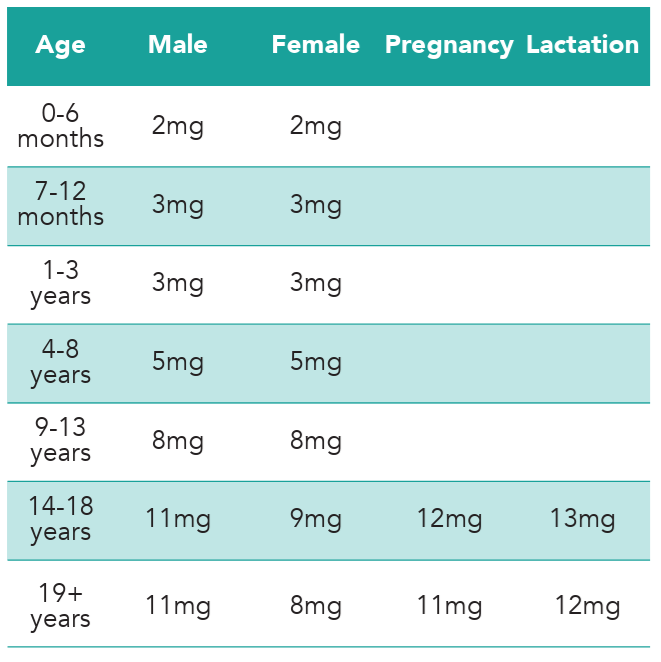
Recommended dietary allowances (RDAs) for zinc³:

Contraindications/cautions

Potential drug interactions include:


  • Cephalexin
    May reduce the rate of absorption of this drug
  •  

  • Cisplatin
    May interfere with the therapeutic effects of this drug
  •  

  • Integrase inhibitors
    May reduce the clinical effect of this drug
  •  

  • Penicillamine
    May reduce the clinical effect of this drug
  •  

  • Tetracycline antibiotics
    May reduce the rate of absorption of this drug
  • Adverse effects

    Zinc is well tolerated in doses below the tolerable upper intake level (UL), which is 40mg daily for adults. The most common adverse effect when intake in large amounts are abdominal cramps, diarrhea, metallic taste, nausea and vomiting¹³.

    Dosage range

    Recommended dietary allowances (RDAs) for zinc³:

    Contraindications/cautions

    Potential drug interactions include:


  • Cephalexin
    May reduce the rate of absorption of this drug
  •  

  • Cisplatin
    May interfere with the therapeutic effects of this drug
  •  

  • Integrase inhibitors
    May reduce the clinical effect of this drug
  •  

  • Penicillamine
    May reduce the clinical effect of this drug
  •  

  • Tetracycline antibiotics
    May reduce the rate of absorption of this drug
  • References :

    1. Saper, R.B. & Rash, R. (2009). Zinc: An Essential Micronutrient. American Family Physician, 79(9):768-772.
    2. Braun L, Cohen M. Herbs and Natural supplements. Ebook 4th edition. Chatswood: Elsevier 2015 pp.1197-1220.
    3. Institute of Medicine. (2011). Dietary Reference Intakes for Zinc. Washington, DC: The National Academies Press.
    4. John, E., Laskow, T.C., Buchser, W.J., et al. (2010). Zinc in innate and adaptive tumor immunity. Journal of Translational Medicine, 8, 118. https://doi.org/10.1186/1479-5876-8-118
    5. Mossad, S. B., Macknin, M. L., Medendorp, S. V., & Mason, P. (1996). Zinc gluconate lozenges for treating the common cold. A randomized, double-blind, placebo-controlled study. Annals of internal medicine, 125(2), 81–88. https://doi.org/10.7326/0003-4819-125-2-199607150-00001
    6. Cervantes, J., Eber, A. E., Perper, M., Nascimento, V. M., Nouri, K., & Keri, J. E. (2018). The role of zinc in the treatment of acne: A review of the literature. Dermatologic therapy, 31(1). https://doi.org/10.1111/dth.12576
    7. Yee, B. E., Richards, P., Sui, J. Y., & Marsch, A. F. (2020). Serum zinc levels and efficacy of zinc treatment in acne vulgaris: A systematic review and meta-analysis. Dermatologic therapy, 33(6), e14252. https://doi.org/10.1111/dth.14252
    8. Skrovanek, S., DiGuilio, K., Bailey, R., Huntington, W., Urbas, R., Mayilvaganan, B., Mercogliano, G., & Mullin, J. M. (2014). Zinc and gastrointestinal disease. World journal of gastrointestinal pathophysiology, 5(4), 496–513. https://doi.org/10.4291/wjgp.v5.i4.496
    9. Raul A. W. (2000). Zinc Deficiency, Malnutrition and the Gastrointestinal Tract, The Journal of Nutrition, 130(5): 1388S–1392S. https://doi.org/10.1093/jn/130.5.1388S
    10. Fallah, A., Mohammad-Hasani, A., & Colagar, A. H. (2018). Zinc is an Essential Element for Male Fertility: A Review of Zn Roles in Men’s Health, Germination, Sperm Quality, and Fertilization. Journal of reproduction & infertility, 19(2), 69–81.
    11. Vickram, S., Rohini, K., Srinivasan, S.& Veenakumari, D.N. et al. (2021). Role of Zinc (Zn) in Human Reproduction: A Journey from Initial Spermatogenesis to Childbirth. International Journal of Molecular Science, 22, 2188. https://doi.org/10.3390/ ijms22042188
    12. Hadwan, M. H., Almashhedy, L. A., & Alsalman, A. R. (2012). Oral zinc supplementation restores high molecular weight seminal zinc binding protein to normal value in Iraqi infertile men. BMC urology, 12, 32. https://doi.org/10.1186/1471-2490-12-32
    13. Siwek, M., Dudek, D., Schlegel-Zawadzka, M., Morawska, A., Piekoszewski, W., Opoka, W., Zieba, A., Pilc, A., Popik, P., & Nowak, G. (2010). Serum zinc level in depressed patients during zinc supplementation of imipramine treatment. Journal of affective disorders, 126(3), 447–452. https://doi.org/10.1016/j.jad.2010.04.024

    References :

    1. Saper, R.B. & Rash, R. (2009). Zinc: An Essential Micronutrient. American Family Physician, 79(9):768-772.
    2. Braun L, Cohen M. Herbs and Natural supplements. Ebook 4th edition. Chatswood: Elsevier 2015 pp.1197-1220.
    3. Institute of Medicine. (2011). Dietary Reference Intakes for Zinc. Washington, DC: The National Academies Press.
    4. John, E., Laskow, T.C., Buchser, W.J., et al. (2010). Zinc in innate and adaptive tumor immunity. Journal of Translational Medicine, 8, 118. https://doi.org/10.1186/1479-5876-8-118
    5. Mossad, S. B., Macknin, M. L., Medendorp, S. V., & Mason, P. (1996). Zinc gluconate lozenges for treating the common cold. A randomized, double-blind, placebo-controlled study. Annals of internal medicine, 125(2), 81–88. https://doi.org/10.7326/0003-4819-125-2-199607150-00001
    6. Cervantes, J., Eber, A. E., Perper, M., Nascimento, V. M., Nouri, K., & Keri, J. E. (2018). The role of zinc in the treatment of acne: A review of the literature. Dermatologic therapy, 31(1). https://doi.org/10.1111/dth.12576
    7. Yee, B. E., Richards, P., Sui, J. Y., & Marsch, A. F. (2020). Serum zinc levels and efficacy of zinc treatment in acne vulgaris: A systematic review and meta-analysis. Dermatologic therapy, 33(6), e14252. https://doi.org/10.1111/dth.14252
    8. Skrovanek, S., DiGuilio, K., Bailey, R., Huntington, W., Urbas, R., Mayilvaganan, B., Mercogliano, G., & Mullin, J. M. (2014). Zinc and gastrointestinal disease. World journal of gastrointestinal pathophysiology, 5(4), 496–513. https://doi.org/10.4291/wjgp.v5.i4.496
    9. Raul A. W. (2000). Zinc Deficiency, Malnutrition and the Gastrointestinal Tract, The Journal of Nutrition, 130(5): 1388S–1392S. https://doi.org/10.1093/jn/130.5.1388S
    10. Fallah, A., Mohammad-Hasani, A., & Colagar, A. H. (2018). Zinc is an Essential Element for Male Fertility: A Review of Zn Roles in Men’s Health, Germination, Sperm Quality, and Fertilization. Journal of reproduction & infertility, 19(2), 69–81.
    11. Vickram, S., Rohini, K., Srinivasan, S.& Veenakumari, D.N. et al. (2021). Role of Zinc (Zn) in Human Reproduction: A Journey from Initial Spermatogenesis to Childbirth. International Journal of Molecular Science, 22, 2188. https://doi.org/10.3390/ ijms22042188
    12. Hadwan, M. H., Almashhedy, L. A., & Alsalman, A. R. (2012). Oral zinc supplementation restores high molecular weight seminal zinc binding protein to normal value in Iraqi infertile men. BMC urology, 12, 32. https://doi.org/10.1186/1471-2490-12-32
    13. Siwek, M., Dudek, D., Schlegel-Zawadzka, M., Morawska, A., Piekoszewski, W., Opoka, W., Zieba, A., Pilc, A., Popik, P., & Nowak, G. (2010). Serum zinc level in depressed patients during zinc supplementation of imipramine treatment. Journal of affective disorders, 126(3), 447–452. https://doi.org/10.1016/j.jad.2010.04.024

    The material is prepared for informational purposes only and should not be construed as a piece of personal medical advice. Owing to each person’s varying health needs, a physician should be consulted before acting on any information provided in this material. Although every effort is made to ensure that this material is accurate, it is compiled for internal use only and should not be considered definitive. Neither VitaHealth nor its employees, or information providers shall be responsible or liable for any errors, inaccuracies, or other defects in the information contained in this publication.

    You might also be interested in

    Ziziphus Jujuba

    Ziziphus jujuba is the scientific name for jujube or jujuba. It’s more commonly known as a red date, Chinese date, or Chinese Jujube. Ziziphus jujuba

    READ MORE

    Zinc

    Zinc is an essential micronutrient for the proper functioning of several processes in the human body. It is the second most abundant trace element in

    READ MORE

    Zeaxanthin

    Zeaxanthin is a yellow pigment that predominantly accumulates in the retina of the eyes and naturally occurred in plants such as marigold flower. The concentration

    READ MORE
    My Cart
    Close Wishlist
    Close Recently Viewed
    Categories