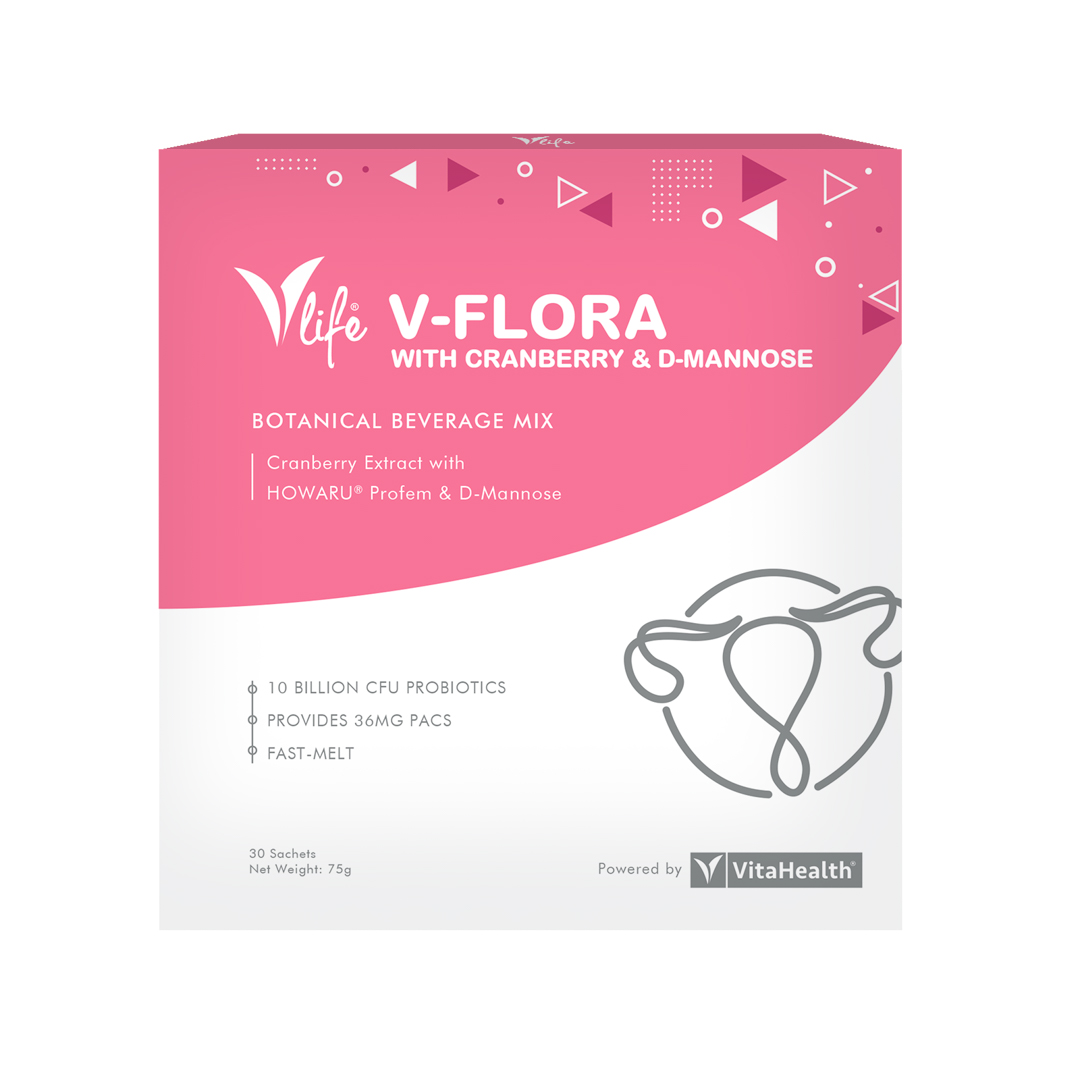
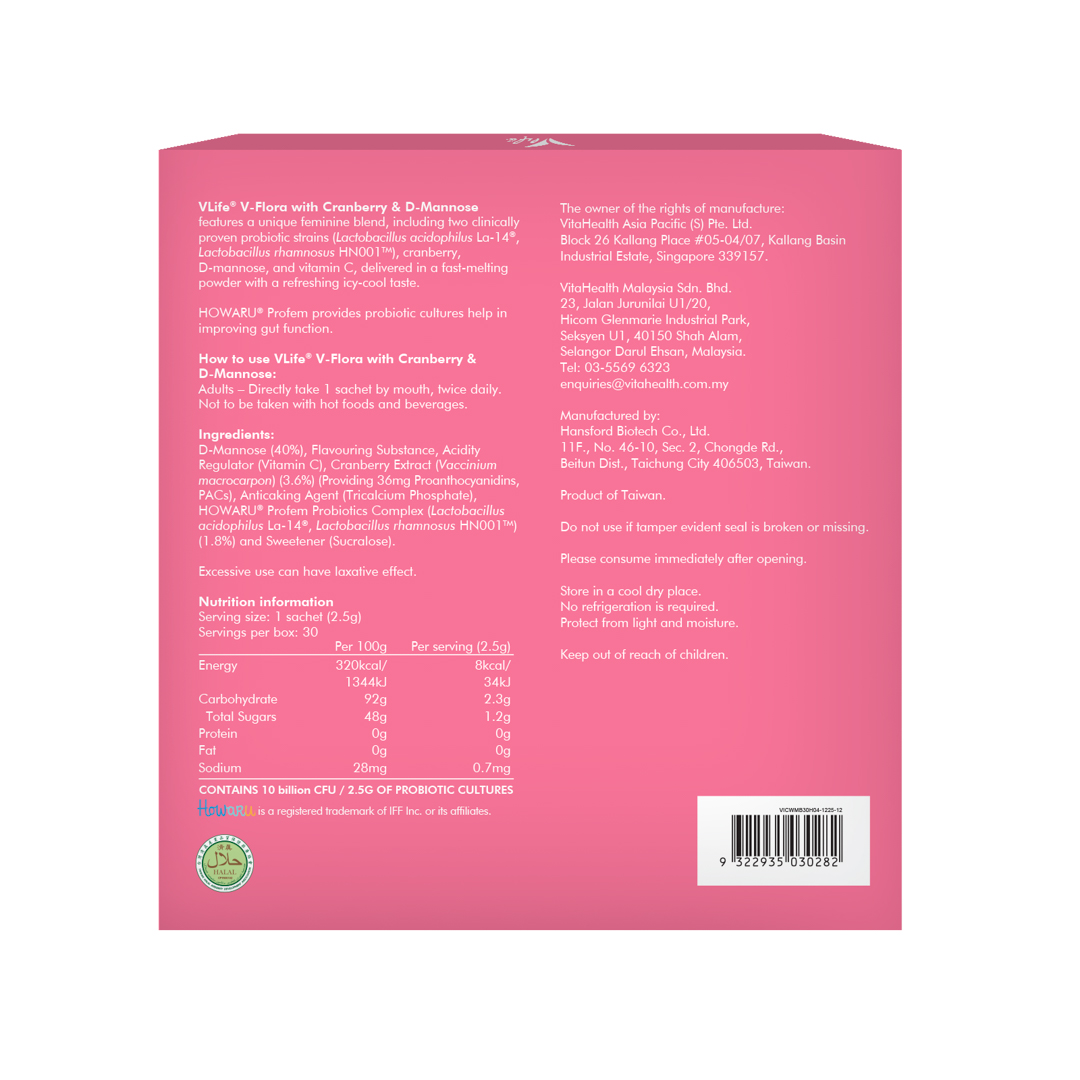
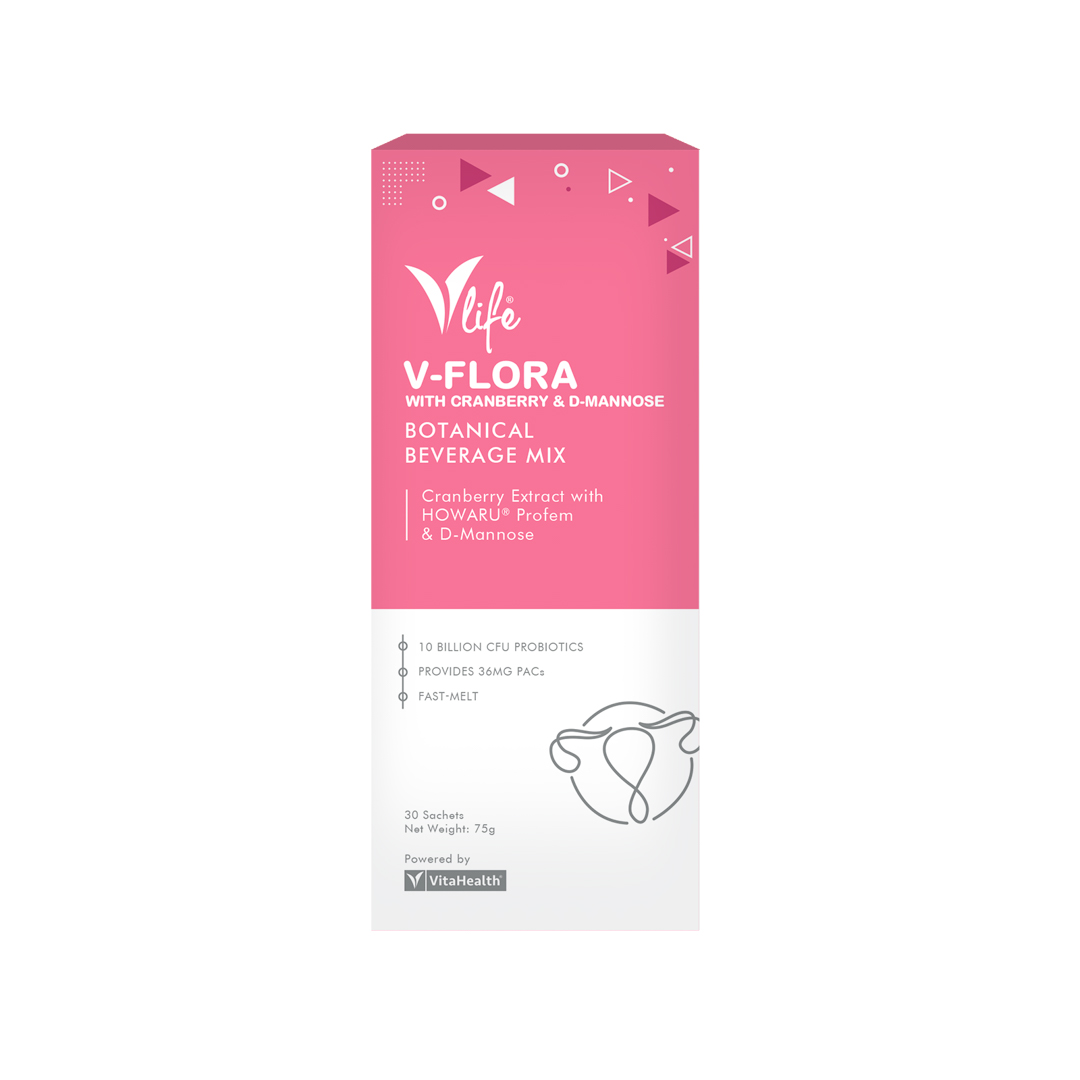
The vagina naturally hosts a diverse microbiome, primarily dominated by lactobacilli species. An imbalance in the vaginal microflora, also known as vaginal dysbiosis can make it vulnerable to harmful bacteria, potentially leading to discomforts and increased risk of urogenital infections. Several lifestyle factors such as hygiene practices, sexual activities, clothing, smoking, alcohol consumption, use of birth control and medication, hormonal fluctuations and stress can all influence the vaginal microbiome. Additionally, the vaginal and urinary tract microbiomes are interconnected, with one affecting the health of the other. Study has shown that vaginal dysbiosis may result in E.coli colonisation and prompt recurrent UTIs. Therefore, maintaining a healthy vaginal microflora is essential to prevent overgrowth of pathogen and reduce the risk of both vaginal and urinary tract infections.