Ingredients A-Z

Royal Jelly

Overview

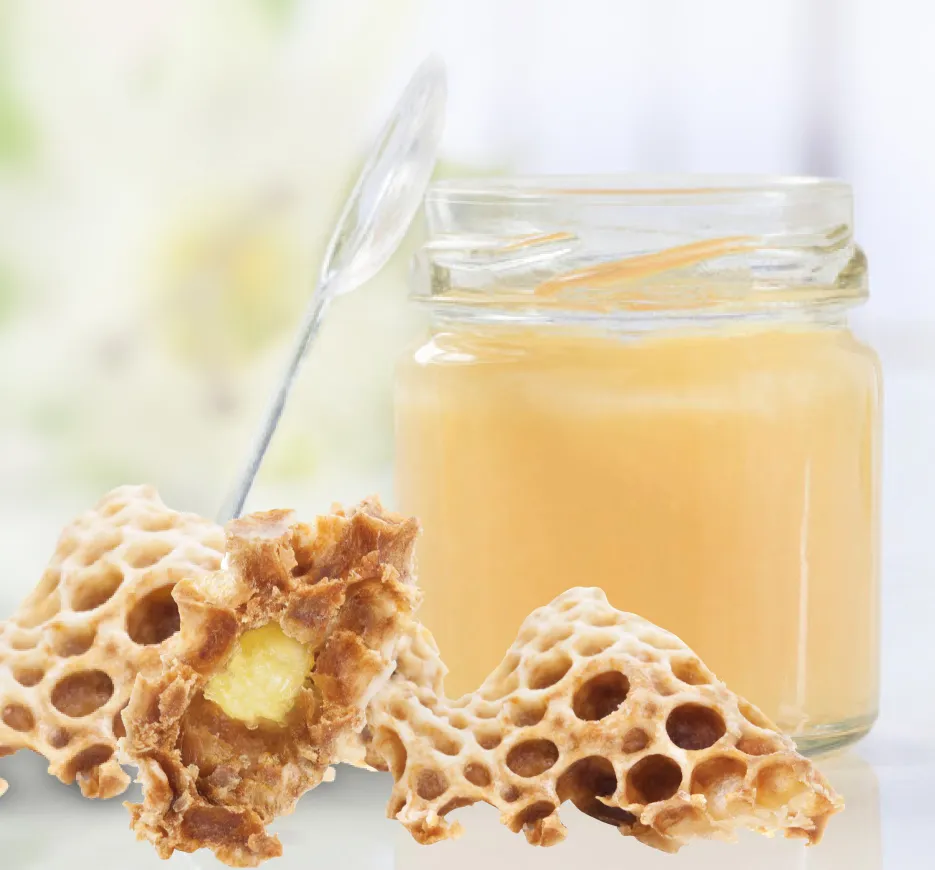
Royal jelly is a yellowish-white acidic secretion from the hypopharyngeal and mandibular glands of worker honey bees.¹ It is used as a food for young bee larvae, but no longer than three days, and then they are fed with a mixture of pollen, nectar, and honey.¹ Royal jelly is also the only food for the queen in both the larval and adult stages.¹ It is well known for its high nutritional value. It is high in carbohydrates, protein, free amino acids, fatty acids, sugars, vitamins, and minerals.¹


Royal jelly has a wide range of functional properties including antimicrobial, antioxidant, anti-inflammatory, wound healing, anti-ageing, immunomodulatory, anti-cancer, anti-diabetic, anti-hyperlipidemic, anti-hypertension, hepato-renal protective, neuroprotective, estrogenic, and fertility effects.¹⁻²

Key indications

Antimicrobial activity

Royal jelly contains various antimicrobial peptides including gelins, royalisin, royalactin, and apisimin. It is effective against gram-positive bacteria S.aureus, S. epidermidis, and E. faecalis, which can cause serious infection in human body.³ Besides that, another study conducted by Altuntas and colleagues showed that Royal jelly inhibits the formation of bio-films in body.⁴ In food, biofilms contain L. monocytogenes.⁴ Royal jelly was proven to have inhibition effect on L. monocytogenes and its antibacterial activity is enhanced by the combination of royal jelly and honey.⁵

Antioxidant activity

Royal jelly acts as a scavenger of free radicals. A study conducted by Liu et al. showed that royal jelly possesses antioxidant properties by acting upon DPPH, hydroxyl, and superoxide radicals.⁶ A similar study was conducted by Guo et al. and they found strong antioxidant properties of peptides obtained after the hydrolysis of royal jelly proteins using protease N.⁷


Oxidative stress is a common culprit for the pathogenesis of type-II diabetes mellitus. Thus, royal jelly can be beneficial for diabetic patients due to its antioxidant properties. Research suggests royal jelly decreases fasting blood glucose (FBG) and serum glycosylated hemoglobin (HbA1c) levels.⁸ There was an increase in insulin concentration in the royal jelly-supplemented group in comparison with the placebo one.⁸ Besides that, another study conducted by Shidfar et al. indicated that royal jelly ameliorates insulin resistance via antioxidant effects.⁹ Hence, royal jelly might be beneficial for patients with diabetes mellitus. However, further studies are required to investigate on the exact mechanism of royal jelly on diabetic parameters.

Improve fertility

Royal jelly mimics human estrogen, similar to that of plant phytoestrogens.¹⁰ Regular consumption of high-quality royal jelly has been shown to help balance hormones.¹⁰ This could be beneficial for those having fertility issues related to hormonal imbalance. Besides that, royal jelly could be beneficial in increasing libido and supporting egg and sperm health.¹⁰

Anti-ageing

Premature skin ageing such as wrinkling, pigmentation and loss of elasticity might occur due to chronic exposure of skin to UV irradiation. This is resulted from the decreased procollagen expression and increased expression of MMPs, the collagenase which degrades collagen and thus impair structural integrity of dermis. Royal jelly was found to increase type-I procollagen and TGFβ1 production but no effect on MMP secretion. This finding suggested that royal jelly might help in skin protection by promoting collagen synthesis via TGFβ1 upregulation following UV exposure.¹¹

Relieve postmenopausal symptoms

Royal jelly is commonly used as a traditional and natural product to improve menopause-related symptoms due to its similarity with oestrogen. Its oestrogenic effect is mediated through the interaction with oestrogen receptors.¹² 10-HDA in royal jelly helps in preventing ageing-related follicular depletion and supporting in regulation of hormone.¹³ Sharif et al. conducted a study using a cohort of 200 women aged between 45 and 60 years old.¹⁴ The result demonstrated that royal jelly could alleviate menopausal symptoms including hot flushes and night sweats. After 8 weeks of oral intake of royal jelly, menopausal score was significantly lower in those women treated with royal jelly as compared to the placebo group. This result is supported by another study conducted by Asama and colleagues. Anxiety score and backache score were significantly lower in postmenopausal women treated with royal jelly as compared to the placebo group.¹⁵

Adverse effects

  • Royal jelly is generally well-tolerated and safe.¹⁶
  • People with asthma or allergies might experience an allergic reaction.¹⁶ Patients with bronchial asthma should not take royal jelly during the asthmatic attack¹⁷
  • Gastric discomfort might occur if ones taking royal jelly more than the recommended dose.¹⁷

Dosage range

Generally, royal jelly is often used in doses of 1000mg orally for up to 6 months. A rest period of 15 to 30 days is necessary before continuing taking royal jelly as the antibacterial property of royal jelly can disrupt the normal flora environment in our digestive system. Recommended dose for children more than 5 years old is up to 500mg while for infant, the dose is determined by body weight (10mg per kg).¹⁸

Contraindications/cautions

  • Asthmatic people should not take royal jelly during attack.¹⁷
  •  Insufficient reliable information available for pregnancy and lactation.¹⁶
  • Royal jelly is generally safe to be taken continuously for up to 6 months in children aged 5 years old and above.¹⁶

Adverse effects

  • Royal jelly is generally well-tolerated and safe.¹⁶
  • People with asthma or allergies might experience an allergic reaction.¹⁶ Patients with bronchial asthma should not take royal jelly during the asthmatic attack¹⁷
  • Gastric discomfort might occur if ones taking royal jelly more than the recommended dose.¹⁷

Dosage range

Generally, royal jelly is often used in doses of 1000mg orally for up to 6 months. A rest period of 15 to 30 days is necessary before continuing taking royal jelly as the antibacterial property of royal jelly can disrupt the normal flora environment in our digestive system. Recommended dose for children more than 5 years old is up to 500mg while for infant, the dose is determined by body weight (10mg per kg).¹⁸

Contraindications/cautions

  • Asthmatic people should not take royal jelly during attack.¹⁷
  •  Insufficient reliable information available for pregnancy and lactation.¹⁶
  • Royal jelly is generally safe to be taken continuously for up to 6 months in children aged 5 years old and above.¹⁶

References :

  1. Ahmad S, Campos MG, Fratini F, Altaye SZ, Li J. (2020). New insights into the biological and pharmaceutical properties of Royal Jelly. International Journal of Molecular Sciences, 21(2), 382.
  2. Bălan A, Moga MA, Dima L, Toma S, Elena Neculau A, Anastasiu CV. (2020). Royal Jelly—a traditional and natural remedy for postmenopausal symptoms and aging-related pathologies. Molecules, 25(14), 3291.
  3. Zasloff M. (2019). Antimicrobial peptides of multicellular organisms: My perspective. Advances in Experimental Medicine and Biology, 3–6.
  4. Altuntas S, Cinar A, Altuntas V. (2020). Modelling of Listeria monocytogenes growth and survival in presence of Royal Jelly, a promising anti-biofilm agent. Food & Nutrition Research.
  5. Maželienė Ž, Aleksandravičienė A, Pašvenskaitė M, Viliušienė I, Šakienė D, Dailidaitė E. (2022). Antimicrobial activity of Royal Jelly, honey, and their mixture. Biologija, 68(3).
  6. Liu J-R, Yang Y-C, Shi L-S, Peng C-C. (2008). Antioxidant properties of Royal Jelly associated with larval age and time of harvest. Journal of Agricultural and Food Chemistry, 56(23), 11447–52.
  7. Guo H, Kouzuma Y, Yonekura M. (2009). Structures and properties of antioxidative peptides derived from Royal Jelly protein. Food Chemistry, 113(1), 238–45.
  8. Pourmoradian S, Mahdavi R, Mobasseri M, Faramarzi E, Mobasseri M. (2014). Effects of Royal Jelly supplementation on glycemic control and oxidative stress factors in type 2 diabetic female: A randomized clinical trial. Chinese Journal of Integrative Medicine, 20(5), 347–52.
  9. Shidfar F, Jazayeri S, Mousavi SN, Malek M, Hosseini Afateme, Khoshpey B. (2015). Does supplementation with Royal Jelly improve oxidative stress and insulin resistance in type 2 diabetic patients? Iranian Journal of Public Health.
  10. Hethir Rodriguez. (2021). Fertility Super Food – Royal Jelly [Internet]. Natural Fertility Info. Available from: https://natural-fertility-info.com/royal-jelly.html
  11. Park HM, Hwang E, Lee KG, Han S-M, Cho Y, Kim SY. (2011). Royal Jelly protects against ultraviolet B–induced photoaging in human skin fibroblasts via enhancing collagen production. Journal of Medicinal Food, 14(9), 899–906.
  12. Bălan A, Moga MA, Dima L, Toma S, Elena Neculau A, Anastasiu CV. (2020). Royal Jelly—a traditional and natural remedy for postmenopausal symptoms and aging-related pathologies. Molecules, 25(14), 3291.
  13. Takahashi Y. (2012). Molecular alterations during female reproductive aging: Can aged oocytes remind youth? Embryology – Updates and Highlights on Classic Topics.
  14. Sharif SN, Darsareh F. (2019). Effect of Royal Jelly on menopausal symptoms: A randomized placebo-controlled clinical trial. Complementary Therapies in Clinical Practice, 37, 47–50.
  15. Asama T, Matsuzaki H, Fukushima S, Tatefuji T, Hashimoto K, Takeda T. (2018). Royal Jelly supplementation improves menopausal symptoms such as backache, low back pain, and anxiety in postmenopausal Japanese women. Evidence-Based Complementary and Alternative Medicine, 2018, 1–7.
  16. Royal Jelly: Uses, Side Effects, Interactions, Dosage, and Warning [Internet]. Available from: https://www.webmd.com/vitamins/ai/ingredientmono-503/royal-jelly
  17. Side effects [Internet]. Available from: http://www.mmm.ba/royal-jelly/Side-effects-Royal-jelly.html
  18. Methods of use and dosage for Royal Jelly [Internet]. Available from: http://www.mmm.ba/royal-jelly/Use-and-dosage-Royal-jelly.html

References :

  1. Ahmad S, Campos MG, Fratini F, Altaye SZ, Li J. (2020). New insights into the biological and pharmaceutical properties of Royal Jelly. International Journal of Molecular Sciences, 21(2), 382.
  2. Bălan A, Moga MA, Dima L, Toma S, Elena Neculau A, Anastasiu CV. (2020). Royal Jelly—a traditional and natural remedy for postmenopausal symptoms and aging-related pathologies. Molecules, 25(14), 3291.
  3. Zasloff M. (2019). Antimicrobial peptides of multicellular organisms: My perspective. Advances in Experimental Medicine and Biology, 3–6.
  4. Altuntas S, Cinar A, Altuntas V. (2020). Modelling of Listeria monocytogenes growth and survival in presence of Royal Jelly, a promising anti-biofilm agent. Food & Nutrition Research.
  5. Maželienė Ž, Aleksandravičienė A, Pašvenskaitė M, Viliušienė I, Šakienė D, Dailidaitė E. (2022). Antimicrobial activity of Royal Jelly, honey, and their mixture. Biologija, 68(3).
  6. Liu J-R, Yang Y-C, Shi L-S, Peng C-C. (2008). Antioxidant properties of Royal Jelly associated with larval age and time of harvest. Journal of Agricultural and Food Chemistry, 56(23), 11447–52.
  7. Guo H, Kouzuma Y, Yonekura M. (2009). Structures and properties of antioxidative peptides derived from Royal Jelly protein. Food Chemistry, 113(1), 238–45.
  8. Pourmoradian S, Mahdavi R, Mobasseri M, Faramarzi E, Mobasseri M. (2014). Effects of Royal Jelly supplementation on glycemic control and oxidative stress factors in type 2 diabetic female: A randomized clinical trial. Chinese Journal of Integrative Medicine, 20(5), 347–52.
  9. Shidfar F, Jazayeri S, Mousavi SN, Malek M, Hosseini Afateme, Khoshpey B. (2015). Does supplementation with Royal Jelly improve oxidative stress and insulin resistance in type 2 diabetic patients? Iranian Journal of Public Health.
  10. Hethir Rodriguez. (2021). Fertility Super Food – Royal Jelly [Internet]. Natural Fertility Info. Available from: https://natural-fertility-info.com/royal-jelly.html
  11. Park HM, Hwang E, Lee KG, Han S-M, Cho Y, Kim SY. (2011). Royal Jelly protects against ultraviolet B–induced photoaging in human skin fibroblasts via enhancing collagen production. Journal of Medicinal Food, 14(9), 899–906.
  12. Bălan A, Moga MA, Dima L, Toma S, Elena Neculau A, Anastasiu CV. (2020). Royal Jelly—a traditional and natural remedy for postmenopausal symptoms and aging-related pathologies. Molecules, 25(14), 3291.
  13. Takahashi Y. (2012). Molecular alterations during female reproductive aging: Can aged oocytes remind youth? Embryology – Updates and Highlights on Classic Topics.
  14. Sharif SN, Darsareh F. (2019). Effect of Royal Jelly on menopausal symptoms: A randomized placebo-controlled clinical trial. Complementary Therapies in Clinical Practice, 37, 47–50.
  15. Asama T, Matsuzaki H, Fukushima S, Tatefuji T, Hashimoto K, Takeda T. (2018). Royal Jelly supplementation improves menopausal symptoms such as backache, low back pain, and anxiety in postmenopausal Japanese women. Evidence-Based Complementary and Alternative Medicine, 2018, 1–7.
  16. Royal Jelly: Uses, Side Effects, Interactions, Dosage, and Warning [Internet]. Available from: https://www.webmd.com/vitamins/ai/ingredientmono-503/royal-jelly
  17. Side effects [Internet]. Available from: http://www.mmm.ba/royal-jelly/Side-effects-Royal-jelly.html
  18. Methods of use and dosage for Royal Jelly [Internet]. Available from: http://www.mmm.ba/royal-jelly/Use-and-dosage-Royal-jelly.html

The material is prepared for informational purposes only and should not be construed as a piece of personal medical advice. Owing to each person’s varying health needs, a physician should be consulted before acting on any information provided in this material. Although every effort is made to ensure that this material is accurate, it is compiled for internal use only and should not be considered definitive. Neither VitaHealth nor its employees, or information providers shall be responsible or liable for any errors, inaccuracies, or other defects in the information contained in this publication.

You might also be interested in

Saw Palmetto

Saw palmetto (Serenoa repens) is a shrub-like palm native to the southeast coast of the United States. It grows to a height of 6 to

READ MORE

Licorice Root Extract

Licorice root extract or scientifically known as Glycyrrhiza glabra has a long history of use for treating digestive discomforts1. Licorice is a native herb to

READ MORE

Royal Jelly

Royal jelly is a yellowish-white acidic secretion from the hypopharyngeal and mandibular glands of worker honey bees.¹ It is used as a food for young

READ MORE
My Cart
Close Wishlist
Close Recently Viewed
Categories