Ingredients A-Z

Konjac

Overview

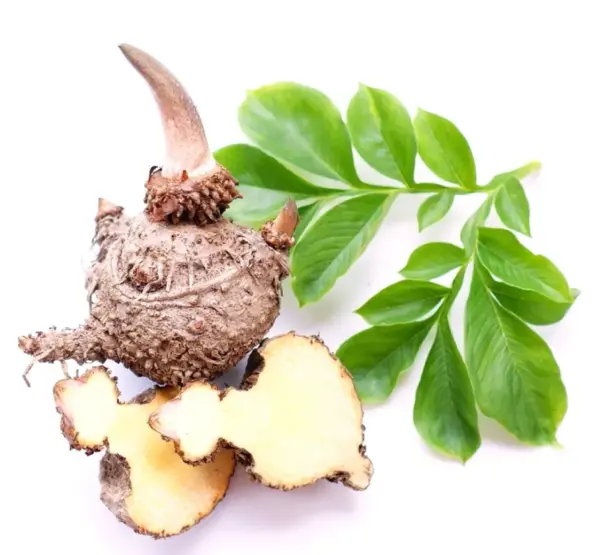
Konjac is an herbaceous perennial plant grown in Asian countries. It is originated in Southeast Asia with Latin name as Amorphophallus, or also often known as konjaku, elephant yam, devil’s tongue, snake palm, and voodoo lily. It is known for its starchy corm, a tuber-like part of the stem which grows underground. This part is then processed into glucomannan, a rich source of water-soluble dietary fibre.


Konjac has been used as traditional Japanese and Chinese medicine and as food in the form of noodles or snacks. Products of konjac are considered as one of the top 10 health foods by World Health Organisation⁹⁻¹³. It has been largely consumed for its health benefits on lowering plasma cholesterol, improving carbohydrate metabolism and bowel movements, it is also used as food additive and dietary supplement.

Key indications

Constipation relief

Studies shown that glucomannan may provide relief in constipation through the improvement of probiotic bacteria counts in faeces (colonicecology) after daily supplementation of 1.5g of konjac glucomannan for 21 days. Bowel movement function was increased by 30%¹. The mean defecation frequency and dry faecal mass increased due to the presence of plant and soluble materials from supplementation of konjac glucomannan⁷.

Weight loss

In a randomised placebo-controlled study, adding a glucomannan fiber supplement to a balanced, 1200-calorie diet had significantly induced more weight reduction than the same calorie-controlled diet with a placebo during a 5-week observation period². Glucomannan is believed to prolong gastric emptying time which promotes satiety.

Cardiovascular health

Konjac has been reported to help in lowering total cholesterol, low-density lipoprotein (LDL), and triglycerides³. Another study shown significant improvement in glycaemic level, blood lipid profile and systolic blood pressure with an 8-week treatment of 0.7g konjac daily in high-risk diabetic individuals⁶. It could be used an adjuvant therapy for people with type-II diabetes and high cholesterol.

Inflammatory bowel disease (IBD)

Daily consumption of konjac glucomannan hydrolysates was shown to enhance capacity to bind pathogens and prevent this from binding the gut’s lining, stimulating topical healing, regulating immunity and ability to form systemic immune responses among healthy people with IBD and associated gut conditions. It is function as soluble dietary fibre as well as prebiotic⁸.

Adverse effects⁵

Konjac is generally well-tolerated. However, digestive problems including bloating, diarrhea or loose stools, abdominal pain, flatulence, and nausea may occur, and these are common after taking any high fiber food.

Dosage range⁴

Konjac is normally added to foods as a thickening agent and dietary fiber source. Typical doses used as treatment by adults is ranging from 3g to 4g daily for up to 3 months.


Contraindications/cautions⁴⁻⁵

  • Konjac in the form of candies have a gelatinous structure which is difficult to dissolve in mouth. Obstruction risk is increased and possibly unsafe if taken in konjac tablets, or any form without water for elderly and those have problems in swallowing.
  •  

  • Children and pregnant or breastfeeding mother should avoid taking konjac supplements
  •  

  • Stop taking konjac if you are allergic with konjac
  •  

  • Interaction may occur with these drugs and supplements:
    – Insulin or diabetes medication
    – Konjac may slow sugar absorption
    – Oral drugs
    – Taking konjac with medications may reduce absorption of medicine in the body, spare at least an hour after takin
  • Adverse effects⁵

    Konjac is generally well-tolerated. However, digestive problems including bloating, diarrhea or loose stools, abdominal pain, flatulence, and nausea may occur, and these are common after taking any high fiber food.

    Dosage range⁴

    Konjac is normally added to foods as a thickening agent and dietary fiber source. Typical doses used as treatment by adults is ranging from 3g to 4g daily for up to 3 months.


    Contraindications/cautions⁴⁻⁵

  • Konjac in the form of candies have a gelatinous structure which is difficult to dissolve in mouth. Obstruction risk is increased and possibly unsafe if taken in konjac tablets, or any form without water for elderly and those have problems in swallowing.
  •  

  • Children and pregnant or breastfeeding mother should avoid taking konjac supplements
  •  

  • Stop taking konjac if you are allergic with konjac
  •  

  • Interaction may occur with these drugs and supplements:
    – Insulin or diabetes medication
    – Konjac may slow sugar absorption
    – Oral drugs
    – Taking konjac with medications may reduce absorption of medicine in the body, spare at least an hour after takin
  • References :

    1. Chen, H. L., Cheng, H. C., Wu, W. T., Liu, Y. J., & Liu, S. Y. (2008). Supplementation of konjac glucomannan into a low-fiber Chinese diet promoted bowel movement and improved colonic ecology in constipated adults: a placebo-controlled, diet-controlled trial. Journal of the American College of Nutrition, 27(1), 102–108. https://doi.org/10.1080/07315724.2008.10719681
    2. Birketvedt, G. S., Shimshi, M., Erling, T., & Florholmen, J. (2005). Experiences with three different fiber supplements in weight reduction. Medical science monitor: international medical journal of experimental and clinical research, 11(1), PI5–PI8.
    3. Nitesh Sood, William L Baker, Craig I Coleman. (2008). Effect of glucomannan on plasma lipid and glucose concentrations, body weight, and blood pressure: systematic review and meta-analysis, The American Journal of Clinical Nutrition, Volume 88, Issue 4, Pages 1167–1175, https://doi.org/10.1093/ajcn/88.4.1167
    4. WebMD LLC. (2022). Glucomannan-uses, side effects, and more. Retrieved from https://www.webmd.com/vitamins/ai/ingredientmono-205/glucomannan
    5. Healthline Media. (2022). What is konjac? Retrieve from https://www.healthline.com/health/konjac
    6. Vuksan, V., Jenkins, D. J., Spadafora, P., Sievenpiper, J. L., Owen, R., Vidgen, E., Brighenti, F., Josse, R., Leiter, L. A., Bruce-Thompson, C. (1999). Konjac-mannan (glucomannan) improves glycemia and other associated risk factors for coronary heart disease in type 2 diabetes. A randomized controlled metabolic trial. Diabetes Care, 22(6), 913–919. doi:10.2337/diacare.22.6.913
    7. Chen, Hsiao-ling & Cheng, Han-Chung & Liu, Yann-Jiu & Liu, Su-Yuan & Wu, Wen-Tze. (2006). Konjac acts as a natural laxative by increasing stool bulk and improving colonic ecology in healthy adults. Nutrition (Burbank, Los Angeles County, Calif.). 22. 1112-9. 10.1016/j.nut.2006.08.009.
    8. Suwannaporn, P., Thepwong, K., Tester, R.F., Al-Ghazzewi, F.H., Piggott, J.R., Shen, N., Chen, Z., Chen, F., Yang, J., Zhang, D., & Tang, M. (2013). Tolerance and nutritional therapy of dietary fibre from konjac glucomannan hydrolysates for patients with inflammatory bowel disease (IBD). Bioactive Carbohydrates and Dietary Fibre, 2, 93-98.
    9. Takigami, S., Takiguchi, T., Phillips, G.O. (1997). Microscopical studies of the tissue structure of konjac tubers. Food Hydrocolloids, 11,479-484.
    10. Dave, V., McCarthy, S.P. (1997). Review of Konjac Glucomanan. Journal of Environmental Polymer Degradation, 5, 237-241.
    11. Gao, S. J., Nishinari, K. (2004). Effect of Degree of Acetylation on Gelation of Konjac Glucomannan. Biomacromolecules, 5, 175-185.
    12. Al-Ghazzewi, F.H., Khanna, S., Tester, R.F., Piggott, J. (2007). The potential use of hydrolysed konjac glucomannan as a prebiotic Journal of the Science of Food and Agriculture, 87, 1758-1766.
    13. Chua, M., Baldwin, T.C., Hocking, T.J., Chan, K. (2010). Traditional uses and potential health benefits of Amorphophallus konjac K. Koch ex N.E.Br. Journal of Ethnopharmacology, 128, 268-278

    References :

    1. Chen, H. L., Cheng, H. C., Wu, W. T., Liu, Y. J., & Liu, S. Y. (2008). Supplementation of konjac glucomannan into a low-fiber Chinese diet promoted bowel movement and improved colonic ecology in constipated adults: a placebo-controlled, diet-controlled trial. Journal of the American College of Nutrition, 27(1), 102–108. https://doi.org/10.1080/07315724.2008.10719681
    2. Birketvedt, G. S., Shimshi, M., Erling, T., & Florholmen, J. (2005). Experiences with three different fiber supplements in weight reduction. Medical science monitor: international medical journal of experimental and clinical research, 11(1), PI5–PI8.
    3. Nitesh Sood, William L Baker, Craig I Coleman. (2008). Effect of glucomannan on plasma lipid and glucose concentrations, body weight, and blood pressure: systematic review and meta-analysis, The American Journal of Clinical Nutrition, Volume 88, Issue 4, Pages 1167–1175, https://doi.org/10.1093/ajcn/88.4.1167
    4. WebMD LLC. (2022). Glucomannan-uses, side effects, and more. Retrieved from https://www.webmd.com/vitamins/ai/ingredientmono-205/glucomannan
    5. Healthline Media. (2022). What is konjac? Retrieve from https://www.healthline.com/health/konjac
    6. Vuksan, V., Jenkins, D. J., Spadafora, P., Sievenpiper, J. L., Owen, R., Vidgen, E., Brighenti, F., Josse, R., Leiter, L. A., Bruce-Thompson, C. (1999). Konjac-mannan (glucomannan) improves glycemia and other associated risk factors for coronary heart disease in type 2 diabetes. A randomized controlled metabolic trial. Diabetes Care, 22(6), 913–919. doi:10.2337/diacare.22.6.913
    7. Chen, Hsiao-ling & Cheng, Han-Chung & Liu, Yann-Jiu & Liu, Su-Yuan & Wu, Wen-Tze. (2006). Konjac acts as a natural laxative by increasing stool bulk and improving colonic ecology in healthy adults. Nutrition (Burbank, Los Angeles County, Calif.). 22. 1112-9. 10.1016/j.nut.2006.08.009.
    8. Suwannaporn, P., Thepwong, K., Tester, R.F., Al-Ghazzewi, F.H., Piggott, J.R., Shen, N., Chen, Z., Chen, F., Yang, J., Zhang, D., & Tang, M. (2013). Tolerance and nutritional therapy of dietary fibre from konjac glucomannan hydrolysates for patients with inflammatory bowel disease (IBD). Bioactive Carbohydrates and Dietary Fibre, 2, 93-98.
    9. Takigami, S., Takiguchi, T., Phillips, G.O. (1997). Microscopical studies of the tissue structure of konjac tubers. Food Hydrocolloids, 11,479-484.
    10. Dave, V., McCarthy, S.P. (1997). Review of Konjac Glucomanan. Journal of Environmental Polymer Degradation, 5, 237-241.
    11. Gao, S. J., Nishinari, K. (2004). Effect of Degree of Acetylation on Gelation of Konjac Glucomannan. Biomacromolecules, 5, 175-185.
    12. Al-Ghazzewi, F.H., Khanna, S., Tester, R.F., Piggott, J. (2007). The potential use of hydrolysed konjac glucomannan as a prebiotic Journal of the Science of Food and Agriculture, 87, 1758-1766.
    13. Chua, M., Baldwin, T.C., Hocking, T.J., Chan, K. (2010). Traditional uses and potential health benefits of Amorphophallus konjac K. Koch ex N.E.Br. Journal of Ethnopharmacology, 128, 268-278

    The material is prepared for informational purposes only and should not be construed as a piece of personal medical advice. Owing to each person’s varying health needs, a physician should be consulted before acting on any information provided in this material. Although every effort is made to ensure that this material is accurate, it is compiled for internal use only and should not be considered definitive. Neither VitaHealth nor its employees, or information providers shall be responsible or liable for any errors, inaccuracies, or other defects in the information contained in this publication.

    You might also be interested in

    Saw Palmetto

    Saw palmetto (Serenoa repens) is a shrub-like palm native to the southeast coast of the United States. It grows to a height of 6 to

    READ MORE

    Licorice Root Extract

    Licorice root extract or scientifically known as Glycyrrhiza glabra has a long history of use for treating digestive discomforts1. Licorice is a native herb to

    READ MORE

    Royal Jelly

    Royal jelly is a yellowish-white acidic secretion from the hypopharyngeal and mandibular glands of worker honey bees.¹ It is used as a food for young

    READ MORE
    My Cart
    Close Wishlist
    Close Recently Viewed
    Categories