Ingredients A-Z

Ziziphus Jujuba

Overview

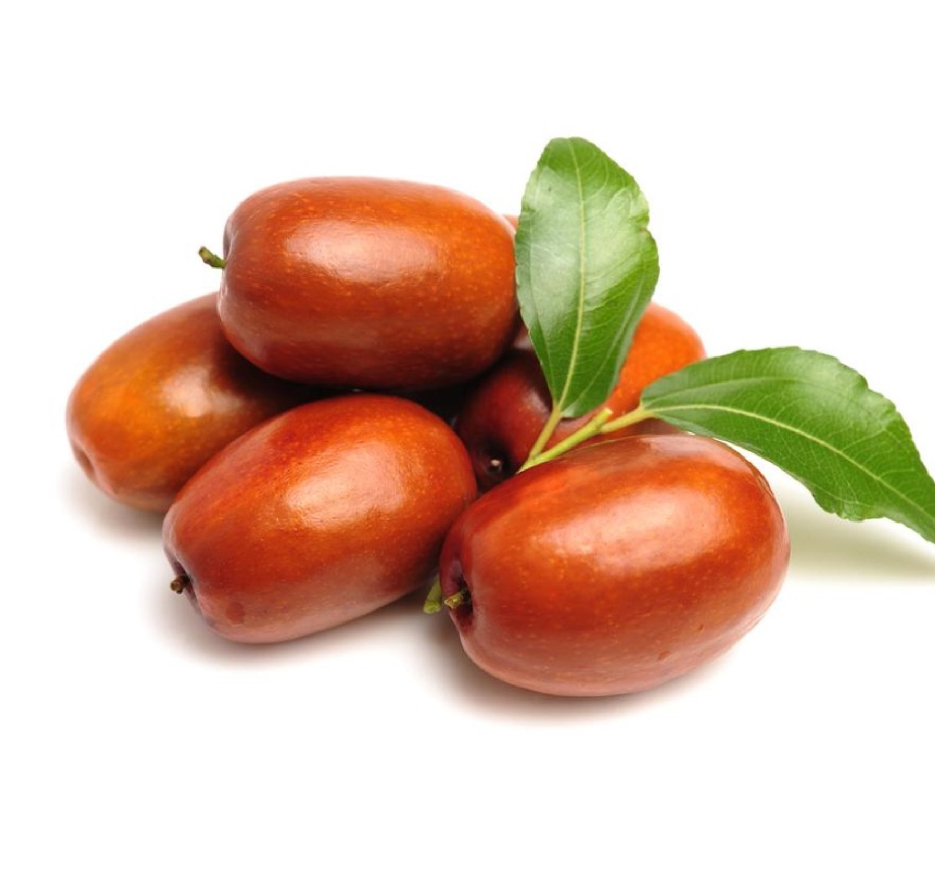
Ziziphus jujuba is the scientific name for jujube or jujuba. It’s more commonly known as a red date, Chinese date, or Chinese Jujube. Ziziphus jujuba is a wood plant belonging to the family Rhamnaceae. It has an edible fruit that is like a date. It’s also sweet and fibre-rich, the jujube fruit is packed with nutritional value and is a good source of vitamins A and C, B vitamins, and minerals including iron, phosphorus, calcium, and healthy fatty acids.

 

The seed of Ziziphus jujuba has been traditionally used in Chinese medicine for its sedative and hypnotic properties to treat insomnia and anxiety. It was first recorded in the earliest book of medica in China, which appeared more than 2,500 years ago. In this book, it is described as often used as a principal drug. It was also tested to possess hypotensive, anti-hypoxia, antihyperlipidemic, hypothermic and anxiolytic effects¹.


Key indications

Insomnia

Ziziphus Jujuba is one of the most used single herbs in Chinese Herbal Medicine (CHM) to treat insomnia. One of the strongest benefits of jujube is its ability to calm the mind, quiet neural activity, and help induce and sustain sleep. Studies show its ability to extend sleep time. Both flavonoids and saponins bioactive compounds found in Ziziphus jujuba have also been shown to increase sleep time.


For many people, sleep problems and anxiety go together. The same bioactive compounds in Ziziphus jujuba that help to improve sleep can also relieve anxiety with or without a sleep problem. It is suggested that Ziziphus jujuba can act on receptor binding sites of several central neurotransmitters including GABA, and serotonin, two important neurotransmitters for mood and relaxation, and are sources of the plant’s anxiolytic powers².

Adverse effects

  • Ziziphus fruit extract is generally well tolerated.
  •  

  • It has been reported to cause mild diarrhoea in some patients³.
  • Dosage range

    There is currently no established effective dose of Ziziphus Jujube supplements. However, the dosage for dried fruit could range from 5 grams up to 30 grams daily for 12 weeks⁴.

    Contraindications/cautions

  • Ziziphus jujube may have sedative effects and using it at the same time as sedative medications may enhance therapeutic and adverse effects.
  •  

  • Insufficient reliable information is available for pregnancy and lactation.
  • Adverse effects

  • Ziziphus fruit extract is generally well tolerated.
  •  

  • It has been reported to cause mild diarrhoea in some patients³.
  • Dosage range

    There is currently no established effective dose of Ziziphus Jujube supplements. However, the dosage for dried fruit could range from 5 grams up to 30 grams daily for 12 weeks⁴.

    Contraindications/cautions

  • Ziziphus jujube may have sedative effects and using it at the same time as sedative medications may enhance therapeutic and adverse effects.
  •  

  • Insufficient reliable information is available for pregnancy and lactation.
  • References :

    1. Jiang, J. G., Huang, X. J., Chen, J., & Lin, Q. S. (2007). Comparison of the sedative and hypnotic effects of flavonoids, saponins, and polysaccharides extracted from Semen Ziziphus jujube. Natural product research, 21(4), 310–320. https://doi.org/10.1080/14786410701192827
    2. Yeung, W. F., Chung, K. F., Poon, M. M., Ho, F. Y., Zhang, S. P., Zhang, Z. J., Ziea, E. T., & Wong, V. T. (2012). Chinese herbal medicine for insomnia: a systematic review of randomized controlled trials. Sleep medicine reviews, 16(6), 497–507. https://doi.org/10.1016/j.smrv.2011.12.005
    3. Ebrahimimd, S., Ashkani-Esfahani, S., & Poormahmudibs, A. (2011). Investigating the efficacy of zizyphus jujuba on neonatal jaundice. Iranian journal of pediatrics, 21(3), 320–324.
    4. Irannejad Niri, Z., Shidfar, F., Jabbari, M., Zarrati, M., Hosseini, A., Malek, M., & Dehnad, A. (2021). The effect of dried Ziziphus vulgaris on glycemic control, lipid profile, Apo-proteins and hs-CRP in patients with type 2 diabetes mellitus: A randomized controlled clinical trial. Journal of food biochemistry, 45(3), e13193. https://doi.org/10.1111/jfbc.13193

    References :

    1. Jiang, J. G., Huang, X. J., Chen, J., & Lin, Q. S. (2007). Comparison of the sedative and hypnotic effects of flavonoids, saponins, and polysaccharides extracted from Semen Ziziphus jujube. Natural product research, 21(4), 310–320. https://doi.org/10.1080/14786410701192827
    2. Yeung, W. F., Chung, K. F., Poon, M. M., Ho, F. Y., Zhang, S. P., Zhang, Z. J., Ziea, E. T., & Wong, V. T. (2012). Chinese herbal medicine for insomnia: a systematic review of randomized controlled trials. Sleep medicine reviews, 16(6), 497–507. https://doi.org/10.1016/j.smrv.2011.12.005
    3. Ebrahimimd, S., Ashkani-Esfahani, S., & Poormahmudibs, A. (2011). Investigating the efficacy of zizyphus jujuba on neonatal jaundice. Iranian journal of pediatrics, 21(3), 320–324.
    4. Irannejad Niri, Z., Shidfar, F., Jabbari, M., Zarrati, M., Hosseini, A., Malek, M., & Dehnad, A. (2021). The effect of dried Ziziphus vulgaris on glycemic control, lipid profile, Apo-proteins and hs-CRP in patients with type 2 diabetes mellitus: A randomized controlled clinical trial. Journal of food biochemistry, 45(3), e13193. https://doi.org/10.1111/jfbc.13193

    The material is prepared for informational purposes only and should not be construed as a piece of personal medical advice. Owing to each person’s varying health needs, a physician should be consulted before acting on any information provided in this material. Although every effort is made to ensure that this material is accurate, it is compiled for internal use only and should not be considered definitive. Neither VitaHealth nor its employees, or information providers shall be responsible or liable for any errors, inaccuracies, or other defects in the information contained in this publication.

    You might also be interested in

    Ziziphus Jujuba

    Ziziphus jujuba is the scientific name for jujube or jujuba. It’s more commonly known as a red date, Chinese date, or Chinese Jujube. Ziziphus jujuba

    READ MORE

    Zinc

    Zinc is an essential micronutrient for the proper functioning of several processes in the human body. It is the second most abundant trace element in

    READ MORE

    Zeaxanthin

    Zeaxanthin is a yellow pigment that predominantly accumulates in the retina of the eyes and naturally occurred in plants such as marigold flower. The concentration

    READ MORE
    My Cart
    Close Wishlist
    Close Recently Viewed
    Categories