Ingredients A-Z

Zeaxanthin

Overview

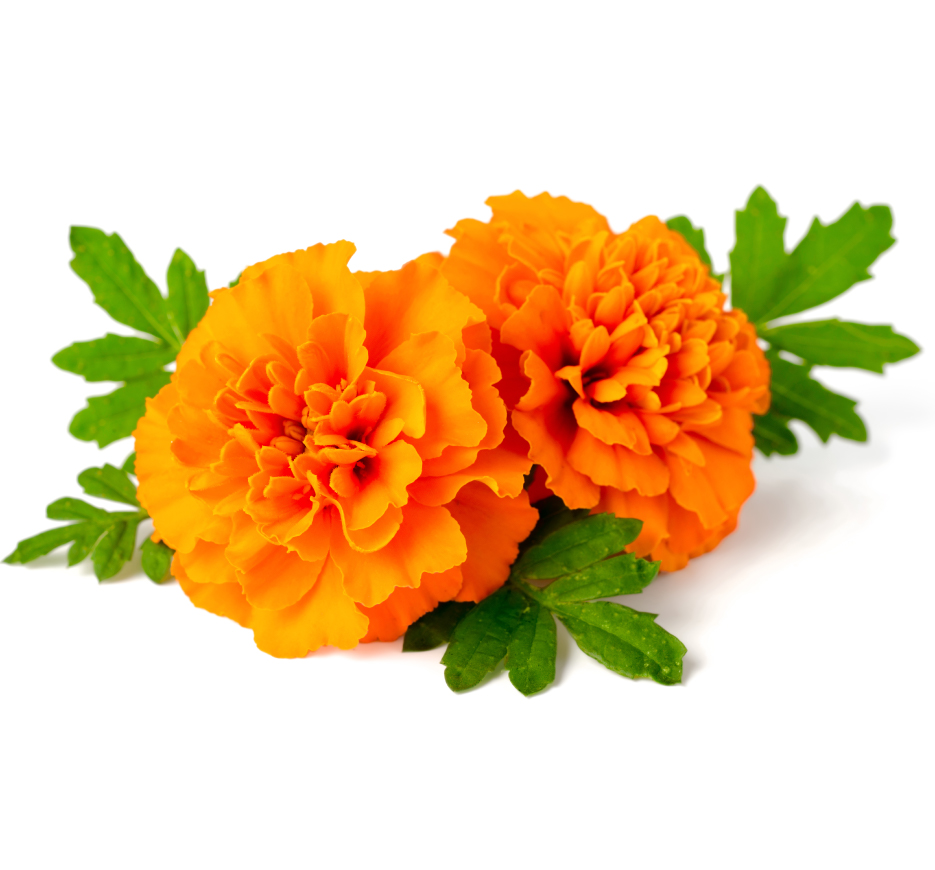
Zeaxanthin is a yellow pigment that predominantly accumulates in the retina of the eyes and naturally occurred in plants such as marigold flower. The concentration of lutein and zeaxanthin in the eye is approximately 1,000-fold higher than in other tissues. Zeaxanthin is well known for its eye care benefits. It functions as blue light filter to reduce photo-oxidative damage towards the eyes. Meanwhile, it also helps reduce light scatter and chromatic aberration effect on visual performance².


Zeaxanthin has three stereoisomers form, zeaxanthin (3R,3’R), zeaxanthin-(3S, 3’S) and meso-zeaxanthin (3R,3’S). Meso-zeaxanthin is absent from dietary sources which only can be found in ocular tissues. Another form of zeaxanthin needs to be obtained from dietary sources as human body is unable to synthesise it. Dietary sources of zeaxanthin included egg yolk, goji berries, yellow pepper, sweetcorn and tangerine. The concentration of zeaxanthin in the human body declines due to several factors such as ageing, cigarette smoking, and unhealthy diet.


Key indications

Age-related macular degeneration (AMD)

Zeaxanthin possesses antioxidant properties to scavenge reactive oxygen radicals and suppress lipid peroxidation which contributes to the reduction in risk of AMD. Moreover, zeaxanthin helps to protect photoreceptors from free radical damage caused by blue light due to orientation within the lipid membrane. A study indicates daily intake of 8mg zeaxanthin improves visual acuity, macular pigment optical density, and resolution of scotoma within 1 year among AMD patients compared to placebo³.

Cataract

Zeaxanthin reduces the risks of age-related cataracts by inhibiting the cumulative oxidation of proteins or lipids within the lens. Studies indicate that every increment of 300μg/day in lutein and zeaxanthin intake is associated with 3% decrease in risk of nuclear cataract⁶.

Cognitive function

Research shows that daily intake of 10mg lutein and 2mg zeaxanthin for 12 months improves complex attention and cognitive flexibility among older adults7. Another study was conducted among the young participants (aged 18-30) with the same dose of lutein and zeaxanthin show improvement in spatial memory, reasoning ability and complex attention⁸.

Skin health

Blue light with the shortest wavelength (400-500nm) penetrates through the entire depth of skin, induce reactive oxygen species and cause free radical damage. Zeaxanthin absorbs blue light and prevent oxidative damage caused by light exposure. Research indicates that females who supplemented with 5mg lutein and 0.3mg zeaxanthin improve skin condition in terms of hydration, elasticity, and photoprotective activity as well as reducing lipid peroxidation compared to placebo¹.

Adverse effects

Zeaxanthin is generally well-tolerated. Daily intake up to 8-10mg of zeaxanthin for 12 weeks are apparently safe for consumption³.

Dosage range

  • Age-related macular degeneration (AMD)
    – 8mg zeaxanthin daily for 12 months³
    – 10mg zeaxanthin daily for 6-12 months⁴
  •  

  • Cataract
    – 10mg lutein and 2mg zeaxanthin for 5 years⁹
  •  

  • Cognitive function
    – 10mg lutein and 2mg zeaxanthin for 12months⁷
  •  

  • Skin health
    – 5mg lutein and 0.3mg zeaxanthin twice daily for 12 weeks¹
    – 10mg lutein and 2mg zeaxanthin isomer (zeaxanthin and meso-zeaxanthin) for 12 weeks⁵

  • Contraindications/cautions

    Potential interaction with drugs included:


  • Antidiabetes drugs
    May increase the risk of hypoglycemia
  • Adverse effects

    Zeaxanthin is generally well-tolerated. Daily intake up to 8-10mg of zeaxanthin for 12 weeks are apparently safe for consumption³.

    Dosage range

  • Age-related macular degeneration (AMD)
    – 8mg zeaxanthin daily for 12 months³
    – 10mg zeaxanthin daily for 6-12 months⁴
  •  

  • Cataract
    – 10mg lutein and 2mg zeaxanthin for 5 years⁹
  •  

  • Cognitive function
    – 10mg lutein and 2mg zeaxanthin for 12months⁷
  •  

  • Skin health
    – 5mg lutein and 0.3mg zeaxanthin twice daily for 12 weeks¹
    – 10mg lutein and 2mg zeaxanthin isomer (zeaxanthin and meso-zeaxanthin) for 12 weeks⁵

  • Contraindications/cautions

    Potential interaction with drugs included:


  • Antidiabetes drugs
    May increase the risk of hypoglycemia
  • References :

    1. Palombo P., Fabrizi G.& Ruocco V., et al. (2007). Beneficial Long-Term Effects of Combined Oral/Topical Antioxidant Treatment with the Carotenoids Lutein and Zeaxanthin on Human Skin: A Double-Blind, Placebo-Controlled Study. Skin Pharmacology and Physiol. 20:199–210. https://doi.org/10.1159/000101807.
    2. Mozaffarieh, M., Sacu, S. & Wedrich, A. (2003). The role of the carotenoids, lutein and zeaxanthin, in protecting against age-related macular degeneration: A review based on controversial evidence. Nutrition Journal 2, 20. https://doi.org/10.1186/1475-2891-2-20
    3. Richer, S. P., Stiles, W., Graham-Hoffman, K. et al. (2011). Randomized, double-blind, placebo-controlled study of zeaxanthin and visual function in patients with atrophic age-related macular degeneration: The Zeaxanthin and Visual Function Study (ZVF) FDA IND #78, 973. Optometry – Journal of the American, 82(11):667-680. https://doi.org/10.1016/j.optm.2011.08.008
    4. Schalch, W., Cohn, W., Barker, F. M., et al. (2007). Xanthophyll accumulation in the human retina during supplementation with lutein or zeaxanthin – the LUXEA (LUtein Xanthophyll Eye Accumulation) study. Archives of biochemistry and biophysics, 458(2), 128–135. https://doi.org/10.1016/j.abb.2006.09.032
    5. Juturu, V., Bowman, J. P. & Deshpande, J. (2016). Overall skin tone and skin-lightening-improving effects with oral supplementation of lutein and zeaxanthin isomers: a double-blind, placebo-controlled clinical trial. Clinical, Cosmetic, Investigational Dermatology, 9:325-332. https://doi.org/10.2147/CCID.S115519
    6. Ma, L., Hao Z. X., Liu, R.R., Yu, R.B., et al. (2014). A dose-response meta-analysis of dietary lutein and zeaxanthin intake in relation to risk of age-related cataract. Graefes Arch Clin Exp Ophthalmol, 252(1):63-70. https://doi.org/10.1007/s00417-013-2492-3
    7. Hammond, Jr. B.R., Miller, L.S., Bello, M.O., et al. (2017). Effects of Lutein/Zeaxanthin Supplementation on the Cognitive Function of Community Dwelling Older Adults: A Randomized, Double-Masked, Placebo-Controlled Trial. Front Aging Neurosci, 9:254. https://doi.org/10.3389/fnagi.2017.00254
    8. Renzi-Hammond, L.S., Bovier, E. R., Fletcher, L. M., et al. (2017). Effects of a Lutein and Zeaxanthin Intervention on Cognitive Function: A Randomized, Double-Masked, Placebo-Controlled Trial of Younger Healthy Adults. Nutrients, 9(11): 1246. https://doi.org/10.3390/nu9111246
    9. Chew, E. Y., SanGiovanni, J.P., Ferris, F.L., et al. (2013). Lutein/zeaxanthin for the treatment of age-related cataract: AREDS2 randomized trial report no. 4. JAMA Ophthalmol, 131(7): 843-850. https://doi.org/10.1001/jamaophthalmol.2013.4412.

    References :

    1. Palombo P., Fabrizi G.& Ruocco V., et al. (2007). Beneficial Long-Term Effects of Combined Oral/Topical Antioxidant Treatment with the Carotenoids Lutein and Zeaxanthin on Human Skin: A Double-Blind, Placebo-Controlled Study. Skin Pharmacology and Physiol. 20:199–210. https://doi.org/10.1159/000101807.
    2. Mozaffarieh, M., Sacu, S. & Wedrich, A. (2003). The role of the carotenoids, lutein and zeaxanthin, in protecting against age-related macular degeneration: A review based on controversial evidence. Nutrition Journal 2, 20. https://doi.org/10.1186/1475-2891-2-20
    3. Richer, S. P., Stiles, W., Graham-Hoffman, K. et al. (2011). Randomized, double-blind, placebo-controlled study of zeaxanthin and visual function in patients with atrophic age-related macular degeneration: The Zeaxanthin and Visual Function Study (ZVF) FDA IND #78, 973. Optometry – Journal of the American, 82(11):667-680. https://doi.org/10.1016/j.optm.2011.08.008
    4. Schalch, W., Cohn, W., Barker, F. M., et al. (2007). Xanthophyll accumulation in the human retina during supplementation with lutein or zeaxanthin – the LUXEA (LUtein Xanthophyll Eye Accumulation) study. Archives of biochemistry and biophysics, 458(2), 128–135. https://doi.org/10.1016/j.abb.2006.09.032
    5. Juturu, V., Bowman, J. P. & Deshpande, J. (2016). Overall skin tone and skin-lightening-improving effects with oral supplementation of lutein and zeaxanthin isomers: a double-blind, placebo-controlled clinical trial. Clinical, Cosmetic, Investigational Dermatology, 9:325-332. https://doi.org/10.2147/CCID.S115519
    6. Ma, L., Hao Z. X., Liu, R.R., Yu, R.B., et al. (2014). A dose-response meta-analysis of dietary lutein and zeaxanthin intake in relation to risk of age-related cataract. Graefes Arch Clin Exp Ophthalmol, 252(1):63-70. https://doi.org/10.1007/s00417-013-2492-3
    7. Hammond, Jr. B.R., Miller, L.S., Bello, M.O., et al. (2017). Effects of Lutein/Zeaxanthin Supplementation on the Cognitive Function of Community Dwelling Older Adults: A Randomized, Double-Masked, Placebo-Controlled Trial. Front Aging Neurosci, 9:254. https://doi.org/10.3389/fnagi.2017.00254
    8. Renzi-Hammond, L.S., Bovier, E. R., Fletcher, L. M., et al. (2017). Effects of a Lutein and Zeaxanthin Intervention on Cognitive Function: A Randomized, Double-Masked, Placebo-Controlled Trial of Younger Healthy Adults. Nutrients, 9(11): 1246. https://doi.org/10.3390/nu9111246
    9. Chew, E. Y., SanGiovanni, J.P., Ferris, F.L., et al. (2013). Lutein/zeaxanthin for the treatment of age-related cataract: AREDS2 randomized trial report no. 4. JAMA Ophthalmol, 131(7): 843-850. https://doi.org/10.1001/jamaophthalmol.2013.4412.

    The material is prepared for informational purposes only and should not be construed as a piece of personal medical advice. Owing to each person’s varying health needs, a physician should be consulted before acting on any information provided in this material. Although every effort is made to ensure that this material is accurate, it is compiled for internal use only and should not be considered definitive. Neither VitaHealth nor its employees, or information providers shall be responsible or liable for any errors, inaccuracies, or other defects in the information contained in this publication.

    You might also be interested in

    Ziziphus Jujuba

    Ziziphus jujuba is the scientific name for jujube or jujuba. It’s more commonly known as a red date, Chinese date, or Chinese Jujube. Ziziphus jujuba

    READ MORE

    Zinc

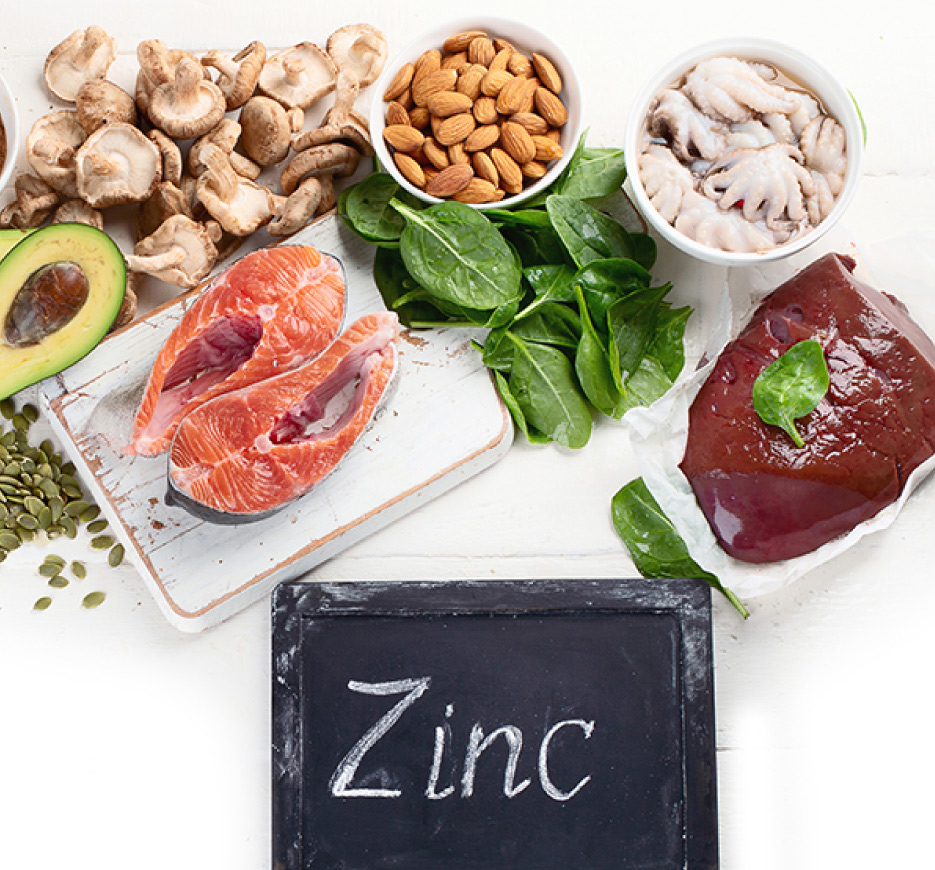
    Zinc is an essential micronutrient for the proper functioning of several processes in the human body. It is the second most abundant trace element in

    READ MORE

    Zeaxanthin

    Zeaxanthin is a yellow pigment that predominantly accumulates in the retina of the eyes and naturally occurred in plants such as marigold flower. The concentration

    READ MORE
    My Cart
    Close Wishlist
    Close Recently Viewed
    Categories