Ingredients A-Z

Vitamin K2

Overview

Vitamin K was first discovered in the early 1930’s by Danish biochemist Henrik Dam. It is a fat-soluble vitamin that plays an important role in blood coagulation where “K” stands for “koagulation” in German.

 

There are several types of vitamin K, including K₁, K₂, K₃, K₄, and K₅. The two main types of vitamin K are vitamin K₁ (phylloquinone) and vitamin K₂ (menaquinone). Vitamin K₁ is involved in prothrombin synthesis which helps to promote blood coagulation. It can be obtained from leafy green vegetables such as spinach, lettuce, and broccoli.


Meanwhile, vitamin K₂ is important in calcium metabolism which helps to maintain bone and heart health. It consists of two main chemical variants called MK-4 and MK-7. The dietary source of MK-4 is mainly from animal proteins such as eggs yolks, lard and butter while MK-7 is mainly from bacteria-fermented foods such as natto and cheese.

Key indications

Arterial calcification

Vitamin K₂ activates matrix GLA protein (MGP), a calcification inhibitor that suppresses the accumulation of calcium on the vessel wall. This helps to prevent cardiovascular disease caused by the thickening of vessel wall via calcified plaques. Research indicates that death caused by cardiovascular issues related to arterial calcification reduce 50% after daily intake of at least 32mg Vitamin K₂ among people over 55 years¹,⁷.

Osteoporosis

Vitamin K₂ plays an important role in promoting bone mineralisation by activating osteocalcin synthesis by osteoblast. Activated osteocalcin will bind calcium into the bone matrix which improves skeleton strength and less susceptible to fracture². Besides, vitamin K₂ also protects osteoblasts from apoptosis which leads
to reduction in cortical porosity³. Studies indicate that daily intake of 1.5mg short-chain menaquinone-4 (MK-4) can improve vertebral bone mineral density in postmenopausal women with osteoporosis⁴.

Brain disorder

Vitamin K₂ involves in brain development by activating growth arrest-specific gene 6 (Gas6) and protein S which works on chemotaxis, mitogenesis, and cell growth. Sphingolipids synthesis by vitamin K₂ is important in the proliferation, differentiation, and survival of brain cells. Vitamin K₂ can protect neural cells from neurotoxic β-amyloid which have the potential to cause Alzheimer’s disease⁵.

Adverse effects

Vitamin K₂ is generally safe to consume and rarely cause serious side effects. The most common adverse effect reported are diarrhoea, nausea, and stomach upset. A daily intake up to 45mg of vitamin K₂ for 2 years has been safely used in clinical trials.

Dosage range

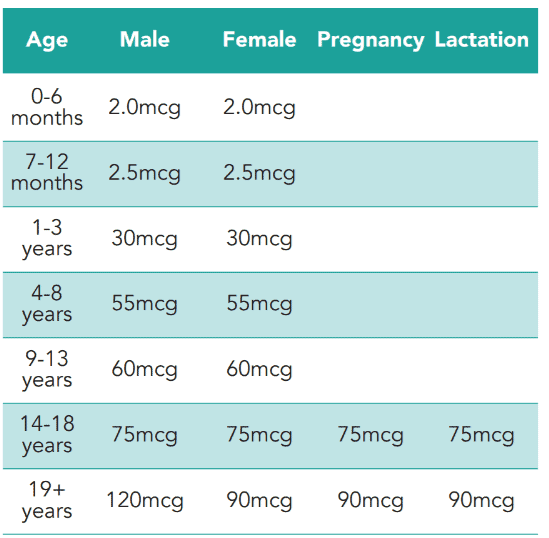
Adequate Intakes (AIs) of Vitamin K⁶:

 

Contraindications/cautions

There is insufficient reliable information about its use in pregnant or breastfeeding mothers or in young
children.


Interaction with drugs when taken in high dose:


  • Warfarin

Potential reduction in anticoagulant effect

Adverse effects

Vitamin K₂ is generally safe to consume and rarely cause serious side effects. The most common adverse effect reported are diarrhoea, nausea, and stomach upset. A daily intake up to 45mg of vitamin K₂ for 2 years has been safely used in clinical trials.

Dosage range

Adequate Intakes (AIs) of Vitamin K⁶:


Contraindications/cautions

There is insufficient reliable information about its use in pregnant or breastfeeding mothers or in young
children.


Interaction with drugs when taken in high dose:


  • Warfarin

Potential reduction in anticoagulant effect

References :

  1. 1Maresz K. (2015). Proper Calcium Use: Vitamin K2 as a Promoter of Bone and Cardiovascular Health. Integrative medicine (Encinitas), 14(1), 34–39. https://www.ncbi.nlm.nih.gov/pmc/articles/PMC4566462/
  2. Jacob, A. (2013). Vitamin K2 — A Little-Known Nutrient Can Make a Big Difference in Heart and Bone Health. Retrieved from: https://www.todaysdietitian.com/newarchives/060113p54.shtml
  3. Mynei, V.D. & Mezey, E. (2016). Regulation of bone remodelling by vitamin K2. Oral Diseases, 23(8), 1021-1028. https://doi.org/10.1111/odi.12624 https://onlinelibrary.wiley.com/doi/full/10.1111/odi.12624
  4. Huang, Z. B., Wan, S. L., Lu, Y. J., Ning, L., Liu, C., & Fan, S. W. (2015). Does vitamin K2 play a role in the prevention and treatment of osteoporosis for postmenopausal women: a meta-analysis of randomized controlled trials. Osteoporosis International, 26(3), 1175–1186. https://doi.org/10.1007/s00198-014-2989-6
  5. Vos, M., Esposito, G., Edirisinghe, J. N., Vilain, S., Haddad, D. M. & Slabbaert, J. R., et al. (2012). Vitamin K2 is a mitochondrial electron carrier that rescues pink1 deficiency. Science, 336(6086), 1306–1310. https://doi.org/10.1126/science.1218632
    https://www.ncbi.nlm.nih.gov/pmc/articles/PMC8483258/#ref15
  6. Institute of Medicine. (2001). Dietary reference intakes for vitamin A, vitamin K, arsenic, boron, chromium, copper, iodine, iron, manganese, molybdenum, nickel, silicon, vanadium, and zinc. National Academy Press. DC, Washington. https://ods.od.nih.gov/factsheets/vitamink-healthprofessional/#h2
  7. Geleijnse, J.M., Vermeer, C. & Grobbee, D. E., et al. (2004). Dietary intake of menaquinone is associated with a reduced risk of coronary heart disease: the Rotterdam Study. J Nutr.134(11):3100–3105.
  8. Knapen, M. H. J., Drummen, N. E., Smit, Vermeer, C. & Theuwissen, E. (2013). Three-year low-dose menaquinone-7 supplementation helps decrease bone loss in healthy postmenopausal women. Osteoporos Int 24, 2499–2507. https://doi.org/10.1007/s00198-013-2325-6

References :

  1. 1Maresz K. (2015). Proper Calcium Use: Vitamin K2 as a Promoter of Bone and Cardiovascular Health. Integrative medicine (Encinitas), 14(1), 34–39. https://www.ncbi.nlm.nih.gov/pmc/articles/PMC4566462/
  2. Jacob, A. (2013). Vitamin K2 — A Little-Known Nutrient Can Make a Big Difference in Heart and Bone Health. Retrieved from: https://www.todaysdietitian.com/newarchives/060113p54.shtml
  3. Mynei, V.D. & Mezey, E. (2016). Regulation of bone remodelling by vitamin K2. Oral Diseases, 23(8), 1021-1028. https://doi.org/10.1111/odi.12624 https://onlinelibrary.wiley.com/doi/full/10.1111/odi.12624
  4. Huang, Z. B., Wan, S. L., Lu, Y. J., Ning, L., Liu, C., & Fan, S. W. (2015). Does vitamin K2 play a role in the prevention and treatment of osteoporosis for postmenopausal women: a meta-analysis of randomized controlled trials. Osteoporosis International, 26(3), 1175–1186. https://doi.org/10.1007/s00198-014-2989-6
  5. Vos, M., Esposito, G., Edirisinghe, J. N., Vilain, S., Haddad, D. M. & Slabbaert, J. R., et al. (2012). Vitamin K2 is a mitochondrial electron carrier that rescues pink1 deficiency. Science, 336(6086), 1306–1310. https://doi.org/10.1126/science.1218632
    https://www.ncbi.nlm.nih.gov/pmc/articles/PMC8483258/#ref15
  6. Institute of Medicine. (2001). Dietary reference intakes for vitamin A, vitamin K, arsenic, boron, chromium, copper, iodine, iron, manganese, molybdenum, nickel, silicon, vanadium, and zinc. National Academy Press. DC, Washington. https://ods.od.nih.gov/factsheets/vitamink-healthprofessional/#h2
  7. Geleijnse, J.M., Vermeer, C. & Grobbee, D. E., et al. (2004). Dietary intake of menaquinone is associated with a reduced risk of coronary heart disease: the Rotterdam Study. J Nutr.134(11):3100–3105.
  8. Knapen, M. H. J., Drummen, N. E., Smit, Vermeer, C. & Theuwissen, E. (2013). Three-year low-dose menaquinone-7 supplementation helps decrease bone loss in healthy postmenopausal women. Osteoporos Int 24, 2499–2507. https://doi.org/10.1007/s00198-013-2325-6

The material is prepared for informational purposes only and should not be construed as a piece of personal medical advice. Owing to each person’s varying health needs, a physician should be consulted before acting on any information provided in this material. Although every effort is made to ensure that this material is accurate, it is compiled for internal use only and should not be considered definitive. Neither VitaHealth nor its employees, or information providers shall be responsible or liable for any errors, inaccuracies, or other defects in the information contained in this publication.

You might also be interested in

Vitamin K2

Vitamin K was first discovered in the early 1930’s by Danish biochemist Henrik Dam. It is a fat-soluble vitamin that plays an important role in

READ MORE

Vitamin E

Vitamin E is an essential fat-soluble vitamin first discovered by Evans and Bishop in 1922 through the finding of a particular “antisterility factor X” that

READ MORE

Vitamin D

Vitamin D is an oil-soluble vitamin essential to maintain bone health and immune system. It is also known as sunshine vitamin that can be produced

READ MORE
My Cart
Close Wishlist
Close Recently Viewed
Categories