Ingredients A-Z

Vitamin E

Overview

Vitamin E is an essential fat-soluble vitamin first discovered by Evans and Bishop in 1922 through the finding of a particular “antisterility factor X” that was necessary for reproduction1. It was named tocopherol due to its significant effects on fertility, based on the Greek words toc and phero, which mean “child” and “to bring forth,” respectively. Vitamin E exists as two distinct chemical analogues, tocopherols and tocotrienols. Tocopherols are saturated vitamin E derivatives, while tocotrienols are unsaturated vitamin E derivatives that possess an isoprenoid side chain. Both analogues are further subcategorized into alpha, beta, delta and gamma forms that slightly differ in molecular structure.


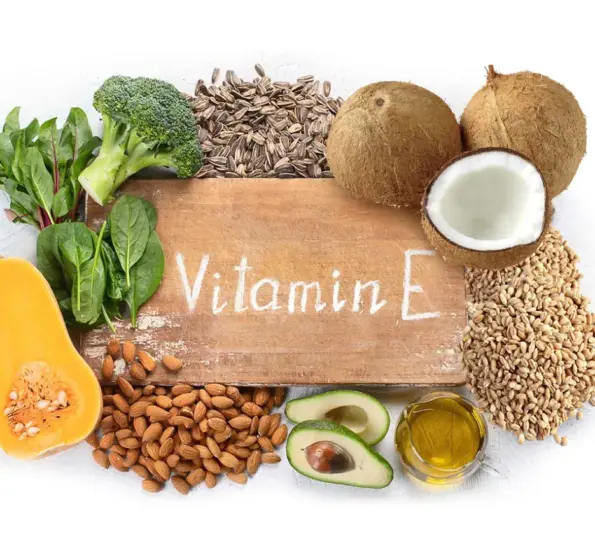
Alpha-tocopherol is the most naturally abundant and biologically active form of vitamin E in the body and is also considered the only form necessary to meet human dietary needs. Dietary sources of vitamin E include wheat, rice bran, barley, oat, coconut, palm, nuts, seeds and cereals. The major function of vitamin E is to act as a chain-breaking antioxidant that prevents the formation of free radicals. Vitamin E’s therapeutic benefits have primarily been attributed to its antioxidant effects.


Key indications

Cardiovascular health

Cardiovascular complications mainly arise due to the oxidation of low-density lipoproteins present in the body and the consequent inflammation. It is demonstrated that vitamin E increases oxidative resistance, reduces circulating oxidized LDL and prevents atherosclerotic plaque formation⁴. Clinical study showed that alpha-tocopherol treatment (daily intake of alpha-tocopherol capsules containing 800IU for 1 year) significantly decreased the risk of nonfatal myocardial infarction in patients with pre-existing ischemic heart disease⁵.

Vision health

Age-related macular degeneration (AMD) and cataracts are the leading cause of vision loss among the elderly due to the accumulation of oxidative stress. It was found that vitamin E helps reduce free radical damage to the retina or macular region of the eye. Prospective cohort studies have found that people with relatively high dietary intakes of vitamin E (20 mg/day) have an approximately 20% lower risk of developing AMD than people with low intakes (<10 mg/day)⁹.

Reproductive health

In the female reproductive system, vitamin E helps to prevent high concentrations of reactive oxygen species conditions which can bring negative effects on the fertilization of oocytes and cause inhibition of embryonic implantation⁶. Apart from that, vitamin E also plays an important role in the male reproductive system by preventing the lipid peroxidation in the sperm membrane during the various motility processes⁷.

Central nervous system

The brain has a high oxygen consumption rate and abundant polyunsaturated fatty acids in the neuronal cell membranes. Researchers hypothesize that cumulative free-radical damage to neurons over time contributes to cognitive decline and neurodegenerative diseases, such as Alzheimer’s disease. Meanwhile, vitamin E helps to block hydrogen peroxide production, slowing the progression of cytotoxicity, resulting in reduced beta-amyloid cell death which contributes to a lower risk of Alzheimer’s disease. A double-blind, placebo-controlled clinical trial indicates that a daily intake of 2000IU of alpha-tocopherol helps to slow down functional decline among patients with mild to moderate Alzheimer’s disease.

Adverse effects

In general, vitamin E is orally well-tolerated. Adverse effects are more likely to occur when dose intake is above the tolerable upper intake level (UL) which is 1000mg daily. The most common adverse effects are diarrhoea, flatulence, nausea and heart palpitations.

Dosage range

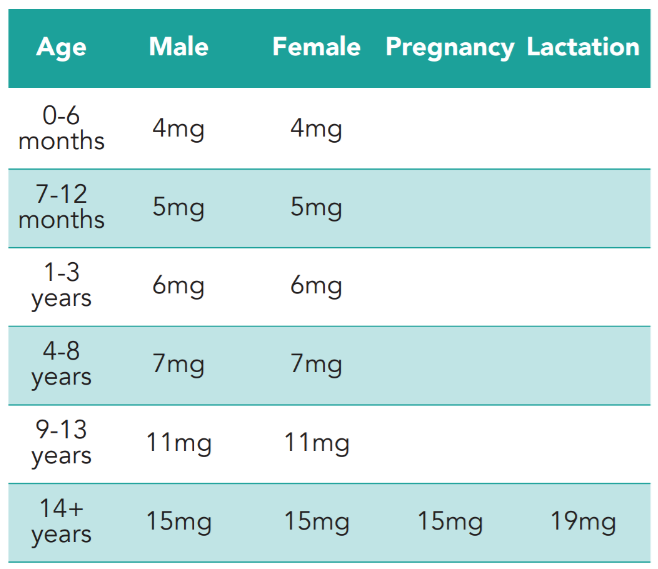
Recommended dietary allowances (RDAs) for vitamin E (alpha-tocopherol)³:


*1mg of alpha-tocopherol is equivalent to 1.49IU of the natural form or 2.22IU of the synthetic form.

Contraindications/cautions

  • Potential drug interactions include:


      – Anticoagulant drugs

    1. May increase the risk of bleeding


      – Antitumor antibiotic

    1. May reduce the effectiveness of this drug


      – Alkylating agents

    1. May reduce the effectiveness of this drug


      – Niacin

    1. May reduce the effectiveness of this drug

Adverse effects

In general, vitamin E is orally well-tolerated. Adverse effects are more likely to occur when dose intake is above the tolerable upper intake level (UL) which is 1000mg daily. The most common adverse effects are diarrhoea, flatulence, nausea and heart palpitations.

Dosage range

Recommended dietary allowances (RDAs) for vitamin E (alpha-tocopherol)³:


*1mg of alpha-tocopherol is equivalent to 1.49IU of the natural form or 2.22IU of the synthetic form.

Contraindications/cautions

  • Potential drug interactions include:


      – Anticoagulant drugs

    1. May increase the risk of bleeding


      – Antitumor antibiotic

    1. May reduce the effectiveness of this drug


      – Alkylating agents

    1. May reduce the effectiveness of this drug


      – Niacin

    1. May reduce the effectiveness of this drug

References :

  1. Rizvi, S., Raza, S. T., Ahmed, F., Ahmad, A., Abbas, S., & Mahdi, F. (2014). The role of vitamin e in human health and some diseases. Sultan Qaboos University medical journal, 14(2), e157–e165.
  2. Braun L, Cohen M. Herbs and Natural supplements. Ebook 4th edition. Chatswood: Elsevier 2015 pp.1049-1070.
  3. Institute of Medicine. (2011). Dietary Reference Intakes for Vitamin E. Washington, DC: The National Academies Press.
  4. Saremi, A. & Arora, R. (2010). Vitamin E and Cardiovascular Disease. American Journal of Therapeutics 17, e56–e65. https://doi.org/10.1097/MJT.0b013e31819cdc9a
  5. Stephens, N. G., Parsons, A., Schofield, P. M., Kelly, F., Cheeseman, K., & Mitchinson, M. J. (1996). Randomised controlled trial of vitamin E in patients with coronary disease: Cambridge Heart Antioxidant Study (CHAOS). Lancet (London, England), 347(9004), 781–786. https://doi.org/10.1016/s0140-6736(96)90866-1
  6. Mohd Mutalip, S. S., Ab-Rahim, S., & Rajikin, M. H. (2018). Vitamin E as an Antioxidant in Female Reproductive Health. Antioxidants (Basel, Switzerland), 7(2), 22. https://doi.org/10.3390/antiox7020022
  7. Zubair, M. (2017). Effects of dietary vitamin E on male reproductive system. Asian Pacific Journal of Reproduction, 6(4): 145-150. https://doi.org/10.12980/apjr.6.20170401
  8. Boccardi, V., Baroni, M. & Mangialasche, F. et al. (2016). Vitamin E family: Role in the pathogenesis and treatment of Alzheimer’s disease. Alzheimer’s & Dementia: Translational Research & Clinical Interventions, 2(3): 182-191. https://doi.org/10.1016/j.trci.2016.08.002
  9. Chong, E. W., Wong, T. Y., Kreis, A. J., Simpson, J. A., & Guymer, R. H. (2007). Dietary antioxidants and primary prevention of age related macular degeneration: systematic review and meta-analysis. BMJ (Clinical research ed.), 335(7623), 755. https://doi.org/10.1136/bmj.39350.500428.47

References :

  1. Rizvi, S., Raza, S. T., Ahmed, F., Ahmad, A., Abbas, S., & Mahdi, F. (2014). The role of vitamin e in human health and some diseases. Sultan Qaboos University medical journal, 14(2), e157–e165.
  2. Braun L, Cohen M. Herbs and Natural supplements. Ebook 4th edition. Chatswood: Elsevier 2015 pp.1049-1070.
  3. Institute of Medicine. (2011). Dietary Reference Intakes for Vitamin E. Washington, DC: The National Academies Press.
  4. Saremi, A. & Arora, R. (2010). Vitamin E and Cardiovascular Disease. American Journal of Therapeutics 17, e56–e65. https://doi.org/10.1097/MJT.0b013e31819cdc9a
  5. Stephens, N. G., Parsons, A., Schofield, P. M., Kelly, F., Cheeseman, K., & Mitchinson, M. J. (1996). Randomised controlled trial of vitamin E in patients with coronary disease: Cambridge Heart Antioxidant Study (CHAOS). Lancet (London, England), 347(9004), 781–786. https://doi.org/10.1016/s0140-6736(96)90866-1
  6. Mohd Mutalip, S. S., Ab-Rahim, S., & Rajikin, M. H. (2018). Vitamin E as an Antioxidant in Female Reproductive Health. Antioxidants (Basel, Switzerland), 7(2), 22. https://doi.org/10.3390/antiox7020022
  7. Zubair, M. (2017). Effects of dietary vitamin E on male reproductive system. Asian Pacific Journal of Reproduction, 6(4): 145-150. https://doi.org/10.12980/apjr.6.20170401
  8. Boccardi, V., Baroni, M. & Mangialasche, F. et al. (2016). Vitamin E family: Role in the pathogenesis and treatment of Alzheimer’s disease. Alzheimer’s & Dementia: Translational Research & Clinical Interventions, 2(3): 182-191. https://doi.org/10.1016/j.trci.2016.08.002
  9. Chong, E. W., Wong, T. Y., Kreis, A. J., Simpson, J. A., & Guymer, R. H. (2007). Dietary antioxidants and primary prevention of age related macular degeneration: systematic review and meta-analysis. BMJ (Clinical research ed.), 335(7623), 755. https://doi.org/10.1136/bmj.39350.500428.47

The material is prepared for informational purposes only and should not be construed as a piece of personal medical advice. Owing to each person’s varying health needs, a physician should be consulted before acting on any information provided in this material. Although every effort is made to ensure that this material is accurate, it is compiled for internal use only and should not be considered definitive. Neither VitaHealth nor its employees, or information providers shall be responsible or liable for any errors, inaccuracies, or other defects in the information contained in this publication.

You might also be interested in

Vitamin K2

Vitamin K was first discovered in the early 1930’s by Danish biochemist Henrik Dam. It is a fat-soluble vitamin that plays an important role in

READ MORE

Vitamin E

Vitamin E is an essential fat-soluble vitamin first discovered by Evans and Bishop in 1922 through the finding of a particular “antisterility factor X” that

READ MORE

Vitamin D

Vitamin D is an oil-soluble vitamin essential to maintain bone health and immune system. It is also known as sunshine vitamin that can be produced

READ MORE
My Cart
Close Wishlist
Close Recently Viewed
Categories