Ingredients A-Z

L-Theanine

Overview

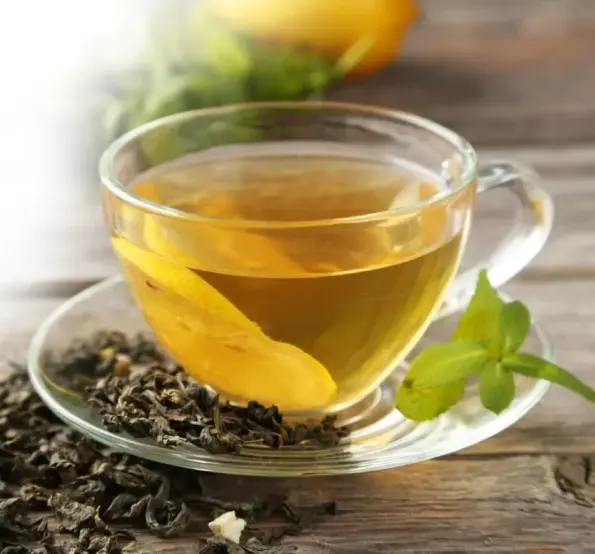
L-theanine is a unique water-soluble non-protein amino acid with structure resembles that of L-glutamate acid. It is predominantly present naturally in tea, Camellia sinensis or mushroom, Xerocomus badius¹.
 

As L-theanine is known for its properties to readily cross the blood-brain barrier which may exert its effects directly on brain within 30 minutes⁸, it has been traditionally used as a relaxation-promoting agent². Given that L-theanine is a phytochemical consumed in daily life, it has the potential to become a nutraceutical ingredient that helps in
improving mental stress, cognitive function, and anxiety in modern society.

Key indications

Stress, anxiety relief

Supplementation of L-theanine daily may promote relaxation without causing drowsiness through increasing in α-waves production (an indication of a state of wakeful relaxation) among young female under stressful situations⁹. This could be attributed by its effects on the serotonin and GABA systems³.

Alertness and learning ability

A combination of L-theanine and caffeine may exert positive short-term effects on memory, attention and mental fatigue as measured by simple reaction time, rapid visual information processing and numeric working memory reaction time⁴. Interaction between L-theanine and caffeine improve attention and ability to ignore distractions and work synergistically to enhance performance on cognitively demanding tasks⁵.

Sleep quality

Daily supplementation with L-theanine may promote higher sleep efficiency (percentage of night spent sleeping restfully) and better sleep quality in boys with attention deficit hyperactivity disorder (ADHD)⁶.

Neuroprotection

Clinical symptoms of positive, activation and anxiety are ameliorated in schizophrenia and schizoaffective disorder patients with the consumption of L-theanine (add-on to ongoing antipsychotic treatment)¹⁰.

Immune health

Daily intake of L-theanine (in combination with L-cysteine) may lower the incidence of common cold and flu symptoms in healthy adults through enhancement of human γ and δ T lymphocyte function¹²,¹³.
Adverse effects

There hasn’t been reported significant side effects for short-term supplementation of L-theanine. Generally well tolerated for usual dietary intake. The most common adverse reactions include drowsiness, gastrointestinal discomfort and headache¹¹.

Dosage range

A single cup (200 ml) of liquid tea contains 5 to 85 mg of L-theanine depending on the type of tea⁷. Amount of L-theanine varies, with higher levels typically found in higher quality tea. Typical doses used in clinical trials are ranging from 50mg to 400mg daily up to 8 weeks.


Stress, anxiety relief:
50mg daily⁹


Alertness and learning ability:
250mg daily (in combination with 150mg caffeine) for 5 days⁴


Sleep quality:
400mg daily for 6 weeks⁶


Neuroprotection:
400mg daily for 8 weeks¹⁰


Immune health:
140mg, twice daily (in combination with 350mg L-cysteine) for 5 weeks¹²

Contraindications/cautions¹¹

  • Be cautious when you are taking these drugs and
    supplements as interaction may occur:
    – Antihypertensive drugs
    – Herbs and supplements with hypotensive effects
  • Do not use this product if you are pregnant or planning for pregnancy and breastfeeding. Avoid beer, wine, and mixed drinks (alcohol) while taking this product.

Adverse effects

There hasn’t been reported significant side effects for short-term supplementation of L-theanine. Generally well tolerated for usual dietary intake. The most common adverse reactions include drowsiness, gastrointestinal discomfort and headache¹¹.

Dosage range

A single cup (200 ml) of liquid tea contains 5 to 85 mg of L-theanine depending on the type of tea⁷. Amount of L-theanine varies, with higher levels typically found in higher quality tea. Typical doses used in clinical trials are ranging from 50mg to 400mg daily up to 8 weeks.


Stress, anxiety relief:
50mg daily⁹


Alertness and learning ability:
250mg daily (in combination with 150mg caffeine) for 5 days⁴


Sleep quality:
400mg daily for 6 weeks⁶


Neuroprotection:
400mg daily for 8 weeks¹⁰


Immune health:
140mg, twice daily (in combination with 350mg L-cysteine) for 5 weeks¹²

Contraindications/cautions¹¹

  • Be cautious when you are taking these drugs and
    supplements as interaction may occur:
    – Antihypertensive drugs
    – Herbs and supplements with hypotensive effects
  • Do not use this product if you are pregnant or planning for pregnancy and breastfeeding. Avoid beer, wine, and mixed drinks (alcohol) while taking this product.

References :

  1. Williams, J., & Kellett, J., Roach, P. D., et al. (2016). L-Theanine as a Functional Food Additive: Its Role in Disease Prevention and Health Promotion. Beverages, 2. 10.3390/beverages2020013.
  2. Bryan, J. (2008). Psychological effects of dietary components of tea: caffeine and L-theanine. Nutr Rev, 66, 82-90.
  3. Nathan, P. J., Lu, K., Gray, M., et al. (2006). The neuropharmacology of L-theanine(N-ethyl-L-glutamine): A possible neuroprotective and cognitive enhancing agent. J Herb Pharmacother, 6, 21-30.
  4. Haskell, C. F., Kennedy, D. O., Milne, A. L., et al. (2008). The effects of L-theanine, caffeine and their combination on cognition and mood. Biological Psychology, 77, 113-122.
  5. Owen, G. N., Parnell, H., De Bruin, E. A., et al. (2008). The combined effects of L-theanine and caffeine on cognitive performance and mood. Nutr Neurosci, 11, 193-198.
  6. Lyon, M. R., Kapoor M. P. & Juneja, L. R. (2011) The Effects of L-Theanine (Suntheanine®) on Objective Sleep Quality in Boys with Attention Deficit Hyperactivity Disorder (ADHD): A Randomized, Double-blind, Placebo-controlled Clinical Trial. Alternative Medicine Review, 16(4), 348-354.
  7. Keenan, E. K., Finnie, M. D., Jones, P. S., et al. (2011). How much theanine in a cup of tea? Effects of tea type and method of preparation. Food Chemistry, 125, 588-594.
  8. Unno, T., Suzuki, Y., Kakuda, T., Hayakawa, T., Tsuge, H. (1999). Metabolism of theanine, gamma-glutamylethylamide, in rats. J Agric Food Chem, 47, 1593-1596.
  9. Nobre, A. C., Rao, A., & Owen, G. N. (2008). L-theanine, a natural constituent in tea, and its effect on mental state. Asia Pacific Journal of Clinical Nutrition, 17(Suppl 1), 167- 168.
  10. Miodownik, C., Maayan, R., Ratner, Y., et al. (2011). Serum levels of brain-derived neurotrophic factor and cortisol to sulfate of dehydroepiandrosterone molar ratio associated with clinical response to L-theanine as augmentation of antipsychotic in schizophrenia and schizoaffective disorder patients. Clinical Neuropharmacology, 34(4), 155- 160.
  11. L-Theanine. (2022, Jan 10). Retrieved from Drugs.com: https://www.drugs.com/npc/l-theanine.html
  12. Kurihara, S., Hiraoka, T., Akutsu, M., et al. (2010). Effects of L-Cystine and L-Theanine Supplementation on the Common Cold: A Randomized, Double-Blind, and Placebo-Controlled Trial. Journal of Amino Acids, 307475, 1-7.
  13. Bukowski, J. F., Percival, S. S. (2008). L-theanine intervention enhances human gammadelta T lymphocyte function. Nutrition Reviews, 66(2), 96-102.

References :

  1. Williams, J., & Kellett, J., Roach, P. D., et al. (2016). L-Theanine as a Functional Food Additive: Its Role in Disease Prevention and Health Promotion. Beverages, 2. 10.3390/beverages2020013.
  2. Bryan, J. (2008). Psychological effects of dietary components of tea: caffeine and L-theanine. Nutr Rev, 66, 82-90.
  3. Nathan, P. J., Lu, K., Gray, M., et al. (2006). The neuropharmacology of L-theanine(N-ethyl-L-glutamine): A possible neuroprotective and cognitive enhancing agent. J Herb Pharmacother, 6, 21-30.
  4. Haskell, C. F., Kennedy, D. O., Milne, A. L., et al. (2008). The effects of L-theanine, caffeine and their combination on cognition and mood. Biological Psychology, 77, 113-122.
  5. Owen, G. N., Parnell, H., De Bruin, E. A., et al. (2008). The combined effects of L-theanine and caffeine on cognitive performance and mood. Nutr Neurosci, 11, 193-198.
  6. Lyon, M. R., Kapoor M. P. & Juneja, L. R. (2011) The Effects of L-Theanine (Suntheanine®) on Objective Sleep Quality in Boys with Attention Deficit Hyperactivity Disorder (ADHD): A Randomized, Double-blind, Placebo-controlled Clinical Trial. Alternative Medicine Review, 16(4), 348-354.
  7. Keenan, E. K., Finnie, M. D., Jones, P. S., et al. (2011). How much theanine in a cup of tea? Effects of tea type and method of preparation. Food Chemistry, 125, 588-594.
  8. Unno, T., Suzuki, Y., Kakuda, T., Hayakawa, T., Tsuge, H. (1999). Metabolism of theanine, gamma-glutamylethylamide, in rats. J Agric Food Chem, 47, 1593-1596.
  9. Nobre, A. C., Rao, A., & Owen, G. N. (2008). L-theanine, a natural constituent in tea, and its effect on mental state. Asia Pacific Journal of Clinical Nutrition, 17(Suppl 1), 167- 168.
  10. Miodownik, C., Maayan, R., Ratner, Y., et al. (2011). Serum levels of brain-derived neurotrophic factor and cortisol to sulfate of dehydroepiandrosterone molar ratio associated with clinical response to L-theanine as augmentation of antipsychotic in schizophrenia and schizoaffective disorder patients. Clinical Neuropharmacology, 34(4), 155- 160.
  11. L-Theanine. (2022, Jan 10). Retrieved from Drugs.com: https://www.drugs.com/npc/l-theanine.html
  12. Kurihara, S., Hiraoka, T., Akutsu, M., et al. (2010). Effects of L-Cystine and L-Theanine Supplementation on the Common Cold: A Randomized, Double-Blind, and Placebo-Controlled Trial. Journal of Amino Acids, 307475, 1-7.
  13. Bukowski, J. F., Percival, S. S. (2008). L-theanine intervention enhances human gammadelta T lymphocyte function. Nutrition Reviews, 66(2), 96-102.

The material is prepared for informational purposes only and should not be construed as a piece of personal medical advice. Owing to each person’s varying health needs, a physician should be consulted before acting on any information provided in this material. Although every effort is made to ensure that this material is accurate, it is compiled for internal use only and should not be considered definitive. Neither VitaHealth nor its employees, or information providers shall be responsible or liable for any errors, inaccuracies, or other defects in the information contained in this publication.

You might also be interested in

Vitamin D

Vitamin D is an oil-soluble vitamin essential to maintain bone health and immune system. It is also known as sunshine vitamin that can be produced

READ MORE

L-Theanine

L-theanine is a unique water-soluble non-protein amino acid with structure resembles that of L-glutamate acid. It is predominantly present naturally in tea, Camellia sinensis or

READ MORE

Vitamin C

Vitamin C, also known as ascorbic acid, is a water-soluble vitamin that is essential to maintain human body health. It is essential because human body

READ MORE
My Cart
Close Wishlist
Close Recently Viewed
Categories