Ingredients A-Z

Vitamin A

Overview

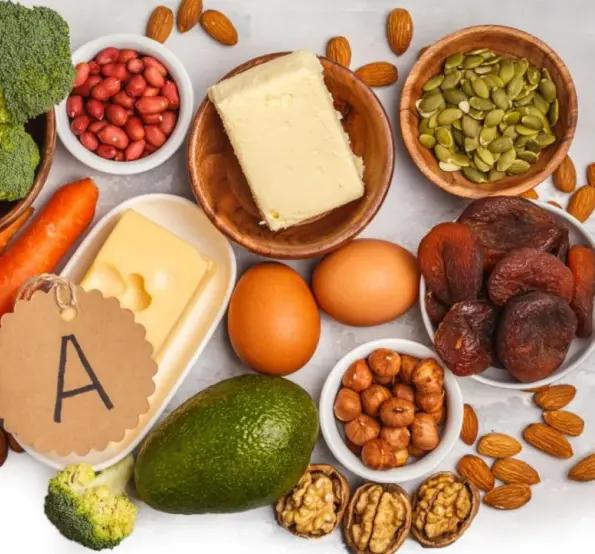
Vitamin A is a fat-soluble retinoid primarily stored in the liver. Active forms of vitamin A in the body are retinol, retinal, retinoic acid and retinyl ester. These different forms of vitamin A are often collectively referred to as “retinoids.” The most potent form of vitamin A, all-trans retinol, is the form of retinol in the diet. There are two main types of vitamin A found in the diet. Preformed vitamin A (retinol and retinyl esters) occurs exclusively in animal-based products such as egg, fish and meat while provitamin A (carotenoids) are abundant in deep yellow, green and red-coloured plants. The amount of carotenoids absorbed and converted to vitamin A depends upon the amount of carotenoids ingested, the individual’s vitamin A status, and carotenoid body stores.


Vitamin A plays an important role in vision and cellular differentiation which is particularly important in vision, growth, immunity, reproduction and maintaining epithelial integrity. Overconsumption of vitamin A can accumulate to toxic levels when highly exceeds the requirements because our body has a good capacity for vitamin A storage. However, deficiency of vitamin A will cause night blindness, growth retardation, skin keratinization and compromised immune function

Key indications

Vision health

Vitamin A is involved in ocular health and functions as an essential component of rhodopsin, the light-sensitive protein in the retina that responds to light entering the eye. Deficiency states initially cause reversible night blindness that can progress to complete blindness due to photoreceptor degeneration¹. Besides, retinoic acid supports the normal differentiation and functioning of the conjunctival membranes and cornea. This helps to regulate mucus production, maintain lubrication of the eye and reduce the risk of infection³. Clinical research shows that taking vitamin A (as retinyl palmitate) 23,000IU weekly before and during pregnancy reduces pregnancy-related night blindness by 37% in malnourished patients⁸.

Immune system

Vitamin A was initially coined “the anti-infective vitamin” due to its importance in the normal functioning of the immune system. It improves the mechanistic defense of the oral mucosa, increases the integrity of intestinal mucus, and maintains the morphology of urothelium cells. In addition, retinoic acid (RA) regulates the differentiation, maturation and function of macrophages and neutrophils which initiate phagocytosis and activation of natural killer T cells 6. It is demonstrated that vitamin A also helps to induce T-cell differentiation, and is involved in T-cell migration toward the area of inflammation. Clinical trial indicates that primary and secondary IgO responses to tetanus toxoid were enhanced more than twofold after daily intake of 60mg retinol for 3 weeks⁷.

Growth and development

Vitamin A is important for healthy embryonic growth, plays a crucial role in the induction of neurogenesis and regulates neuronal patterning. In addition, carotene and β-cryptoxanthin affect bone homeostasis by stimulating osteoblastic bone formation and inhibiting osteoclastic bone resorption¹¹. Dietary vitamin A intake was associated with a reduction in the risk of xerophthalmia, mortality, and morbidity among children.

Cognitive Function

Retinoic acid supports multiple essential pathways necessary for cognition in the brain. Deficiency of vitamin A will leads to decreases in the expression of retinoic acid receptors, neurogenesis, and neuronal differentiation leading to spatial memory impairments⁹. Research showed carotenoid-rich diet help to preserve cognitive function during aging, especially in terms of executive functioning and episodic memory¹⁰.

Adverse effects

The tolerable upper intake level (UL) of vitamin A is 10,000 IU (3000 mcg) per day 4. Risk of side effect increase when higher dose is taken. The adverse effects of overconsumption of vitamin A included pseudotumor cerebri, pain and liver toxicity.


Reminder: vitamin A is available in two different forms: pre-formed vitamin A (retinol or retinyl ester) and provitamin A (carotenoids). The safety concerns associated with high vitamin A intake occur with pre-formed vitamin A only. Some supplements contain vitamin A in both pre-formed and provitamin A forms. For these supplements, the amount of pre-formed vitamin A should be used to determine if the amount of vitamin A is safe.

Dosage range

Recommended dietary allowances (RDAs) for vitamin A5:

Age Male Female Pregnancy Lactation
0-6 months 1333 IU 1333 IU
7-12 months 1667 IU 1667 IU
1-3 years 1000 IU 1000 IU
4-8 years 1333 IU 1333 IU
9-13 years 2000 IU 2000 IU
14-18 years 3000 IU 2333 IU 2500 IU 4000 IU
19-50 years 3000 IU 2333 IU 2566 IU 4333 IU
51+ years 3000 IU 2333 IU

Contraindications/cautions

  • Potential drug interactions include:

– Hepatotoxic drugs
May increase the risk of liver disease

– Retinoids
May produce supratherapeutic vitamin A levels

– Tetracycline antibiotics
May increase the risk of pseudotumor cerebri

– Warfarin (coumadin)
May increase the risk of bleeding

Adverse effects

The tolerable upper intake level (UL) of vitamin A is 10,000 IU (3000 mcg) per day 4. Risk of side effect increase when higher dose is taken. The adverse effects of overconsumption of vitamin A included pseudotumor cerebri, pain and liver toxicity.


Reminder: vitamin A is available in two different forms: pre-formed vitamin A (retinol or retinyl ester) and provitamin A (carotenoids). The safety concerns associated with high vitamin A intake occur with pre-formed vitamin A only. Some supplements contain vitamin A in both pre-formed and provitamin A forms. For these supplements, the amount of pre-formed vitamin A should be used to determine if the amount of vitamin A is safe.

Dosage range

Recommended dietary allowances (RDAs) for vitamin A5:

Age Male Female Pregnancy Lactation
0-6 months 1333 IU 1333 IU
7-12 months 1667 IU 1667 IU
1-3 years 1000 IU 1000 IU
4-8 years 1333 IU 1333 IU
9-13 years 2000 IU 2000 IU
14-18 years 3000 IU 2333 IU 2500 IU 4000 IU
19-50 years 3000 IU 2333 IU 2566 IU 4333 IU
51+ years 3000 IU 2333 IU

Contraindications/cautions

  • Potential drug interactions include:

– Hepatotoxic drugs
May increase the risk of liver disease

– Retinoids
May produce supratherapeutic vitamin A levels

– Tetracycline antibiotics
May increase the risk of pseudotumor cerebri

– Warfarin (coumadin)
May increase the risk of bleeding

References :

  1. Braun L, Cohen M. Herbs and Natural supplements. Ebook 4th edition. Chatswood: Elsevier 2015 pp.1037-1049.
  2. Fawzi, W.W., Herrera, M.G. & Willett, W.C., et al. (1997). Dietary Vitamin A Intake in Relation to Child Growth. Epidemiology, 8(4), 402-407. http://www.jstor.org/page/info/about/policies/terms.jsp
  3. Dawson, M.I. (2000). The Importance of Vitamin A in Nutrition. Current Pharmaceutical Design, 6, 311-325.
  4. Food and Nutrition Board, Institute of Medicine. (2002). Dietary Reference Intakes for Vitamin A, Vitamin K, Arsenic, Boron, Chromium, Copper, Iodine, Iron, Manganese, Molybdenum, Nickel, Silicon, Vanadium, and Zinc. Washington, DC: National Academy Press. Available at: www.nap.edu/books/0309072794/html/
  5. Institute of Medicine. (2011). Dietary Reference Intakes for Vitamin A and Carotenoids. Washington, DC: The National Academies Press.
  6. Huang, Z., Liu, Y., Qi, G., Brand, D., & Zheng, S. G. (2018). Role of Vitamin A in the Immune System. Journal of clinical medicine, 7(9), 258. https://doi.org/10.3390/jcm7090258
  7. Semba, R. D., Muhilal, Scott, A. L., Natadisastra, G., West, K. P., Jr, & Sommer, A. (1994). Effect of vitamin A supplementation on immunoglobulin G subclass responses to tetanus toxoid in children. Clinical and diagnostic laboratory immunology, 1(2), 172–175. https://doi.org/10.1128/cdli.1.2.172-175.1994
  8. Christian, P., West, K. P., Jr, Khatry, S. K., Katz, J., LeClerq, S., Pradhan, E. K., & Shrestha, S. R. (1998). Vitamin A or beta-carotene supplementation reduces but does not eliminate maternal night blindness in Nepal. The Journal of nutrition, 128(9), 1458–1463. https://doi.org/10.1093/jn/128.9.1458
  9. Wołoszynowska-Fraser, M.U., Kouchmeshky, A. & McCaffery, P. (2020). Vitamin A and Retinoic Acid in Cognition and Cognitive Disease. Annual Review of Nutrition, 40:247–72. https://doi.org/10.1146/annurev-nutr-122319-034227
  10. Kesse-Guyot, K., Andreeva, V.A. & Ducros, V. et al. (2014). Carotenoid-rich dietary patterns during midlife and subsequent cognitive function. British Journal of Nutrition, 111, 915–923. https://doi.org/10.1017/S0007114513003188
  11. Yee, M., Chin, K. Y., Ima-Nirwana, S., & Wong, S. K. (2021). Vitamin A and Bone Health: A Review on Current Evidence. Molecules (Basel, Switzerland), 26(6), 1757. https://doi.org/10.3390/molecules26061757

References :

  1. Braun L, Cohen M. Herbs and Natural supplements. Ebook 4th edition. Chatswood: Elsevier 2015 pp.1037-1049.
  2. Fawzi, W.W., Herrera, M.G. & Willett, W.C., et al. (1997). Dietary Vitamin A Intake in Relation to Child Growth. Epidemiology, 8(4), 402-407. http://www.jstor.org/page/info/about/policies/terms.jsp
  3. Dawson, M.I. (2000). The Importance of Vitamin A in Nutrition. Current Pharmaceutical Design, 6, 311-325.
  4. Food and Nutrition Board, Institute of Medicine. (2002). Dietary Reference Intakes for Vitamin A, Vitamin K, Arsenic, Boron, Chromium, Copper, Iodine, Iron, Manganese, Molybdenum, Nickel, Silicon, Vanadium, and Zinc. Washington, DC: National Academy Press. Available at: www.nap.edu/books/0309072794/html/
  5. Institute of Medicine. (2011). Dietary Reference Intakes for Vitamin A and Carotenoids. Washington, DC: The National Academies Press.
  6. Huang, Z., Liu, Y., Qi, G., Brand, D., & Zheng, S. G. (2018). Role of Vitamin A in the Immune System. Journal of clinical medicine, 7(9), 258. https://doi.org/10.3390/jcm7090258
  7. Semba, R. D., Muhilal, Scott, A. L., Natadisastra, G., West, K. P., Jr, & Sommer, A. (1994). Effect of vitamin A supplementation on immunoglobulin G subclass responses to tetanus toxoid in children. Clinical and diagnostic laboratory immunology, 1(2), 172–175. https://doi.org/10.1128/cdli.1.2.172-175.1994
  8. Christian, P., West, K. P., Jr, Khatry, S. K., Katz, J., LeClerq, S., Pradhan, E. K., & Shrestha, S. R. (1998). Vitamin A or beta-carotene supplementation reduces but does not eliminate maternal night blindness in Nepal. The Journal of nutrition, 128(9), 1458–1463. https://doi.org/10.1093/jn/128.9.1458
  9. Wołoszynowska-Fraser, M.U., Kouchmeshky, A. & McCaffery, P. (2020). Vitamin A and Retinoic Acid in Cognition and Cognitive Disease. Annual Review of Nutrition, 40:247–72. https://doi.org/10.1146/annurev-nutr-122319-034227
  10. Kesse-Guyot, K., Andreeva, V.A. & Ducros, V. et al. (2014). Carotenoid-rich dietary patterns during midlife and subsequent cognitive function. British Journal of Nutrition, 111, 915–923. https://doi.org/10.1017/S0007114513003188
  11. Yee, M., Chin, K. Y., Ima-Nirwana, S., & Wong, S. K. (2021). Vitamin A and Bone Health: A Review on Current Evidence. Molecules (Basel, Switzerland), 26(6), 1757. https://doi.org/10.3390/molecules26061757

The material is prepared for informational purposes only and should not be construed as a piece of personal medical advice. Owing to each person’s varying health needs, a physician should be consulted before acting on any information provided in this material. Although every effort is made to ensure that this material is accurate, it is compiled for internal use only and should not be considered definitive. Neither VitaHealth nor its employees, or information providers shall be responsible or liable for any errors, inaccuracies, or other defects in the information contained in this publication.

You might also be interested in

Vitamin D

Vitamin D is an oil-soluble vitamin essential to maintain bone health and immune system. It is also known as sunshine vitamin that can be produced

READ MORE

L-Theanine

L-theanine is a unique water-soluble non-protein amino acid with structure resembles that of L-glutamate acid. It is predominantly present naturally in tea, Camellia sinensis or

READ MORE

Vitamin C

Vitamin C, also known as ascorbic acid, is a water-soluble vitamin that is essential to maintain human body health. It is essential because human body

READ MORE
My Cart
Close Wishlist
Close Recently Viewed
Categories