Ingredients A-Z

Valerian

Overview

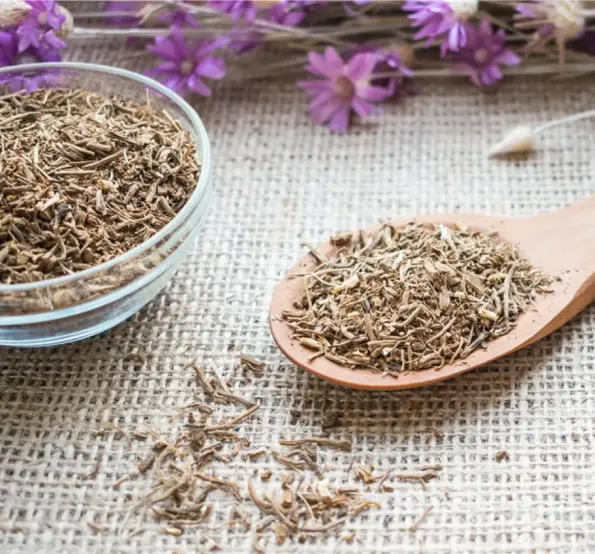
Valerian scientifically known as Valeriana officinalis is an herb that grows natively throughout Europe and Asia. It may reach a height of slightly over 6 feet. Unlike any other flowering plant that has a delicate scent, valerian roots have a pungent odour that many people dislike. The valerian roots, rhizomes, and stolons are the commonly used part of the plant to produce dietary supplements such as capsules and tablets.

Valerian root has traditionally been used as a sedative and has been utilised in traditional medicine as far back as the time of the Greeks and Romans. It is often used to treat sleep disorders, particularly insomnia. Valerian is also believed to treat anxiety, stress, and a variety of other illnesses.

Key indications

Insomnia

Most research show that taking valerian root extract daily modestly improve participants’ sleep quality when compared with placebo, although it might take at least 2 weeks to provide benefits1,2. Valerian does not seem to affect sleep latency, sleep duration, or insomnia severity. A 2020 review that included 60 studies concluded that valerian could be a safe and effective treatment to promote sleep and prevent associated disorders³.

Anxiety

Research suggests valerian root may help ease anxious feelings that occur in response to stressful situations. Valerian roots also show potential anti-anxiety effects in a study that suggests that it may help with chronic conditions characterised by anxious behaviors, such as obsessive-compulsive disorder (OCD). This result was shown to have a reduction of obsessive and compulsive behaviors compared to placebo after taking Valerian root extract daily for 8 weeks⁴.

Other studies also suggest that Valerian root extract improves in measures of focus, hyperactivity, and impulsiveness in elementary school children after 7 weeks of supplementation⁵. Acute valerian treatment, on the other hand, has been found to lower anxiety in both women and young adults undergoing gynaecological procedures and dental surgery6,7.

Adverse effects

  • Valerian is generally well-tolerated.
  • May cause headache, gastrointestinal upset, and drowsiness.
  • In rare cases, valerian has been linked with hepatotoxicity linked to valerian, but they are usually mild to moderate in intensity. There has been no evidence that any of the valerian extracts are hepatotoxic⁸.

Dosage range

When used orally and appropriately, short-term. Valerian 300-600 mg daily has been safely used in most clinical studies in over 12,000 patients for up to 6 weeks¹⁰. There is insufficient reliable information available about the safety of valerian when used orally for longer than 6 weeks.


Insomnia

600mg of concentrated valerian (equivalent to 3.6g) 30 mins to one hour before bed for at least two weeks¹¹.


Anxiety

765mg daily for 8 weeks for adults with OCD⁴. Combination of 640mg Valerian extract and 320mg of lemon balm extract daily for 7 weeks for children with hyperactivity and concentration difficulties.⁵. 1500mg 90 minutes prior to gynaecological procedure6, 7.

Contraindications/cautions

  • In theory, valerian might have additive sedative effects when used with herbs with these properties. Therefore, the use of valerian with other herbs and supplements with sedative properties might enhance therapeutic and adverse effects⁹.
  • Insufficient reliable information available for pregnancy and lactation.

Adverse effects

  • Valerian is generally well-tolerated.
  • May cause headache, gastrointestinal upset, and drowsiness.
  • In rare cases, valerian has been linked with hepatotoxicity linked to valerian, but they are usually mild to moderate in intensity. There has been no evidence that any of the valerian extracts are hepatotoxic⁸.

Dosage range

When used orally and appropriately, short-term. Valerian 300-600 mg daily has been safely used in most clinical studies in over 12,000 patients for up to 6 weeks¹⁰. There is insufficient reliable information available about the safety of valerian when used orally for longer than 6 weeks.


Insomnia

600mg of concentrated valerian (equivalent to 3.6g) 30 mins to one hour before bed for at least two weeks¹¹.


Anxiety

765mg daily for 8 weeks for adults with OCD⁴. Combination of 640mg Valerian extract and 320mg of lemon balm extract daily for 7 weeks for children with hyperactivity and concentration difficulties.⁵. 1500mg 90 minutes prior to gynaecological procedure6, 7.

Contraindications/cautions

  • In theory, valerian might have additive sedative effects when used with herbs with these properties. Therefore, the use of valerian with other herbs and supplements with sedative properties might enhance therapeutic and adverse effects⁹.
  • Insufficient reliable information available for pregnancy and lactation.

References :

  1. Oxman, A. D., Flottorp, S., Håvelsrud, et al. (2007). A televised, web-based randomised trial of an herbal remedy (valerian) for insomnia. PLoS ONE, 2(10). doi:10.1371/journal.pone.0001040
  2. Ziegler, G., Ploch, M., Miettinen-Baumann, A., & Collet, W. (2002). Efficacy and tolerability of valerian extract LI 156 compared with oxazepam in the treatment of non-organic insomnia–a randomized, double-blind, comparative clinical study. European journal of medical research, 7(11), 480–486.
  3. Shinjyo, N., Waddell, G., & Green, J. (2020). Valerian Root in Treating Sleep Problems and Associated Disorders-A Systematic Review and Meta-Analysis. Journal of evidence-based integrative medicine, 25, 2515690X20967323. https://doi.org/10.1177/2515690X20967323
  4. Pakseresht, S., Boostani, H., & Sayyah, M. (2011). Extract of valerian root (Valeriana officinalis L.) vs. placebo in treatment of obsessive-compulsive disorder: a randomized double-blind study. Journal of complementary & integrative medicine, 8, /j/jcim.2011.8.issue-1/1553-3840.1465/1553-3840.1465.xml. https://doi.org/10.2202/1553-3840.1465
  5. Gromball, J., Beschorner, F., Wantzen, C., Paulsen, U., & Burkart, M. (2014). Hyperactivity, concentration difficulties and impulsiveness improve during seven weeks’ treatment with valerian root and lemon balm extracts in primary school children. Phytomedicine : international journal of phytotherapy and phytopharmacology, 21(8-9), 1098–1103. https://doi.org/10.1016/j.phymed.2014.04.004
  6. Gharib, M., Samani, L. N., Panah, Z. E., Naseri, M., Bahrani, N., & Kiani, K. (2015). The effect of valeric on anxiety severity in women undergoing hysterosalpingography. Global journal of health science, 7(3), 358–363. https://doi.org/10.5539/gjhs.v7n3p358
  7. Pinheiro, M. L., Alcântara, C. E., de Moraes, M., & de Andrade, E. D. (2014). Valeriana officinalis L. for conscious sedation of patients submitted to impacted lower third molar surgery: A randomized, double-blind, placebo-controlled split-mouth study. Journal of pharmacy & bioallied sciences, 6(2), 109–114. https://doi.org/10.4103/0975-7406.129176
  8. Valerian: Overview, uses, side effects, precautions, interactions, dosing and reviews. (n.d.). Retrieved from https://www.webmd.com/vitamins/ai/ingredientmono-870/valerian
  9. Houghton P. J. (1999). The scientific basis for the reputed activity of Valerian. The Journal of pharmacy and pharmacology, 51(5), 505–512. https://doi.org/10.1211/0022357991772772
  10. Shinjyo, N., Waddell, G., & Green, J. (2020). Valerian Root in Treating Sleep Problems and Associated Disorders-A Systematic Review and Meta-Analysis. Journal of evidence-based integrative medicine, 25, 2515690X20967323. https://doi.org/10.1177/2515690X20967323
  11. Hadley, S., & Petry, J. (2003, April 15). Valerian. Retrieved from https://www.aafp.org/afp/2003/0415/p1755.html

References :

  1. Oxman, A. D., Flottorp, S., Håvelsrud, et al. (2007). A televised, web-based randomised trial of an herbal remedy (valerian) for insomnia. PLoS ONE, 2(10). doi:10.1371/journal.pone.0001040
  2. Ziegler, G., Ploch, M., Miettinen-Baumann, A., & Collet, W. (2002). Efficacy and tolerability of valerian extract LI 156 compared with oxazepam in the treatment of non-organic insomnia–a randomized, double-blind, comparative clinical study. European journal of medical research, 7(11), 480–486.
  3. Shinjyo, N., Waddell, G., & Green, J. (2020). Valerian Root in Treating Sleep Problems and Associated Disorders-A Systematic Review and Meta-Analysis. Journal of evidence-based integrative medicine, 25, 2515690X20967323. https://doi.org/10.1177/2515690X20967323
  4. Pakseresht, S., Boostani, H., & Sayyah, M. (2011). Extract of valerian root (Valeriana officinalis L.) vs. placebo in treatment of obsessive-compulsive disorder: a randomized double-blind study. Journal of complementary & integrative medicine, 8, /j/jcim.2011.8.issue-1/1553-3840.1465/1553-3840.1465.xml. https://doi.org/10.2202/1553-3840.1465
  5. Gromball, J., Beschorner, F., Wantzen, C., Paulsen, U., & Burkart, M. (2014). Hyperactivity, concentration difficulties and impulsiveness improve during seven weeks’ treatment with valerian root and lemon balm extracts in primary school children. Phytomedicine : international journal of phytotherapy and phytopharmacology, 21(8-9), 1098–1103. https://doi.org/10.1016/j.phymed.2014.04.004
  6. Gharib, M., Samani, L. N., Panah, Z. E., Naseri, M., Bahrani, N., & Kiani, K. (2015). The effect of valeric on anxiety severity in women undergoing hysterosalpingography. Global journal of health science, 7(3), 358–363. https://doi.org/10.5539/gjhs.v7n3p358
  7. Pinheiro, M. L., Alcântara, C. E., de Moraes, M., & de Andrade, E. D. (2014). Valeriana officinalis L. for conscious sedation of patients submitted to impacted lower third molar surgery: A randomized, double-blind, placebo-controlled split-mouth study. Journal of pharmacy & bioallied sciences, 6(2), 109–114. https://doi.org/10.4103/0975-7406.129176
  8. Valerian: Overview, uses, side effects, precautions, interactions, dosing and reviews. (n.d.). Retrieved from https://www.webmd.com/vitamins/ai/ingredientmono-870/valerian
  9. Houghton P. J. (1999). The scientific basis for the reputed activity of Valerian. The Journal of pharmacy and pharmacology, 51(5), 505–512. https://doi.org/10.1211/0022357991772772
  10. Shinjyo, N., Waddell, G., & Green, J. (2020). Valerian Root in Treating Sleep Problems and Associated Disorders-A Systematic Review and Meta-Analysis. Journal of evidence-based integrative medicine, 25, 2515690X20967323. https://doi.org/10.1177/2515690X20967323
  11. Hadley, S., & Petry, J. (2003, April 15). Valerian. Retrieved from https://www.aafp.org/afp/2003/0415/p1755.html

The material is prepared for informational purposes only and should not be construed as a piece of personal medical advice. Owing to each person’s varying health needs, a physician should be consulted before acting on any information provided in this material. Although every effort is made to ensure that this material is accurate, it is compiled for internal use only and should not be considered definitive. Neither VitaHealth nor its employees, or information providers shall be responsible or liable for any errors, inaccuracies, or other defects in the information contained in this publication.

You might also be interested in

Vitamin D

Vitamin D is an oil-soluble vitamin essential to maintain bone health and immune system. It is also known as sunshine vitamin that can be produced

READ MORE

L-Theanine

L-theanine is a unique water-soluble non-protein amino acid with structure resembles that of L-glutamate acid. It is predominantly present naturally in tea, Camellia sinensis or

READ MORE

Vitamin C

Vitamin C, also known as ascorbic acid, is a water-soluble vitamin that is essential to maintain human body health. It is essential because human body

READ MORE
My Cart
Close Wishlist
Close Recently Viewed
Categories