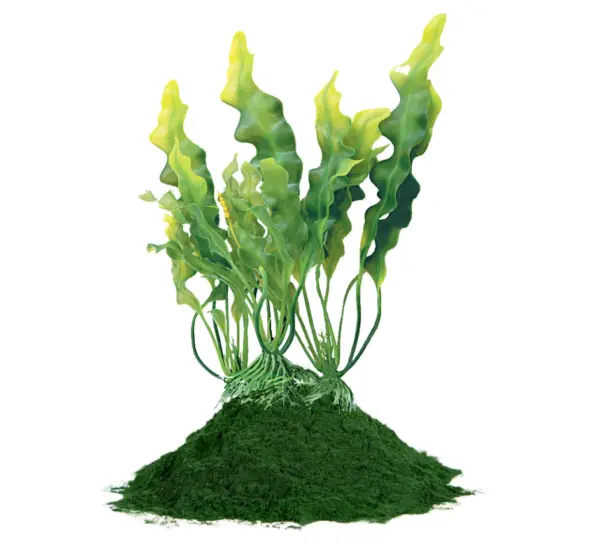
Spirulina platensis is a filamentous cyanobacterium (blue-green alga) under Phormidiaceae family. It is rich in protein, carbohydrates, vitamins especially vitamin B12, minerals, and carotenoids capable of reducing inflammation and also manifesting antioxidant effects². The biochemical composition of spirulina may vary according to the growing conditions, especially in response to the salinity of the growing medium where it can grow in freshwater (pH 7) and highly alkaline environments (pH 9–11) of tropical and subtropical areas. Due to the high amount of nutritive ingredients, spirulina was declared by the United Nations World Food Conference in 1974 as the best food for the future¹.