Ingredients A-Z

Red Yeast Rice

Overview

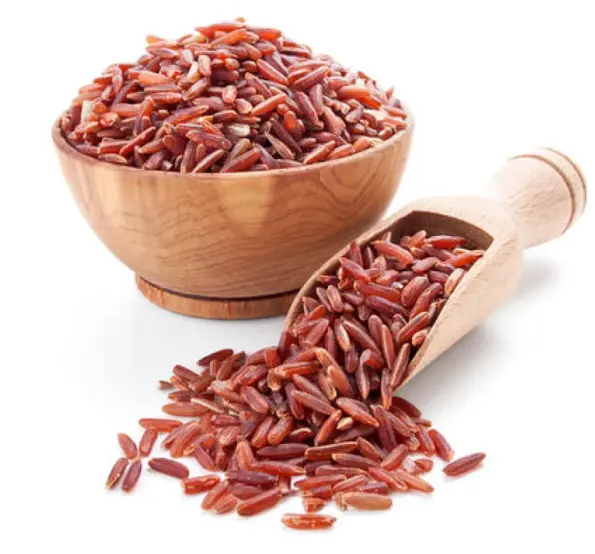
Red yeast rice, also known as “red Koji”, is a traditional Chinese medicine recorded in ancient Chinese pharmacopoeia Ben Cao Gang Mu-Dan Shi Bu Yi during the Ming Dynasty (1368–1644) to promote blood circulation¹. It is produced by fermenting rice together with Monascus purpureus yeast. Monacolin K in red yeast rice is structurally identical to the pharmaceutical drug lovastatin, which brings lipid-lowering effect and commonly used to treat hyperlipidaemia. Other than nutraceutical products, red yeast rice is also widely used as food colouring agent and production of brewed food such as anchu (Chinese red wine) and tofunyu (fermented bean curd).


Key indications

Hyperlipidemia

Research showed that monacolin K in red yeast rice helps to reduce blood cholesterol levels. The primary lipid-lowering mechanism of red yeast rice is to inhibit 3-hydroxy-3-methyl-glutaryl-CoA (HMG-CoA) reductase, the enzyme that controls the cholesterol synthesis pathway⁴,⁸. Clinical research indicates that total cholesterol decreased by 23% and LDL cholesterol decreased by 30.9% after consuming red yeast rice products daily for 8 weeks compared with control⁵.

Myocardial infarction

Red yeast rice increases nitric oxide production in vascular endothelial cells which helps to inhibit plaque formation. Furthermore, monascin and ankaflavin contain in red yeast rice suppresses LDL-cholesterol oxidation⁶. A meta-analysis showed daily intake of 1.2g of red yeast rice for 4 years helps to reduce the incidence of myocardial infarction by 58%, revascularisation by 42%, and sudden death by 29%⁷.

Adverse effects

Red yeast rice powder is generally well tolerated. The most common adverse effects included abdominal discomfort, diarrhoea, stomach gas, dizziness, headache, heartburn, myopathy and nausea.

Dosage range

There is currently no established effective dose of red yeast rice supplement. The common dose of red yeast rice that has been used is 500-1,200mg daily.

Contraindications/cautions

Avoid using during pregnancy because lovastatin in red yeast rice has the possibility to induce skeletal malformations in animals². Insufficient reliable information is available for lactation.

Potential drug interactions include:

  • Statins
    May increase the risk of potential adverse effects
  • Hepatotoxic drug
    May increase the risk of liver damage
  • Niacin
    May increase the risk of rhabdomyolysis
  • Cyclosporine
    May increase the risk of myopathy
  • St. John’s wort
    May reduce the effectiveness of red yeast rice

Adverse effects

Red yeast rice powder is generally well tolerated. The most common adverse effects included abdominal discomfort, diarrhoea, stomach gas, dizziness, headache, heartburn, myopathy and nausea.

Dosage range

There is currently no established effective dose of red yeast rice supplement. The common dose of red yeast rice that has been used is 500-1,200mg daily.

Contraindications/cautions

Avoid using during pregnancy because lovastatin in red yeast rice has the possibility to induce skeletal malformations in animals². Insufficient reliable information is available for lactation.

Potential drug interactions include:

  • Statins
    May increase the risk of potential adverse effects
  • Hepatotoxic drug
    May increase the risk of liver damage
  • Niacin
    May increase the risk of rhabdomyolysis
  • Cyclosporine
    May increase the risk of myopathy
  • St. John’s wort
    May reduce the effectiveness of red yeast rice

References :

  1. Liu, J., Zhang, J., Shi, Y., Grimsgaard, S., Alraek, T., & Fonnebo, V. (2006). Chinese red yeast rice (Monascus purpureus) for primary hyperlipidemia: a meta-analysis of randomized controlled trials. Chinese Medicine, 1, 4. https://doi.org/10.1186/1749-8546-1-4
  2. Hebel, S.K. (1998). Drug Facts and Comparisons. St. Louis: Facts and Comparisons, 52nd ed.
  3. Heber, D., Yip, I., Ashley, J.M. (1999). Cholesterol-lowering effects of a proprietary Chinese red yeast rice dietary supplement. American Society for Clinical Nutrition, 69:231–236.
  4. Cicero, A.F.G., Fogacci, F., & Banach, M. (2019). Red Yeast Rice for Hypercholesterolemia. Methodist DeBakey Cardiovascular Journal, 15(3), 192–199. https://doi.org/10.14797/mdcj-15-3-192
  5. Wang, J.X., Lu, Z.L., Chi, J.M., et al. (1997). Multicenter clinical trial of the serum lipid-lowering effects of a Monascus purpureus (red yeast rice) preparation from traditional Chinese medicine. Current Therapeutic Research, 58(12), 964–978. https://doi.org/10.1016/S0011-393X(97)80063-X
  6. Sungthong, B., Yoothaekool, C., Promphamorn, S., et al. (2020). Efficacy of red yeast rice extract on myocardial infarction patients with borderline hypercholesterolemia: a meta-analysis of randomized controlled trials. Scientific Reports, 10, 2769. https://doi.org/10.1038/s41598-020-59796-5
  7. Fukami, H., Higa, Y., Hisano, T., et al. (2021). A review of red yeast rice, a traditional fermented food in Japan and East Asia: its characteristic ingredients and application in the maintenance and improvement of health in lipid metabolism and the circulatory system. Molecules, 26(6), 1619. https://doi.org/10.3390/molecules26061619
  8. Gerards, M.C., Terlou, R.J., Yu, H., Koks, C.H., & Gerdes, V.E. (2015). Traditional Chinese lipid-lowering agent red yeast rice results in significant LDL reduction but safety is uncertain – a systematic review and meta-analysis. Atherosclerosis, 240(2), 415–423. https://doi.org/10.1016/j.atherosclerosis.2015.04.004

References :

  1. Liu, J., Zhang, J., Shi, Y., Grimsgaard, S., Alraek, T., & Fonnebo, V. (2006). Chinese red yeast rice (Monascus purpureus) for primary hyperlipidemia: a meta-analysis of randomized controlled trials. Chinese Medicine, 1, 4. https://doi.org/10.1186/1749-8546-1-4
  2. Hebel, S.K. (1998). Drug Facts and Comparisons. St. Louis: Facts and Comparisons, 52nd ed.
  3. Heber, D., Yip, I., Ashley, J.M. (1999). Cholesterol-lowering effects of a proprietary Chinese red yeast rice dietary supplement. American Society for Clinical Nutrition, 69:231–236.
  4. Cicero, A.F.G., Fogacci, F., & Banach, M. (2019). Red Yeast Rice for Hypercholesterolemia. Methodist DeBakey Cardiovascular Journal, 15(3), 192–199. https://doi.org/10.14797/mdcj-15-3-192
  5. Wang, J.X., Lu, Z.L., Chi, J.M., et al. (1997). Multicenter clinical trial of the serum lipid-lowering effects of a Monascus purpureus (red yeast rice) preparation from traditional Chinese medicine. Current Therapeutic Research, 58(12), 964–978. https://doi.org/10.1016/S0011-393X(97)80063-X
  6. Sungthong, B., Yoothaekool, C., Promphamorn, S., et al. (2020). Efficacy of red yeast rice extract on myocardial infarction patients with borderline hypercholesterolemia: a meta-analysis of randomized controlled trials. Scientific Reports, 10, 2769. https://doi.org/10.1038/s41598-020-59796-5
  7. Fukami, H., Higa, Y., Hisano, T., et al. (2021). A review of red yeast rice, a traditional fermented food in Japan and East Asia: its characteristic ingredients and application in the maintenance and improvement of health in lipid metabolism and the circulatory system. Molecules, 26(6), 1619. https://doi.org/10.3390/molecules26061619
  8. Gerards, M.C., Terlou, R.J., Yu, H., Koks, C.H., & Gerdes, V.E. (2015). Traditional Chinese lipid-lowering agent red yeast rice results in significant LDL reduction but safety is uncertain – a systematic review and meta-analysis. Atherosclerosis, 240(2), 415–423. https://doi.org/10.1016/j.atherosclerosis.2015.04.004

The material is prepared for informational purposes only and should not be construed as a piece of personal medical advice. Owing to each person’s varying health needs, a physician should be consulted before acting on any information provided in this material. Although every effort is made to ensure that this material is accurate, it is compiled for internal use only and should not be considered definitive. Neither VitaHealth nor its employees, or information providers shall be responsible or liable for any errors, inaccuracies, or other defects in the information contained in this publication.

You might also be interested in

Saw Palmetto

Saw palmetto (Serenoa repens) is a shrub-like palm native to the southeast coast of the United States. It grows to a height of 6 to

READ MORE

Licorice Root Extract

Licorice root extract or scientifically known as Glycyrrhiza glabra has a long history of use for treating digestive discomforts1. Licorice is a native herb to

READ MORE

Royal Jelly

Royal jelly is a yellowish-white acidic secretion from the hypopharyngeal and mandibular glands of worker honey bees.¹ It is used as a food for young

READ MORE
My Cart
Close Wishlist
Close Recently Viewed
Categories