Ingredients A-Z

Iron

Overview

Iron is a vital mineral which helps in maintaining healthy blood. It makes up the major component of haemoglobin, the red blood cell protein that carries oxygen from the lungs to other parts of the body¹. Iron is also part of myoglobin in muscle cells that supports muscle metabolism and healthy connective tissue. It plays important role in promoting physical growth, neurological development, cellular functioning and hormone synthesis²⁻³.


Most of the elemental iron in adults is present in haemoglobin². The remaining iron is stored in the form of ferritin (the main protein in blood that binds to iron) or hemosiderin (a degradation product of ferritin) in the liver, spleen, and bone marrow or is located in myoglobin in muscle tissues¹,⁴. People who are prone to iron deficiency include pregnant women, infants and young children, women with heavy menstrual bleeding, frequent blood donours, cancer patients, those with certain health condition like gastrointestinal disorders or surgery and heart condition.


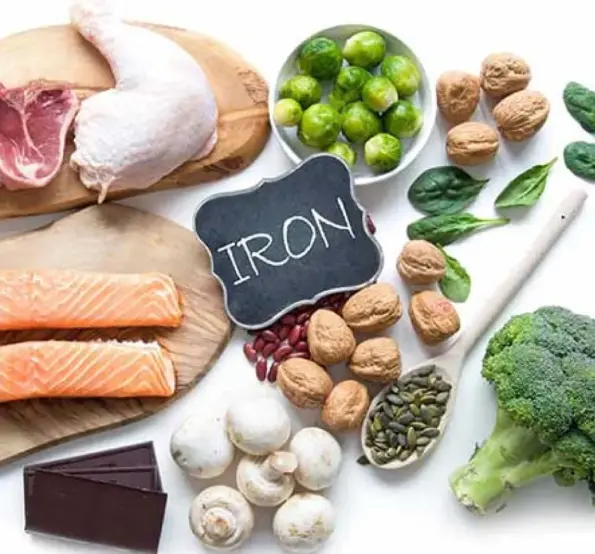
Iron can be obtained through diet or supplementation. Dietary iron are present in two forms, namely heme and non-heme. Animal such as meat, seafood and poultry are rich in both heme and non-heme iron whereas plants, beans and iron-fortified foods contain non-heme iron only.


Key indications

Iron deficiency anaemia (IDA)

The World Health Organisation (WHO) estimates about half of the 1.62 billion cases of anaemia in global is caused by iron deficiency⁵. Signs and symptoms of deficiency include microcytic and hypochromic anaemia, lethargy, cognitive impairment, developmental delay, amenorrhea, hair loss and enlarged liver. In pregnancy, iron deficiency is associated with adverse pregnancy outcomes such as heightened infant’s low birthweight risk, premature birth, low iron stores, impaired cognitive and behavioural development as well as increased perinatal maternal mortality6. Studies reported iron supplementation can prevent IDA in pregnant women and associated adverse impacts in their newborns⁷,⁸.

Anaemia of chronic disease

Some clinical conditions with inflammatory, infectious and neoplastic diseases (rheumatoid arthritis, inflammatory bowel disease, and hematologic malignancies) are at risk of anaemia of chronic disease (also known as anaemia of inflammation)²,⁹. It is the second most common type of anaemia after IDA¹⁰. This happens when inflammatory cytokines upregulate the hormone hepcidin (a circulating peptide hormone is the main regulatory of absorption and distribution of iron in the body) and resulted in disruption of iron homeostasis. When the main therapy for treating the underlying disease is not possible, iron supplementation in the form of oral, intravenous, or parenteral and/ or erythropoiesis-stimulating agents (EFSAs) are used¹⁰.

Adverse effects¹¹,¹²

Iron is generally well tolerated when taken in doses below the tolerable upper intake level (UL) of 45mg daily. The most common adverse reactions include abdominal pain, constipation, diarrhea, gastrointestinal irritation, nausea and vomiting. In some rare cases, oral or gastric ulcerations may occur.

Dosage range⁶

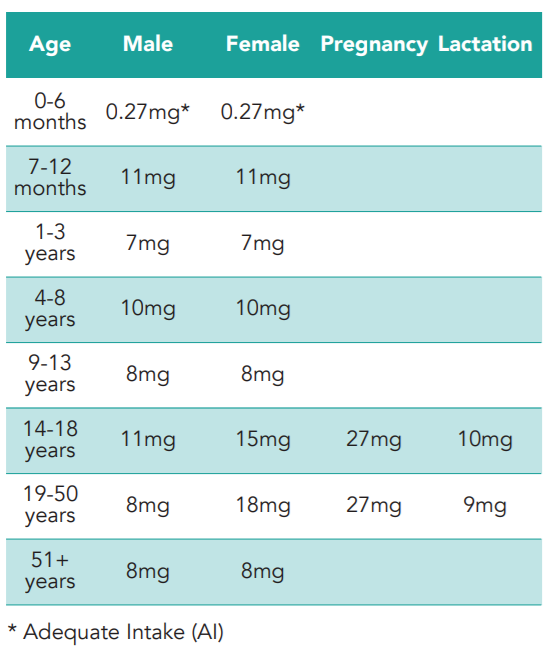
Recommended dietary allowances (RDAs) for iron

Contraindications/cautions¹¹,¹²

  • Interaction of iron with drugs and supplements may occur:


    – Bisphosphonates (for osteoporosis)
    Iron reduces the absorption of this drug


    – Chloramphenicol (for serious infections)
    This drug might reduce response to iron therapy in iron deficiency anaemia


    – Dolutegravir (for HIV treatment)
    Iron might reduce drug level by decreasing its absorption


    – Levodopa (for Parkinson’s disease)
    Iron might reduce drug level by decreasing its absorption


    – Tetracycline and quinolone antibiotics
    Iron might reduce drug level by decreasing its absorption


    – Acacia
    Taking iron along with acacia might result in decreased absorption of iron or acacia


    – Betacarotene and vitamin A
    This might enhance dietary non-heme iron absorption in those with anaemia and vitamin A deficiency

  • Adverse effects¹¹,¹²

    Iron is generally well tolerated when taken in doses below the tolerable upper intake level (UL) of 45mg daily. The most common adverse reactions include abdominal pain, constipation, diarrhea, gastrointestinal irritation, nausea and vomiting. In some rare cases, oral or gastric ulcerations may occur.

    Dosage range⁶

    Recommended dietary allowances (RDAs) for iron

    Contraindications/cautions¹¹,¹²

  • Interaction of iron with drugs and supplements may occur:


    – Bisphosphonates (for osteoporosis)
    Iron reduces the absorption of this drug


    – Chloramphenicol (for serious infections)
    This drug might reduce response to iron therapy in iron deficiency anaemia


    – Dolutegravir (for HIV treatment)
    Iron might reduce drug level by decreasing its absorption


    – Levodopa (for Parkinson’s disease)
    Iron might reduce drug level by decreasing its absorption


    – Tetracycline and quinolone antibiotics
    Iron might reduce drug level by decreasing its absorption


    – Acacia
    Taking iron along with acacia might result in decreased absorption of iron or acacia


    – Betacarotene and vitamin A
    This might enhance dietary non-heme iron absorption in those with anaemia and vitamin A deficiency

  • References :

    1. Wessling-Resnick M. (2104). Iron. In: Ross AC, Caballero B, Cousins RJ, Tucker KL, Ziegler RG, eds. Modern Nutrition in Health and Disease. 11th ed. Baltimore, MD: Lippincott Williams & Wilkins, 176-88.
    2. Aggett, P. J. (2012). Iron. In: Erdman JW, Macdonald IA, Zeisel SH, eds. Present Knowledge in Nutrition. 10th ed. Washington, DC: Wiley-Blackwell, 506-20.
    3. Murray-Kolbe, L. E., Beard, J. (2010). Iron. In: Coates PM, Betz JM, Blackman MR, et al., eds. Encyclopedia of Dietary Supplements. 2nd ed. London and New York: Informa Healthcare, 432-8.
    4. Institute of Medicine. (2001). Food and Nutrition Board. Dietary Reference Intakes for Vitamin A, Vitamin K, Arsenic, Boron, Chromium, Copper, Iodine, Iron, Manganese, Molybdenum, Nickel, Silicon, Vanadium, and Zinc : a Report of the Panel on Micronutrients . Washington, DC: National Academy Press.
    5. World Health Organization. (2008). Worldwide Prevalence of Anaemia 1993–2005: WHO Global Database on Anaemia . World Health Organization.
    6. National Institute of Health, Office of Dietary Supplements. (2022). Iron. Retrieved from https://ods.od.nih.gov/factsheets/Iron-HealthProfessional/
    7. Makrides, M., Crowther, C. A., Gibson, R. A., Gibson, R. S., Skeaff, C. M. (2003). Efficacy and tolerability of low-dose iron supplements during pregnancy: a randomized controlled trial. Am J Clin Nutr, 78:145-53.
    8. Cogswell, M. E., Parvanta, I, Ickes, L., Yip, R., Brittenham, G. M. (2003). Iron supplementation during pregnancy, anemia, and birth weight: a randomized controlled trial. Am J Clin Nutr, 78:773-81.
    9. Cullis, J. O. (2011). Diagnosis and management of anaemia of chronic disease: current status. Br J Haematol, 154:289-300.
    10. Weiss, G. & Goodnough, L. T. (2005). Anemia of chronic disease. N Engl J Med, 352:1011-23
    11. WebMD. (2022). Iron. Retrieved from https://www.webmd.com/vitamins/ai/ingredientmono-912/iron
    12. Therapeutic Research Centre. (2022). Iron. Retrieved from https://naturalmedicines.therapeuticresearch.com/databases/food,-herbs-supplements/professional.aspx?productid=912

    References :

    1. Wessling-Resnick M. (2104). Iron. In: Ross AC, Caballero B, Cousins RJ, Tucker KL, Ziegler RG, eds. Modern Nutrition in Health and Disease. 11th ed. Baltimore, MD: Lippincott Williams & Wilkins, 176-88.
    2. Aggett, P. J. (2012). Iron. In: Erdman JW, Macdonald IA, Zeisel SH, eds. Present Knowledge in Nutrition. 10th ed. Washington, DC: Wiley-Blackwell, 506-20.
    3. Murray-Kolbe, L. E., Beard, J. (2010). Iron. In: Coates PM, Betz JM, Blackman MR, et al., eds. Encyclopedia of Dietary Supplements. 2nd ed. London and New York: Informa Healthcare, 432-8.
    4. Institute of Medicine. (2001). Food and Nutrition Board. Dietary Reference Intakes for Vitamin A, Vitamin K, Arsenic, Boron, Chromium, Copper, Iodine, Iron, Manganese, Molybdenum, Nickel, Silicon, Vanadium, and Zinc : a Report of the Panel on Micronutrients . Washington, DC: National Academy Press.
    5. World Health Organization. (2008). Worldwide Prevalence of Anaemia 1993–2005: WHO Global Database on Anaemia . World Health Organization.
    6. National Institute of Health, Office of Dietary Supplements. (2022). Iron. Retrieved from https://ods.od.nih.gov/factsheets/Iron-HealthProfessional/
    7. Makrides, M., Crowther, C. A., Gibson, R. A., Gibson, R. S., Skeaff, C. M. (2003). Efficacy and tolerability of low-dose iron supplements during pregnancy: a randomized controlled trial. Am J Clin Nutr, 78:145-53.
    8. Cogswell, M. E., Parvanta, I, Ickes, L., Yip, R., Brittenham, G. M. (2003). Iron supplementation during pregnancy, anemia, and birth weight: a randomized controlled trial. Am J Clin Nutr, 78:773-81.
    9. Cullis, J. O. (2011). Diagnosis and management of anaemia of chronic disease: current status. Br J Haematol, 154:289-300.
    10. Weiss, G. & Goodnough, L. T. (2005). Anemia of chronic disease. N Engl J Med, 352:1011-23
    11. WebMD. (2022). Iron. Retrieved from https://www.webmd.com/vitamins/ai/ingredientmono-912/iron
    12. Therapeutic Research Centre. (2022). Iron. Retrieved from https://naturalmedicines.therapeuticresearch.com/databases/food,-herbs-supplements/professional.aspx?productid=912

    The material is prepared for informational purposes only and should not be construed as a piece of personal medical advice. Owing to each person’s varying health needs, a physician should be consulted before acting on any information provided in this material. Although every effort is made to ensure that this material is accurate, it is compiled for internal use only and should not be considered definitive. Neither VitaHealth nor its employees, or information providers shall be responsible or liable for any errors, inaccuracies, or other defects in the information contained in this publication.

    You might also be interested in

    Iron

    Iron is a vital mineral which helps in maintaining healthy blood. It makes up the major component of haemoglobin, the red blood cell protein that

    READ MORE

    Inositol

    Inositol is a form of sugar found in our body. It is a key component in numerous cellular processes, particularly in signal transduction, lipid metabolism,

    READ MORE

    Hop Extract

    Hop extract, is the extract of hops which in turn are the dried, flowering parts of the hops plant (Humulus lupulus). This plant is twining

    READ MORE
    My Cart
    Close Wishlist
    Close Recently Viewed
    Categories