Ingredients A-Z

Green Tea Extract

Overview

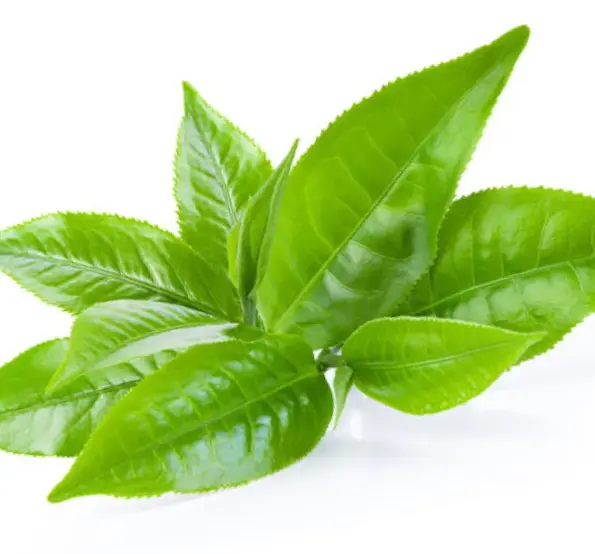
Green tea extract, derived from the leaves of Camellia sinensis, is a concentrated source of powerful antioxidants, particularly catechins like epigallocatechin gallate (EGCG). These compounds help combat oxidative stress, protecting cells from damage and promoting overall health.


Renowned for its health benefits, green tea extract supports weight management by enhancing metabolism and promoting fat oxidation. It also contributes to heart health by lowering cholesterol and reducing inflammation. Additionally, it helps regulate blood sugar levels and supports cognitive function, potentially protecting against age-related decline. These benefits make it a valuable addition to a balanced lifestyle.

Key indications

Weight Management

Several studies showed chronic green tea extract, with or without caffeine, may aid weight loss by increasing fat oxidation and energy expenditure¹. Meanwhile, a 12-week high-dose green tea extract treatment resulted in significant weight loss and reduced waist circumference in women with central obesity, potentially due to the inhibition of ghrelin secretion and increased adiponectin levels. Adiponectin is a hormone that helps regulate metabolism, enhance fat burning, and improve insulin sensitivity, which may contribute to weight loss. The study showed high-dose green tea extract (856.8mg daily) significantly reduced body weight, BMI, and waist circumference in obese women after 12 weeks².

High Cholesterol and LDL

Green tea consumption has been linked to significant reductions in total cholesterol and LDL cholesterol levels in both healthy individuals and those at risk of cardiovascular issues, supporting its positive impact on lipid profiles³,⁴. A comprehensive literature review found significant variation in the doses of green tea catechins across studies, ranging from 150mg to 2500mg per day. This wide range made it difficult to determine the ideal dose for improving blood lipid profiles, as there is no consensus on the optimal quantity³. Studies also suggest that green tea extract enhances LDL-receptor binding activity and increases LDL-receptor protein levels, potentially improving cholesterol clearance⁵.

High Blood Sugar

Green tea supplementation significantly improves blood sugar profile across various clinical trials⁶. Research suggests that green tea extract may help manage type-2 diabetes by increasing serum adiponectin levels and improving weight, BMI, and HbA1C in individuals with T2DM. The study showed patients with type-2 diabetes who consumed 1500mg of green tea daily for 8 weeks demonstrated notable improvements in glycemic response⁷.

High Blood Pressure

Studies indicate that individuals with obesity and high blood pressure experienced significant reductions in blood pressure, triglycerides, total cholesterol, and LDL cholesterol after green tea extract supplementation compared to a placebo group. The study using a dosage of 379mg of green tea extract daily for three months showed a reduction in blood pressure⁸. The antioxidants in green tea also may help reduce inflammation and support blood pressure regulation⁹.

Memory and Cognitive Decline

The antioxidants in green tea extract, have been shown to protect brain cells from oxidative stress¹⁰. This protection may help reduce the risk of cognitive decline and neurodegenerative diseases like Alzheimer’s and Parkinson’s¹⁰,¹¹. Study found green tea extract improve cognitive function, particularly working memory, by enhancing brain plasticity in parieto-frontal connections. The study found that consuming 27.5g of green tea extract improved brain connectivity and working memory in healthy individuals¹².

Non-alcoholic Fatty Liver Disease (NAFLD)

Several studies suggest green tea extract supplementation can reduce liver enzymes in patients with NAFLD. Research indicates that green tea extract could be a potential treatment for improving serum liver enzyme levels in individuals with NAFLD¹³,¹⁴. In a study with 80 NAFLD patients (ages 20–50), participants who received 500mg of green tea extract daily for 90 days showed a decrease in liver enzymes¹³.

Adverse effects

Green tea extract is generally safe. However, it may cause caffeine-related side effects such as anxiety, tremors, and sleep disturbances, especially in sensitive individuals or when taken in large doses. The specific dosage at which these side effects occur can vary based on individual sensitivity and the concentration of the extract. It is advisable to start with a lower dose and monitor your body’s response. Excess consumption may also lead to liver issues, presenting symptoms like jaundice (yellowing of the skin and eyes), nausea, and stomach pain. If these symptoms
occur, discontinue use and consult a healthcare provider¹⁵.

Dosage range

There is no standard dosage for green tea extract supplements, and the dosage may vary depending on the the safe intake level for solid extracts is 338mg EGCG content per day, while for beverages, an Observed Safe Level (OSL) of 704mg EGCG per day has been suggested¹⁷.

Contraindications/cautions

  • Green tea extract may interact with certain medications and substances, including¹⁶:


    Blood Thinners (eg. Warfarin):
    Green tea extract may affect blood clotting process.

  •  

    Theophylline:
    Combination of green tea extract and theophylline may reduce its effectiveness.


    Caffeine:
    Additional caffeine from other products (e.g. coffee, tea, soft drinks, chocolate) as it may increase heart rate and

    Adverse effects

    Green tea extract is generally safe. However, it may cause caffeine-related side effects such as anxiety, tremors, and sleep disturbances, especially in sensitive individuals or when taken in large doses. The specific dosage at which these side effects occur can vary based on individual sensitivity and the concentration of the extract. It is advisable to start with a lower dose and monitor your body’s response. Excess consumption may also lead to liver issues, presenting symptoms like jaundice (yellowing of the skin and eyes), nausea, and stomach pain. If these symptoms
    occur, discontinue use and consult a healthcare provider¹⁵.

    Dosage range

    There is no standard dosage for green tea extract supplements, and the dosage may vary depending on the the safe intake level for solid extracts is 338mg EGCG content per day, while for beverages, an Observed Safe Level (OSL) of 704mg EGCG per day has been suggested¹⁷.

    Contraindications/cautions

  • Green tea extract may interact with certain medications and substances, including¹⁶:


    Blood Thinners (eg. Warfarin):
    Green tea extract may affect blood clotting process.

  •  

    Theophylline:
    Combination of green tea extract and theophylline may reduce its effectiveness.


    Caffeine:
    Additional caffeine from other products (e.g. coffee, tea, soft drinks, chocolate) as it may increase heart rate and

    References :

    1. Hursel, R., Viechtbauer, W., & Westerterp-Plantenga, M. S. (2009). The effects of green tea on weight loss and weight maintenance: a meta-analysis. International journal of obesity, 33(9), 956-961.
    2. Chen, I. J., Liu, C. Y., Chiu, J. P., & Hsu, C. H. (2016). Therapeutic effect of high-dose green tea extract on weight reduction: A randomized, double-blind, placebo-controlled clinical trial. Clinical nutrition (Edinburgh, Scotland), 35(3), 592–599. https://doi.org/10.1016/j.clnu.2015.05.003
    3. Zheng, X. X., Xu, Y. L., Li, S. H., Liu, X. X., Hui, R., & Huang, X. H. (2011). Green tea intake lowers fasting serum total and LDL cholesterol in adults: a meta-analysis of 14 randomized controlled trials. The American journal of clinical nutrition, 94(2), 601-610.
    4. Zamani, M., Kelishadi, M. R., Ashtary-Larky, D., Amirani, N., Goudarzi, K., Torki, I. A., … & Asbaghi, O. (2023). The effects of green tea supplementation on cardiovascular risk factors: a systematic review and meta-analysis. Frontiers in Nutrition, 9, 1084455.
    5. Bursill, C. A., Abbey, M., & Roach, P. D. (2007). A green tea extract lowers plasma cholesterol by inhibiting cholesterol synthesis and upregulating the LDL receptor in the cholesterol-fed rabbit. Atherosclerosis, 193(1), 86-93.
    6. Asbaghi, O., Fouladvand, F., Gonzalez, M. J., Ashtary-Larky, D., Choghakhori, R., & Abbasnezhad, A. (2021). Effect of green tea on glycemic control in patients with type 2 diabetes mellitus: A systematic review and meta-analysis. Diabetes & Metabolic Syndrome: Clinical Research & Reviews, 15(1), 23-31.
    7. Mohammadi, S., Hasseinzadeh Attar, M. J., Karimi, M., Hossainnezhad, A., Eshraghian, M. R., Hosseini, S. H., … & Jafari, N. (2010). The effects of green tea extract on serum adiponectin concentration and insulin resistance in patients with type 2 diabetes mellitus. Journal of Advances in Medical and Biomedical Research, 18(70), 44-57.
    8. Bogdanski, P., Suliburska, J., Szulinska, M., Stepien, M., Pupek-Musialik, D., & Jablecka, A. (2012). Green tea extract reduces blood pressure, inflammatory biomarkers, and oxidative stress and improves parameters associated with insulin resistance in obese, hypertensive patients. Nutrition research, 32(6), 421-427.
    9. Semeco, A. (2023, May 31). 10 benefits of green tea extract. Healthline. https://www.healthline.com/nutrition/10-benefits-of-green-tea-extract#3-Good-for-the-brain
    10. Fukutomi, R., Ohishi, T., Koyama, Y., Pervin, M., Nakamura, Y., & Isemura, M. (2021). Beneficial Effects of Epigallocatechin-3-O-Gallate, Chlorogenic Acid, Resveratrol, and Curcumin on Neurodegenerative Diseases. Molecules (Basel, Switzerland), 26(2), 415. https://doi.org/10.3390/molecules26020415
    11. Pervin, M., Unno, K., Ohishi, T., Tanabe, H., Miyoshi, N., & Nakamura, Y. (2018). Beneficial Effects of Green Tea Catechins on Neurodegenerative Diseases. Molecules (Basel, Switzerland), 23(6), 1297. https://doi.org/10.3390/molecules23061297
    12. Schmidt, A., Hammann, F., Wölnerhanssen, B., Meyer-Gerspach, A. C., Drewe, J., Beglinger, C., & Borgwardt, S. (2014). Green tea extract enhances parieto-frontal connectivity during working memory processing. Psychopharmacology, 231(19), 3879–3888. https://doi.org/10.1007/s00213-014-3526-1
    13. Pezeshki, A., Safi, S., Feizi, A., Askari, G., & Karami, F. (2016). The Effect of Green Tea Extract Supplementation on Liver Enzymes in Patients with Nonalcoholic Fatty Liver Disease. International journal of preventive medicine, 7, 28. https://doi.org/10.4103/2008-7802.173051
    14. Sakata, R., Nakamura, T., Torimura, T., Ueno, T., & Sata, M. (2013). Green tea with high-density catechins improves liver function and fat infiltration in non-alcoholic fatty liver disease (NAFLD) patients: a double-blind placebo-controlled study. International journal of molecular medicine, 32(5), 989–994. https://doi.org/10.3892/ijmm.2013.1503
    15. URMC. (n.d.). Green tea extract. University of Rochester Medical Center. https://www.urmc.rochester.edu/encyclopedia/content?contenttypeid=19&contentid=greenteaextract
    16. WebMD. (n.d.). Green Tea Leaf Extract Oral: Uses, side effects, interactions, pictures, warnings & dosing. WebMD. https://www.webmd.com/drugs/2/drug-76714/green-tea-leaf-extract-oral/details
    17. Hu, J., Webster, D., Cao, J., & Shao, A. (2018). The safety of green tea and green tea extract consumption in adults–results of a systematic review. Regulatory toxicology and pharmacology, 95, 412-433.

    References :

    1. Hursel, R., Viechtbauer, W., & Westerterp-Plantenga, M. S. (2009). The effects of green tea on weight loss and weight maintenance: a meta-analysis. International journal of obesity, 33(9), 956-961.
    2. Chen, I. J., Liu, C. Y., Chiu, J. P., & Hsu, C. H. (2016). Therapeutic effect of high-dose green tea extract on weight reduction: A randomized, double-blind, placebo-controlled clinical trial. Clinical nutrition (Edinburgh, Scotland), 35(3), 592–599. https://doi.org/10.1016/j.clnu.2015.05.003
    3. Zheng, X. X., Xu, Y. L., Li, S. H., Liu, X. X., Hui, R., & Huang, X. H. (2011). Green tea intake lowers fasting serum total and LDL cholesterol in adults: a meta-analysis of 14 randomized controlled trials. The American journal of clinical nutrition, 94(2), 601-610.
    4. Zamani, M., Kelishadi, M. R., Ashtary-Larky, D., Amirani, N., Goudarzi, K., Torki, I. A., … & Asbaghi, O. (2023). The effects of green tea supplementation on cardiovascular risk factors: a systematic review and meta-analysis. Frontiers in Nutrition, 9, 1084455.
    5. Bursill, C. A., Abbey, M., & Roach, P. D. (2007). A green tea extract lowers plasma cholesterol by inhibiting cholesterol synthesis and upregulating the LDL receptor in the cholesterol-fed rabbit. Atherosclerosis, 193(1), 86-93.
    6. Asbaghi, O., Fouladvand, F., Gonzalez, M. J., Ashtary-Larky, D., Choghakhori, R., & Abbasnezhad, A. (2021). Effect of green tea on glycemic control in patients with type 2 diabetes mellitus: A systematic review and meta-analysis. Diabetes & Metabolic Syndrome: Clinical Research & Reviews, 15(1), 23-31.
    7. Mohammadi, S., Hasseinzadeh Attar, M. J., Karimi, M., Hossainnezhad, A., Eshraghian, M. R., Hosseini, S. H., … & Jafari, N. (2010). The effects of green tea extract on serum adiponectin concentration and insulin resistance in patients with type 2 diabetes mellitus. Journal of Advances in Medical and Biomedical Research, 18(70), 44-57.
    8. Bogdanski, P., Suliburska, J., Szulinska, M., Stepien, M., Pupek-Musialik, D., & Jablecka, A. (2012). Green tea extract reduces blood pressure, inflammatory biomarkers, and oxidative stress and improves parameters associated with insulin resistance in obese, hypertensive patients. Nutrition research, 32(6), 421-427.
    9. Semeco, A. (2023, May 31). 10 benefits of green tea extract. Healthline. https://www.healthline.com/nutrition/10-benefits-of-green-tea-extract#3-Good-for-the-brain
    10. Fukutomi, R., Ohishi, T., Koyama, Y., Pervin, M., Nakamura, Y., & Isemura, M. (2021). Beneficial Effects of Epigallocatechin-3-O-Gallate, Chlorogenic Acid, Resveratrol, and Curcumin on Neurodegenerative Diseases. Molecules (Basel, Switzerland), 26(2), 415. https://doi.org/10.3390/molecules26020415
    11. Pervin, M., Unno, K., Ohishi, T., Tanabe, H., Miyoshi, N., & Nakamura, Y. (2018). Beneficial Effects of Green Tea Catechins on Neurodegenerative Diseases. Molecules (Basel, Switzerland), 23(6), 1297. https://doi.org/10.3390/molecules23061297
    12. Schmidt, A., Hammann, F., Wölnerhanssen, B., Meyer-Gerspach, A. C., Drewe, J., Beglinger, C., & Borgwardt, S. (2014). Green tea extract enhances parieto-frontal connectivity during working memory processing. Psychopharmacology, 231(19), 3879–3888. https://doi.org/10.1007/s00213-014-3526-1
    13. Pezeshki, A., Safi, S., Feizi, A., Askari, G., & Karami, F. (2016). The Effect of Green Tea Extract Supplementation on Liver Enzymes in Patients with Nonalcoholic Fatty Liver Disease. International journal of preventive medicine, 7, 28. https://doi.org/10.4103/2008-7802.173051
    14. Sakata, R., Nakamura, T., Torimura, T., Ueno, T., & Sata, M. (2013). Green tea with high-density catechins improves liver function and fat infiltration in non-alcoholic fatty liver disease (NAFLD) patients: a double-blind placebo-controlled study. International journal of molecular medicine, 32(5), 989–994. https://doi.org/10.3892/ijmm.2013.1503
    15. URMC. (n.d.). Green tea extract. University of Rochester Medical Center. https://www.urmc.rochester.edu/encyclopedia/content?contenttypeid=19&contentid=greenteaextract
    16. WebMD. (n.d.). Green Tea Leaf Extract Oral: Uses, side effects, interactions, pictures, warnings & dosing. WebMD. https://www.webmd.com/drugs/2/drug-76714/green-tea-leaf-extract-oral/details
    17. Hu, J., Webster, D., Cao, J., & Shao, A. (2018). The safety of green tea and green tea extract consumption in adults–results of a systematic review. Regulatory toxicology and pharmacology, 95, 412-433.

    The material is prepared for informational purposes only and should not be construed as a piece of personal medical advice. Owing to each person’s varying health needs, a physician should be consulted before acting on any information provided in this material. Although every effort is made to ensure that this material is accurate, it is compiled for internal use only and should not be considered definitive. Neither VitaHealth nor its employees, or information providers shall be responsible or liable for any errors, inaccuracies, or other defects in the information contained in this publication.

    You might also be interested in

    Inositol

    Hop extract, is the extract of hops which in turn are the dried, flowering parts of the hops plant (Humulus lupulus). This plant is twining

    READ MORE

    Hop Extract

    Hop extract, is the extract of hops which in turn are the dried, flowering parts of the hops plant (Humulus lupulus). This plant is twining

    READ MORE

    Gymnema

    Gymnema sylvestre, commonly known as Gymnema or “Gurmar” (meaning “sugar destroyer” in Hindi), is a woody climbing shrub native to India, Africa, and Australia. It

    READ MORE
    My Cart
    Close Wishlist
    Close Recently Viewed
    Categories