Ingredients A-Z

Eyebright Extract

Overview

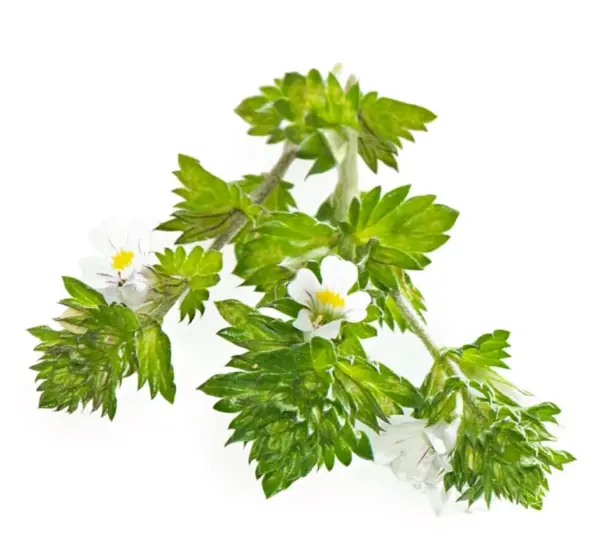
Eyebright extract (Euphrasia officinalis) is a unique and highly beneficial herbal extract, revered for its traditional use in treating eye conditions and its broad range of therapeutic properties¹. The plant is found throughout Europe, Asia, and North America. The plant’s leaves, flowers, and stems are all used to make extracts and infusions for medicinal purposes, making it a widely known remedy in traditional and modern herbal medicine. Eyebright has gained popularity in the wellness industry, especially in products aimed at supporting eye health and reducing inflammation². With its natural bioactive compounds, eyebright extract is a valuable ingredient in cosmetics, supplements, and skincare, known for its potent antioxidant, anti-inflammatory, and antimicrobial effects³.


Key indications

Support Eye Health and Vision

Eyebright supports eye health through its anti-inflammatory, antioxidant, and astringent properties³. The main active ingredients in eyebright that help reduce eye strain are flavonoids, tannins and iridoid glycosides². It reduces eye irritation and inflammation, helping to soothe discomfort from conditions like conjunctivitis or eye strain. The herb also helps in protecting eye cells from oxidative stress, reducing excessive tear production, promoting overall eye comfort and health¹.

Anti-inflammation

Eyebright contains flavonoids and iridoid glycosides, which have been shown to reduce the production of pro inflammatory cytokines and inhibit the activity of inflammatory mediators⁴. These compounds block the inflammatory pathways that cause irritation, swelling, and redness, especially in the eyes. By reducing inflammation, it helps to alleviate conditions like conjunctivitis, blepharitis, and general eye irritation².

Antioxidant

Eyebright’s antioxidant properties help reduce oxidative stress and cell apoptosis, by preventing unnecessary or premature cell death, promoting the survival of healthy cells and maintaining tissue integrity¹. The antioxidant compounds in eyebright, particularly flavonoids and phenolic acids, help neutralize free radicals and reactive oxygen species (ROS)⁵. These free radicals can cause oxidative damage to cells and tissues in the eyes, contributing to conditions like dry eye syndrome, cataracts, and age-related macular degeneration. Study demonstrated that eyebright exhibits antioxidant properties by scavenging ABTS radicals, correlating with its high phenolic content1. This is why antioxidant is important to prevent or slow the progression of eye diseases like cataracts and age-related macular degeneration (AMD).

Antimicrobial

Eyebright has mild antibacterial and antiviral properties, which can help combat infections like bacterial conjunctivitis or viral conjunctivitis⁶. The active compounds in eyebright, such as flavonoids, glycosides, and saponins, exhibit a broad-spectrum antimicrobial effect by disrupting microbial cell membranes or inhibiting microbial growth⁷. It is also used to treat allergies with bland nasal discharge and profuse watery eye discharge that is irritating7. The antimicrobial properties of eyebright make it an effective herb for managing and treating a variety of eye infections, including bacterial, viral, and fungal conditions.

Support Eye Health and Vision

Eyebright supports eye health through its anti-inflammatory, antioxidant, and astringent properties³. The main active ingredients in eyebright that help reduce eye strain are flavonoids, tannins and iridoid glycosides². It reduces eye irritation and inflammation, helping to soothe discomfort from conditions like conjunctivitis or eye strain. The herb also helps in protecting eye cells from oxidative stress, reducing excessive tear production, promoting overall eye comfort and health¹.

Anti-inflammation

Eyebright contains flavonoids and iridoid glycosides, which have been shown to reduce the production of pro inflammatory cytokines and inhibit the activity of inflammatory mediators⁴. These compounds block the inflammatory pathways that cause irritation, swelling, and redness, especially in the eyes. By reducing inflammation, it helps to alleviate conditions like conjunctivitis, blepharitis, and general eye irritation².

Antioxidant

Eyebright’s antioxidant properties help reduce oxidative stress and cell apoptosis, by preventing unnecessary or premature cell death, promoting the survival of healthy cells and maintaining tissue integrity¹. The antioxidant compounds in eyebright, particularly flavonoids and phenolic acids, help neutralize free radicals and reactive oxygen species (ROS)⁵. These free radicals can cause oxidative damage to cells and tissues in the eyes, contributing to conditions like dry eye syndrome, cataracts, and age-related macular degeneration. Study demonstrated that eyebright exhibits antioxidant properties by scavenging ABTS radicals, correlating with its high phenolic content1. This is why antioxidant is important to prevent or slow the progression of eye diseases like cataracts and age-related macular degeneration (AMD).

Antimicrobial

Eyebright has mild antibacterial and antiviral properties, which can help combat infections like bacterial conjunctivitis or viral conjunctivitis⁶. The active compounds in eyebright, such as flavonoids, glycosides, and saponins, exhibit a broad-spectrum antimicrobial effect by disrupting microbial cell membranes or inhibiting microbial growth⁷. It is also used to treat allergies with bland nasal discharge and profuse watery eye discharge that is irritating7. The antimicrobial properties of eyebright make it an effective herb for managing and treating a variety of eye infections, including bacterial, viral, and fungal conditions.

Astringent properties

Eyebright’s astringent properties reduce mucous drainage and counteract inflammation. The astringent properties of eyebright play a key role in promoting eye health, particularly in conditions that involve excess secretion, irritation, or inflammation⁸. The astringent properties of eyebright are also helpful in soothing tired or strained eyes, particularly after prolonged screen time or reading. For people suffering from dry eye syndrome, where the eyes lack sufficient moisture, the astringent properties of eyebright can help balance the tear film by regulating the amount of fluid production⁹.

Adverse effects

Maximum dosage of eyebright is 2000mg¹⁰. Common side effects when consume more than 2000mg are headache, confusion, sneezing, cough, trouble breathing, nausea, constipation, tooth pain, sweating; or sleep problems (insomnia)¹¹.

Dosage range

400-470mg per capsule, taken 2-3 times daily¹⁰.

Contraindications/cautions

Medications for diabetes
Eyebright might lower blood sugar levels. Taking eyebright along with diabetes medications might cause blood sugar to drop too low.


Insufficient reliable information available for children, pregnancy and lactation.

Adverse effects

Maximum dosage of eyebright is 2000mg¹⁰. Common side effects when consume more than 2000mg are headache, confusion, sneezing, cough, trouble breathing, nausea, constipation, tooth pain, sweating; or sleep problems (insomnia)¹¹.

Dosage range

400-470mg per capsule, taken 2-3 times daily¹⁰.

Contraindications/cautions

Medications for diabetes
Eyebright might lower blood sugar levels. Taking eyebright along with diabetes medications might cause blood sugar to drop too low.


Insufficient reliable information available for children, pregnancy and lactation.

References :

  1. Liu, Y., Hwang, E., Ngo, H. T. T., Perumalsamy, H., Kim, Y. J., Li, L., & Yi, T. (2018). Protective Effects of Euphrasia officinalis Extract against Ultraviolet B-Induced Photoaging in Normal Human Dermal Fibroblasts. International Journal of Molecular Sciences, 19(11), 3327. https://doi.org/10.3390/ijms19113327
  2. Paduch, R., Woźniak, A., Niedziela, P., & Rejdak, R. (2014). Assessment of eyebright (Euphrasia officinalis L.) extract activity in relation to human corneal cells using in vitro tests. Balkan Medical Journal, 33(1), 29–36. https://doi.org/10.5152/balkanmedj.2014.8377
  3. G lb u, C., Irimie, M., Neculau, A. E., Dima, L., Da Silva, L. P., Vârciu, M., & Badea, M. (2024). The Potential of plant extracts used in Cosmetic product Applications—Antioxidants Delivery and Mechanism of Actions. Antioxidants, 13(11), 1425. https://doi.org/10.3390/antiox13111425
  4. Wang, C., Gong, X., Bo, A., Zhang, L., Zhang, M., Zang, E., Zhang, C., & Li, M. (2020). Iridoids: Research advances in their phytochemistry, biological activities, and pharmacokinetics. Molecules, 25(2), 287. https://doi.org/10.3390/molecules25020287
  5. Goławska, S., Łukasik, I., Chojnacki, A. A., & Chrzanowski, G. (2023). Flavonoids and Phenolic Acids Content in Cultivation and Wild Collection of European Cranberry Bush Viburnum opulus L. Molecules, 28(5), 2285. https://doi.org/10.3390/molecules28052285
  6. Novy, P., Davidova, H., Serrano-Rojero, C. S., Rondevaldova, J., Pulkrabek, J., & Kokoska, L. (2015c). Composition and antimicrobial activity ofEuphrasia RostkovianaHayne Essential Oil. Evidence-based Complementary and Alternative Medicine, 2015, 1–5. https://doi.org/10.1155/2015/734101
  7. Shamsudin, N. F., Ahmed, Q. U., Mahmood, S., Shah, S. a. A., Khatib, A., Mukhtar, S., Alsharif, M. A., Parveen, H., & Zakaria, Z. A. (2022). Antibacterial Effects of Flavonoids and Their Structure-Activity Relationship Study: A Comparative interpretation. Molecules, 27(4), 1149. https://doi.org/10.3390/molecules27041149
  8. Teixeira, R., & Silva, L. R. (2013). Bioactive compounds and in vitro biological activity of Euphrasia rostkoviana Hayne extracts. Industrial Crops and Products, 50, 680–689. https://doi.org/10.1016/j.indcrop.2013.08.035
  9. Paduch, R., Woźniak, A., Niedziela, P., & Rejdak, R. (2014c). Assessment of eyebright (Euphrasia officinalis L.) extract activity in relation to human corneal cells using in vitro tests. Balkan Medical Journal, 33(1), 29–36. https://doi.org/10.5152/balkanmedj.2014.8377
  10. Rd, M. M. M. (2023, July 13). Do Eyebright drops and supplements benefit health? Healthline. https://www.healthline.com/nutrition/eyebright#forms-and-dosages
  11. EYEBRIGHT: Overview, uses, side effects, precautions, interactions, dosing and reviews. (n.d.). https://www.webmd.com/vitamins/ai/ingredientmono-109/eyebright

References :

  1. Liu, Y., Hwang, E., Ngo, H. T. T., Perumalsamy, H., Kim, Y. J., Li, L., & Yi, T. (2018). Protective Effects of Euphrasia officinalis Extract against Ultraviolet B-Induced Photoaging in Normal Human Dermal Fibroblasts. International Journal of Molecular Sciences, 19(11), 3327. https://doi.org/10.3390/ijms19113327
  2. Paduch, R., Woźniak, A., Niedziela, P., & Rejdak, R. (2014). Assessment of eyebright (Euphrasia officinalis L.) extract activity in relation to human corneal cells using in vitro tests. Balkan Medical Journal, 33(1), 29–36. https://doi.org/10.5152/balkanmedj.2014.8377
  3. G lb u, C., Irimie, M., Neculau, A. E., Dima, L., Da Silva, L. P., Vârciu, M., & Badea, M. (2024). The Potential of plant extracts used in Cosmetic product Applications—Antioxidants Delivery and Mechanism of Actions. Antioxidants, 13(11), 1425. https://doi.org/10.3390/antiox13111425
  4. Wang, C., Gong, X., Bo, A., Zhang, L., Zhang, M., Zang, E., Zhang, C., & Li, M. (2020). Iridoids: Research advances in their phytochemistry, biological activities, and pharmacokinetics. Molecules, 25(2), 287. https://doi.org/10.3390/molecules25020287
  5. Goławska, S., Łukasik, I., Chojnacki, A. A., & Chrzanowski, G. (2023). Flavonoids and Phenolic Acids Content in Cultivation and Wild Collection of European Cranberry Bush Viburnum opulus L. Molecules, 28(5), 2285. https://doi.org/10.3390/molecules28052285
  6. Novy, P., Davidova, H., Serrano-Rojero, C. S., Rondevaldova, J., Pulkrabek, J., & Kokoska, L. (2015c). Composition and antimicrobial activity ofEuphrasia RostkovianaHayne Essential Oil. Evidence-based Complementary and Alternative Medicine, 2015, 1–5. https://doi.org/10.1155/2015/734101
  7. Shamsudin, N. F., Ahmed, Q. U., Mahmood, S., Shah, S. a. A., Khatib, A., Mukhtar, S., Alsharif, M. A., Parveen, H., & Zakaria, Z. A. (2022). Antibacterial Effects of Flavonoids and Their Structure-Activity Relationship Study: A Comparative interpretation. Molecules, 27(4), 1149. https://doi.org/10.3390/molecules27041149
  8. Teixeira, R., & Silva, L. R. (2013). Bioactive compounds and in vitro biological activity of Euphrasia rostkoviana Hayne extracts. Industrial Crops and Products, 50, 680–689. https://doi.org/10.1016/j.indcrop.2013.08.035
  9. Paduch, R., Woźniak, A., Niedziela, P., & Rejdak, R. (2014c). Assessment of eyebright (Euphrasia officinalis L.) extract activity in relation to human corneal cells using in vitro tests. Balkan Medical Journal, 33(1), 29–36. https://doi.org/10.5152/balkanmedj.2014.8377
  10. Rd, M. M. M. (2023, July 13). Do Eyebright drops and supplements benefit health? Healthline. https://www.healthline.com/nutrition/eyebright#forms-and-dosages
  11. EYEBRIGHT: Overview, uses, side effects, precautions, interactions, dosing and reviews. (n.d.). https://www.webmd.com/vitamins/ai/ingredientmono-109/eyebright

The material is prepared for informational purposes only and should not be construed as a piece of personal medical advice. Owing to each person’s varying health needs, a physician should be consulted before acting on any information provided in this material. Although every effort is made to ensure that this material is accurate, it is compiled for internal use only and should not be considered definitive. Neither VitaHealth nor its employees, or information providers shall be responsible or liable for any errors, inaccuracies, or other defects in the information contained in this publication.

You might also be interested in

Fish Oil

Fish oil is rich in omega-3 fatty acids, particularly eicosapentaenoic acid (EPA) and docosahexaenoic acid (DHA), which are derived from fatty fish such as salmon

READ MORE

Eyebright Extract

Eyebright extract (Euphrasia officinalis) is a unique and highly beneficial herbal extract, revered for its traditional use in treating eye conditions and its broad range

READ MORE

Evening Primrose Oil

Evening primrose, Oenothera biennis was first grown by North American Indians², is a plant native to North and South America grows throughout Europe and some

READ MORE
My Cart
Close Wishlist
Close Recently Viewed
Categories