Ingredients A-Z

Choline Bitartrate

Overview

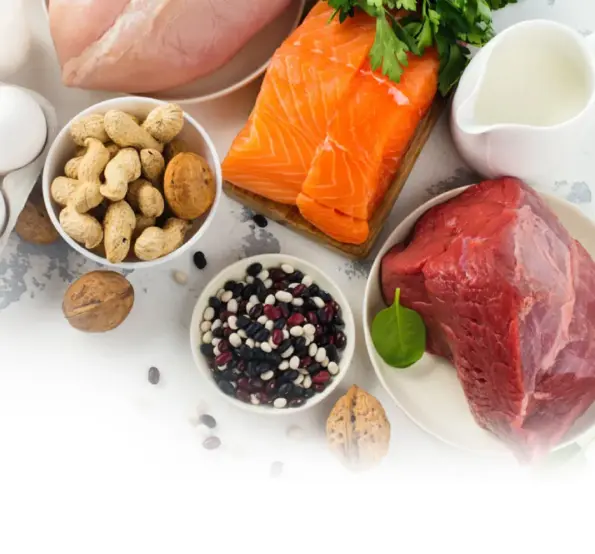
Choline bitartrate is a combination of choline, an essential nutrient, and tartaric acid. It is neither vitamin nor mineral, but it is often grouped with B vitamins because it has similar function. Combination of choline and tartaric acid, helps enhance its stability and bioavailability¹. Choline is commonly used as a supplement to support cognitive functions, liver health, and overall cellular function². It has been shown to represent an effective strategy for boosting memory and enhancing cognitive function³. Choline can be found in foods such as eggs, liver, fish, and soybeans, but it can also be obtained through supplements, especially when dietary intake is insufficient⁴.


Key indications

Improve Cognitive Function

Choline improves cognitive function primarily by increasing acetylcholine levels in the brain². Acetylcholine is a neurotransmitter essential for memory, learning, and attention. Choline helps maintain cell membrane integrity in brain cells, promoting optimal neural communication and reducing cognitive decline³. Studies show that choline supplementation can improve memory, prevent cognitive decline, and even reduce the risk of Alzheimer’s disease⁴. In pregnancy, choline supports fetal brain development, leading to better cognitive function in offspring⁵.

Liver Health and Fat Metabolism

Choline plays an essential role in preventing fat accumulation in the liver, which is crucial in managing non-alcoholic fatty liver disease (NAFLD)⁶,⁷. It helps produce phosphatidylcholine, a key component of liver cell membranes, which is essential for the transport and breakdown of fats². Without adequate choline, fat can build up in the liver, leading to NAFLD2. A study shows that choline deficiency can lead to fatty liver and liver damage, emphasizing its crucial role in protecting the liver⁴. Supplementation with choline also shown to reduce liver inflammation⁸.

Cardiovascular Health

Choline supports cardiovascular health by helping to regulate homocysteine levels. High homocysteine is a risk factor for cardiovascular diseases, as it can damage blood vessels and increase the risk of blood clots. Choline helps the body convert homocysteine to methionine, an essential acid that may protect blood vessels from damage⁴. By maintaining balanced homocysteine levels, choline helps protect the cardiovascular system and reduces the risk of cardiovascular diseases.

Hormonal Balance

Choline helps regulate hormonal balance by supporting the production of phospholipids such as phosphatidylcholine, which are essential for cell membrane integrity and proper receptor function. These phospholipids enable effective hormone signalling by allowing hormones to bind to their receptors and activate responses which involved in stress, metabolism, and reproduction. Low choline intake can increase the risk of organ dysfunction in postmenopausal women. This is because estrogen induces the enzyme phosphatidylethanolamine-N-methyltransferase (PEMT), which catalyses the production of phosphatidylcholine. Postmenopausal women have lower estrogen levels, so they may be more susceptible to organ dysfunction from a low-choline diet⁹.

Improve Cognitive Function

Choline improves cognitive function primarily by increasing acetylcholine levels in the brain². Acetylcholine is a neurotransmitter essential for memory, learning, and attention. Choline helps maintain cell membrane integrity in brain cells, promoting optimal neural communication and reducing cognitive decline³. Studies show that choline supplementation can improve memory, prevent cognitive decline, and even reduce the risk of Alzheimer’s disease⁴. In pregnancy, choline supports fetal brain development, leading to better cognitive function in offspring⁵.

Liver Health and Fat Metabolism

Choline plays an essential role in preventing fat accumulation in the liver, which is crucial in managing non-alcoholic fatty liver disease (NAFLD)⁶,⁷. It helps produce phosphatidylcholine, a key component of liver cell membranes, which is essential for the transport and breakdown of fats². Without adequate choline, fat can build up in the liver, leading to NAFLD2. A study shows that choline deficiency can lead to fatty liver and liver damage, emphasizing its crucial role in protecting the liver⁴. Supplementation with choline also shown to reduce liver inflammation⁸.

Cardiovascular Health

Choline supports cardiovascular health by helping to regulate homocysteine levels. High homocysteine is a risk factor for cardiovascular diseases, as it can damage blood vessels and increase the risk of blood clots. Choline helps the body convert homocysteine to methionine, an essential acid that may protect blood vessels from damage⁴. By maintaining balanced homocysteine levels, choline helps protect the cardiovascular system and reduces the risk of cardiovascular diseases.

Hormonal Balance

Choline helps regulate hormonal balance by supporting the production of phospholipids such as phosphatidylcholine, which are essential for cell membrane integrity and proper receptor function. These phospholipids enable effective hormone signalling by allowing hormones to bind to their receptors and activate responses which involved in stress, metabolism, and reproduction. Low choline intake can increase the risk of organ dysfunction in postmenopausal women. This is because estrogen induces the enzyme phosphatidylethanolamine-N-methyltransferase (PEMT), which catalyses the production of phosphatidylcholine. Postmenopausal women have lower estrogen levels, so they may be more susceptible to organ dysfunction from a low-choline diet⁹.

Reduced Inflammation and Stress

Choline can reduce inflammation by activating α7 nicotinic receptors (α7nAChRs) on immune cells, which inhibits the release of proinflammatory cytokines. This process is known as the cholinergic anti-inflammatory pathway (CAP)¹⁰. Choline might also help decrease swelling and inflammation related to asthma. Choline therapy modulates immune inflammation and suppresses oxidative stress in asthma patients¹¹. Although the direct effects of choline on asthma are not widely studied, its role in inflammation suggests it could be beneficial in managing asthma symptoms by reducing airway inflammation¹¹.

Adverse effects

Dosage over 3.5g of choline daily might cause side effects such as sweating, a fishy body odour, diarrhea, and vomiting².

Dosage range

Choline bitartrate is often found in supplements in various doses, commonly ranging from 250mg to 500mg per serving. It is typically recommended to start at the lower end of the range and gradually increase the dosage if needed².


Choline is likely safe for most people when taken in doses below 3.5g daily².


Adult Male: 425mg¹²


Adult Female: 550mg¹²


Pregnant: 450mg¹²


Breastfeeding 550mg¹²

Contraindications/cautions

There are no known interactions between choline and any food or medicine².


Taking choline with atropine might decrease the effects of atropine¹².


Insufficient reliable information for children.

Adverse effects

Dosage over 3.5g of choline daily might cause side effects such as sweating, a fishy body odour, diarrhea, and vomiting².

Dosage range

Choline bitartrate is often found in supplements in various doses, commonly ranging from 250mg to 500mg per serving. It is typically recommended to start at the lower end of the range and gradually increase the dosage if needed².


Choline is likely safe for most people when taken in doses below 3.5g daily².


Adult Male: 425mg¹²


Adult Female: 550mg¹²


Pregnant: 450mg¹²


Breastfeeding 550mg¹²

Contraindications/cautions

There are no known interactions between choline and any food or medicine².


Taking choline with atropine might decrease the effects of atropine¹².


Insufficient reliable information for children.

References :

  1. Gangurde, A., Sav, A., Javeer, S., Moravkar, K., Pawar, J., & Amin, P. (2015). Modified extrusion-spheronization as a technique of microencapsulation for stabilization of choline bitartrate using hydrogenated soya bean oil. International Journal of Pharmaceutical Investigation, 5(4), 275. https://doi.org/10.4103/2230-973x.167696
  2. Office of Dietary Supplements – Choline. (n.d.-a). https://ods.od.nih.gov/factsheets/Choline-HealthProfessional/
  3. Kansakar, U., Trimarco, V., Mone, P., Varzideh, F., Lombardi, A., & Santulli, G. (2023b). Choline supplements: An update. Frontiers in Endocrinology, 14. https://doi.org/10.3389/fendo.2023.1148166
  4. Zeisel, S. H., & Da Costa, K. (2009). Choline: an essential nutrient for public health. Nutrition Reviews, 67(11), 615–623. https://doi.org/10.1111/j.1753-4887.2009.00246.x
  5. Irvine, N., England-Mason, G., Field, C. J., Dewey, D., & Aghajafari, F. (2022). Prenatal folate and choline Levels and Brain and Cognitive Development in Children: A Critical Narrative review. Nutrients, 14(2), 364. https://doi.org/10.3390/nu14020364
  6. Corbin, K. D., & Zeisel, S. H. (2011). Choline metabolism provides novel insights into nonalcoholic fatty liver disease and its progression. Current Opinion in Gastroenterology, 28(2), 159–165. https://doi.org/10.1097/mog.0b013e32834e7b4b
  7. Sherriff, J. L., O’Sullivan, T. A., Properzi, C., Oddo, J., & Adams, L. A. (2016). Choline, its potential role in nonalcoholic fatty liver disease, and the case for human and bacterial genes. Advances in Nutrition, 7(1), 5–13. https://doi.org/10.3945/an.114.007955
  8. Sánchez, V., Baumann, A., Kromm, F., Yergaliyev, T., Brandt, A., Scholda, J., Kopp, F., Camarinha-Silva, A., & Bergheim, I. (2024). Oral supplementation of choline attenuates the development of alcohol-related liver disease (ALD). Molecular Medicine, 30(1). https://doi.org/10.1186/s10020-024-00950-4
  9. Fischer, L. M., Da Costa, K., Kwock, L., Galanko, J., & Zeisel, S. H. (2010). Dietary choline requirements of women: effects of estrogen and genetic variation. American Journal of Clinical Nutrition, 92(5), 1113–1119. https://doi.org/10.3945/ajcn.2010.30064
  10. Rowley, T., McKinstry, A., Greenidge, E., Smith, W., & Flood, P. (2010). Antinociceptive and anti-inflammatory effects of choline in a mouse model of postoperative pain. British Journal of Anaesthesia, 105(2), 201–207. https://doi.org/10.1093/bja/aeq113
  11. Mehta, A. K., Singh, B. P., Arora, N., & Gaur, S. N. (2009). Choline attenuates immune inflammation and suppresses oxidative stress in patients with asthma. Immunobiology, 215(7), 527–534. https://doi.org/10.1016/j.imbio.2009.09.004
  12. CHOLINE: Overview, uses, side effects, precautions, interactions, dosing and reviews. (n.d.). https://www.webmd.com/vitamins/ai/ingredientmono-436/choline

References :

  1. Gangurde, A., Sav, A., Javeer, S., Moravkar, K., Pawar, J., & Amin, P. (2015). Modified extrusion-spheronization as a technique of microencapsulation for stabilization of choline bitartrate using hydrogenated soya bean oil. International Journal of Pharmaceutical Investigation, 5(4), 275. https://doi.org/10.4103/2230-973x.167696
  2. Office of Dietary Supplements – Choline. (n.d.-a). https://ods.od.nih.gov/factsheets/Choline-HealthProfessional/
  3. Kansakar, U., Trimarco, V., Mone, P., Varzideh, F., Lombardi, A., & Santulli, G. (2023b). Choline supplements: An update. Frontiers in Endocrinology, 14. https://doi.org/10.3389/fendo.2023.1148166
  4. Zeisel, S. H., & Da Costa, K. (2009). Choline: an essential nutrient for public health. Nutrition Reviews, 67(11), 615–623. https://doi.org/10.1111/j.1753-4887.2009.00246.x
  5. Irvine, N., England-Mason, G., Field, C. J., Dewey, D., & Aghajafari, F. (2022). Prenatal folate and choline Levels and Brain and Cognitive Development in Children: A Critical Narrative review. Nutrients, 14(2), 364. https://doi.org/10.3390/nu14020364
  6. Corbin, K. D., & Zeisel, S. H. (2011). Choline metabolism provides novel insights into nonalcoholic fatty liver disease and its progression. Current Opinion in Gastroenterology, 28(2), 159–165. https://doi.org/10.1097/mog.0b013e32834e7b4b
  7. Sherriff, J. L., O’Sullivan, T. A., Properzi, C., Oddo, J., & Adams, L. A. (2016). Choline, its potential role in nonalcoholic fatty liver disease, and the case for human and bacterial genes. Advances in Nutrition, 7(1), 5–13. https://doi.org/10.3945/an.114.007955
  8. Sánchez, V., Baumann, A., Kromm, F., Yergaliyev, T., Brandt, A., Scholda, J., Kopp, F., Camarinha-Silva, A., & Bergheim, I. (2024). Oral supplementation of choline attenuates the development of alcohol-related liver disease (ALD). Molecular Medicine, 30(1). https://doi.org/10.1186/s10020-024-00950-4
  9. Fischer, L. M., Da Costa, K., Kwock, L., Galanko, J., & Zeisel, S. H. (2010). Dietary choline requirements of women: effects of estrogen and genetic variation. American Journal of Clinical Nutrition, 92(5), 1113–1119. https://doi.org/10.3945/ajcn.2010.30064
  10. Rowley, T., McKinstry, A., Greenidge, E., Smith, W., & Flood, P. (2010). Antinociceptive and anti-inflammatory effects of choline in a mouse model of postoperative pain. British Journal of Anaesthesia, 105(2), 201–207. https://doi.org/10.1093/bja/aeq113
  11. Mehta, A. K., Singh, B. P., Arora, N., & Gaur, S. N. (2009). Choline attenuates immune inflammation and suppresses oxidative stress in patients with asthma. Immunobiology, 215(7), 527–534. https://doi.org/10.1016/j.imbio.2009.09.004
  12. CHOLINE: Overview, uses, side effects, precautions, interactions, dosing and reviews. (n.d.). https://www.webmd.com/vitamins/ai/ingredientmono-436/choline

The material is prepared for informational purposes only and should not be construed as a piece of personal medical advice. Owing to each person’s varying health needs, a physician should be consulted before acting on any information provided in this material. Although every effort is made to ensure that this material is accurate, it is compiled for internal use only and should not be considered definitive. Neither VitaHealth nor its employees, or information providers shall be responsible or liable for any errors, inaccuracies, or other defects in the information contained in this publication.

You might also be interested in

Coenzyme Q10

Coenzyme Q10, or CoQ10, is one of the antioxidants found in all human cells and it is fat-soluble. Endogenous CoQ10 can be found in highest

READ MORE

Cod Liver Oil

Cod liver oil is extracted from fresh livers of Atlantic cod and other species of the family Gadidae. It is an excellent source of omega-3

READ MORE

Choline Bitartrate

Choline bitartrate is a combination of choline, an essential nutrient, and tartaric acid. It is neither vitamin nor mineral, but it is often grouped with

READ MORE
My Cart
Close Wishlist
Close Recently Viewed
Categories