Ingredients A-Z

Probiotics

Overview

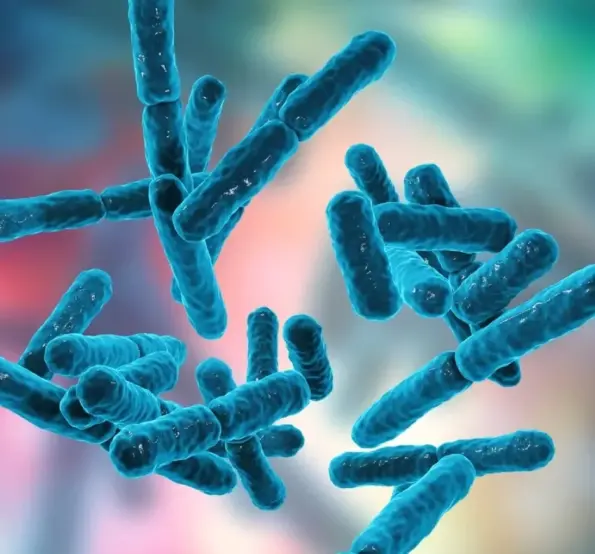
Probiotics are defined as “live microorganisms, which when administered in adequate amounts, confer a health benefit on the host”. The demand for probiotics is expanding globally due to the continuous innovation and research evidence that indicates the wholesome health benefits to the human body. Benefits of probiotics include maintaining microbiota homeostasis, enhancing body immunity and relieving eczema.


Probiotics can be found in supplements and food prepared by bacteria fermentation such as yogurt, tempeh, kimchi and kefir. Lactobacillus, Bifidobacterium and Saccharomyces are the most-studied probiotic bacterial species that have been proved safe for long-term use. In fact, there are a few criteria that must be met in probiotic strain selection. For instance, toxicity, metabolic activity and viability during storage and when passing through the gastrointestinal tract in order to safeguard safety and efficacy at the same time¹.

Key indications

Gastrointestinal health

Probiotics play an important role in maintaining intestinal microbiota homeostasis and inducing systemic protective responses. It blocks the adherence of pathogens and toxins to the intestinal epithelium by secreting bactericidal substances⁵. On top of that, probiotics also facilitate short-chain fatty acids production in the gastrointestinal tract which helps to regulate pH and inhibit the activation of NFκB macrophages that can cause inflammatory bowel diseases⁸. A meta-analysis showed probiotics reduce irritable bowel syndrome and abdominal pain after 8 to 10 weeks of consumption¹².

Eczema (atopic dermatitis)

Multiple cohort studies suggested that a high abundance of anaerobes microbes such as Escherichia coli or Clostridium difficile was associated with the development of eczema or atopy. Clinical research indicates daily intake of 5 x 10⁹ of Bifidobacterium breve M-16V brings significant improvement in atopic dermatitis symptoms compared to placebo after 3 months of the administration⁹. It alleviates the allergic symptoms, increases Bifidobacterium proportion and reduces anaerobes in the gut¹¹.

Immunity

Probiotics help B lymphocytes differentiate and increase secretory immunoglobulin A (slgA) production, an antibody that protects the intestinal epithelium from toxins and pathogenic microorganisms. It also stimulates the dendritic cells to increase cytokine secretion which establishes a network of signals to trigger specific immune responses⁴,⁵. Besides, probiotics also show antiviral properties against respiratory infection by suppressing viral proliferation in the lung and increasing specific IgA secretion. In a double-blind randomized controlled trial, daily intake of 109Cfu B. bifidum and L. acidophilus probiotics twice a day for 3 months reduced common cold symptoms in schoolchildren⁷.

Constipation

Probiotics produce short-chain fatty acids through the fermentation process which promotes osmotic stimulation. It increases the secretion of water and electrolytes thereby softening the stools. Softer stools and improved intestinal peristalsis will likely relieve the symptoms of constipation. Clinical research showed that daily intake of 30 billion CFUs multi-strain probiotic containing L. acidophilus, L. casei, L. lactis, Bifidobacterium bifidum, Bifidobacterium longum and Bifidobacterium infantis twice for 7 days helps to improve bowel movement among adults with chronic constipation compared to placebo³.

Gastrointestinal health

Probiotics play an important role in maintaining intestinal microbiota homeostasis and inducing systemic protective responses. It blocks the adherence of pathogens and toxins to the intestinal epithelium by secreting bactericidal substances⁵. On top of that, probiotics also facilitate short-chain fatty acids production in the gastrointestinal tract which helps to regulate pH and inhibit the activation of NFκB macrophages that can cause inflammatory bowel diseases⁸. A meta-analysis showed probiotics reduce irritable bowel syndrome and abdominal pain after 8 to 10 weeks of consumption¹².

Eczema (atopic dermatitis)

Multiple cohort studies suggested that a high abundance of anaerobes microbes such as Escherichia coli or Clostridium difficile was associated with the development of eczema or atopy. Clinical research indicates daily intake of 5 x 10⁹ of Bifidobacterium breve M-16V brings significant improvement in atopic dermatitis symptoms compared to placebo after 3 months of the administration⁹. It alleviates the allergic symptoms, increases Bifidobacterium proportion and reduces anaerobes in the gut¹¹.

Immunity

Probiotics help B lymphocytes differentiate and increase secretory immunoglobulin A (slgA) production, an antibody that protects the intestinal epithelium from toxins and pathogenic microorganisms. It also stimulates the dendritic cells to increase cytokine secretion which establishes a network of signals to trigger specific immune responses⁴,⁵. Besides, probiotics also show antiviral properties against respiratory infection by suppressing viral proliferation in the lung and increasing specific IgA secretion. In a double-blind randomized controlled trial, daily intake of 109Cfu B. bifidum and L. acidophilus probiotics twice a day for 3 months reduced common cold symptoms in schoolchildren⁷.

Constipation

Probiotics produce short-chain fatty acids through the fermentation process which promotes osmotic stimulation. It increases the secretion of water and electrolytes thereby softening the stools. Softer stools and improved intestinal peristalsis will likely relieve the symptoms of constipation. Clinical research showed that daily intake of 30 billion CFUs multi-strain probiotic containing L. acidophilus, L. casei, L. lactis, Bifidobacterium bifidum, Bifidobacterium longum and Bifidobacterium infantis twice for 7 days helps to improve bowel movement among adults with chronic constipation compared to placebo³.

Adverse effects

Probiotic is generally safe to consume and rare to cause side effects. The common side effects are abdominal pain, diarrhea, bloating and nausea.

Dosage range

There is currently no established effective probiotic dosage because it can be affected by species, dose and duration of therapy depending on the clinical indication. The concentration of single strain bacteria is recommended to be >1 billion CFU to ensure effectiveness unless with clinical support¹⁰.

Contraindications/cautions

  • Individuals with small intestine bacterial overgrowth (SIBO) are not advisable to intake probiotics unless with post-antibiotic treatment.


  • Potential drug interactions include:

– Antibiotic drugs
May decrease the effectiveness of probiotics

– Antifungals
May decrease the effectiveness of probiotics

Adverse effects

Probiotic is generally safe to consume and rare to cause side effects. The common side effects are abdominal pain, diarrhea, bloating and nausea.

Dosage range

There is currently no established effective probiotic dosage because it can be affected by species, dose and duration of therapy depending on the clinical indication. The concentration of single strain bacteria is recommended to be >1 billion CFU to ensure effectiveness unless with clinical support¹⁰.

Contraindications/cautions

  • Individuals with small intestine bacterial overgrowth (SIBO) are not advisable to intake probiotics unless with post-antibiotic treatment.


  • Potential drug interactions include:

– Antibiotic drugs
May decrease the effectiveness of probiotics

– Antifungals
May decrease the effectiveness of probiotics

References :

  1. Shi, L. H., Balakrishnan, K., Thiagarajah, K., Mohd Ismail, N. I., & Yin, O. S. (2016). Beneficial Properties of Probiotics. Tropical Life Sciences Research, 27(2), 73–90. https://doi.org/10.21315/tlsr2016.27.2.6
  2. Institute of Medicine, Food and Nutrition Board. (2010). Probiotic. National Academy Press. DC, Washington.
  3. Jayasimhan, S., Yap, N. Y., Roest, Y., et al. (2013). Efficacy of microbial cell preparation in improving chronic constipation: A randomized, double-blind, placebo-controlled trial. Clinical Nutrition, 32, 928–934. http://dx.doi.org/10.1016/j.clnu.2013.03.004
  4. Maldonado, G. C., Cazorla, S. I., Lemme, D. J. M., et al. (2019). Beneficial Effects of Probiotic Consumption on the Immune System. 74, 115–124. https://doi.org/10.1159/000496426
  5. Yan, F., & Polk, D. B. (2011). Probiotics and immune health. Current Opinion in Gastroenterology, 27(6), 496–501. https://doi.org/10.1097/MOG.0b013e32834baa4d
  6. Kassaa, I. Antiviral Probiotics: A New Concept in Medical Sciences. New Insights on Antiviral Probiotics, 1–46. https://doi.org/10.1007/978-3-319-49688-7_1
  7. Rerkpupaphol, S., & Rerkpupaphol, L. (2012). Randomized controlled trial of probiotics to reduce common cold in schoolchildren. Pediatrics International, 54, 682–687. https://doi.org/10.1111/j.1442-200X.2012.03647.x
  8. Markowiak-Kopeć, P., & Śliżewska, K. (2020). The Effect of Probiotics on the Production of Short-Chain Fatty Acids by Human Intestinal Microbiome. Nutrients, 12(4), 1107. https://doi.org/10.3390/nu12041107
  9. Taniuchi, S., Hattori, K., Yamamoto, A., et al. (2005). Administration of Bifidobacterium to Infants with Atopic Dermatitis: Changes in Fecal Microflora and Clinical Symptoms. The Journal of Applied Research, 5(2), 387–396. https://doi.org/10.15036/arerugi.52.20
  10. Braun, L., & Cohen, M. (2015). Herbs and Natural Supplements (4th ed.). Chatswood: Elsevier, pp. 771–796.
  11. Wong, C. B., Iwabuchi, N., & Xiao, J. Z. (2019). Exploring the Science behind Bifidobacterium breve M-16V in Infant Health. Nutrients, 11(8), 1724. https://doi.org/10.3390/nu11081724
  12. Didari, T., Mozaffari, S., Nikfar, S., & Abdollahi, M. (2015). Effectiveness of probiotics in irritable bowel syndrome: Updated systematic review with meta-analysis. World Journal of Gastroenterology, 21(10), 3072–3084. https://doi.org/10.3748/wjg.v21.i10.3072

References :

  1. Shi, L. H., Balakrishnan, K., Thiagarajah, K., Mohd Ismail, N. I., & Yin, O. S. (2016). Beneficial Properties of Probiotics. Tropical Life Sciences Research, 27(2), 73–90. https://doi.org/10.21315/tlsr2016.27.2.6
  2. Institute of Medicine, Food and Nutrition Board. (2010). Probiotic. National Academy Press. DC, Washington.
  3. Jayasimhan, S., Yap, N. Y., Roest, Y., et al. (2013). Efficacy of microbial cell preparation in improving chronic constipation: A randomized, double-blind, placebo-controlled trial. Clinical Nutrition, 32, 928–934. http://dx.doi.org/10.1016/j.clnu.2013.03.004
  4. Maldonado, G. C., Cazorla, S. I., Lemme, D. J. M., et al. (2019). Beneficial Effects of Probiotic Consumption on the Immune System. 74, 115–124. https://doi.org/10.1159/000496426
  5. Yan, F., & Polk, D. B. (2011). Probiotics and immune health. Current Opinion in Gastroenterology, 27(6), 496–501. https://doi.org/10.1097/MOG.0b013e32834baa4d
  6. Kassaa, I. Antiviral Probiotics: A New Concept in Medical Sciences. New Insights on Antiviral Probiotics, 1–46. https://doi.org/10.1007/978-3-319-49688-7_1
  7. Rerkpupaphol, S., & Rerkpupaphol, L. (2012). Randomized controlled trial of probiotics to reduce common cold in schoolchildren. Pediatrics International, 54, 682–687. https://doi.org/10.1111/j.1442-200X.2012.03647.x
  8. Markowiak-Kopeć, P., & Śliżewska, K. (2020). The Effect of Probiotics on the Production of Short-Chain Fatty Acids by Human Intestinal Microbiome. Nutrients, 12(4), 1107. https://doi.org/10.3390/nu12041107
  9. Taniuchi, S., Hattori, K., Yamamoto, A., et al. (2005). Administration of Bifidobacterium to Infants with Atopic Dermatitis: Changes in Fecal Microflora and Clinical Symptoms. The Journal of Applied Research, 5(2), 387–396. https://doi.org/10.15036/arerugi.52.20
  10. Braun, L., & Cohen, M. (2015). Herbs and Natural Supplements (4th ed.). Chatswood: Elsevier, pp. 771–796.
  11. Wong, C. B., Iwabuchi, N., & Xiao, J. Z. (2019). Exploring the Science behind Bifidobacterium breve M-16V in Infant Health. Nutrients, 11(8), 1724. https://doi.org/10.3390/nu11081724
  12. Didari, T., Mozaffari, S., Nikfar, S., & Abdollahi, M. (2015). Effectiveness of probiotics in irritable bowel syndrome: Updated systematic review with meta-analysis. World Journal of Gastroenterology, 21(10), 3072–3084. https://doi.org/10.3748/wjg.v21.i10.3072

The material is prepared for informational purposes only and should not be construed as a piece of personal medical advice. Owing to each person’s varying health needs, a physician should be consulted before acting on any information provided in this material. Although every effort is made to ensure that this material is accurate, it is compiled for internal use only and should not be considered definitive. Neither VitaHealth nor its employees, or information providers shall be responsible or liable for any errors, inaccuracies, or other defects in the information contained in this publication.

You might also be interested in

Coenzyme Q10

Coenzyme Q10, or CoQ10, is one of the antioxidants found in all human cells and it is fat-soluble. Endogenous CoQ10 can be found in highest

READ MORE

Cod Liver Oil

Cod liver oil is extracted from fresh livers of Atlantic cod and other species of the family Gadidae. It is an excellent source of omega-3

READ MORE

Choline Bitartrate

Choline bitartrate is a combination of choline, an essential nutrient, and tartaric acid. It is neither vitamin nor mineral, but it is often grouped with

READ MORE
My Cart
Close Wishlist
Close Recently Viewed
Categories