Ingredients A-Z

Prebiotics

Overview

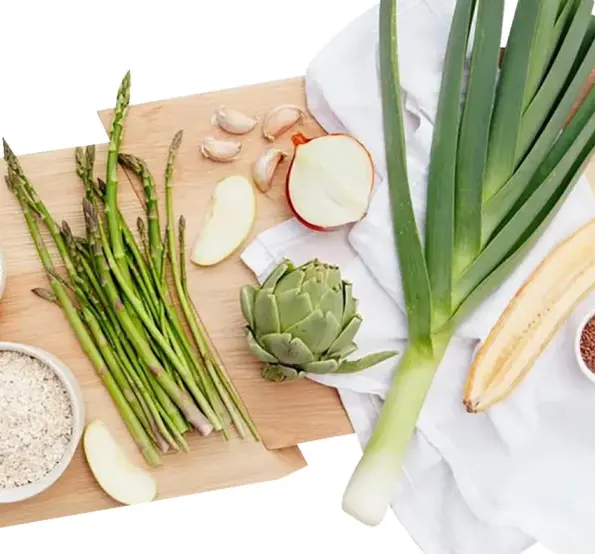
The prebiotics concept was introduced for the first time in 1995 by Glenn Gibson and Marcel Roberfroid. Prebiotics are non-digestible ingredients (mostly fibers) that help healthy bacteria grow in our gut. It brings a wide range of benefits in maintaining general health including improving gastrointestinal health, immunity and bone health. Fructo-oligosaccharides (FOS), galacto-oligosaccharides (GOS), and trans-galacto-oligosaccharides (TOS) are the best-known fibers and well-supported in the literature for their prebiotic effects¹. Dietary sources of prebiotics include synthetic production via enzymatic conversion of sugars or naturally plant-based foods such as garlic, onion, chicory root, leeks, artichokes, asparagus and soybean⁴.


There are few criteria that must be met in prebiotic selection. For instance, resistance to acidic pH of stomach and enzyme hydrolysis, can be fermented by intestinal microbiota and ability to stimulate the growth of intestinal microbe selectively². In general, prebiotics may be used as an alternative to probiotics or as additional support for them.

Key indications

Gastrointestinal health

By the provision of energy sources for gut microbiota, prebiotics is able to modulate the composition of microorganisms selectively. Different prebiotics will stimulate the growth of different indigenous gut bacteria. Indeed, a by-product of a complex prebiotic’s fermentation may be a substrate for another microorganism for cross-feeding¹,⁸. Research indicates that a daily intake of 15g fructo-oligosaccharides (FOS) for 3 weeks brings a significant reduction in the Harvey Bradshaw index of Crohn’s disease and faecal bifidobacteria increased from log10 8.8 to log10 9.4 cells per gram dry feces⁷.

Immunity

Prebiotics can induce direct or indirect effects on the gut-associated epithelial and immune cells. It acts as a substrate for probiotics which facilitate the production of short-chain fatty acids (SCFAs) that enhance anti-inflammatory response. Meanwhile, probiotics affect the innate immune system directly on the epithelial cell through toll-like receptors and activate NF-kB to produce cytokines and chemokines³. A double-blind, placebo-controlled study showed that daily consumption of a 5.5g prebiotic GOS mixture for 10 weeks will help to increase the production of the anti-inflammatory cytokine IL-109.

Bone Health

Prebiotics will be fermented by microbiota after entering the lower gut and transform into short-chain fatty acids (SCFAs) through hydrolysis, thereby lowering the pH of intestinal luminal contents. Under low pH levels, calcium has less affinity to bind with negative charge metabolites thereby increases the mineral availability for absorption and subsequent bone mineralisation⁴. Studies showed that a daily intake of 5-10g of lactulose helps to improve calcium absorption in postmenopausal women within 9 days⁵.

Gastrointestinal health

By the provision of energy sources for gut microbiota, prebiotics is able to modulate the composition of microorganisms selectively. Different prebiotics will stimulate the growth of different indigenous gut bacteria. Indeed, a by-product of a complex prebiotic’s fermentation may be a substrate for another microorganism for cross-feeding¹,⁸. Research indicates that a daily intake of 15g fructo-oligosaccharides (FOS) for 3 weeks brings a significant reduction in the Harvey Bradshaw index of Crohn’s disease and faecal bifidobacteria increased from log10 8.8 to log10 9.4 cells per gram dry feces⁷.

Immunity

Prebiotics can induce direct or indirect effects on the gut-associated epithelial and immune cells. It acts as a substrate for probiotics which facilitate the production of short-chain fatty acids (SCFAs) that enhance anti-inflammatory response. Meanwhile, probiotics affect the innate immune system directly on the epithelial cell through toll-like receptors and activate NF-kB to produce cytokines and chemokines³. A double-blind, placebo-controlled study showed that daily consumption of a 5.5g prebiotic GOS mixture for 10 weeks will help to increase the production of the anti-inflammatory cytokine IL-109.

Bone Health

Prebiotics will be fermented by microbiota after entering the lower gut and transform into short-chain fatty acids (SCFAs) through hydrolysis, thereby lowering the pH of intestinal luminal contents. Under low pH levels, calcium has less affinity to bind with negative charge metabolites thereby increases the mineral availability for absorption and subsequent bone mineralisation⁴. Studies showed that a daily intake of 5-10g of lactulose helps to improve calcium absorption in postmenopausal women within 9 days⁵.

Adverse effects

High-dose prebiotic consumption might bring several gastrointestinal side effects such as abdominal pain, bloating and diarrhea⁶.

Dosage range

There is currently no established effective dosage for prebiotics.

Typical doses used in clinical trials are as follows⁶:

  • Galacto-oligosaccharides: 2.5-20g/day
  • Fructo-oligosaccharide: 4-40g/day
  • Lactulose: 3-40g/day

Contraindications/cautions

  • Potential drug interactions include:

– Antibiotic drugs
May decrease the effectiveness of prebiotics

– Antifungals
May reduce the activity of anticoagulants

Adverse effects

High-dose prebiotic consumption might bring several gastrointestinal side effects such as abdominal pain, bloating and diarrhea⁶.

Dosage range

There is currently no established effective dosage for prebiotics.

Typical doses used in clinical trials are as follows⁶:

  • Galacto-oligosaccharides: 2.5-20g/day
  • Fructo-oligosaccharide: 4-40g/day
  • Lactulose: 3-40g/day

Contraindications/cautions

  • Potential drug interactions include:

– Antibiotic drugs
May decrease the effectiveness of prebiotics

– Antifungals
May reduce the activity of anticoagulants

References :

  1. Davani-Davari, D., Negahdaripour, M., Karimzadeh, I., Seifan, M., Mohkam, M., Masoumi, S. J., Berenjian, A., & Ghasemi, Y. (2019). Prebiotics: Definition, Types, Sources, Mechanisms, and Clinical Applications. Foods (Basel, Switzerland), 8(3), 92. https://doi.org/10.3390/foods8030092
  2. Markowiak, P., & Śliżewska, K. (2017). Effects of Probiotics, Prebiotics, and Synbiotics on Human Health. Nutrients, 9(9), 1021. https://doi.org/10.3390/nu9091021
  3. Pujari, R., & Banerjee, G. (2020). Impact of prebiotics on immune response: from the bench to the clinic. Immunology & Cell Biology, 99(3), 255–273. https://doi.org/10.1111/imcb.12409
  4. Whisner, C. M., & Castillo, L. F. (2018). Prebiotics, Bone and Mineral Metabolism. Calcified Tissue International, 102(4), 443–479. https://doi.org/10.1007/s00223-017-0339-3
  5. Van den Heuvel, E. G., Muijs, T., Van Dokkum, W., & Schaafsma, G. (1999). Lactulose stimulates calcium absorption in postmenopausal women. Journal of Bone and Mineral Research, 14(7), 1211–1216. https://doi.org/10.1359/jbmr.1999.14.7.1211
  6. Braun, L., & Cohen, M. (2015). Herbs and Natural Supplements (4th ed.). Chatswood: Elsevier, pp. 771–796.
  7. Lindsay, J. O., Whelan, K., & Stagg, A. J. (2006). Clinical, microbiological, and immunological effects of fructo-oligosaccharide in patients with Crohn’s disease. Gut, 55, 348–355. https://doi.org/10.1136/gut.2005.074971
  8. Macfarlane, S., Macfarlane, G. T., & Cummings, J. H. (2006). Review article: prebiotics in the gastrointestinal tract. Alimentary Pharmacology & Therapeutics, 24(5), 701–714. https://doi.org/10.1111/j.1365-2036.2006.03042.x
  9. Vulevic, J., Drakoularakou, A., Yaqoob, P., Tzortzis, G., & Gibson, G. R. (2008). Modulation of the fecal microflora profile and immune function by a novel trans-galactooligosaccharide mixture (B-GOS) in healthy elderly volunteers. The American Journal of Clinical Nutrition, 88(5), 1438–1446. https://doi.org/10.3945/ajcn.2008.26242

References :

  1. Davani-Davari, D., Negahdaripour, M., Karimzadeh, I., Seifan, M., Mohkam, M., Masoumi, S. J., Berenjian, A., & Ghasemi, Y. (2019). Prebiotics: Definition, Types, Sources, Mechanisms, and Clinical Applications. Foods (Basel, Switzerland), 8(3), 92. https://doi.org/10.3390/foods8030092
  2. Markowiak, P., & Śliżewska, K. (2017). Effects of Probiotics, Prebiotics, and Synbiotics on Human Health. Nutrients, 9(9), 1021. https://doi.org/10.3390/nu9091021
  3. Pujari, R., & Banerjee, G. (2020). Impact of prebiotics on immune response: from the bench to the clinic. Immunology & Cell Biology, 99(3), 255–273. https://doi.org/10.1111/imcb.12409
  4. Whisner, C. M., & Castillo, L. F. (2018). Prebiotics, Bone and Mineral Metabolism. Calcified Tissue International, 102(4), 443–479. https://doi.org/10.1007/s00223-017-0339-3
  5. Van den Heuvel, E. G., Muijs, T., Van Dokkum, W., & Schaafsma, G. (1999). Lactulose stimulates calcium absorption in postmenopausal women. Journal of Bone and Mineral Research, 14(7), 1211–1216. https://doi.org/10.1359/jbmr.1999.14.7.1211
  6. Braun, L., & Cohen, M. (2015). Herbs and Natural Supplements (4th ed.). Chatswood: Elsevier, pp. 771–796.
  7. Lindsay, J. O., Whelan, K., & Stagg, A. J. (2006). Clinical, microbiological, and immunological effects of fructo-oligosaccharide in patients with Crohn’s disease. Gut, 55, 348–355. https://doi.org/10.1136/gut.2005.074971
  8. Macfarlane, S., Macfarlane, G. T., & Cummings, J. H. (2006). Review article: prebiotics in the gastrointestinal tract. Alimentary Pharmacology & Therapeutics, 24(5), 701–714. https://doi.org/10.1111/j.1365-2036.2006.03042.x
  9. Vulevic, J., Drakoularakou, A., Yaqoob, P., Tzortzis, G., & Gibson, G. R. (2008). Modulation of the fecal microflora profile and immune function by a novel trans-galactooligosaccharide mixture (B-GOS) in healthy elderly volunteers. The American Journal of Clinical Nutrition, 88(5), 1438–1446. https://doi.org/10.3945/ajcn.2008.26242

The material is prepared for informational purposes only and should not be construed as a piece of personal medical advice. Owing to each person’s varying health needs, a physician should be consulted before acting on any information provided in this material. Although every effort is made to ensure that this material is accurate, it is compiled for internal use only and should not be considered definitive. Neither VitaHealth nor its employees, or information providers shall be responsible or liable for any errors, inaccuracies, or other defects in the information contained in this publication.

You might also be interested in

Coenzyme Q10

Coenzyme Q10, or CoQ10, is one of the antioxidants found in all human cells and it is fat-soluble. Endogenous CoQ10 can be found in highest

READ MORE

Cod Liver Oil

Cod liver oil is extracted from fresh livers of Atlantic cod and other species of the family Gadidae. It is an excellent source of omega-3

READ MORE

Choline Bitartrate

Choline bitartrate is a combination of choline, an essential nutrient, and tartaric acid. It is neither vitamin nor mineral, but it is often grouped with

READ MORE
My Cart
Close Wishlist
Close Recently Viewed
Categories