Ingredients A-Z

Chickweed Extract

Overview

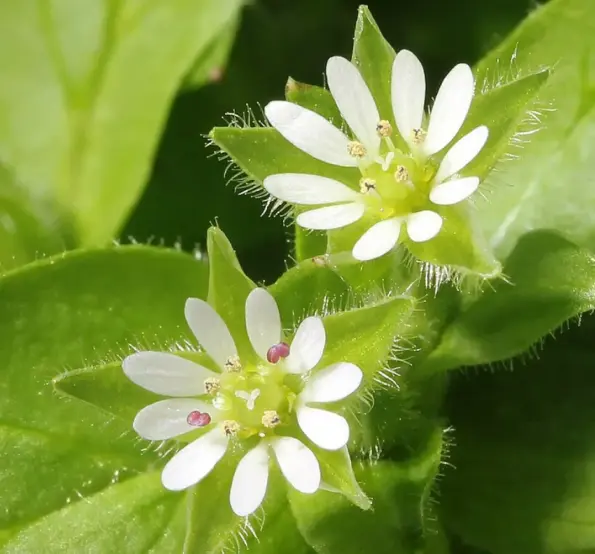
Chickweed extract (Stellaria media) is a known herb for its rich content of vitamins, minerals, flavonoids, and saponins. Chickweed has been used traditionally for treating inflammation, skin irritations, digestive issues, and for immune system support. The herb is especially noted for its anti-inflammatory and antioxidant properties, which help combat oxidative stress and inflammation in the body, both of which are linked to many chronic conditions such as arthritis, heart disease, and inflammatory bowel disease (IBD)¹.


Scientific evidence supports the effectiveness of chickweed extract in promoting overall health and well-being. With its antioxidant, anti-inflammatory, skin-healing, digestive, and immune-boosting properties, chickweed extract presents a significant opportunity for product development². Whether used in dietary supplements, skincare products, or detox formulas, chickweed is poised to become a key ingredient in the health and wellness market³.

Key indications

Anti-Inflammatory and Pain Relief

Chickweed extract is particularly effective for reducing inflammation in the body³. Its bioactive compounds, especially flavonoids and saponins, have been shown to inhibit pro-inflammatory pathways, making it useful for conditions such as arthritis, joint pain, and muscle soreness. By reducing inflammation, chickweed can help relieve discomfort and improve mobility, particularly in individuals suffering fromchronic inflammatory conditions.

Skin Irritations and Wound Healing

One of chickweed’s most well-known uses is for skin health, as the herb has been traditionally used to treat various skin conditions, including eczema, psoriasis, acne, and rashes; its soothing and healing properties make it an excellent choice for topical applications. Chickweed promotes skin regeneration by stimulating collagen production and accelerating wound healing, which is attributed to the presence of alkaloids, and it can also calm redness and inflammation, making it beneficial for individuals with sensitiveor irritated skin⁴.

Weight Management and Appetite Control

Chickweed extract has been used in weight management formulations due to its ability to support healthy metabolism and reduce appetite. The herb’s saponins help break down fat and improve fat metabolism, while its mild diuretic effect can reduce water retention⁵. Together, these properties may contribute to more efficient weight management by helping individuals achieve a healthier body composition. Chickweed may also help regulate blood sugar levels, which could further assist in controlling hunger and cravings.

Respiratory Health

Chickweed is often used as a natural remedy for respiratory conditions such as coughs, bronchitis, and asthma. It has mild expectorant properties, helping to loosen mucus and promote its expulsion from the lungs³. Additionally, its anti-inflammatory effects can soothe irritated airways and reduce symptoms of respiratory distress. By supporting the health of the respiratory system, chickweed extract may help individuals who suffer from chronic respiratory conditions breathe more easily.

Anti-Inflammatory and Pain Relief

Chickweed extract is particularly effective for reducing inflammation in the body³. Its bioactive compounds, especially flavonoids and saponins, have been shown to inhibit pro-inflammatory pathways, making it useful for conditions such as arthritis, joint pain, and muscle soreness. By reducing inflammation, chickweed can help relieve discomfort and improve mobility, particularly in individuals suffering fromchronic inflammatory conditions.

Skin Irritations and Wound Healing

One of chickweed’s most well-known uses is for skin health, as the herb has been traditionally used to treat various skin conditions, including eczema, psoriasis, acne, and rashes; its soothing and healing properties make it an excellent choice for topical applications. Chickweed promotes skin regeneration by stimulating collagen production and accelerating wound healing, which is attributed to the presence of alkaloids, and it can also calm redness and inflammation, making it beneficial for individuals with sensitiveor irritated skin⁴.

Weight Management and Appetite Control

Chickweed extract has been used in weight management formulations due to its ability to support healthy metabolism and reduce appetite. The herb’s saponins help break down fat and improve fat metabolism, while its mild diuretic effect can reduce water retention⁵. Together, these properties may contribute to more efficient weight management by helping individuals achieve a healthier body composition. Chickweed may also help regulate blood sugar levels, which could further assist in controlling hunger and cravings.

Respiratory Health

Chickweed is often used as a natural remedy for respiratory conditions such as coughs, bronchitis, and asthma. It has mild expectorant properties, helping to loosen mucus and promote its expulsion from the lungs³. Additionally, its anti-inflammatory effects can soothe irritated airways and reduce symptoms of respiratory distress. By supporting the health of the respiratory system, chickweed extract may help individuals who suffer from chronic respiratory conditions breathe more easily.

Hair and Scalp Health

Chickweed extract can be beneficial for maintaining a healthy scalp and promoting hair growth. Its soothing and anti-inflammatory properties can help treat scalp conditions like dandruff and itching³. The herb’s high vitamin and mineral content, including zinc and silica, also nourish hair follicles, promoting stronger and healthier hair growth⁷. Topical application of chickweed extract or its inclusion in hair care products can help individuals dealing with hair thinning or scalp irritation.

Adverse effects

Some individuals may experience allergic reactions (skin irritation, rash, or itching) to chickweed and mild gastrointestinal issues (nausea, bloating, diarrhea).

Dosage range

There is no established ideal dose of chickweed extract. However, this substance is commonly taken 1-3 times daily, doses range from 300-500mg²,⁷.

Contraindications/cautions

No absolute contraindications are known for chickweed; however, it is not recommended for pregnant or breastfeeding women due to limited safety and reliable data.

Adverse effects

Some individuals may experience allergic reactions (skin irritation, rash, or itching) to chickweed and mild gastrointestinal issues (nausea, bloating, diarrhea).

Dosage range

There is no established ideal dose of chickweed extract. However, this substance is commonly taken 1-3 times daily, doses range from 300-500mg²,⁷.

Contraindications/cautions

No absolute contraindications are known for chickweed; however, it is not recommended for pregnant or breastfeeding women due to limited safety and reliable data.

References :

  1. Bandeira, M. A., de Almeida, A. A., de Lima, J. T., & do Nascimento, S. S. (2016). Chemical composition and antioxidant activity of Stellaria media (L.) Vill. Phytomedicine, 23(11), 1071–1078. https://doi.org/10.1016/j.phymed.2016.07.011
  2. Oladeji OS, Oyebamiji AK. Stellaria media (L.) Vill. – A plant with immense therapeutic potentials: phytochemistry and pharmacology. Heliyon. 2020 Jun 7;6(6):e04150. doi: 10.1016/j.heliyon.2020.e04150
  3. Morita H., Kayashita T., Shishido A., Takeya K., Itokawa H., Shiro M., Dichotomins A.–E. New cyclic peptides from Stellaria dichotoma L. Var. lanceolata bge. Tetrahedron. 1996;52:1165–1176.
  4. Budovsky A., Yarmolinsky L., Ben-Shabat S. Effect of medicinal plants on wound healing. Wound Repair Regen. 2015;23:171–183. doi: 10.1111/wrr.12274
  5. Mahibalan S., Stephen M., Nethran R., Khan R., Begum S. Dermal wound healing potency of single alkaloid (betaine) versus standardized crude alkaloid enriched ointment of Evolvulus alsinoides. Pharmaceut. Biol. 2016;54:2851–2856. doi: 10.1080/13880209.2016.1185636
  6. ani N, Vasudeva N, Sharma SK. Quality assessment and anti-obesity activity of Stellaria media (Linn.) Vill. BMC Complement Altern Med. 2012 Sep 3;12:145. doi: 10.1186/1472-6882-12-145
  7. Mishra, S. P., & Sharma, S. (2020). Stellaria media (L.) Vill: A plant with immense therapeutic potentials, phytochemistry, and pharmacology. ResearchGate. https://doi.org/10.13140/RG.2.2.26846.61764

References :

  1. Bandeira, M. A., de Almeida, A. A., de Lima, J. T., & do Nascimento, S. S. (2016). Chemical composition and antioxidant activity of Stellaria media (L.) Vill. Phytomedicine, 23(11), 1071–1078. https://doi.org/10.1016/j.phymed.2016.07.011
  2. Oladeji OS, Oyebamiji AK. Stellaria media (L.) Vill. – A plant with immense therapeutic potentials: phytochemistry and pharmacology. Heliyon. 2020 Jun 7;6(6):e04150. doi: 10.1016/j.heliyon.2020.e04150
  3. Morita H., Kayashita T., Shishido A., Takeya K., Itokawa H., Shiro M., Dichotomins A.–E. New cyclic peptides from Stellaria dichotoma L. Var. lanceolata bge. Tetrahedron. 1996;52:1165–1176.
  4. Budovsky A., Yarmolinsky L., Ben-Shabat S. Effect of medicinal plants on wound healing. Wound Repair Regen. 2015;23:171–183. doi: 10.1111/wrr.12274
  5. Mahibalan S., Stephen M., Nethran R., Khan R., Begum S. Dermal wound healing potency of single alkaloid (betaine) versus standardized crude alkaloid enriched ointment of Evolvulus alsinoides. Pharmaceut. Biol. 2016;54:2851–2856. doi: 10.1080/13880209.2016.1185636
  6. ani N, Vasudeva N, Sharma SK. Quality assessment and anti-obesity activity of Stellaria media (Linn.) Vill. BMC Complement Altern Med. 2012 Sep 3;12:145. doi: 10.1186/1472-6882-12-145
  7. Mishra, S. P., & Sharma, S. (2020). Stellaria media (L.) Vill: A plant with immense therapeutic potentials, phytochemistry, and pharmacology. ResearchGate. https://doi.org/10.13140/RG.2.2.26846.61764

The material is prepared for informational purposes only and should not be construed as a piece of personal medical advice. Owing to each person’s varying health needs, a physician should be consulted before acting on any information provided in this material. Although every effort is made to ensure that this material is accurate, it is compiled for internal use only and should not be considered definitive. Neither VitaHealth nor its employees, or information providers shall be responsible or liable for any errors, inaccuracies, or other defects in the information contained in this publication.

You might also be interested in

Coenzyme Q10

Coenzyme Q10, or CoQ10, is one of the antioxidants found in all human cells and it is fat-soluble. Endogenous CoQ10 can be found in highest

READ MORE

Cod Liver Oil

Cod liver oil is extracted from fresh livers of Atlantic cod and other species of the family Gadidae. It is an excellent source of omega-3

READ MORE

Choline Bitartrate

Choline bitartrate is a combination of choline, an essential nutrient, and tartaric acid. It is neither vitamin nor mineral, but it is often grouped with

READ MORE
My Cart
Close Wishlist
Close Recently Viewed
Categories