Ingredients A-Z

Calcium

Overview

Calcium is the most abundant mineral in the human body, making up 1.5 to 2% of the total body weight. Approximately 1,200g of calcium are present in the body of an adult human; more than 99% of that amount is found in bones and teeth, the remaining 1% is found in blood, muscle, and other tissues¹.


The body gets the calcium it needs in two ways – by eating foods or supplements that contain calcium and/or by drawing the calcium from the body. When there is insufficient calcium in the body, the body will remove calcium from bones¹.


The concentration of calcium in the body tends to decline with age. Taking extra calcium helps the bones rebuild and stay strong. In addition, the heart, nerves, and blood clotting systems also need calcium.

Key indications

Bone health

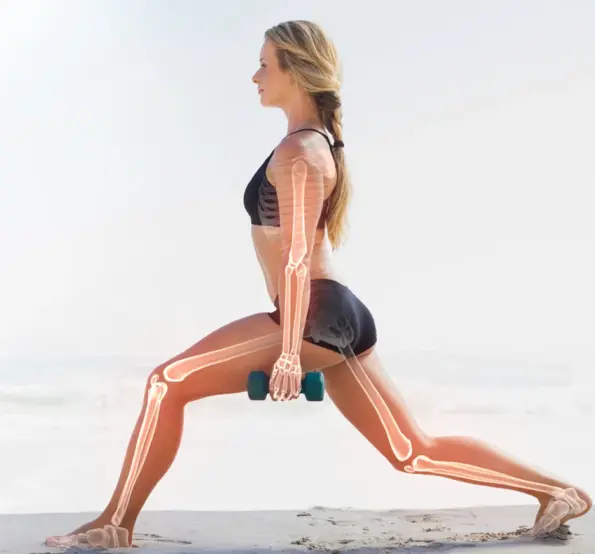
Throughout the lifespan, bones are constantly being broken down and built up in a process known as remodelling. In healthy individuals who get enough calcium and physical activity, bone production exceeds bone destruction. After the age of 30, destruction starts to exceed production. This is sometimes called “negative calcium balance,” which can lead to bone loss¹. Getting enough dietary calcium at all ages may help to slow the degree of bone loss.

Nerve conduction

The nerve endings in the muscle cells release calcium ions, which then bind to activator proteins which signal the muscles to contract and relax. Insufficient calcium levels lead to a condition called “neuromuscular irritability,” which is an involuntary twitching or spasming of the muscles and nerves.

Muscle contraction

The muscle contraction cycle is triggered by calcium ions. These include smooth and skeletal muscle contraction, as well as rhythmic contraction of the heart.

Blood clotting

Blood clotting occurs at the point of injury to control bleeding from blood vessels. Calcium ions are required as a co-factor for the promotion or acceleration of blood clotting pathways.

Bone health

Throughout the lifespan, bones are constantly being broken down and built up in a process known as remodelling. In healthy individuals who get enough calcium and physical activity, bone production exceeds bone destruction. After the age of 30, destruction starts to exceed production. This is sometimes called “negative calcium balance,” which can lead to bone loss¹. Getting enough dietary calcium at all ages may help to slow the degree of bone loss.

Nerve conduction

The nerve endings in the muscle cells release calcium ions, which then bind to activator proteins which signal the muscles to contract and relax. Insufficient calcium levels lead to a condition called “neuromuscular irritability,” which is an involuntary twitching or spasming of the muscles and nerves.

Muscle contraction

The muscle contraction cycle is triggered by calcium ions. These include smooth and skeletal muscle contraction, as well as rhythmic contraction of the heart.

Blood clotting

Blood clotting occurs at the point of injury to control bleeding from blood vessels. Calcium ions are required as a co-factor for the promotion or acceleration of blood clotting pathways.

Adverse effects

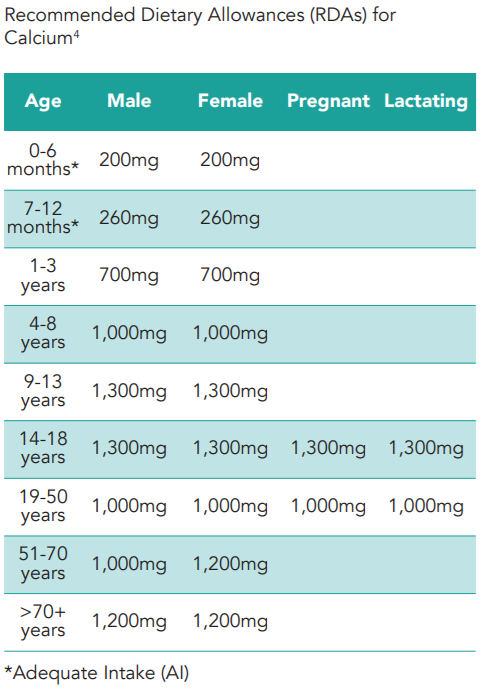
Calcium is considered safe when used in recommended amounts of 1,000-1,200mg daily. Calcium can cause some minor adverse effects such as belching, constipation, diarrhea, flatulence and stomach upset⁵.

Dosage range

Contraindications/cautions

Too much calcium in the blood is called hypercalcemia. The daily tolerable upper intake level (UL) for adults aged 19-50 years is 2,500mg and for adults over 50 years is 2,000mg¹. Taking more than this amount daily may increase the risk of adverse effects.


Calcium should be avoided if you have a condition that causes high calcium levels, such as in parathyroid gland disorders and sarcoidosis, and in people with kidney disorders. Taking calcium supplements can cause calcium levels to increase even more.


  • Beta-blockers (atenolol, sotalol)
    Calcium may decrease absorption of the drug. To minimise the interaction, take calcium at least 2 hours before or 4 hours after taking medication².
  •  

  • Bisphosphonates, tetracycline or quinolone antibiotics
    Calcium might decrease how well some antibiotics work. To minimise the interaction, take these drugs at least 2 hours before or 4 to 6 hours after calcium².
  •  

  • Calcium channel blockers (verapamil)
    Taking large amounts of calcium along with verapamil might decrease the effects of verapamil².
  •  

  • Thiazide diuretics
    Some diuretics increase the amount of calcium in the body. Taking large amounts of calcium with these drugs may increase the risk of hypercalcemia².
  • Adverse effects

    Calcium is considered safe when used in recommended amounts of 1,000-1,200mg daily. Calcium can cause some minor adverse effects such as belching, constipation, diarrhea, flatulence and stomach upset⁵.

    Dosage range

    Contraindications/cautions

    Too much calcium in the blood is called hypercalcemia. The daily tolerable upper intake level (UL) for adults aged 19-50 years is 2,500mg and for adults over 50 years is 2,000mg¹. Taking more than this amount daily may increase the risk of adverse effects.


    Calcium should be avoided if you have a condition that causes high calcium levels, such as in parathyroid gland disorders and sarcoidosis, and in people with kidney disorders. Taking calcium supplements can cause calcium levels to increase even more.


  • Beta-blockers (atenolol, sotalol)
    Calcium may decrease absorption of the drug. To minimise the interaction, take calcium at least 2 hours before or 4 hours after taking medication².
  •  

  • Bisphosphonates, tetracycline or quinolone antibiotics
    Calcium might decrease how well some antibiotics work. To minimise the interaction, take these drugs at least 2 hours before or 4 to 6 hours after calcium².
  •  

  • Calcium channel blockers (verapamil)
    Taking large amounts of calcium along with verapamil might decrease the effects of verapamil².
  •  

  • Thiazide diuretics
    Some diuretics increase the amount of calcium in the body. Taking large amounts of calcium with these drugs may increase the risk of hypercalcemia².
  • References :

    1. Calcium. (2020). Retrieved from https://www.hsph.harvard.edu/nutritionsource/calcium/#:~:text=Calcium%20is%20a%20mineral%20most,heart%20rhythms%20and%20nerve%20functions
    2. Calcium: Overview, uses, side effects, precautions, interactions, dosing and reviews. (n.d.). Retrieved from https://www.webmd.com/vitamins/ai/ingredientmono-781/calcium
    3. National Research Council (US) Committee on Diet and Health. (1989, January 01). Minerals. Retrieved from https://www.ncbi.nlm.nih.gov/books/NBK218735/#:~:text=Calcium%20is%20the%20most%20abundant,amount%20is%20found%20in%20bones
    4. Calcium. Fact sheet for health professional. Retrieved from https://ods.od.nih.gov/factsheets/Calcium-HealthProfessional/#:~:text=Average%20daily%20intakes%20of%20calcium,to%201%2C015%20mg%20%5B18%5D
    5. Natural Medicines. Retrieved from https://naturalmedicines.therapeuticresearch.com/databases/food,-herbs-supplements/professional.aspx?productid=781

    References :

    1. Calcium. (2020). Retrieved from https://www.hsph.harvard.edu/nutritionsource/calcium/#:~:text=Calcium%20is%20a%20mineral%20most,heart%20rhythms%20and%20nerve%20functions
    2. Calcium: Overview, uses, side effects, precautions, interactions, dosing and reviews. (n.d.). Retrieved from https://www.webmd.com/vitamins/ai/ingredientmono-781/calcium
    3. National Research Council (US) Committee on Diet and Health. (1989, January 01). Minerals. Retrieved from https://www.ncbi.nlm.nih.gov/books/NBK218735/#:~:text=Calcium%20is%20the%20most%20abundant,amount%20is%20found%20in%20bones
    4. Calcium. Fact sheet for health professional. Retrieved from https://ods.od.nih.gov/factsheets/Calcium-HealthProfessional/#:~:text=Average%20daily%20intakes%20of%20calcium,to%201%2C015%20mg%20%5B18%5D
    5. Natural Medicines. Retrieved from https://naturalmedicines.therapeuticresearch.com/databases/food,-herbs-supplements/professional.aspx?productid=781

    The material is prepared for informational purposes only and should not be construed as a piece of personal medical advice. Owing to each person’s varying health needs, a physician should be consulted before acting on any information provided in this material. Although every effort is made to ensure that this material is accurate, it is compiled for internal use only and should not be considered definitive. Neither VitaHealth nor its employees, or information providers shall be responsible or liable for any errors, inaccuracies, or other defects in the information contained in this publication.

    You might also be interested in

    Coenzyme Q10

    Coenzyme Q10, or CoQ10, is one of the antioxidants found in all human cells and it is fat-soluble. Endogenous CoQ10 can be found in highest

    READ MORE

    Cod Liver Oil

    Cod liver oil is extracted from fresh livers of Atlantic cod and other species of the family Gadidae. It is an excellent source of omega-3

    READ MORE

    Choline Bitartrate

    Choline bitartrate is a combination of choline, an essential nutrient, and tartaric acid. It is neither vitamin nor mineral, but it is often grouped with

    READ MORE
    My Cart
    Close Wishlist
    Close Recently Viewed
    Categories