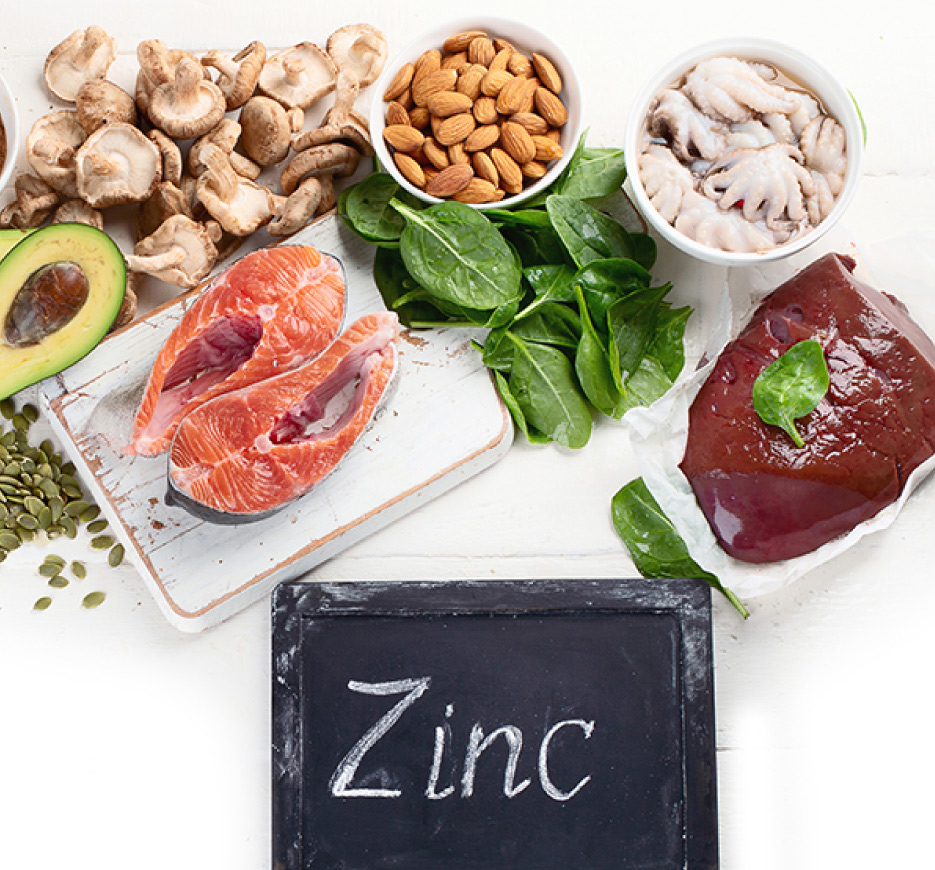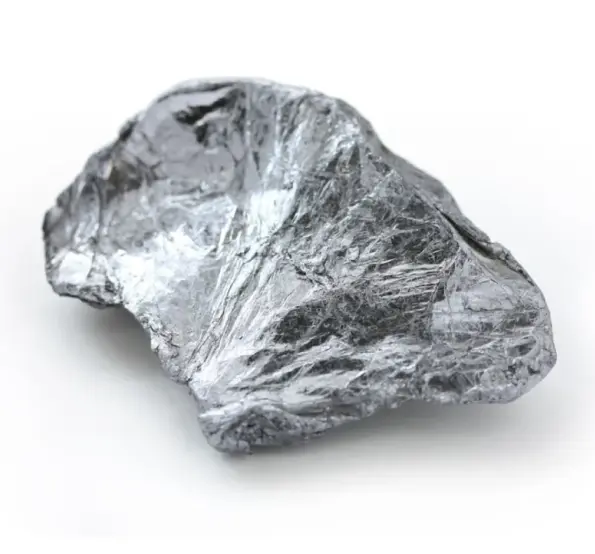
Molybdenum (Mo) is a trace element that plays a vital role in human health, even though we only need it in small amounts. It acts as a helper for important enzymes like xanthine oxidase and sulfite oxidase, which help the body break down purines (excessive purine intake can lead to gout), detoxify sulfites (which can be harmful if they build up), and process certain toxins. Molybdenum is naturally present in foods such as legumes (beans, lentils, peas), whole grains, nuts, seeds, leafy vegetables, dairy products, and organ meats¹. The body absorbs it well, and it is easily excreted when consumed in excess. Deficiency is very rare but can cause problems with detoxification and lead to neurological issues, as seen in individuals with a rare genetic disorder called molybdenum cofactor deficiency¹. On the other hand, consuming too much molybdenum, although uncommon, can interfere with copper absorption and may lead to joint pain or symptoms like gout. Studies have shown that people exposed to high levels of molybdenum through their diet, such as in certain regions with molybdenum-rich soil, may experience such effects².


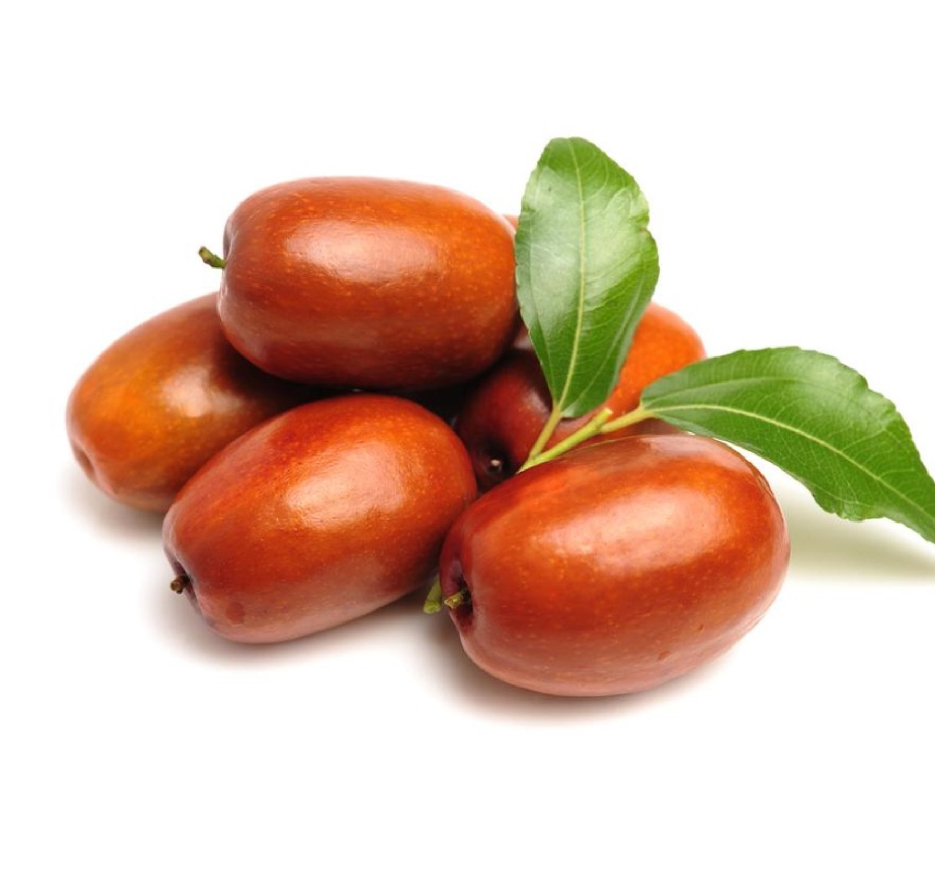
Ziziphus Jujuba
Ziziphus jujuba is the scientific name for jujube or jujuba. It’s more commonly known as a red date, Chinese date, or Chinese Jujube. Ziziphus jujuba