Ingredients A-Z

Milk Thistle

Overview

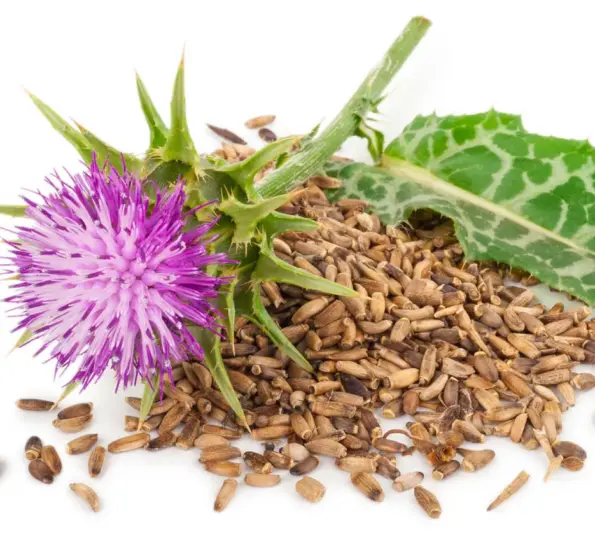
Milk thistle also known as Silybum marianum is a plant native to Europe that has been used for centuries in traditional medicine, particularly for liver and gallbladder disorders. Its seeds contain a group of bioflavonoids known as silymarin, which is believed to have antioxidant, antiviral, and anti-inflammatory properties.

Milk thistle is available in various forms, including capsules, tablets, liquid extracts, and teas. The seeds and sometimes leaves are used in these preparations. However, since the beneficial compounds in milk thistle are poorly absorbed and not water-soluble, teas may not be the most effective way to consume it.

Key indications

Liver Diseases

Studies suggest that milk thistle supplements may improve liver function in individuals with non-alcoholic fatty liver disease (NAFLD) by reducing inflammation, free radical damage, and lowering ALT, AST, and GGT blood levels, supporting its liver health benefits1-3. The daily milk thistle dose was based on the required silymarin amount, with clinical studies using doses ranging from 210mg to 1200mg per day for conditions like chronic hepatitis C, non-alcoholic fatty liver disease, and viral hepatitis⁴.

High Blood Sugar

Research shows that type-2 diabetic patients with poor glycemic control who were taking glibenclamide (a drug that stimulates insulin production) experienced significant improvements when supplemented with silymarin. These benefits include reductions in fasting plasma glucose (FPG), protein glycation, and BMI, with better outcomes compared to placebo or glibenclamide alone. The study involved 25 patients, a 4-month regimen of 200mg silymarin taken three times daily before meals significantly reduced blood glucose levels⁵.

Skin Inflammation

A combination of silymarin, n-acetylcysteine, and selenium significantly improved antioxidant levels, reduced inflammation, and decreased acne lesions in patients with papulopustular acne. Silymarin supplementation led to a 53% reduction in acne lesions, highlighting its potential as an effective acne treatment. Patients with papulopustular acne were treated with silymarin 210mg/day (70mg three times daily after meals) and a topical moisturising cream applied once daily at bedtime⁶.

Arthritis

Research studies show that silybum marianum, silymarin, and silibinin may help improve symptoms of rheumatoid arthritis (RA) and osteoarthritis (OA). It showed that taking silymarin (300mg/day) for 8 weeks reduced inflammation by 56-58% in osteoarthritis patients⁷. Additionally, a study showed that silymarin treatment for 8 weeks reduced the worsening cycle of inflammation in patients with knee osteoarthritis⁸.

Liver Diseases

Studies suggest that milk thistle supplements may improve liver function in individuals with non-alcoholic fatty liver disease (NAFLD) by reducing inflammation, free radical damage, and lowering ALT, AST, and GGT blood levels, supporting its liver health benefits1-3. The daily milk thistle dose was based on the required silymarin amount, with clinical studies using doses ranging from 210mg to 1200mg per day for conditions like chronic hepatitis C, non-alcoholic fatty liver disease, and viral hepatitis⁴.

High Blood Sugar

Research shows that type-2 diabetic patients with poor glycemic control who were taking glibenclamide (a drug that stimulates insulin production) experienced significant improvements when supplemented with silymarin. These benefits include reductions in fasting plasma glucose (FPG), protein glycation, and BMI, with better outcomes compared to placebo or glibenclamide alone. The study involved 25 patients, a 4-month regimen of 200mg silymarin taken three times daily before meals significantly reduced blood glucose levels⁵.

Skin Inflammation

A combination of silymarin, n-acetylcysteine, and selenium significantly improved antioxidant levels, reduced inflammation, and decreased acne lesions in patients with papulopustular acne. Silymarin supplementation led to a 53% reduction in acne lesions, highlighting its potential as an effective acne treatment. Patients with papulopustular acne were treated with silymarin 210mg/day (70mg three times daily after meals) and a topical moisturising cream applied once daily at bedtime⁶.

Arthritis

Research studies show that silybum marianum, silymarin, and silibinin may help improve symptoms of rheumatoid arthritis (RA) and osteoarthritis (OA). It showed that taking silymarin (300mg/day) for 8 weeks reduced inflammation by 56-58% in osteoarthritis patients⁷. Additionally, a study showed that silymarin treatment for 8 weeks reduced the worsening cycle of inflammation in patients with knee osteoarthritis⁸.

Brain Disorder (eg. Alzheimer’s, Parkinson’s, depression, and obsessive-compulsive disorder)

Silybum marianum or milk thistle has demonstrated neuroprotective effects against neurodegenerative diseases like Alzheimer’s, Parkinson’s, and depression due to its antioxidant, anti-inflammatory, and cell-protecting properties⁹. Additionally, research shows that silymarin effectively reduces obsessive-compulsive disorder (OCD) symptoms by decreasing uncontrollable thoughts and behaviours. The study found that 600mg/day of silymarin for 8 weeks effectively reduced OCD symptoms, including uncontrollable thoughts and behaviors¹⁰.

Cancer

Silymarin has shown multi-target effects on cancer cells, with research supporting its anti-cancer properties in liver, pancreas, prostate, and skin cancers. Its antioxidant and anti-inflammatory properties, along with its ability to regulate proteins and genes, contribute to its chemo-preventive effects at different stages of carcinogenesis, including onset, promotion, and progression11. A study reported that consumption of silymarin (0.1g to 5g/day) for 5 months helped treat prostate cancer, leading to cancer-free tissue in patients¹².

Adverse effects

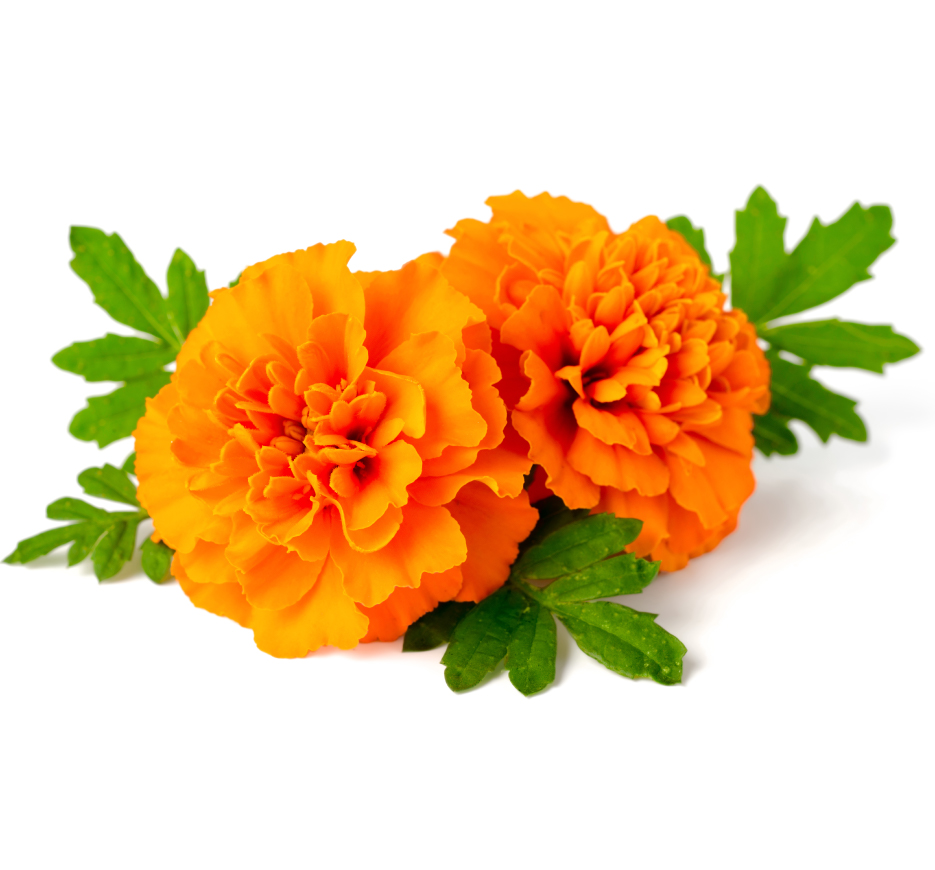
Milk thistle is regarded as a safe herbal product when taken at therapeutic doses, with minimal toxicity reported in pharmacological studies¹³. Some side effects may include gastrointestinal discomfort (such as diarrhea, bloating), headaches, and skin reactions (like rash, hives, or itching). Individuals allergic to plants in the Asteraceae/Compositae family such as ragweed, chrysanthemums, or marigolds should use with caution as milk thistle may trigger allergic reactions¹⁴.

Dosage range

Currently, there is no standardized dosage for milk thistle. However, research provides some guidance on its usage. A 2011 study suggests that adults may benefit from taking 420mg of milk thistle extract (standardized to 70–80% silymarin) three times daily for a period of 6 to 8 weeks. For ongoing maintenance, a lower dose of 280mg per day is recommended¹⁶.

Contraindications/cautions

Milk thistle may interact with certain medications, potentially altering how they are processed in the body. Individuals taking medications for liver conditions, diabetes, or hormonal therapies should consult a doctor before using milk thistle to ensure safety and avoid complications¹⁵.


  • Cytochrome P450 2C9 drugs:
    Milk thistle may alter levels of medications like diazepam and warfarin by affecting the CYP2C9 enzyme, which processes these drugs.
  •  

  • Antibiotics (demeclocycline, doxycycline, ciprofloxacin, levofloxacin)
    Magnesium may form insoluble complexes with tetracyclines. Take at least 2 hours before or 4–6 hours after taking magnesium.
  •  

  • Diabetes medications:
    May lower blood sugar, requiring careful monitoring.


  • Raloxifene (Evista):
    Can raise drug levels in the bloodstream.


  • Simeprevir:
    Increases levels of this hepatitis C medication; avoid combining them.


  • Sirolimus (Rapamune):
    Affects how this immunosuppressant is processed.

Adverse effects

Milk thistle is regarded as a safe herbal product when taken at therapeutic doses, with minimal toxicity reported in pharmacological studies¹³. Some side effects may include gastrointestinal discomfort (such as diarrhea, bloating), headaches, and skin reactions (like rash, hives, or itching). Individuals allergic to plants in the Asteraceae/Compositae family such as ragweed, chrysanthemums, or marigolds should use with caution as milk thistle may trigger allergic reactions¹⁴.

Dosage range

Currently, there is no standardized dosage for milk thistle. However, research provides some guidance on its usage. A 2011 study suggests that adults may benefit from taking 420mg of milk thistle extract (standardized to 70–80% silymarin) three times daily for a period of 6 to 8 weeks. For ongoing maintenance, a lower dose of 280mg per day is recommended¹⁶.

Contraindications/cautions

Milk thistle may interact with certain medications, potentially altering how they are processed in the body. Individuals taking medications for liver conditions, diabetes, or hormonal therapies should consult a doctor before using milk thistle to ensure safety and avoid complications¹⁵.


  • Cytochrome P450 2C9 drugs:
    Milk thistle may alter levels of medications like diazepam and warfarin by affecting the CYP2C9 enzyme, which processes these drugs.
  •  

  • Antibiotics (demeclocycline, doxycycline, ciprofloxacin, levofloxacin)
    Magnesium may form insoluble complexes with tetracyclines. Take at least 2 hours before or 4–6 hours after taking magnesium.
  •  

  • Diabetes medications:
    May lower blood sugar, requiring careful monitoring.


  • Raloxifene (Evista):
    Can raise drug levels in the bloodstream.


  • Simeprevir:
    Increases levels of this hepatitis C medication; avoid combining them.


  • Sirolimus (Rapamune):
    Affects how this immunosuppressant is processed.

References :

  1. Kołota, A., & Głąbska, D. (2021). Dietary Intake of Milk Thistle Seeds as a Source of Silymarin and Its Influence on the Lipid Parameters in Nonalcoholic Fatty Liver Disease Patients. Applied Sciences, 11(13), 5836. https://doi.org/10.3390/app11135836
  2. Zhong, S., Fan, Y., Yan, Q., Fan, X., Wu, B., Han, Y., … & Niu, J. (2017). The therapeutic effect of silymarin in the treatment of nonalcoholic fatty disease: A meta-analysis (PRISMA) of randomized control trials. Medicine, 96(49), e9061.
  3. Cacciapuoti, F., Scognamiglio, A., Palumbo, R., Forte, R., & Cacciapuoti, F. (2013). Silymarin in non alcoholic fatty liver disease. World Journal of Hepatology, 5(3), 109–113. https://doi.org/10.4254/wjh.v5.i3.109
  4. Polyak, S. J., Ferenci, P., & Pawlotsky, J. M. (2013). Hepatoprotective and antiviral functions of silymarin components in hepatitis C virus infection. Hepatology, 57(3), 1262–1271.
  5. Hussain, S. A. R. (2007). Silymarin as an adjunct to glibenclamide therapy improves long-term and postprandial glycemic control and body mass index in type 2 diabetes. Journal of Medicinal Food, 10(3), 543–547.
  6. Sahib, A. S., Al-Anbari, H. H., Salih, M., & Abdullah, F. (2012). Effects of oral antioxidants on lesion counts associated with oxidative stress and inflammation in patients with papulopustular acne. J Clin Exp Dermatol Res, 3(163), 2.
  7. Ghahfarrokhi, S. H., Heidari-Soureshjani, S., Sherwin, C. M. T., & Azadegan-Dehkordi, Z. (2024). Efficacy and Mechanisms of Silybum Marianum, Silymarin, and Silibinin on Rheumatoid Arthritis and Osteoarthritis Symptoms: A Systematic Review. Current Rheumatology Reviews, 20(4), 414–425. https://doi.org/10.2174/0115733971266397231122080247
  8. Hussain, S. A., Jassim, N. A., Numan, I. T., Al-Khalifa, I. I., & Abdullah, T. A. (2009). Anti-inflammatory activity of silymarin in patients with knee osteoarthritis. Saudi Medical Journal, 30(1), 98–103.
  9. Wang, X., Zhang, Z., & Wu, S. C. (2020). Health benefits of Silybum marianum: Phytochemistry, pharmacology, and applications. Journal of Agricultural and Food Chemistry, 68(42), 11644–11664.
  10. Sayyah, M., Boostani, H., Pakseresht, S., & Malayeri, A. (2010). Comparison of Silybum marianum (L.) Gaertn. with fluoxetine in the treatment of Obsessive–Compulsive Disorder. Progress in Neuro-Psychopharmacology and Biological Psychiatry, 34(2), 362–365.
  11. Emadi, S. A., Ghasemzadeh Rahbardar, M., Mehri, S., & Hosseinzadeh, H. (2022). A review of therapeutic potentials of milk thistle (Silybum marianum L.) and its main constituent, silymarin, on cancer, and their related patents. Iranian Journal of Basic Medical Sciences, 25(10), 1166–1176. https://doi.org/10.22038/IJBMS.2022.63200.13961
  12. Shukla, S. K., Dasgupta, A., Mehla, K., Gunda, V., Vernucci, E., Souchek, J., … & Singh, P. K. (2015). Silibinin-mediated metabolic reprogramming attenuates pancreatic cancer-induced cachexia and tumor growth. Oncotarget, 6(38), 41146.
  13. Loguercio, C., & Festi, D. (2011). Silybin and the liver: from basic research to clinical practice. World Journal of Gastroenterology, 17(18), 2288–2301.
  14. Achufusi, T. G. O., Pellegrini, M. V., & Patel, R. K. (2024). Milk Thistle. In StatPearls [Internet]. StatPearls Publishing.
  15. Mayo Foundation for Medical Education and Research. (2023, August 10). Milk thistle. Mayo Clinic. https://www.mayoclinic.org/drugs-supplements-milk-thistle/art-20362885
  16. Karimi, G., Vahabzadeh, M., Lari, P., Rashedinia, M., & Moshiri, M. (2011). “Silymarin”, a promising pharmacological agent for treatment of diseases. Iranian Journal of Basic Medical Sciences, 14(4), 308–317.

References :

  1. Kołota, A., & Głąbska, D. (2021). Dietary Intake of Milk Thistle Seeds as a Source of Silymarin and Its Influence on the Lipid Parameters in Nonalcoholic Fatty Liver Disease Patients. Applied Sciences, 11(13), 5836. https://doi.org/10.3390/app11135836
  2. Zhong, S., Fan, Y., Yan, Q., Fan, X., Wu, B., Han, Y., … & Niu, J. (2017). The therapeutic effect of silymarin in the treatment of nonalcoholic fatty disease: A meta-analysis (PRISMA) of randomized control trials. Medicine, 96(49), e9061.
  3. Cacciapuoti, F., Scognamiglio, A., Palumbo, R., Forte, R., & Cacciapuoti, F. (2013). Silymarin in non alcoholic fatty liver disease. World Journal of Hepatology, 5(3), 109–113. https://doi.org/10.4254/wjh.v5.i3.109
  4. Polyak, S. J., Ferenci, P., & Pawlotsky, J. M. (2013). Hepatoprotective and antiviral functions of silymarin components in hepatitis C virus infection. Hepatology, 57(3), 1262–1271.
  5. Hussain, S. A. R. (2007). Silymarin as an adjunct to glibenclamide therapy improves long-term and postprandial glycemic control and body mass index in type 2 diabetes. Journal of Medicinal Food, 10(3), 543–547.
  6. Sahib, A. S., Al-Anbari, H. H., Salih, M., & Abdullah, F. (2012). Effects of oral antioxidants on lesion counts associated with oxidative stress and inflammation in patients with papulopustular acne. J Clin Exp Dermatol Res, 3(163), 2.
  7. Ghahfarrokhi, S. H., Heidari-Soureshjani, S., Sherwin, C. M. T., & Azadegan-Dehkordi, Z. (2024). Efficacy and Mechanisms of Silybum Marianum, Silymarin, and Silibinin on Rheumatoid Arthritis and Osteoarthritis Symptoms: A Systematic Review. Current Rheumatology Reviews, 20(4), 414–425. https://doi.org/10.2174/0115733971266397231122080247
  8. Hussain, S. A., Jassim, N. A., Numan, I. T., Al-Khalifa, I. I., & Abdullah, T. A. (2009). Anti-inflammatory activity of silymarin in patients with knee osteoarthritis. Saudi Medical Journal, 30(1), 98–103.
  9. Wang, X., Zhang, Z., & Wu, S. C. (2020). Health benefits of Silybum marianum: Phytochemistry, pharmacology, and applications. Journal of Agricultural and Food Chemistry, 68(42), 11644–11664.
  10. Sayyah, M., Boostani, H., Pakseresht, S., & Malayeri, A. (2010). Comparison of Silybum marianum (L.) Gaertn. with fluoxetine in the treatment of Obsessive–Compulsive Disorder. Progress in Neuro-Psychopharmacology and Biological Psychiatry, 34(2), 362–365.
  11. Emadi, S. A., Ghasemzadeh Rahbardar, M., Mehri, S., & Hosseinzadeh, H. (2022). A review of therapeutic potentials of milk thistle (Silybum marianum L.) and its main constituent, silymarin, on cancer, and their related patents. Iranian Journal of Basic Medical Sciences, 25(10), 1166–1176. https://doi.org/10.22038/IJBMS.2022.63200.13961
  12. Shukla, S. K., Dasgupta, A., Mehla, K., Gunda, V., Vernucci, E., Souchek, J., … & Singh, P. K. (2015). Silibinin-mediated metabolic reprogramming attenuates pancreatic cancer-induced cachexia and tumor growth. Oncotarget, 6(38), 41146.
  13. Loguercio, C., & Festi, D. (2011). Silybin and the liver: from basic research to clinical practice. World Journal of Gastroenterology, 17(18), 2288–2301.
  14. Achufusi, T. G. O., Pellegrini, M. V., & Patel, R. K. (2024). Milk Thistle. In StatPearls [Internet]. StatPearls Publishing.
  15. Mayo Foundation for Medical Education and Research. (2023, August 10). Milk thistle. Mayo Clinic. https://www.mayoclinic.org/drugs-supplements-milk-thistle/art-20362885
  16. Karimi, G., Vahabzadeh, M., Lari, P., Rashedinia, M., & Moshiri, M. (2011). “Silymarin”, a promising pharmacological agent for treatment of diseases. Iranian Journal of Basic Medical Sciences, 14(4), 308–317.

The material is prepared for informational purposes only and should not be construed as a piece of personal medical advice. Owing to each person’s varying health needs, a physician should be consulted before acting on any information provided in this material. Although every effort is made to ensure that this material is accurate, it is compiled for internal use only and should not be considered definitive. Neither VitaHealth nor its employees, or information providers shall be responsible or liable for any errors, inaccuracies, or other defects in the information contained in this publication.

You might also be interested in

Coenzyme Q10

Coenzyme Q10, or CoQ10, is one of the antioxidants found in all human cells and it is fat-soluble. Endogenous CoQ10 can be found in highest

READ MORE

Cod Liver Oil

Cod liver oil is extracted from fresh livers of Atlantic cod and other species of the family Gadidae. It is an excellent source of omega-3

READ MORE

Choline Bitartrate

Choline bitartrate is a combination of choline, an essential nutrient, and tartaric acid. It is neither vitamin nor mineral, but it is often grouped with

READ MORE
My Cart
Close Wishlist
Close Recently Viewed
Categories