Ingredients A-Z

Marigold Flower

Overview

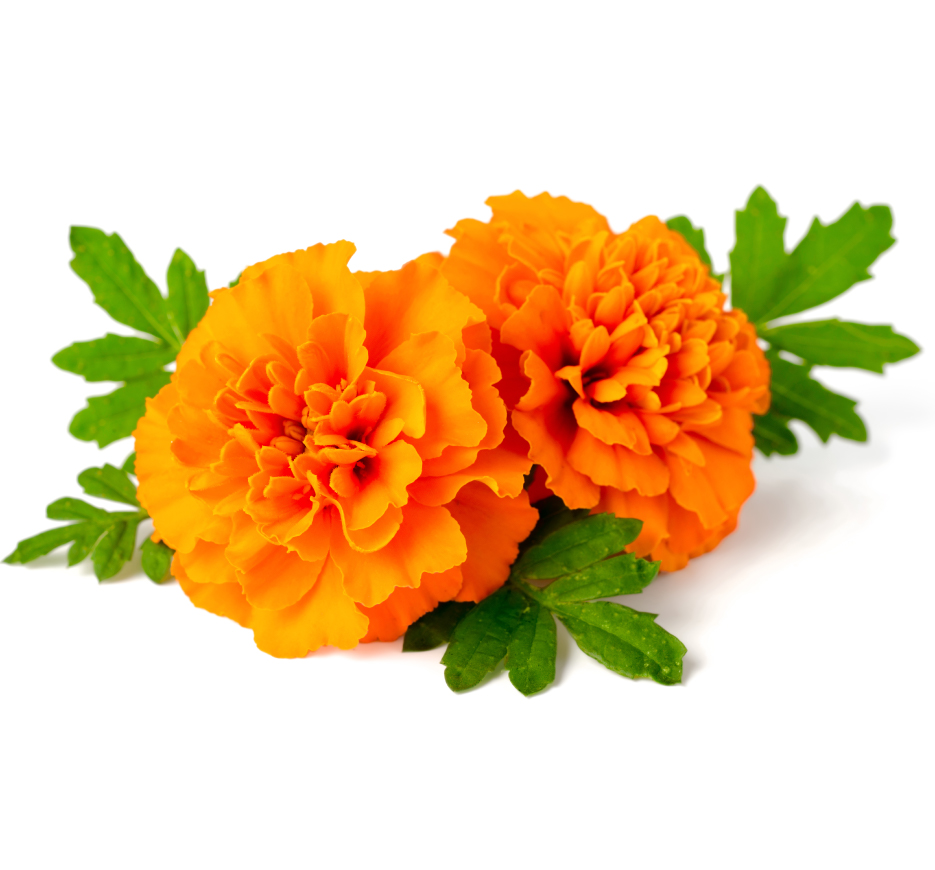
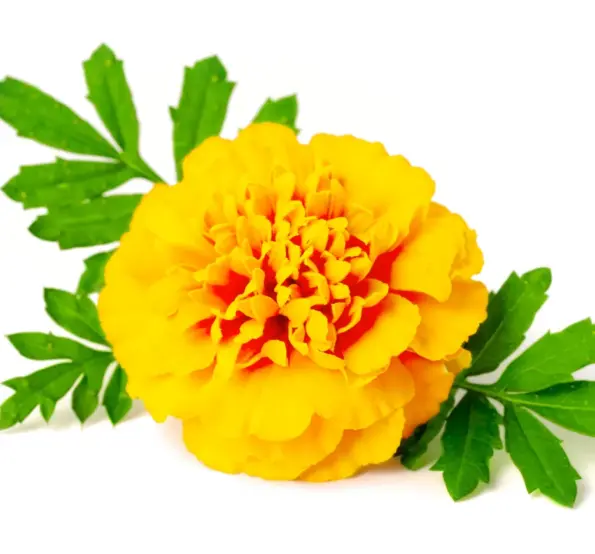
Marigold flower extract can be derived from two different sources: Calendula officinalis (commonly known as pot marigold) and Tagetes species (such as Tagetes erecta, or African marigold). Calendula officinalis is more widely recognised for its wound-healing, anti-inflammatory, and soothing properties, making it ideal for treating skin conditions and promoting healthy skin regeneration. Meanwhile, Tagetes species is rich in carotenoids, particularly lutein and zeaxanthin, which are powerful antioxidants beneficial for skin and eye health. Marigold extract is also known for its anti-inflammatory, antimicrobial, and antioxidant properties, making it popular in skincare products aimed at treating acne, eczema, and other skin irritations. Marigold extract is now an essential ingredient in supporting the eye health, particularly in preventing age-related macular degeneration (AMD) and cataracts¹. Marigold extract also supports overall eye comfort by reducing inflammation and irritation, making it a valuable natural remedy for conditions like dry eyes or eye strain².

Key indications

Antioxidant

The carotenoids, flavonoids, and polyphenols present in marigold extract serve as potent antioxidants, scavenging free radicals and protecting the body’s cells from oxidative stress³. By neutralising these free radicals, marigold extract helps prevent premature ageing of the skin, reduces wrinkles, and supports overall skin vitality⁴. These carotenoids help protect the body from oxidative stress, especially in the eyes, where they can help prevent age-related damage. Study demonstrated that marigold extract has strong antioxidant effects, helping to protect cells from damage caused by environmental stressors⁵.

Anti-inflammation

The anti-inflammatory properties of marigold extract are primarily attributed to its active compounds, including flavonoids, triterpenoids, and carotenoids. These compounds help reduce inflammation by modulating the body’s immune response inhibit the activity of pro-inflammatory enzymes like cyclooxygenase (COX) and lipoxygenase (LOX)⁶. By blocking these enzymes, marigold extract can help reduce the production of inflammatory substances, such as prostaglandins and leukotrienes⁶. It can help to calm swelling, redness, and irritation in the body, making it useful for treating conditions like skin rashes, eczema, or even wounds⁷.

Antimicrobial and Antibacterial

The antimicrobial and antioxidant effects of marigold extract are due to its bioactive compounds, such as flavonoids, triterpenoids, and saponins, which help protect the skin and body from harmful bacteria and other pathogens⁹. Bacteria can cause infections in wounds, burns, and other skin conditions, and marigold extract’s antibacterial properties help prevent and treat these infections, particularly beneficial in wound healing, as they reduce the risk of infection in cuts, abrasions, and burns⁸. By preventing bacterial contamination, marigold extract supports a cleaner and faster healing process. Study concluded that marigold extract could be beneficial for preventing and treating wound infections⁹.

Eye Health

Marigold extract is rich in carotenoids, especially lutein and zeaxanthin, which are well-known for their ability to support the health of the eyes. Lutein and zeaxanthin are powerful carotenoids found in high concentrations in the macula of the retina. These carotenoids act as natural filters for harmful blue light and UV radiation, protecting the delicate cells of the retina¹⁰. By absorbing and neutralising blue light, lutein and zeaxanthin prevent oxidative stress and cellular damage that can lead to age-related macular degeneration (AMD) and cataracts¹¹. Regular intake of marigold extract, rich in these carotenoids, has been linked to a reduced risk of developing AMD¹².

Antioxidant

The carotenoids, flavonoids, and polyphenols present in marigold extract serve as potent antioxidants, scavenging free radicals and protecting the body’s cells from oxidative stress³. By neutralising these free radicals, marigold extract helps prevent premature ageing of the skin, reduces wrinkles, and supports overall skin vitality⁴. These carotenoids help protect the body from oxidative stress, especially in the eyes, where they can help prevent age-related damage. Study demonstrated that marigold extract has strong antioxidant effects, helping to protect cells from damage caused by environmental stressors⁵.

Anti-inflammation

The anti-inflammatory properties of marigold extract are primarily attributed to its active compounds, including flavonoids, triterpenoids, and carotenoids. These compounds help reduce inflammation by modulating the body’s immune response inhibit the activity of pro-inflammatory enzymes like cyclooxygenase (COX) and lipoxygenase (LOX)⁶. By blocking these enzymes, marigold extract can help reduce the production of inflammatory substances, such as prostaglandins and leukotrienes⁶. It can help to calm swelling, redness, and irritation in the body, making it useful for treating conditions like skin rashes, eczema, or even wounds⁷.

Antimicrobial and Antibacterial

The antimicrobial and antioxidant effects of marigold extract are due to its bioactive compounds, such as flavonoids, triterpenoids, and saponins, which help protect the skin and body from harmful bacteria and other pathogens⁹. Bacteria can cause infections in wounds, burns, and other skin conditions, and marigold extract’s antibacterial properties help prevent and treat these infections, particularly beneficial in wound healing, as they reduce the risk of infection in cuts, abrasions, and burns⁸. By preventing bacterial contamination, marigold extract supports a cleaner and faster healing process. Study concluded that marigold extract could be beneficial for preventing and treating wound infections⁹.

Eye Health

Marigold extract is rich in carotenoids, especially lutein and zeaxanthin, which are well-known for their ability to support the health of the eyes. Lutein and zeaxanthin are powerful carotenoids found in high concentrations in the macula of the retina. These carotenoids act as natural filters for harmful blue light and UV radiation, protecting the delicate cells of the retina¹⁰. By absorbing and neutralising blue light, lutein and zeaxanthin prevent oxidative stress and cellular damage that can lead to age-related macular degeneration (AMD) and cataracts¹¹. Regular intake of marigold extract, rich in these carotenoids, has been linked to a reduced risk of developing AMD¹².

Wound Healing and Skin Regeneration

Marigold extract contains various bioactive compounds, such as flavonoids, triterpenoids, and carotenoids that promote tissue repair, reduce inflammation, and protect against infection, making it a valuable natural remedy for skin recovery. Marigold extract can speed up the healing of wounds comes from its ability to stimulate and promote cell regeneration¹³. This is especially important for treating burns, cuts, and scars. Studies support its use for treating wounds, burns, skin irritations, and chronic skin conditions, making it a valuable ingredient in both topical skincare products and wound-care treatments⁹.

Adverse effects

Marigold flower extract, particularly when used in supplements, is generally considered safe and non-toxic, with studies showing no adverse effect was observed at the highest dose tested (equivalent to 200 mg/kg bw/day)¹⁴.

Dosage range

The recommended daily dosage of marigold extract is 200mg when used in supplements, with an optimal intake of 10mg of lutein and 2mg of zeaxanthin for supporting eye health¹⁶.

Contraindications/cautions

Sedative Medications

  • Taking marigold extract with sedative medications might cause breathing problems and/or too much sleepiness15.

Insufficient reliable information available for pregnancy and lactation.

Adverse effects

Marigold flower extract, particularly when used in supplements, is generally considered safe and non-toxic, with studies showing no adverse effect was observed at the highest dose tested (equivalent to 200 mg/kg bw/day)¹⁴.

Dosage range

The recommended daily dosage of marigold extract is 200mg when used in supplements, with an optimal intake of 10mg of lutein and 2mg of zeaxanthin for supporting eye health¹⁶.

Contraindications/cautions

Sedative Medications

  • Taking marigold extract with sedative medications might cause breathing problems and/or too much sleepiness15.

Insufficient reliable information available for pregnancy and lactation.

References :

  1. Montuori, E., Lima, S., Marchese, A., Scargiali, F., & Lauritano, C. (2024). Lutein Production and Extraction from Microalgae: Recent Insights and Bioactive Potential. International Journal of Molecular Sciences, 25(5), 2892. https://doi.org/10.3390/ijms25052892
  2. Ejiohuo, O., Folami, S., & Maigoro, A. Y. (2024). Calendula in modern medicine: Advancements in wound healing and drug delivery applications. European Journal of Medicinal Chemistry Reports, 12, 100199. https://doi.org/10.1016/j.ejmcr.2024.100199
  3. Wu, D., Wu, J., Cheng, X., Qian, J., Wang, W., Zhang, Y., Li, X., & Lian, Y. (2022). A research of marigold flavonoids from marigold residues. Industrial Crops and Products, 191, 115898. https://doi.org/10.1016/j.indcrop.2022.115898
  4. Kang, C. H., Rhie, S. J., & Kim, Y. C. (2018). Antioxidant and Skin Anti-Aging effects of Marigold Methanol extract. Toxicological Research, 34(1), 31–39. https://doi.org/10.5487/tr.2018.34.1.031
  5. Ejiohuo, O., Folami, S., & Maigoro, A. Y. (2024b). Calendula in modern medicine: Advancements in wound healing and drug delivery applications. European Journal of Medicinal Chemistry Reports, 12, 100199. https://doi.org/10.1016/j.ejmcr.2024.100199
  6. Lacatusu, I., Badea, G., Popescu, M., Bordei, N., Istrati, D., Moldovan, L., Seciu, A., Panteli, M., Rasit, I., & Badea, N. (2017). Marigold extract, azelaic acid and black caraway oil into lipid nanocarriers provides a strong anti-inflammatory effect in vivo. Industrial Crops and Products, 109, 141–150. https://doi.org/10.1016/j.indcrop.2017.08.030
  7. Ejiohuo, O., Folami, S., & Maigoro, A. Y. (2024c). Calendula in modern medicine: Advancements in wound healing and drug delivery applications. European Journal of Medicinal Chemistry Reports, 12, 100199. https://doi.org/10.1016/j.ejmcr.2024.100199
  8. Mekvimol, T., Poonthong, G., Chaipunna, C., & Pumipuntu, N. (2020). Antimicrobial activity of marigold (Tagetes erecta), mulberry (Morus indica), and red shallot (Allium ascalonicum) extracts against Streptococcus agalactiae. International Journal of One Health, 6(1), 56–60. https://doi.org/10.14202/ijoh.2020.56-60
  9. Ejiohuo, O., Folami, S., & Maigoro, A. Y. (2024d). Calendula in modern medicine: Advancements in wound healing and drug delivery applications. European Journal of Medicinal Chemistry Reports, 12, 100199. https://doi.org/10.1016/j.ejmcr.2024.100199
  10. Mrowicka, M., Mrowicki, J., Kucharska, E., & Majsterek, I. (2022). Lutein and zeaxanthin and their roles in Age-Related Macular Degeneration—Neurodegenerative disease. Nutrients, 14(4), 827. https://doi.org/10.3390/nu14040827
  11. Parmar, U. P. S., Surico, P. L., Mori, T., Singh, R. B., Cutrupi, F., Premkishore, P., Afflitto, G. G., Di Zazzo, A., Coassin, M., & Romano, F. (2025). Antioxidants in Age-Related Macular Degeneration: Lights and Shadows. Antioxidants, 14(2), 152. https://doi.org/10.3390/antiox14020152
  12. Wu, J., Cho, E., Willett, W. C., Sastry, S. M., & Schaumberg, D. A. (2015). Intakes of lutein, zeaxanthin, and other carotenoids and Age-Related macular degeneration during 2 decades of prospective follow-up. JAMA Ophthalmology, 133(12), 1415. https://doi.org/10.1001/jamaophthalmol.2015.3590
  13. Pereira, R. F., & Bártolo, P. J. (2014). Traditional therapies for skin wound healing. Advances in Wound Care, 5(5), 208–229. https://doi.org/10.1089/wound.2013.0506
  14. Opinion of the Scientific Panel on Food Additives, Flavourings, Processing Aids and Materials in Contact with Food on a request from the commission related to Lutein for use in particular nutritional uses. (2007). EFSA Journal, 5(12), 315. https://doi.org/10.2903/j.efsa.2007.315
  15. CALENDULA: Overview, uses, side effects, precautions, interactions, dosing and reviews. (n.d.). https://www.webmd.com/vitamins/ai/ingredientmono-235/calendula
  16. Jaret, P. (2023, May 30). Lutein and Zeaxanthin for vision. WebMD. https://www.webmd.com/eye-health/lutein-zeaxanthin-vision

References :

  1. Montuori, E., Lima, S., Marchese, A., Scargiali, F., & Lauritano, C. (2024). Lutein Production and Extraction from Microalgae: Recent Insights and Bioactive Potential. International Journal of Molecular Sciences, 25(5), 2892. https://doi.org/10.3390/ijms25052892
  2. Ejiohuo, O., Folami, S., & Maigoro, A. Y. (2024). Calendula in modern medicine: Advancements in wound healing and drug delivery applications. European Journal of Medicinal Chemistry Reports, 12, 100199. https://doi.org/10.1016/j.ejmcr.2024.100199
  3. Wu, D., Wu, J., Cheng, X., Qian, J., Wang, W., Zhang, Y., Li, X., & Lian, Y. (2022). A research of marigold flavonoids from marigold residues. Industrial Crops and Products, 191, 115898. https://doi.org/10.1016/j.indcrop.2022.115898
  4. Kang, C. H., Rhie, S. J., & Kim, Y. C. (2018). Antioxidant and Skin Anti-Aging effects of Marigold Methanol extract. Toxicological Research, 34(1), 31–39. https://doi.org/10.5487/tr.2018.34.1.031
  5. Ejiohuo, O., Folami, S., & Maigoro, A. Y. (2024b). Calendula in modern medicine: Advancements in wound healing and drug delivery applications. European Journal of Medicinal Chemistry Reports, 12, 100199. https://doi.org/10.1016/j.ejmcr.2024.100199
  6. Lacatusu, I., Badea, G., Popescu, M., Bordei, N., Istrati, D., Moldovan, L., Seciu, A., Panteli, M., Rasit, I., & Badea, N. (2017). Marigold extract, azelaic acid and black caraway oil into lipid nanocarriers provides a strong anti-inflammatory effect in vivo. Industrial Crops and Products, 109, 141–150. https://doi.org/10.1016/j.indcrop.2017.08.030
  7. Ejiohuo, O., Folami, S., & Maigoro, A. Y. (2024c). Calendula in modern medicine: Advancements in wound healing and drug delivery applications. European Journal of Medicinal Chemistry Reports, 12, 100199. https://doi.org/10.1016/j.ejmcr.2024.100199
  8. Mekvimol, T., Poonthong, G., Chaipunna, C., & Pumipuntu, N. (2020). Antimicrobial activity of marigold (Tagetes erecta), mulberry (Morus indica), and red shallot (Allium ascalonicum) extracts against Streptococcus agalactiae. International Journal of One Health, 6(1), 56–60. https://doi.org/10.14202/ijoh.2020.56-60
  9. Ejiohuo, O., Folami, S., & Maigoro, A. Y. (2024d). Calendula in modern medicine: Advancements in wound healing and drug delivery applications. European Journal of Medicinal Chemistry Reports, 12, 100199. https://doi.org/10.1016/j.ejmcr.2024.100199
  10. Mrowicka, M., Mrowicki, J., Kucharska, E., & Majsterek, I. (2022). Lutein and zeaxanthin and their roles in Age-Related Macular Degeneration—Neurodegenerative disease. Nutrients, 14(4), 827. https://doi.org/10.3390/nu14040827
  11. Parmar, U. P. S., Surico, P. L., Mori, T., Singh, R. B., Cutrupi, F., Premkishore, P., Afflitto, G. G., Di Zazzo, A., Coassin, M., & Romano, F. (2025). Antioxidants in Age-Related Macular Degeneration: Lights and Shadows. Antioxidants, 14(2), 152. https://doi.org/10.3390/antiox14020152
  12. Wu, J., Cho, E., Willett, W. C., Sastry, S. M., & Schaumberg, D. A. (2015). Intakes of lutein, zeaxanthin, and other carotenoids and Age-Related macular degeneration during 2 decades of prospective follow-up. JAMA Ophthalmology, 133(12), 1415. https://doi.org/10.1001/jamaophthalmol.2015.3590
  13. Pereira, R. F., & Bártolo, P. J. (2014). Traditional therapies for skin wound healing. Advances in Wound Care, 5(5), 208–229. https://doi.org/10.1089/wound.2013.0506
  14. Opinion of the Scientific Panel on Food Additives, Flavourings, Processing Aids and Materials in Contact with Food on a request from the commission related to Lutein for use in particular nutritional uses. (2007). EFSA Journal, 5(12), 315. https://doi.org/10.2903/j.efsa.2007.315
  15. CALENDULA: Overview, uses, side effects, precautions, interactions, dosing and reviews. (n.d.). https://www.webmd.com/vitamins/ai/ingredientmono-235/calendula
  16. Jaret, P. (2023, May 30). Lutein and Zeaxanthin for vision. WebMD. https://www.webmd.com/eye-health/lutein-zeaxanthin-vision

The material is prepared for informational purposes only and should not be construed as a piece of personal medical advice. Owing to each person’s varying health needs, a physician should be consulted before acting on any information provided in this material. Although every effort is made to ensure that this material is accurate, it is compiled for internal use only and should not be considered definitive. Neither VitaHealth nor its employees, or information providers shall be responsible or liable for any errors, inaccuracies, or other defects in the information contained in this publication.

You might also be interested in

Molybdenum

Molybdenum (Mo) is a trace element that plays a vital role in human health, even though we only need it in small amounts. It acts

READ MORE

Marigold Flower

Marigold flower extract can be derived from two different sources: Calendula officinalis (commonly known as pot marigold) and Tagetes species (such as Tagetes erecta, or

READ MORE

Broccoli Extract

Broccoli extract, derived from Brassica oleracea is a cruciferous vegetable celebrated not only for its nutritional value but also for its potent health-promoting phytochemicals. Broccoli

READ MORE
My Cart
Close Wishlist
Close Recently Viewed
Categories