Ingredients A-Z

Boswellia

Overview

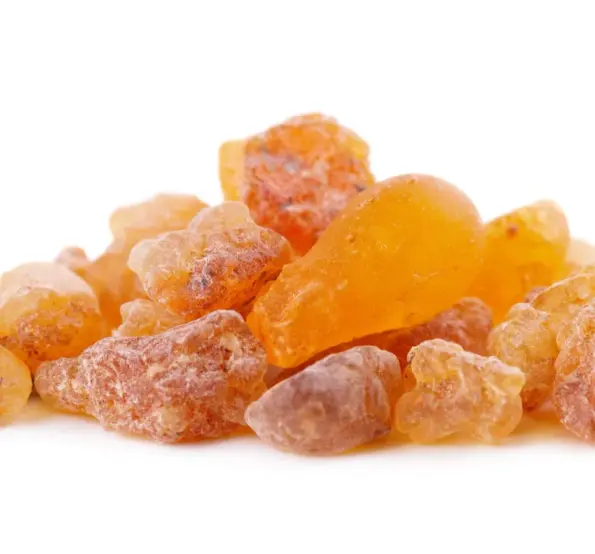
Boswellia, also known as Indian frankincense. It is a herbal extract derived from the Boswellia serrata tree and has been used for centuries in traditional medicine for its potent anti-inflammatory and analgesic properties. Its key active compounds, particularly boswellic acids such as acetyl-11-keto-β-boswellic acid (AKBA), help reduce inflammation and are commonly used to support joint health, manage arthritis, improve gut conditions like inflammatory bowel disease, and even assist with respiratory issues such as asthma¹. Available in supplement, topical, and essential oil forms, boswellia is generally well-tolerated, though mild side effects can occur. It’s gaining popularity as a natural alternative for managing chronic inflammation and pain.


Key indications

Anti-inflammation


Boswellia is best known for its powerful anti-inflammatory properties, making it a valuable natural remedy
for a variety of chronic inflammatory conditions. The active compounds in Boswellia, boswellic acids, help
suppress inflammation by inhibiting 5-lipoxygenase (5-LOX), an enzyme responsible for the formation of
pro-inflammatory leukotrienes, and by modulating cytokine activity². These mechanisms contribute to its
effectiveness in supporting overall joint and tissue health.

Joint Health and Mobility

Boswellia is widely recognised for its effectiveness in supporting joint health and mobility for individuals with osteoarthritis and rheumatoid arthritis. Research has demonstrated that boswellia can help reduce joint pain and stiffness, improve functional movement, and protect cartilage and connective tissues,
offering a natural alternative to NSAIDs without the associated gastrointestinal side effects³. Notably,
Boswellia have shown superior benefits in decreasing pain, stiffness, and inflammatory biomarkers.

Gut Health

Boswellia has demonstrated significant potential in supporting gastrointestinal health by managing
inflammatory bowel diseases such as ulcerative colitis and Crohn’s disease⁴. Its anti-inflammatory action,
primarily through the reduction of leukotriene production, helps modulate inflammation in the intestinal
lining⁵. This can result in symptom relief, including decreased stool frequency, mucus, and rectal bleeding, while also promoting long-term remission and histological improvements.

Respiratory Health

Boswellia has demonstrated significant potential in supporting respiratory health, especially in managing
asthma and bronchial inflammation⁶. Its anti-inflammatory properties, including the inhibition of
leukotriene biosynthesis, provide a scientific basis for its use in respiratory conditions. Clinical studies have demonstrated that boswellia supplementation can lead to significant improvements in respiratory symptoms such as wheezing and shortness of breath, along with enhanced pulmonary function and
reduced inflammatory markers⁷.

Anti-inflammation


Boswellia is best known for its powerful anti-inflammatory properties, making it a valuable natural remedy
for a variety of chronic inflammatory conditions. The active compounds in Boswellia, boswellic acids, help
suppress inflammation by inhibiting 5-lipoxygenase (5-LOX), an enzyme responsible for the formation of
pro-inflammatory leukotrienes, and by modulating cytokine activity². These mechanisms contribute to its
effectiveness in supporting overall joint and tissue health.

Joint Health and Mobility

Boswellia is widely recognised for its effectiveness in supporting joint health and mobility for individuals with osteoarthritis and rheumatoid arthritis. Research has demonstrated that boswellia can help reduce joint pain and stiffness, improve functional movement, and protect cartilage and connective tissues,
offering a natural alternative to NSAIDs without the associated gastrointestinal side effects³. Notably,
Boswellia have shown superior benefits in decreasing pain, stiffness, and inflammatory biomarkers.

Gut Health

Boswellia has demonstrated significant potential in supporting gastrointestinal health by managing
inflammatory bowel diseases such as ulcerative colitis and Crohn’s disease⁴. Its anti-inflammatory action,
primarily through the reduction of leukotriene production, helps modulate inflammation in the intestinal
lining⁵. This can result in symptom relief, including decreased stool frequency, mucus, and rectal bleeding, while also promoting long-term remission and histological improvements.

Respiratory Health

Boswellia has demonstrated significant potential in supporting respiratory health, especially in managing
asthma and bronchial inflammation⁶. Its anti-inflammatory properties, including the inhibition of
leukotriene biosynthesis, provide a scientific basis for its use in respiratory conditions. Clinical studies have demonstrated that boswellia supplementation can lead to significant improvements in respiratory symptoms such as wheezing and shortness of breath, along with enhanced pulmonary function and
reduced inflammatory markers⁷.

Cognitive and Neurological Support

Emerging data suggests that boswellia may possess neuroprotective properties, potentially beneficial for
cognitive function and neuroinflammatory disorders8. Its ability to cross the blood-brain barrier and inhibit neuroinflammatory mediators opens up new avenues for brain health support. Studies also shown that
boswellia may reduce oxidative stress and neuroinflammation in models of Alzheimer’s disease, enhancing memory and learning capacity⁹.

Adverse effects

Consistently taking boswellia doses above 2,400mg to 3,000mg per day for more than 6 months may cause side effects such as stomach pain, nausea, diarrhea,headache, heartburn, and itching¹⁰.

Dosage range

The recommended dosage of boswellia extract for adults is 1,200mg to 2,400mg per day, typically taken over a period of up to 3 months¹³.
Osteoarthritis: 999mg per day12
Rheumatoid Arthritis: 3,600mg per day12
Ulcerative Colitis: 1,050mg per day12
Bronchial Asthma: 900mg per day12
Inflammatory Bowel Disease: 900mg – 1,500mg per day12

Contraindications/cautions

NSAIDs
Boswellia has anti-inflammatory properties and may interact with medications that have similar effects, such as aspirin, naproxen, or ibuprofen. When combined, it could potentially lead to gastrointestinal
irritation or an increased risk of bleeding¹¹.


Pregnancy
Avoid the use of boswellia during pregnancy as it may cause miscarriage¹².


Insufficient reliable information regarding the use of boswellia for children and lactation.

Adverse effects

Consistently taking boswellia doses above 2,400mg to 3,000mg per day for more than 6 months may cause side effects such as stomach pain, nausea, diarrhea,headache, heartburn, and itching¹⁰.

Dosage range

The recommended dosage of boswellia extract for adults is 1,200mg to 2,400mg per day, typically taken over a period of up to 3 months¹³.
Osteoarthritis: 999mg per day12
Rheumatoid Arthritis: 3,600mg per day12
Ulcerative Colitis: 1,050mg per day12
Bronchial Asthma: 900mg per day12
Inflammatory Bowel Disease: 900mg – 1,500mg per day12

Contraindications/cautions

NSAIDs
Boswellia has anti-inflammatory properties and may interact with medications that have similar effects, such as aspirin, naproxen, or ibuprofen. When combined, it could potentially lead to gastrointestinal
irritation or an increased risk of bleeding¹¹.


Pregnancy
Avoid the use of boswellia during pregnancy as it may cause miscarriage¹².


Insufficient reliable information regarding the use of boswellia for children and lactation.

References :

  1. Yu, G., Xiang, W., Zhang, T., Zeng, L., Yang, K., & Li, J. (2020b). Effectiveness of Boswellia and Boswellia extract for osteoarthritis patients: a systematic review and meta-analysis. BMC Complementary Medicine and Therapies, 20(1). https://doi.org/10.1186/s12906-020-02985-6
  2. Ragab, E. A., El-Wahab, M. F. A., Doghish, A. S., Salama, R. M., Eissa, N., & Darwish, S. F. (2023). The journey of boswellic acids from synthesis to pharmacological activities. Naunyn-Schmiedeberg S Archives of Pharmacology, 397(3), 1477–1504. https://doi.org/10.1007/s00210-023-02725-w
  3. Maouche, A., Boumediene, K., & Baugé, C. (2024). Bioactive compounds in osteoarthritis: molecular mechanisms and therapeutic roles. International Journal of Molecular Sciences, 25(21), 11656. https://doi.org/10.3390/ijms252111656
  4. Catanzaro, D., Rancan, S., Orso, G., Dall’Acqua, S., Brun, P., Giron, M. C., Carrara, M., Castagliuolo, I., Ragazzi, E., Caparrotta, L., & Montopoli, M. (2015). Boswellia serrata Preserves Intestinal Epithelial Barrier from Oxidative and Inflammatory Damage. PLoS ONE, 10(5), e0125375. https://doi.org/10.1371/journal.pone.0125375
  5. Salvi, S. S., Krishna, M. T., Sampson, A. P., & Holgate, S. T. (2001). The anti-inflammatory effects of Leukotriene-Modifying drugs and their use in asthma. CHEST Journal, 119(5), 1533–1546. https://doi.org/10.1378/chest.119.5.1533
  6. Mark, J. D. (2017). Asthma. In Elsevier eBooks (pp. 288-299.e2). https://doi.org/10.1016/b978-0-323-35868-2.00029-3
  7. Kokkinis, S., Singh, M., Paudel, K. R., De Rubis, G., Saeid, A. B., Jessamine, V., Datsyuk, J., Singh, S. K., Vishwas, S., Adams, J., Hansbro, P. M., Oliver, B., Gupta, G., Dureja, H., & Dua, K. (2024). Plant-based therapeutics for chronic obstructive pulmonary diseases: Nanoformulation strategies to overcome delivery challenges. Food Bioscience, 58, 103761. https://doi.org/10.1016/j.fbio.2024.103761
  8. Siddiqui, A., Shah, Z., Jahan, R. N., Othman, I., & Kumari, Y. (2021). Mechanistic role of boswellic acids in Alzheimer’s disease: Emphasis on anti-inflammatory properties. Biomedicine & Pharmacotherapy, 144, 112250. https://doi.org/10.1016/j.biopha.2021.112250
  9. Mohamed, E. A., Ahmed, H. I., Zaky, H. S., & Badr, A. M. (2022). Boswellic acids ameliorate neurodegeneration induced by AlCl3: the implication of Wnt/β-catenin pathway. Environmental Science and Pollution Research, 29(50), 76135–76143. https://doi.org/10.1007/s11356-022-20611-5
  10. BOSWELLIA SERRATA: Overview, uses, side effects, precautions, interactions, dosing and reviews. (n.d.-b). https://www.webmd.com/vitamins/ai/ingredientmono-63/boswellia-serrata
  11. Johnson, J. (2023, June 27). What to know about boswellia. https://www.medicalnewstoday.com/articles/326599
  12. Boswellia: side effects, uses, dosage, interactions, warnings. (2021, September 9). RxList. https://www.rxlist.com/boswellia/generic-drug.htm
  13. Woznik, P. (2024, December 16). Boswellia. Examine.com. https://examine.com/supplements/boswellia/?srsltid=AfmBOoqGGOOHk-x8oPI2XA8BRQywWZ1e BUX1RIixaVB9NTSbmwLL4Ju&show_conditions=true

References :

  1. Yu, G., Xiang, W., Zhang, T., Zeng, L., Yang, K., & Li, J. (2020b). Effectiveness of Boswellia and Boswellia extract for osteoarthritis patients: a systematic review and meta-analysis. BMC Complementary Medicine and Therapies, 20(1). https://doi.org/10.1186/s12906-020-02985-6
  2. Ragab, E. A., El-Wahab, M. F. A., Doghish, A. S., Salama, R. M., Eissa, N., & Darwish, S. F. (2023). The journey of boswellic acids from synthesis to pharmacological activities. Naunyn-Schmiedeberg S Archives of Pharmacology, 397(3), 1477–1504. https://doi.org/10.1007/s00210-023-02725-w
  3. Maouche, A., Boumediene, K., & Baugé, C. (2024). Bioactive compounds in osteoarthritis: molecular mechanisms and therapeutic roles. International Journal of Molecular Sciences, 25(21), 11656. https://doi.org/10.3390/ijms252111656
  4. Catanzaro, D., Rancan, S., Orso, G., Dall’Acqua, S., Brun, P., Giron, M. C., Carrara, M., Castagliuolo, I., Ragazzi, E., Caparrotta, L., & Montopoli, M. (2015). Boswellia serrata Preserves Intestinal Epithelial Barrier from Oxidative and Inflammatory Damage. PLoS ONE, 10(5), e0125375. https://doi.org/10.1371/journal.pone.0125375
  5. Salvi, S. S., Krishna, M. T., Sampson, A. P., & Holgate, S. T. (2001). The anti-inflammatory effects of Leukotriene-Modifying drugs and their use in asthma. CHEST Journal, 119(5), 1533–1546. https://doi.org/10.1378/chest.119.5.1533
  6. Mark, J. D. (2017). Asthma. In Elsevier eBooks (pp. 288-299.e2). https://doi.org/10.1016/b978-0-323-35868-2.00029-3
  7. Kokkinis, S., Singh, M., Paudel, K. R., De Rubis, G., Saeid, A. B., Jessamine, V., Datsyuk, J., Singh, S. K., Vishwas, S., Adams, J., Hansbro, P. M., Oliver, B., Gupta, G., Dureja, H., & Dua, K. (2024). Plant-based therapeutics for chronic obstructive pulmonary diseases: Nanoformulation strategies to overcome delivery challenges. Food Bioscience, 58, 103761. https://doi.org/10.1016/j.fbio.2024.103761
  8. Siddiqui, A., Shah, Z., Jahan, R. N., Othman, I., & Kumari, Y. (2021). Mechanistic role of boswellic acids in Alzheimer’s disease: Emphasis on anti-inflammatory properties. Biomedicine & Pharmacotherapy, 144, 112250. https://doi.org/10.1016/j.biopha.2021.112250
  9. Mohamed, E. A., Ahmed, H. I., Zaky, H. S., & Badr, A. M. (2022). Boswellic acids ameliorate neurodegeneration induced by AlCl3: the implication of Wnt/β-catenin pathway. Environmental Science and Pollution Research, 29(50), 76135–76143. https://doi.org/10.1007/s11356-022-20611-5
  10. BOSWELLIA SERRATA: Overview, uses, side effects, precautions, interactions, dosing and reviews. (n.d.-b). https://www.webmd.com/vitamins/ai/ingredientmono-63/boswellia-serrata
  11. Johnson, J. (2023, June 27). What to know about boswellia. https://www.medicalnewstoday.com/articles/326599
  12. Boswellia: side effects, uses, dosage, interactions, warnings. (2021, September 9). RxList. https://www.rxlist.com/boswellia/generic-drug.htm
  13. Woznik, P. (2024, December 16). Boswellia. Examine.com. https://examine.com/supplements/boswellia/?srsltid=AfmBOoqGGOOHk-x8oPI2XA8BRQywWZ1e BUX1RIixaVB9NTSbmwLL4Ju&show_conditions=true

The material is prepared for informational purposes only and should not be construed as a piece of personal medical advice. Owing to each person’s varying health needs, a physician should be consulted before acting on any information provided in this material. Although every effort is made to ensure that this material is accurate, it is compiled for internal use only and should not be considered definitive. Neither VitaHealth nor its employees, or information providers shall be responsible or liable for any errors, inaccuracies, or other defects in the information contained in this publication.

You might also be interested in

Molybdenum

Molybdenum (Mo) is a trace element that plays a vital role in human health, even though we only need it in small amounts. It acts

READ MORE

Marigold Flower

Marigold flower extract can be derived from two different sources: Calendula officinalis (commonly known as pot marigold) and Tagetes species (such as Tagetes erecta, or

READ MORE

Broccoli Extract

Broccoli extract, derived from Brassica oleracea is a cruciferous vegetable celebrated not only for its nutritional value but also for its potent health-promoting phytochemicals. Broccoli

READ MORE
My Cart
Close Wishlist
Close Recently Viewed
Categories