Ingredients A-Z

Black Seed

Overview

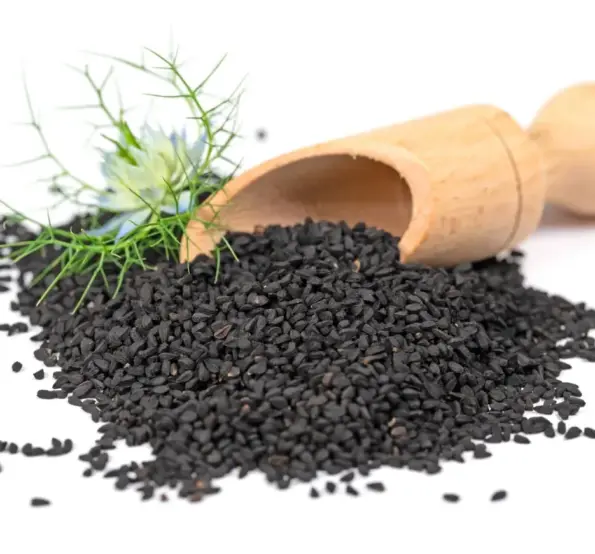
Black seed (Nigella sativa), a flowering plant native to Asia and the Middle East, has been used in traditional medicine for over 2,000 years. Revered as the ‘blessed seed’ in Islamic tradition and across many cultures, it is particularly valued for its therapeutic qualities. Among the plant’s many bioactive compounds, thymoquinone is the most researched, known for its potent anti-inflammatory and antioxidant properties¹. These properties make black seed an effective natural remedy for managing chronic conditions such as heart disease, diabetes, and autoimmune disorders. Furthermore, black seed plays a vital role in supporting immune function, enhancing antimicrobial defences, and offering a potential natural alternative to conventional antibiotics, particularly in the face of rising antibiotic resistance³ .


Black seed has the ability to regulate blood sugar, improve insulin sensitivity, and aid in weight management⁴,⁸. Additionally, its cardiovascular benefits, including improved lipid profiles and lower blood pressure, make it a valuable supplement for heart health. Black seed also supports respiratory health by alleviating asthma symptoms, providing a comprehensive approach to managing multiple health challenges.

Key indications

Inflammation

Symptoms like joint pain, swelling, stiffness, and digestive discomfort may exist for people with
inflammation¹. Black seed, especially its active compound thymoquinone, has been shown to reduce
inflammatory markers like C-reactive protein (CRP) and modulate inflammatory pathways in the body.
Studies shown that black seed oil significantly alleviates inflammation and improves symptoms in patients
with rheumatoid arthritis².


Type-2 Diabetes and Blood Sugar Imbalance

Studies have shown that thymoquinone, can improve insulin sensitivity and reduce blood glucose levels.
Black seed supplementation significantly reduced both fasting blood sugar levels and HbA1c (a marker of
long-term blood glucose control) in individuals with type-2 diabetes³,⁴,⁵.

Respiratory Issues (Asthma, Allergies, Bronchitis)

Research indicates that black seed possesses bronchodilatory and anti-inflammatory effects, which may
help improve lung function and reduce airway inflammation. Additionally, black seed oil has been shown
to improve asthma control, with better Asthma Control Test (ACT) scores after four weeks of
supplementation⁶. An analysis of four studies also supports its role in asthma management, though it may
not be as effective as the drugs theophylline or salbutamol.

Obesity and Weight Management

For individuals struggling with obesity or those looking to manage their weight, black seed has shown
potential as a natural aid⁷. Symptoms of obesity include excess body fat, particularly around the abdomen, difficulty losing weight, and increased risk of metabolic disorders. Several studies suggest that
black seed can help reduce body fat and promote fat oxidation⁸.

Inflammation

Symptoms like joint pain, swelling, stiffness, and digestive discomfort may exist for people with
inflammation¹. Black seed, especially its active compound thymoquinone, has been shown to reduce
inflammatory markers like C-reactive protein (CRP) and modulate inflammatory pathways in the body.
Studies shown that black seed oil significantly alleviates inflammation and improves symptoms in patients
with rheumatoid arthritis².


Type-2 Diabetes and Blood Sugar Imbalance

Studies have shown that thymoquinone, can improve insulin sensitivity and reduce blood glucose levels.
Black seed supplementation significantly reduced both fasting blood sugar levels and HbA1c (a marker of
long-term blood glucose control) in individuals with type-2 diabetes³,⁴,⁵.

Respiratory Issues (Asthma, Allergies, Bronchitis)

Research indicates that black seed possesses bronchodilatory and anti-inflammatory effects, which may
help improve lung function and reduce airway inflammation. Additionally, black seed oil has been shown
to improve asthma control, with better Asthma Control Test (ACT) scores after four weeks of
supplementation⁶. An analysis of four studies also supports its role in asthma management, though it may
not be as effective as the drugs theophylline or salbutamol.

Obesity and Weight Management

For individuals struggling with obesity or those looking to manage their weight, black seed has shown
potential as a natural aid⁷. Symptoms of obesity include excess body fat, particularly around the abdomen, difficulty losing weight, and increased risk of metabolic disorders. Several studies suggest that
black seed can help reduce body fat and promote fat oxidation⁸.

Digestive Issues (Indigestion, Bloating, Constipation)

People who frequently experience digestive discomfort, such as bloating, indigestion, constipation,
abdominal pain, irregular bowel movements, or a general feeling of fullness, may benefit from black seed.
Traditionally, black seed has been used to support digestive health by promoting regular bowel movements, reducing bloating, and improving overall gut function⁹.

Adverse effects

Some individuals may experience adverse effects, such as allergic reactions (skin rashes, itching), gastrointestinal issues (nausea, bloating, diarrhea), and hypotension (low blood pressure), especially when consumed in excess.

Dosage range

Black seed is commonly consumed as oil or ground powder, with a typical oral dosage ranging from 1 to 3 grams per day. For individuals with type-2 diabetes, preliminary studies suggest that a daily dose of 2g may be optimal for improving lipid levels and blood glucose¹²,¹³. For topical use, research generally involves products containing 10% to 20% black seed, applied twice daily.

Contraindications/cautions

    • No absolute contraindications are known for black seeds.
    • Limited safety and reliable data for pregnant or breastfeeding women.
    • There are some of the potential interactions with drugs such as:

– Blood sugar-lowering (eg; Norvasc); potential synergistic effects.
– Blood-thinning (eg; warfarin, Plavix); potential synergistic eff

Adverse effects

Some individuals may experience adverse effects, such as allergic reactions (skin rashes, itching), gastrointestinal issues (nausea, bloating, diarrhea), and hypotension (low blood pressure), especially when consumed in excess.

Dosage range

Black seed is commonly consumed as oil or ground powder, with a typical oral dosage ranging from 1 to 3 grams per day. For individuals with type-2 diabetes, preliminary studies suggest that a daily dose of 2g may be optimal for improving lipid levels and blood glucose¹²,¹³. For topical use, research generally involves products containing 10% to 20% black seed, applied twice daily.

Contraindications/cautions

    • No absolute contraindications are known for black seeds.
    • Limited safety and reliable data for pregnant or breastfeeding women.
    • There are some of the potential interactions with drugs such as:

– Blood sugar-lowering (eg; Norvasc); potential synergistic effects.
– Blood-thinning (eg; warfarin, Plavix); potential synergistic eff

References :

  1. Hannan, M. A., Rahman, M. A., Sohag, A. A. M., Uddin, M. J., Dash, R., Sikder, M. H., Rahman, M. S., Timalsina, B., Munni, Y. A., Sarker, P. P., Alam, M., Mohibbullah, M., Haque, M. N., Jahan, I., Hossain, M. T., Afrin, T., Rahman, M. M., Tahjib-Ul-Arif, M., Mitra, S., Oktaviani, D. F., Khan, M. K., Choi, H. J., Moon, I. S., & Kim, B. (2021). Black cumin (Nigella sativa L.): A comprehensive review on phytochemistry, health benefits, molecular pharmacology, and safety. Nutrients, 13(6), 1784. https://doi.org/10.3390/nu13061784
  2. Kheirouri, S., Hadi, V., & Alizadeh, M. (2016). Immunomodulatory effect of Nigella sativa oil on T lymphocytes in patients with rheumatoid arthritis. Immunological Investigations, 45(4), 271-283. https://doi.org/10.3109/08820139.2016.1153649
  3. Heshmati J, Namazi N. Effects of black seed (Nigella sativa) on metabolic parameters in diabetes mellitus: a systematic review. Complement Ther Med. 2015 Apr;23(2):275-82. doi: 10.1016/j.ctim.2015.01.013
  4. Kaatabi H, Bamosa AO, Badar A, Al-Elq A, Abou-Hozaifa B, Lebda F, Al-Khadra A, Al-Almaie S. Nigella sativa improves glycemic control and ameliorates oxidative stress in patients with type 2 diabetes mellitus: placebo-controlled participant blinded clinical trial. PLoS One. 2015 Feb 23;10(2):e0113486. doi: 10.1371/journal.pone
  5. Bamosa AO, Kaatabi H, Lebdaa FM, Elq AM, Al-Sultanb A. Effect of Nigella sativa seeds on the glycemic control of patients with type 2 diabetes mellitus. Indian J Physiol Pharmacol. 2010 Oct-Dec;54(4):344-54.
  6. Han A, Shi D. The efficacy of Nigella sativa supplementation for asthma control: a meta-analysis of randomized controlled studies. Postepy Dermatol Alergol. 2021 Aug;38(4):561-565. doi: 10.5114/ada.2020.93220
  7. Zarei, M., Sadeghi, N., Ghavami, M., & Karami, M. (2021). The potential effects of Nigella sativa (black cumin) on metabolic disorders and related complications: A review. Frontiers in Pharmacology, 12, 625386. https://doi.org/10.3389/fphar.2021.625386
  8. Naghsh, N., Moridpour, A. H., Kavyani, Z., Musazadeh, V., Jafarzadeh, J., Safaei, E., Clark, C. C. T., & Faghfouri, A. H. (2023). The effect of Nigella sativa (black seed) supplementation on body weight and body composition: A GRADE-assessed systematic review and dose-response meta-analysis of randomized controlled trials. Journal of Functional Foods, 105, 105565. https://doi.org/10.1016/j.jff.2023.105565
  9. Tariq M. Nigella sativa seeds: folklore treatment in modern day medicine. Saudi J Gastroenterol. 2008 Jul;14(3):105-6. doi: 10.4103/1319-3767.41725
  10. Soleymani S, Zargaran A, Farzaei MH, Iranpanah A, Heydarpour F, Najafi F, Rahimi R. The effect of a hydrogel made by Nigella sativa L. on acne vulgaris: A randomized double-blind clinical trial. Phytother Res. 2020 Nov;34(11):3052-3062. doi: 10.1002/ptr.6739
  11. Eid AM, Elmarzugi NA, Abu Ayyash LM, Sawafta MN, Daana HI. A Review on the Cosmeceutical and External Applications of Nigella sativa. J Trop Med. 2017; 2017:7092514. doi: 10.1155/2017/7092514
  12. Hallajzadeh J, Milajerdi A, Mobini M, Amirani E, Azizi S, Nikkhah E, Bahadori B, Sheikhsoleimani R, Mirhashemi SM. Effects of Nigella sativa on glycemic control, lipid profiles, and biomarkers of inflammatory and oxidative stress: A systematic review and meta-analysis of randomized controlled clinical trials. Phytother Res. 2020 Oct;34(10):2586-2608. doi: 10.1002/ptr.6708
  13. Askari G, Rouhani MH, Ghaedi E, Ghavami A, Nouri M, Mohammadi H. Effect of Nigella sativa (black seed) supplementation on glycemic control: A systematic review and meta-analysis of clinical trials. Phytother Res. 2019 May;33(5):1341-1352. doi: 10.1002/ptr.6337

References :

  1. Hannan, M. A., Rahman, M. A., Sohag, A. A. M., Uddin, M. J., Dash, R., Sikder, M. H., Rahman, M. S., Timalsina, B., Munni, Y. A., Sarker, P. P., Alam, M., Mohibbullah, M., Haque, M. N., Jahan, I., Hossain, M. T., Afrin, T., Rahman, M. M., Tahjib-Ul-Arif, M., Mitra, S., Oktaviani, D. F., Khan, M. K., Choi, H. J., Moon, I. S., & Kim, B. (2021). Black cumin (Nigella sativa L.): A comprehensive review on phytochemistry, health benefits, molecular pharmacology, and safety. Nutrients, 13(6), 1784. https://doi.org/10.3390/nu13061784
  2. Kheirouri, S., Hadi, V., & Alizadeh, M. (2016). Immunomodulatory effect of Nigella sativa oil on T lymphocytes in patients with rheumatoid arthritis. Immunological Investigations, 45(4), 271-283. https://doi.org/10.3109/08820139.2016.1153649
  3. Heshmati J, Namazi N. Effects of black seed (Nigella sativa) on metabolic parameters in diabetes mellitus: a systematic review. Complement Ther Med. 2015 Apr;23(2):275-82. doi: 10.1016/j.ctim.2015.01.013
  4. Kaatabi H, Bamosa AO, Badar A, Al-Elq A, Abou-Hozaifa B, Lebda F, Al-Khadra A, Al-Almaie S. Nigella sativa improves glycemic control and ameliorates oxidative stress in patients with type 2 diabetes mellitus: placebo-controlled participant blinded clinical trial. PLoS One. 2015 Feb 23;10(2):e0113486. doi: 10.1371/journal.pone
  5. Bamosa AO, Kaatabi H, Lebdaa FM, Elq AM, Al-Sultanb A. Effect of Nigella sativa seeds on the glycemic control of patients with type 2 diabetes mellitus. Indian J Physiol Pharmacol. 2010 Oct-Dec;54(4):344-54.
  6. Han A, Shi D. The efficacy of Nigella sativa supplementation for asthma control: a meta-analysis of randomized controlled studies. Postepy Dermatol Alergol. 2021 Aug;38(4):561-565. doi: 10.5114/ada.2020.93220
  7. Zarei, M., Sadeghi, N., Ghavami, M., & Karami, M. (2021). The potential effects of Nigella sativa (black cumin) on metabolic disorders and related complications: A review. Frontiers in Pharmacology, 12, 625386. https://doi.org/10.3389/fphar.2021.625386
  8. Naghsh, N., Moridpour, A. H., Kavyani, Z., Musazadeh, V., Jafarzadeh, J., Safaei, E., Clark, C. C. T., & Faghfouri, A. H. (2023). The effect of Nigella sativa (black seed) supplementation on body weight and body composition: A GRADE-assessed systematic review and dose-response meta-analysis of randomized controlled trials. Journal of Functional Foods, 105, 105565. https://doi.org/10.1016/j.jff.2023.105565
  9. Tariq M. Nigella sativa seeds: folklore treatment in modern day medicine. Saudi J Gastroenterol. 2008 Jul;14(3):105-6. doi: 10.4103/1319-3767.41725
  10. Soleymani S, Zargaran A, Farzaei MH, Iranpanah A, Heydarpour F, Najafi F, Rahimi R. The effect of a hydrogel made by Nigella sativa L. on acne vulgaris: A randomized double-blind clinical trial. Phytother Res. 2020 Nov;34(11):3052-3062. doi: 10.1002/ptr.6739
  11. Eid AM, Elmarzugi NA, Abu Ayyash LM, Sawafta MN, Daana HI. A Review on the Cosmeceutical and External Applications of Nigella sativa. J Trop Med. 2017; 2017:7092514. doi: 10.1155/2017/7092514
  12. Hallajzadeh J, Milajerdi A, Mobini M, Amirani E, Azizi S, Nikkhah E, Bahadori B, Sheikhsoleimani R, Mirhashemi SM. Effects of Nigella sativa on glycemic control, lipid profiles, and biomarkers of inflammatory and oxidative stress: A systematic review and meta-analysis of randomized controlled clinical trials. Phytother Res. 2020 Oct;34(10):2586-2608. doi: 10.1002/ptr.6708
  13. Askari G, Rouhani MH, Ghaedi E, Ghavami A, Nouri M, Mohammadi H. Effect of Nigella sativa (black seed) supplementation on glycemic control: A systematic review and meta-analysis of clinical trials. Phytother Res. 2019 May;33(5):1341-1352. doi: 10.1002/ptr.6337

The material is prepared for informational purposes only and should not be construed as a piece of personal medical advice. Owing to each person’s varying health needs, a physician should be consulted before acting on any information provided in this material. Although every effort is made to ensure that this material is accurate, it is compiled for internal use only and should not be considered definitive. Neither VitaHealth nor its employees, or information providers shall be responsible or liable for any errors, inaccuracies, or other defects in the information contained in this publication.

You might also be interested in

Black Seed

Black seed (Nigella sativa), a flowering plant native to Asia and the Middle East, has been used in traditional medicine for over 2,000 years. Revered

READ MORE

Bilberry

Bilberry, vaccinium myrtillus is a deciduous, leafy, freely branched, perennial shrub native to northern areas of Europe, Asia, the northern United States, and Canada. Its

READ MORE

Astragalus Extract

Astragalus (Astragalus membranaceus) belongs to a group of medicinal plants in the Leguminosae family. It is a perennial plant, can grow up to about 16

READ MORE
My Cart
Close Wishlist
Close Recently Viewed
Categories