Health A-Z
Osteoarthritis
Overview
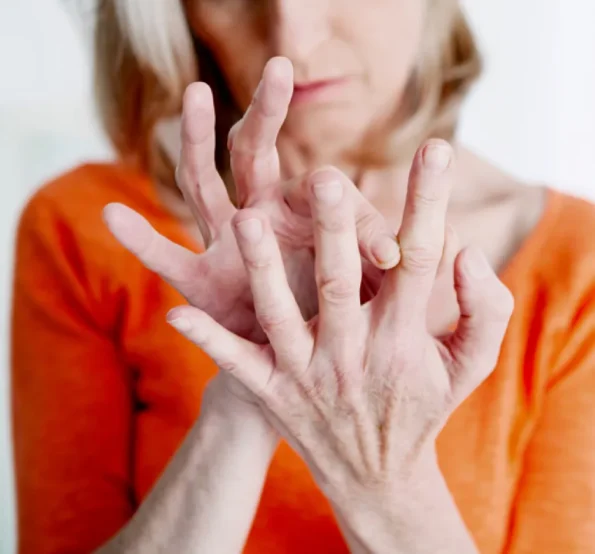
- Osteoarthritis (OA) is the most common type of arthritis which affects 10% of the global population1¹.
- In global, it is one of the most frequent causes of pain or aching, stiffness, decreased flexibility and swelling in adults². It commonly affects people over 60 years of age.
- OA is caused by wear and tear due to excessive use over the years or to old injuries in the affected joints³.
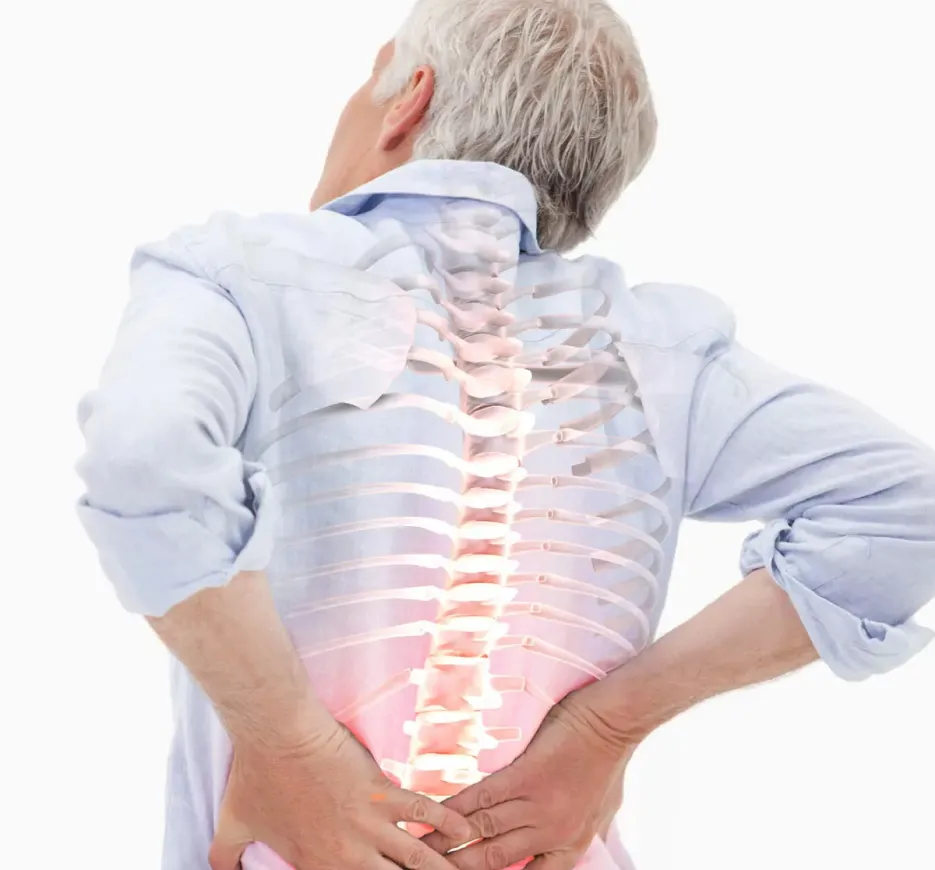
- Osteoarthritis mostly affects the large weight-bearing joints like the knees, hips and spine, causing pain and stiffness which are worst at the end of the day. The affected person may have difficulty in walking, climbing stairs, squatting or kneeling⁴.
Symptoms and Signs

Pain5⁵

Stiffness⁵

Tenderness⁵

Loss of flexibility⁵

Grating sensation⁵

Bone spurs⁵

Swelling⁵
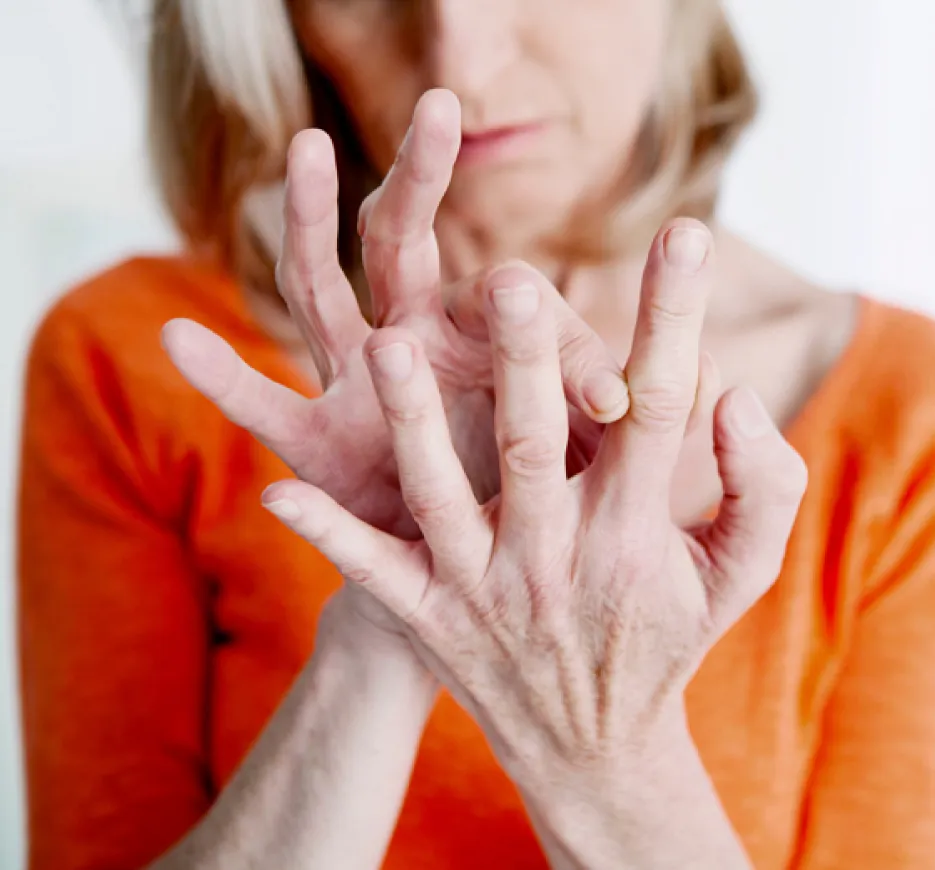
Signs and Symptoms
Pain5⁵
Stiffness⁵
Tenderness⁵
Loss of flexibility⁵
Grating sensation⁵
Bone spurs⁵
Swelling⁵
Causes and risk factors
- Age⁶
- Weight⁶
- Heredity⁶
- Gender⁶
- Repetitive stress injuries⁶
- Athletics, such as soccer, tennis and marathon⁶
Causes and risk factors
- Age⁶
- Weight⁶
- Heredity⁶
- Gender⁶
- Repetitive stress injuries⁶
- Athletics, such as soccer, tennis and marathon⁶
Supplement recommendations
Turmeric
Mechanism of action
The mechanism by which curcumin shows anti-inflammatory effect is by attenuating inflammatory response of
TNF-α stimulated human endothelial cells with the action of blocking NF-κB activation. Furthermore, curcumin is
also capable of preventing platelet-derived growth factor (PDGF)⁷.
Benefits
Pain in osteoarthritis (OA) and rheumatoid arthritis (RA)
In a 12-week, single-centre, randomised, placebo-controlled clinical trial in patients with knee OA and effusion-synovitis, taking 1000mg of turmeric extract daily significantly improved the pain condition as observed through two pain indicators, visual analogue scale (VAS) pain and Western Ontario and McMaster Universities Osteoarthritis Index (WOMAC) knee pain⁶. Supplementation of curcumin at dosage 500mg, twice daily for 8 weeks significantly improved condition of patients with mild or moderate RA compared to those with diclofenac sodium 50mg alone and drug-curcumin treatment. This result was observed from the reduction in Disease Activity Score (DAS) and tenderness and swelling of joint scores based on American College of Rheumatology (ACR) criteria⁸.
Anti-inflammatory and cancer prevention
Research suggested that curcumin acts as a potent anticarcinogenic compound targeted various molecules through suppression of tumour growth, anti-inflammatory and anticarcinogenic actions as well as reduction of tumour adhesion to endothelial cells⁹. In addition, curcumin also exerts its anticancer effects by reducing angiogenesis (growth of new blood vessels in tumour), supressing metastasis and causing cancerous cell death in leukaemia, breast, colon, hepatocellular and ovarian¹⁰,¹¹. Gastrointestinal cancer like colorectal cancer may be prevented from occurring in the first place¹¹. Study shown the number of lesions in colon (which is potential to turn into cancerous cells) was reduced by 40% with consumption of 4g of curcumin daily for 30 days¹².
Recommended dosage
Typical doses of turmeric extract used is 1.5g daily for up to 3 months (with standardisation of curcuminoid content ranging from 75% to almost 100%).
Type-II Collagen
Mechanism of action
When Treg cells recognize type-II collagen in joint cartilage, they secrete anti-inflammatory mediators (cytokines), including the transforming growth factor-beta (TGF-beta), interleukin 4 (IL-4) and interleukin 10 (IL-10) to reduce joint inflammation and promote cartilage repair¹⁸.
Benefits
Osteoarthritis (OA)
OA is a chronic, painful and inflammatory disease characterised by chronic joint pain, stiffness, inflexibility, swelling, narrowing of joint spaces, and formation of osteophytes and lameness³-⁸. Taking 2g of type-II collagen daily for 70 days has significantly improved OA-associated symptoms and pain reduction in knee and/or hip joint as measured by visual analogue scale (VAS) pain assessment and Western Ontario and McMaster Universities Arthritis Index (WOMAC) scores⁹. Significant enhancement in knee joint function, daily activities and quality of life are reported with daily dose of 40mg of type-II collagen in 90 to 120 days¹⁹,²⁰. Type-II collagen is believed to stimulate the activation of immune cells to produce anti-inflammatory mediators (cytokines) such as the transforming growth factor-beta (TGF-beta), interleukin 4 (IL-4) and interleukin 10 (IL-10) and thus helps to improve joint inflammation and promotes cartilage repair²¹,²².
Rheumatoid arthritis (RA)
A significant improvement in the stiffness and joint pain is observed in patients with severe RA patients after daily administration of 10mg of type-II collagen for 42 days. It plays an important role in reduction of the expression of several pro-inflammatory cytokines²³.
Joint pain
Daily intake of 10mg (in combination with 150mg of n-enriched tetrahydro iso- acids (THIAA) and 40mg of type-II collagen has significantly improved the average knee extension and lessen joint pain compared to placebo in 84 to 120 days²⁴,²⁵.
Recommended dosage
Typical doses used in clinical trials at dose up to 40mg daily for up to 24 weeks.
Bromelain
Mechanism of action
Experimental evidence suggests that bromelain’s action as an anti-inflammatory is mediated via the following factors: (i) by increasing serum fibrinolytic activity, reducing plasma fibrinogen levels and decreasing bradykinin levels (which results in reduced vascular permeability) and hence reducing oedema and pain; (ii) by mediating prostaglandin levels (by decreasing levels of PGE2 and thromboxane A2); and (iii) through modulation of certain immune cell surface adhesion molecules, which play a role in the pathogenesis of arthritis²⁶.
Benefits
Knee pain
It has been shown that taking oral bromelain for 30 days can help to reduce mild and acute knee pain.
Comparatively, 400mg is more effective than 200mg in improving stiffness, pain and physical function of the knee, the symptoms reductions are 59% and 41% respectively. Fatty acids production in the gastrointestinal tract which helps to regulate pH and inhibit the activation of NFκB macrophages that can cause inflammatory bowel diseases²⁷. A meta-analysis showed probiotics reduce irritable bowel syndrome and abdominal pain after 8 to 10 weeks of consumption²⁸.
Osteoarthritis
Clinical study shows that bromelain has anti-inflammatory properties which exert therapeutic effects on
osteoarthritis (OA) and rheumatoid arthritis (RA). Besides that, bromelain-containing products help to reduce pain and improve function in knee osteoarthritis²⁹,³⁰.
Recommended dosage
Bromelain can be used at a range of doses between 40mg to 400mg daily³¹.
Supplement recommendations 1
Turmeric
Mechanism of action
The mechanism by which curcumin shows anti-inflammatory effect is by attenuating inflammatory response of
TNF-α stimulated human endothelial cells with the action of blocking NF-κB activation. Furthermore, curcumin is
also capable of preventing platelet-derived growth factor (PDGF)⁷.
Benefits
Pain in osteoarthritis (OA) and rheumatoid arthritis (RA)
In a 12-week, single-centre, randomised, placebo-controlled clinical trial in patients with knee OA and effusion-synovitis, taking 1000mg of turmeric extract daily significantly improved the pain condition as observed through two pain indicators, visual analogue scale (VAS) pain and Western Ontario and McMaster Universities Osteoarthritis Index (WOMAC) knee pain⁶. Supplementation of curcumin at dosage 500mg, twice daily for 8 weeks significantly improved condition of patients with mild or moderate RA compared to those with diclofenac sodium 50mg alone and drug-curcumin treatment. This result was observed from the reduction in Disease Activity Score (DAS) and tenderness and swelling of joint scores based on American College of Rheumatology (ACR) criteria⁸.
Anti-inflammatory and cancer prevention
Research suggested that curcumin acts as a potent anticarcinogenic compound targeted various molecules through suppression of tumour growth, anti-inflammatory and anticarcinogenic actions as well as reduction of tumour adhesion to endothelial cells⁹. In addition, curcumin also exerts its anticancer effects by reducing angiogenesis (growth of new blood vessels in tumour), supressing metastasis and causing cancerous cell death in leukaemia, breast, colon, hepatocellular and ovarian¹⁰,¹¹. Gastrointestinal cancer like colorectal cancer may be prevented from occurring in the first place¹¹. Study shown the number of lesions in colon (which is potential to turn into cancerous cells) was reduced by 40% with consumption of 4g of curcumin daily for 30 days¹².
Recommended dosage
Typical doses of turmeric extract used is 1.5g daily for up to 3 months (with standardisation of curcuminoid content ranging from 75% to almost 100%).
Supplement recommendations 2
Turmeric
Mechanism of action
The mechanism by which curcumin shows anti-inflammatory effect is by attenuating inflammatory response of
TNF-α stimulated human endothelial cells with the action of blocking NF-κB activation. Furthermore, curcumin is
also capable of preventing platelet-derived growth factor (PDGF)⁷.
Benefits
Pain in osteoarthritis (OA) and rheumatoid arthritis (RA)
In a 12-week, single-centre, randomised, placebo-controlled clinical trial in patients with knee OA and effusion-synovitis, taking 1000mg of turmeric extract daily significantly improved the pain condition as observed through two pain indicators, visual analogue scale (VAS) pain and Western Ontario and McMaster Universities Osteoarthritis Index (WOMAC) knee pain⁶. Supplementation of curcumin at dosage 500mg, twice daily for 8 weeks significantly improved condition of patients with mild or moderate RA compared to those with diclofenac sodium 50mg alone and drug-curcumin treatment. This result was observed from the reduction in Disease Activity Score (DAS) and tenderness and swelling of joint scores based on American College of Rheumatology (ACR) criteria⁸.
Anti-inflammatory and cancer prevention
Research suggested that curcumin acts as a potent anticarcinogenic compound targeted various molecules through suppression of tumour growth, anti-inflammatory and anticarcinogenic actions as well as reduction of tumour adhesion to endothelial cells⁹. In addition, curcumin also exerts its anticancer effects by reducing angiogenesis (growth of new blood vessels in tumour), supressing metastasis and causing cancerous cell death in leukaemia, breast, colon, hepatocellular and ovarian¹⁰,¹¹. Gastrointestinal cancer like colorectal cancer may be prevented from occurring in the first place¹¹. Study shown the number of lesions in colon (which is potential to turn into cancerous cells) was reduced by 40% with consumption of 4g of curcumin daily for 30 days¹².
Recommended dosage
Typical doses of turmeric extract used is 1.5g daily for up to 3 months (with standardisation of curcuminoid content ranging from 75% to almost 100%).
Supplement recommendations
Type-II Collagen
Mechanism of action
When Treg cells recognize type-II collagen in joint cartilage, they secrete anti-inflammatory mediators (cytokines), including the transforming growth factor-beta (TGF-beta), interleukin 4 (IL-4) and interleukin 10 (IL-10) to reduce joint inflammation and promote cartilage repair¹⁸.
Benefits
Osteoarthritis (OA)
OA is a chronic, painful and inflammatory disease characterised by chronic joint pain, stiffness, inflexibility, swelling, narrowing of joint spaces, and formation of osteophytes and lameness³-⁸. Taking 2g of type-II collagen daily for 70 days has significantly improved OA-associated symptoms and pain reduction in knee and/or hip joint as measured by visual analogue scale (VAS) pain assessment and Western Ontario and McMaster Universities Arthritis Index (WOMAC) scores⁹. Significant enhancement in knee joint function, daily activities and quality of life are reported with daily dose of 40mg of type-II collagen in 90 to 120 days¹⁹,²⁰. Type-II collagen is believed to stimulate the activation of immune cells to produce anti-inflammatory mediators (cytokines) such as the transforming growth factor-beta (TGF-beta), interleukin 4 (IL-4) and interleukin 10 (IL-10) and thus helps to improve joint inflammation and promotes cartilage repair²¹,²².
Rheumatoid arthritis (RA)
A significant improvement in the stiffness and joint pain is observed in patients with severe RA patients after daily administration of 10mg of type-II collagen for 42 days. It plays an important role in reduction of the expression of several pro-inflammatory cytokines²³.
Joint pain
Daily intake of 10mg (in combination with 150mg of n-enriched tetrahydro iso- acids (THIAA) and 40mg of type-II collagen has significantly improved the average knee extension and lessen joint pain compared to placebo in 84 to 120 days²⁴,²⁵.
Recommended dosage
Typical doses used in clinical trials at dose up to 40mg daily for up to 24 weeks.
Supplement recommendations
Bromelain
Mechanism of action
Experimental evidence suggests that bromelain’s action as an anti-inflammatory is mediated via the following factors: (i) by increasing serum fibrinolytic activity, reducing plasma fibrinogen levels and decreasing bradykinin levels (which results in reduced vascular permeability) and hence reducing oedema and pain; (ii) by mediating prostaglandin levels (by decreasing levels of PGE2 and thromboxane A2); and (iii) through modulation of certain immune cell surface adhesion molecules, which play a role in the pathogenesis of arthritis²⁶.
Benefits
Knee pain
It has been shown that taking oral bromelain for 30 days can help to reduce mild and acute knee pain.
Comparatively, 400mg is more effective than 200mg in improving stiffness, pain and physical function of the knee, the symptoms reductions are 59% and 41% respectively. Fatty acids production in the gastrointestinal tract which helps to regulate pH and inhibit the activation of NFκB macrophages that can cause inflammatory bowel diseases²⁷. A meta-analysis showed probiotics reduce irritable bowel syndrome and abdominal pain after 8 to 10 weeks of consumption²⁸.
Osteoarthritis
Clinical study shows that bromelain has anti-inflammatory properties which exert therapeutic effects on
osteoarthritis (OA) and rheumatoid arthritis (RA). Besides that, bromelain-containing products help to reduce pain and improve function in knee osteoarthritis²⁹,³⁰.
Recommended dosage
Bromelain can be used at a range of doses between 40mg to 400mg daily³¹.
Diet & lifestyle recommendations
- Cut extra calories³²
- Eat more fruits and vegetables³²
- Exercises like walking, stretching, swimming, water aerobics, biking, yoga, and tai chi can strengthen the leg muscles³³
- Avoid heavy lifting, squatting and stair climbing³⁴
References :
- Kotsirilos V, Vitetta L, Sali A. A guide to evidence-based integrative and complementary medicine. Elsevier 2011
- Leung, Y. Y., Pua, Y. H., & Thumboo, J. (2013). A perspective on osteoarthritis research in Singapore. Proceedings of Singapore Healthcare, 22(1), 31-39.
- RACGP 2009. Guidelines for the non-surgical management of hip and knee osteoarthritis.
- Wang Q et al. Identification of a central role for complement in osteoarthritis. Nat Med 2011;17(12):1674-79.
- Osteoarthritis – Symptoms and causes. (2021, June 16). Mayo Clinic. https://www.mayoclinic.org/diseases-conditions/osteoarthritis/symptoms-causes/syc-20351925
- Osteoarthritis of the knee (Degenerative arthritis of the knee). (2008, August 15). WebMD. https://www.webmd.com/osteoarthritis/ostearthritis-of-the-knee-degenerative-arthritis-of-the-knee
- Panahi, Y.; Hosseini, M.S.; Khalili, N.; Naimi, E.; Simental-Mendia, L.E.; Majeed, M.; Sahebkar, A. Effects of curcumin on serum cytokine concentrations in subjects with metabolic syndrome: A post-hoc analysis of a randomized controlled trial. Biomed. Pharmacother. 2016, 82, 578–582. [CrossRef] [PubMed]
- Sharifi-Rad, J., Rayess, Y. E., Rizk, A. A., et. al. (2020). Turmeric and Its Major Compound Curcumin on Health: Bioactive Effects and Safety Profiles for Food, Pharmaceutical, Biotechnological and Medicinal Applications. Frontiers in pharmacology, 11.
- Goel, A., Kunnumakkara, A. B. & Aggarwal, B. B. (2008). Curcumin as ‘‘Curecumin’’: From kitchen to clinic. Biochem Pharmacol, 75: 787–809.
- Shakibaei, M., Buhrmann, C., Kraehe, P., Shayan, P., Lueders, C., Goel, A. (2014). Curcumin chemosensitizes 5-fluorouracil resistant MMR-deficient human colon cancer cells in high density cultures. PLoS One. 3;9(1):e85397.
- Astinfeshan, Maryam & Rasmi, Yousef & Kheradmand, Fatemeh & Karimpour, Mojtaba & Rahbarghazi, Reza & Aramwit, Pornanong & Nasirzadeh, Mahdyeh & Daeihassani, Behrokh & Shirpoor, Alireza & Golineghad, Zafar & Saboory, Ehsan. (2019).
- Curcumin inhibits angiogenesis in endothelial cells using downregulation of the PI3K/Akt signaling pathway. Food Bioscience. 29. 86-93. 10.1016/j.fbio.2019.04.005.
- Wang, Z., Jones, G., Winzenberg, T., Cai, G., Laslett, L. L., Aitken, D., Hopper, I., Singh, A., Jones, R., Fripp, J., Ding, C., & Antony, B. (2020). Effectiveness of Curcuma longa Extract for the Treatment of Symptoms and Effusion-Synovitis of Knee
- Osteoarthritis: A Randomized Trial. Annals of internal medicine, 173(11), 861–869. https://doi.org/10.7326/M20-0990
- Chandran, B. & Goel, A. (2012). A randomized, pilot study to assess the efficacy and safety of curcumin in patients with active rheumatoid arthritis. Phytother Res, 26:1719–1725.
- L.-X. Na, Y. Li, H.-Z. Pan, X.-L. Zhou, D.-J. Sun, M. Meng, X.-X. Li, C.-H. Sun. (2003). Curcuminoids exert glucose-lowering effect in type 2 diabetes by decreasing serum free fatty acids: a double-blind, placebo-controlled trial, Mol. Nutr. Food Res. 57, 1569–1577. doi:10.1002/mnfr.201200131.
- H. R. Rahimi, A. H. Mohammadpour, M. Dastani, M. R. Jaafari, K. Abnous, M. Ghayour Mobarhan, R. Kazemi Oskuee. (2016). The effect of nano-curcumin on HbA1c, fasting blood glucose, and lipid profile in diabetic subjects: a randomized clinical trial, Avicenna J. Phytomedicine. 6, 567–577.
- Gagliardi, S., Morasso, C., Stivaktakis, P., Pandini, C., Tinelli, V., Tsatsakis, A., Prosperi, D., Hickey, M., Corsi, F., Cereda, C. (2020). Curcumin Formulations and Trials: What’s New in Neurological Diseases. Molecules, 25, 5389.
- Crowley, D. C., Lau, F. C., Sharma, P., Evans, M., Guthrie, N., Bagchi, M., Bagchi, D., Dey, D. K., Raychaudhuri, S. P. (2009). Safety and efficacy of undenatured type II collagen in the treatment of osteoarthritis of the knee: A clinical trial. Int. J. Med. Sci, 312–321.
- Azeem, M. A., Patil, R. (2019). The Study of undenatured type II collagen in the knee osteoarthritis. Int. J. Orthop, 5, 4.
- Lerman, R. H., Chang, J.-L., Konda, V., Desai, A., Montalto, M. B. (2015). Nutritional approach for relief of joint discomfort: A 12-week, open-case series and illustrative case report. Integr. Med, 14, 10.
- Tong, T., Zhao, W., Wu, Y.-Q., Chang, Y., Wang, Q.-T., Zhang, L.-L., Wei, W. (2010). Chicken type II collagen induced immune balance of main subtype of helper T cells in mesenteric lymph node lymphocytes in rats with collagen-induced arthritis.
- Barnett, M. L., Kremer, J. M., St.Clair, W., et al. (1998). Treatment of rheumatoid arthritis with oral type II collagen. Arthritis Rheum, 41:290-7.
- Bagchi, D., Misner, B., Bagchi, M., Kothari, S.C., Downs, B.W., Fafard, R.D., Preuss, H.G. (2002). Effects of orally administered undenatured type II collagen against arthritic inflammatory diseases: Amechanistic exploration. Int. J. Clin. Pharmacol. Res, 22, 101–110.
- Lugo, J. P., Saiyed, Z. M., Lau, F. C., Molina, J. P. L., Pakdaman, M. N., Shamie, A.,Udani, J. K. (2013). Undenatured type II collagen (UC-II®) for joint support: A randomized, double-blind, placebo-controlled study in healthy volunteers. J. Int. Soc. Sports Nutr, 10, 48.
- Brien, S., Lewith, G., Walker, A., Hicks, S. M., & Middleton, D. (2004). Bromelain as a treatment for osteoarthritis: A review of clinical studies. Evidence-Based Complementary and Alternative Medicine, 1(3), 251-257. https://doi.org/10.1093/ecam/neh035
- Inchingolo, F., Tatullo, M., Marrelli, M., Inchingolo, A. M., Picciariello, V., Inchingolo, A. D., Dipalma, G., Vermesan, D., & Cagiano, R. (2010). Clinical trial with bromelain in third molar exodontia. European review for medical and pharmacological sciences, 14(9), 771–774.
- Ryan R. E. (1967). A double-blind clinical evaluation of bromelains in the treatment of acute sinusitis. Headache, 7(1), 13–17. https://doi.org/10.1111/j.1526-4610.1967.hed0701013.x
- Pothacharoen, P., Chaiwongsa, R., Chanmee, T., Insuan, O., Wongwichai, T., Janchai, P., & Vaithanomsat, P. (2021). Bromelain Extract Exerts Antiarthritic Effects via Chondroprotection and the Suppression of TNF-–Induced NF–B and MAPK Signaling. Plants, 10(11), 2273. https://doi.org/10.3390/plants10112273
- Bolten, W. W., Glade, M. J., Raum, S., & Ritz, B. W. (2015). The safety and efficacy of an enzyme combination in managing knee osteoarthritis pain in adults: a randomized, double-blind, placebo-controlled trial. Arthritis, 2015, 251521. https://doi.org/10.1155/2015/251521
- Heinicke, R. M., van der Wal, L., & Yokoyama, M. (1972). Effect of bromelain (Ananase) on human platelet aggregation. Experientia, 28(7), 844–845. https://doi.org/10.1007/BF01923166
- Lifestyle changes for knee pain: Jeremy Woodson, MD: Orthopedic sports medicine surgeons. (n.d.). Jeremy Woodson, MD: Orthopedic Sports Medicine Surgeons: Oklahoma City, OK. https://www.jeremywoodsonmd.com/blog/lifestyle-changes-for-knee-pain
- Healthy eating for knee osteoarthritis. (2012, January 4). WebMD. https://www.webmd.com/osteoarthritis/osteoarthritis-diet
- Prevent knee arthritis with these simple lifestyle changes. (2022, February 26). Hindustan Times. https://www.hindustantimes.com/lifestyle/health/prevent-knee-arthritis-with-these-simple-lifestyle-changes-101645860809023.html
The material is prepared for informational purposes only and should not be construed as a piece of personal medical advice. Owing to each person’s varying health needs, a physician should be consulted before acting on any information provided in this material. Although every effort is made to ensure that this material is accurate, it is compiled for internal use only and should not be considered definitive. Neither VitaHealth nor its employees, or information providers shall be responsible or liable for any errors, inaccuracies, or other defects in the information contained in this publication.
You might also be interested in

Osteoporosis
- Osteoporosis is a generalised bone disease characterised by diminished bone mineral density and bone mass with an increased risk of fractures (broken bones)¹.
- Osteoporosis is a “silent” disease as there are typically no symptoms until a bone is broken².
- Fractures can occur in any bones but happen most often in bones of the hip, vertebrae in the spine, and wrist².
- It has been estimated that more than 200 million people are suffering from osteoporosis worldwide, with increasing prevalence³.
- 1 in 3 women and 1 in 5 men, over the age of 50 years, will experience osteoporosis fractures in their lifetime³.

Insomnia
- Insomnia is a prevalent sleep disorder that can profoundly impact a person’s health and wellbeing.
- Various studies worldwide have shown that the prevalence of insomnia is approximately 10-30% of the population, some even as high as 50%-60%¹.
- Insomnia is common in older adults, females and people with medical and mental ill health¹.
- Insomnia has been associated with a wide range of deleterious health consequences, including an increased risk of hypertension, cardiovascular disease, diabetes, anxiety and depression².
Gastroesophageal reflux disease (GERD)
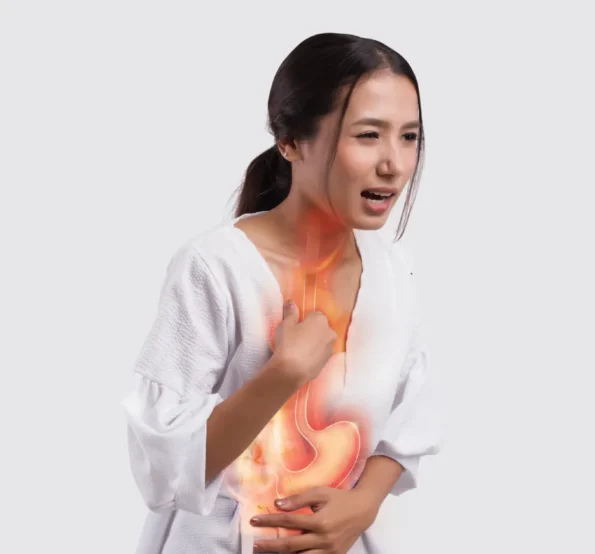
- Gastroesophageal reflux disease (GERD) is a digestive disorder that occurs when acidic stomach juices, or food and fluids back up from the stomach into the esophagus¹.
- The prevalence of GERD in Asia is low, ranging from 2.5% to 7.1% for weekly reflux, 3.8% to 4.6% for twice weekly reflux, and 2.1% for daily reflux, but it might be due to low awareness of the disorder².
- The prevalence of symptom-based GERD in Southeast Asia has been rising3 and was estimated to be 6.3%–18.3% from 2005–2010⁴.
- Left untreated, GERD can result in an esophageal mucosal injury known as reflux esophagitis where persistent backflow of acidic digestive juices will damage the lining of the oesophagus over time⁵.

Brain Fog
- Brain fog is used to describe ‘a usually tempporary state of diminished mental capacity marked by inability to concentrate or to think or reason clearly.¹
- Brain fog is not a formal diagnosis or medical condition but a series of neuropsychologic symptoms related to mild cognitive impairment which may affect daily function.
- Although there are no statistics on the prevalence of brain fog specifically, it was estimated that around 600 million people worldwide suffer from cognitive dysfunction.²
- It has been reported that brain fog is one of the most common long COVID symptoms among survivors.³
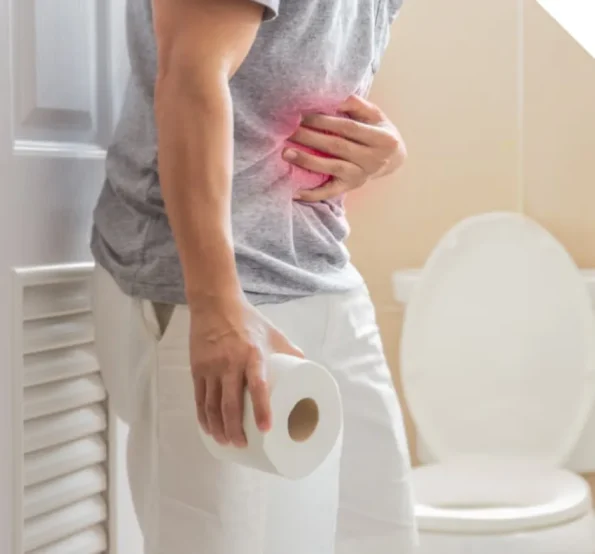
Constipation
- Constipation is a common functional gastrointestinal disorder, with prevalence in the general population of approximately 20%. It is more prevalent in females and the elderly¹.
- Constipation is both a symptom and, when chronic, a multisymptomatic disorder, and it can overlap with other gastrointestinal tract disorders such as dyspepsia and gastroesophageal reflux disease².
- Constipation most commonly refers to infrequent bowel movements. It is defined as having a bowel movement less than 3 times per week³.
- Chronic constipation is difficult and/or rare passage of stools that lasts for several months that can interfere people’s ability to go about their daily activities. It may also cause people to strain excessively to have bowel movement⁴.