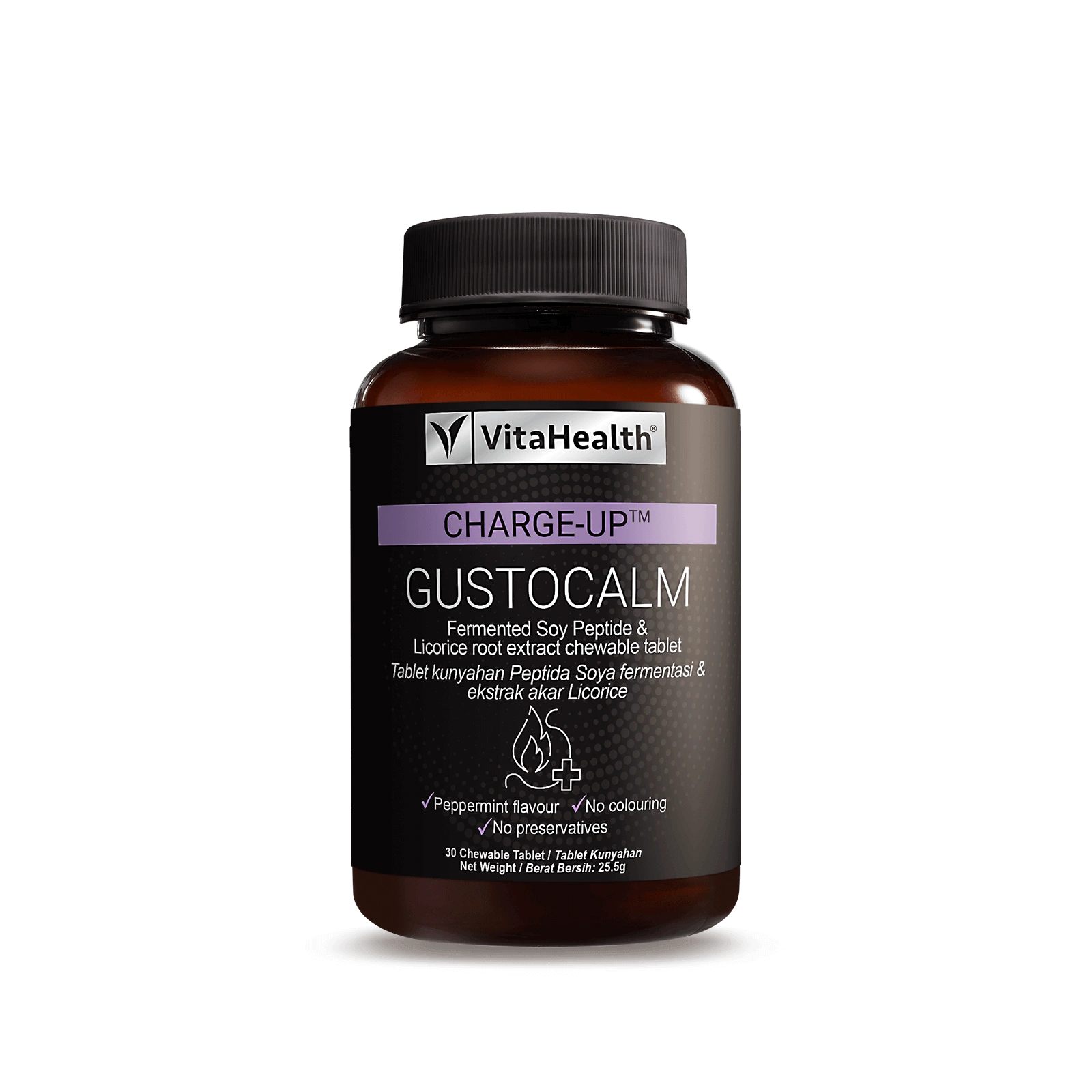
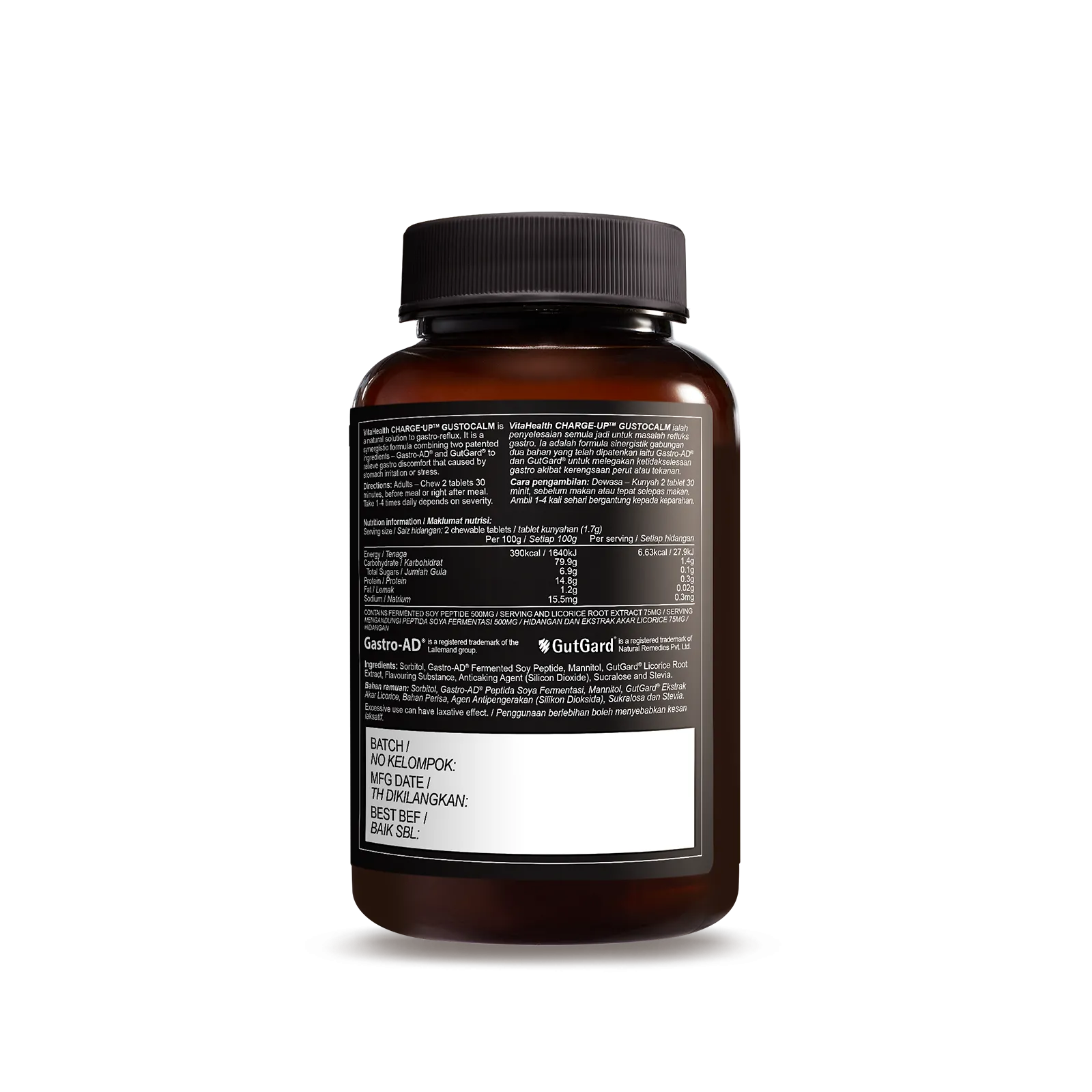
Gastroesophageal reflux disease (GERD) occurs when stomach acid frequently flows back into the esophagus and mouth. This acid reflux can irritate the lining of the esophagus and cause a burning sensation in the chest also known as heartburn. If GERD is left untreated, it might cause bleeding, ulcers, chronic scarring, or worst cancer.
Several studies show that anxiety and depression increase the risk of GERD. Meanwhile, GERD’s negative effect on the quality of life increases anxiety and depression. This will ultimately end up in a vicious cycle of stress and GERD.