Ingredients A-Z

Vitamin C

Overview

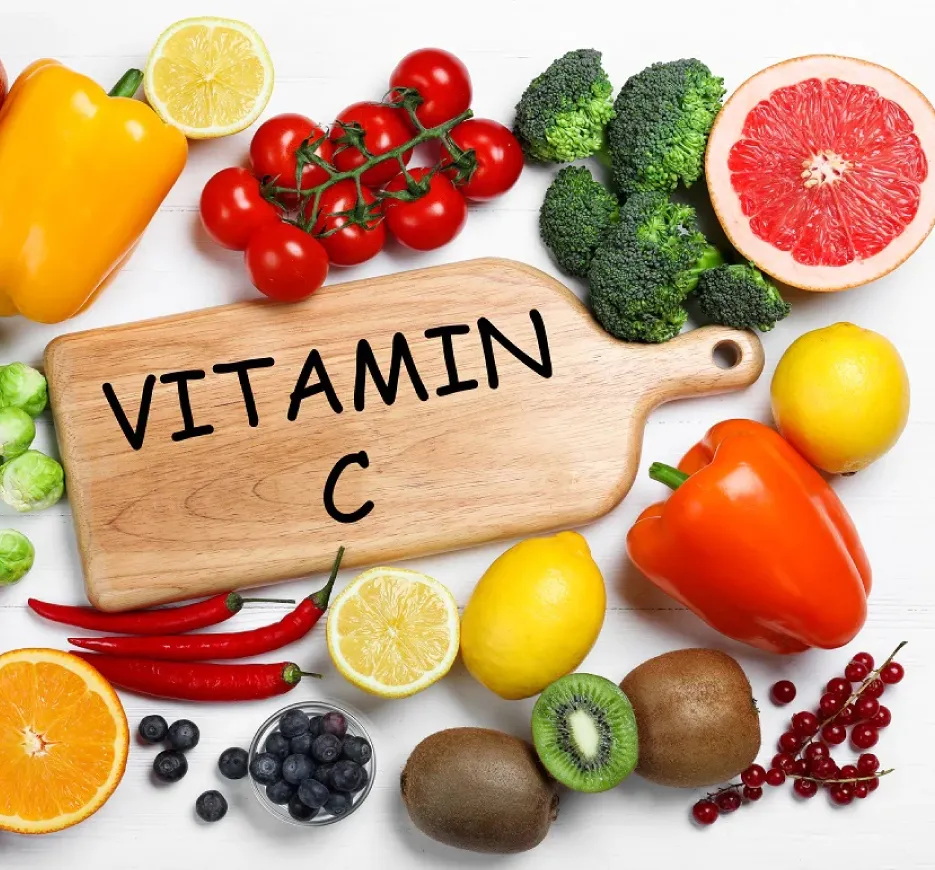
Vitamin C, also known as ascorbic acid, is a water-soluble vitamin that is essential to maintain human body health. It is essential because human body is unable to synthesise vitamin C due to the lack of enzyme, L-gluconolactone oxidase. Fortunately, vitamin C can be obtained from fruits and vegetables such as citrus fruit, pepper, broccoli, tomatoes, and many more.


Vitamin C plays an important role in improving the immune system, biosynthesis of collagen, and preventing chronic disease caused by oxidative damage. Severe vitamin C deficiency can cause scurvy with symptoms such as fatigue, muscular weakness, swollen gums, and poor wound healing.

Key indications

Boosts immune system

Vitamin C is important in enhancing the differentiation and proliferation of B- and T-cells which result in improving the generation of antibodies³. Vitamin C also acts as a stimulant of leukocyte functions, especially of neutrophil and monocyte movement. Research indicates that supplementation of vitamin C enhances natural killing cell activity up to ten-fold in 78% of patients who were exposed to toxic chemicals before⁷.

Acts as strong antioxidant

Vitamin C provides direct antioxidant protection by scavenging numerous reactive oxygen species and reducing free radical generation in plasma. This helps to prevent chronic diseases that are caused by oxidative damage such as cardiovascular diseases, atherosclerosis, and aging. Vitamin C also provides indirect antioxidant protection by regenerating vitamin E and maintaining glutathione in reduced form² Research indicates that daily intake ≥700mg of vitamin C can reduce the risk of coronary heart disease incidence by 25%⁸.

Enhances iron absorption

Vitamin C enhances the absorption of non-heme iron in gastric fluid and helps to prevent iron deficiency anemia. Research show iron absorption increase double after adding ascorbic acid into cow milk containing sulphate ferrous with molar ratio (ascorbic acid-iron), 2:1¹.

Improves skin health condition

Vitamin C stimulates collagen mRNA production by fibroblasts and acts as a cofactor for the proline and lysine hydroxylases enzymes to enhance stabilisation of the tertiary structure of collagen. Vitamin C also helps to inhibit melanogenesis by reducing the ortho-quinones generation as well as assisting in antioxidant protection of the skin against UV-induced photodamage⁵.

Improves brain and nerve function

Ascorbate act as a cofactor for the biosynthesis of noradrenaline and serotonin. It is also important as a modulator in glutaminergic, cholinergic, and GABAergic transmission as well as provides a neuroprotective function in neural maturation².

Adverse effects

In general, vitamin C is well tolerated and rare to cause serious side effects as an excessive amount of vitamin C will be excreted from the body through urine. The most common adverse effect are abdominal cramps, esophagitis, heartburn, headache, diarrhea, nausea and vomiting.

Dosage range

Dietary Reference Allowance (DRA) for Vitamin C6


Age Male Female Pregnancy Lactation
0-6 months 40mg 40mg
7-12 months 50mg 50mg
1-3 years 15mg 15mg
4-8 years 25mg 25mg
9-13 years 45mg 45mg
14-18 years 75mg 65mg 80mg 115 mg
19+ years 90mg 75mg 85mg 120mg

 
*Daily vitamin C intake of smokers needs 35mg more than nonsmokers.

Contraindications/cautions

  • Vitamin C is generally safe. However, when taken in high dose, it may have minor interaction with drugs stated as below:

– Aluminium: containing antacids:
Increases the aluminium absorption.

– Warfarin:
Reduces the activity of anticoagulants.

– Estrogen:
Increases the serum concentration of oestrogen derivatives.

– Antihypertensive drugs:
Potential side effects may occur when consumed together with grape seed extract.

Adverse effects

In general, vitamin C is well tolerated and rare to cause serious side effects as an excessive amount of vitamin C will be excreted from the body through urine. The most common adverse effect are abdominal cramps, esophagitis, heartburn, headache, diarrhea, nausea and vomiting.

Dosage range

Dietary Reference Allowance (DRA) for Vitamin C6


Age Male Female Pregnancy Lactation
0-6 months 40mg 40mg
7-12 months 50mg 50mg
1-3 years 15mg 15mg
4-8 years 25mg 25mg
9-13 years 45mg 45mg
14-18 years 75mg 65mg 80mg 115 mg
19+ years 90mg 75mg 85mg 120mg

 
*Daily vitamin C intake of smokers needs 35mg more than nonsmokers.

Contraindications/cautions

  • Vitamin C is generally safe. However, when taken in high dose, it may have minor interaction with drugs stated as below:

– Aluminium: containing antacids:
Increases the aluminium absorption.

– Warfarin:
Reduces the activity of anticoagulants.

– Estrogen:
Increases the serum concentration of oestrogen derivatives.

– Antihypertensive drugs:
Potential side effects may occur when consumed together with grape seed extract.

References :

  1. Basrowi, R. W. & Dilantika, C. (2021). Optimizing iron adequacy and absorption to prevent iron deficiency anemia: The role of combination of fortified iron and vitamin C. World Nutrition Journal 5(1-1):33-39. https://doi.org/10.25220/WNJ.V05.S1.0005
  2. Braun, L. & Cohen, M. (2015). Herbs & Natural Supplements an evidence-based guide (4th ed.). Elsevier.
  3. Carr, C. A. & Maggini, S. (2017). Vitamin C and Immune Function. Nutrients, 9(11): 1211. https://doi.org/10.3390/nu9111211
  4. Macan, A. M., Kraljevic, T. G., Raic-Malic, S. (2019). Therapeutic Perspective of Vitamin C and Its Derivatives. Antioxidants, 8(8), 24. https://doi.org/10.3390/antiox8080247
  5. Pullar, J. M., Carrm C. A. & Vissers, M. C. M. (2017). The Roles of Vitamin C in Skin Health. Nutrients, 9(8): 866. https://doi.org/10.3390/nu9080866
  6. Institute of Medicine. (2000). Dietary Reference Intakes for Vitamin C, Vitamin E, Selenium, and Carotenoids. National Academy Press. DC, Washington.
  7. Heuser, G. & Vojdani A. (1997). Enhancement of natural killer cell activity and T and B cell function by buffered vitamin C in patients exposed to toxic chemicals; the role of protein kinase-C. Immunopharmacol Immunotoxicol, 19: 291–312.
  8. Knekt P., Ritz J., Pereira M.A., O’Reilly E.J., Augustsson K., Fraser G.E., et al. (2004). Antioxidant vitamins and coronary heart disease risk: a pooled analysis of 9 cohorts. Am J Clin Nutr, 80:1508 –1520.

References :

  1. Basrowi, R. W. & Dilantika, C. (2021). Optimizing iron adequacy and absorption to prevent iron deficiency anemia: The role of combination of fortified iron and vitamin C. World Nutrition Journal 5(1-1):33-39. https://doi.org/10.25220/WNJ.V05.S1.0005
  2. Braun, L. & Cohen, M. (2015). Herbs & Natural Supplements an evidence-based guide (4th ed.). Elsevier.
  3. Carr, C. A. & Maggini, S. (2017). Vitamin C and Immune Function. Nutrients, 9(11): 1211. https://doi.org/10.3390/nu9111211
  4. Macan, A. M., Kraljevic, T. G., Raic-Malic, S. (2019). Therapeutic Perspective of Vitamin C and Its Derivatives. Antioxidants, 8(8), 24. https://doi.org/10.3390/antiox8080247
  5. Pullar, J. M., Carrm C. A. & Vissers, M. C. M. (2017). The Roles of Vitamin C in Skin Health. Nutrients, 9(8): 866. https://doi.org/10.3390/nu9080866
  6. Institute of Medicine. (2000). Dietary Reference Intakes for Vitamin C, Vitamin E, Selenium, and Carotenoids. National Academy Press. DC, Washington.
  7. Heuser, G. & Vojdani A. (1997). Enhancement of natural killer cell activity and T and B cell function by buffered vitamin C in patients exposed to toxic chemicals; the role of protein kinase-C. Immunopharmacol Immunotoxicol, 19: 291–312.
  8. Knekt P., Ritz J., Pereira M.A., O’Reilly E.J., Augustsson K., Fraser G.E., et al. (2004). Antioxidant vitamins and coronary heart disease risk: a pooled analysis of 9 cohorts. Am J Clin Nutr, 80:1508 –1520.

The material is prepared for informational purposes only and should not be construed as a piece of personal medical advice. Owing to each person’s varying health needs, a physician should be consulted before acting on any information provided in this material. Although every effort is made to ensure that this material is accurate, it is compiled for internal use only and should not be considered definitive. Neither VitaHealth nor its employees, or information providers shall be responsible or liable for any errors, inaccuracies, or other defects in the information contained in this publication.

You might also be interested in

Vitamin D

Vitamin D is an oil-soluble vitamin essential to maintain bone health and immune system. It is also known as sunshine vitamin that can be produced

READ MORE

L-Theanine

L-theanine is a unique water-soluble non-protein amino acid with structure resembles that of L-glutamate acid. It is predominantly present naturally in tea, Camellia sinensis or

READ MORE

Vitamin C

Vitamin C, also known as ascorbic acid, is a water-soluble vitamin that is essential to maintain human body health. It is essential because human body

READ MORE
My Cart
Close Wishlist
Close Recently Viewed
Categories