Ingredients A-Z

Turmeric

Overview

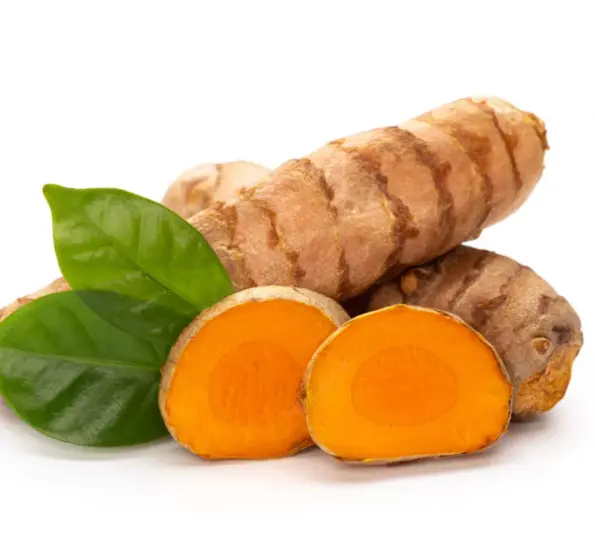
Turmeric or Curcuma longa is the “golden spice” that has long been used in both Ayurvedic and traditional Chinese medicine dating back nearly 4000 years¹. In Southeast Asia and Middle Eastern, turmeric is widely used as a culinary spice and a component in religious ceremonies. It is the spice that gives curry its yellow colour and flavour.


Turmeric contains mainly curcumin (and curcuminoid analogs like demethoxycurcumin, bis-demethoxycurcumin) and turmeric essential oils. Curcumin, the principal curcuminoids which makes up about 2% to 5% of turmeric root is responsible for the yellow colour of this spice and most of the turmeric’s therapeutic effects. Despite turmeric is commonly incorporated in Asian cuisine, curcumin content in fresh turmeric is low and has poor bioavailability due to its poor absorption, rapid metabolism and systemic elimination in the body.

Key indications

Pain in osteoarthritis (OA) and rheumatoid arthritis (RA)

In a 12-week, single-centre, randomised, placebo-controlled clinical trial in patients with knee OA and effusion-synovitis, taking 1000mg of turmeric extract daily significantly improved the pain condition as observed through two pain indicators, visual analogue scale (VAS) pain and Western Ontario and McMaster Universities Osteoarthritis Index (WOMAC) knee pain⁶. Supplementation of curcumin at dosage 500mg, twice daily for 8 weeks significantly improved condition of patients with mild or moderate RA compared to those with diclofenac sodium 50mg alone and drug-curcumin treatment. This result was observed from the reduction in Disease Activity Score (DAS) and tenderness and swelling of joint scores based on American College of Rheumatology (ACR) criteria⁷.

Anti-inflammatory and cancer prevention

Research suggested curcumin acts as a potent anticarcinogenic compound targeted various molecules through suppression of tumour growth, anti-inflammatory and anticarcinogenic actions as well as reduction of tumour adhesion to endothelial cells². In addition, curcumin also exerts its anticancer effects by reducing angiogenesis (growth of new blood vessels in tumour), supressing metastasis and causing cancerous cell death in leukaemia, breast, colon, hepatocellular and ovarian cancer⁴,⁵. Gastrointestinal cancer like colorectal cancer may be prevented from occurring in the first place²¹. Study shown the number of lesions in colon (which is potential to turn into cancerous cells) was reduced by 40% with consumption of 4g of curcumin daily for 30 days²².

Type-II diabetes

Several of indicators including body mass index, fasting blood glucose, glycosylated haemoglobin, insulin resistance index and free fatty acids had significantly reduced with daily administration of 300mg of curcumin on overweight/ obese type-II diabetic patients⁸. This is supported by another randomised double-blind placebo-control add-on clinical trial with improvement in the same indicators and lipid profile after taking curcumin for 3 months⁹. Curcumin was used as preventive purposes in a 9-month study involved in pre-diabetic population with none of the participants in the curcumin-treated group (1500mg of curcuminoids daily) developed diabetes¹⁰. Studies suggested curcumin significantly suppressed rise of blood glucose levels by activating insulin sensitisation receptor and adipocyte differentiation11,12. It also can increase plasma insulin level and promote lipids metabolism¹⁹.

Chemoprotection

Curcumin has been shown to significantly enhance the effect of chemotherapies on carcinoma colon and colorectal cells, in contrast to 5-Fluorouracil drug alone³. Curcumin also plays a role as chemo resensitiser and provides protection against chemotherapy-induced oxidative damages²⁰. Curcumin can inhibit drug-metabolising enzymes and drug transporters which leads to increasing level of chemotherapeutic drugs in blood and thus enhance the therapeutic efficacy.

Cognitive health

Curcumin can reduce inflammation and offer neuroprotection by inhibiting inflammatory factors to reduce reactive oxygen species (ROS) activation¹⁴. It promotes the level of brain-derived neurotrophic factor (BDNF), a gene involved in production of protein responsible for growth of neurons and fight various degenerative processes in brain. In a meta-analysis of randomised controlled trials, those with daily curcumin supplementation for at least 8 weeks were found to significantly enhance the working memory compared to placebo group¹⁵.

Adverse effects16-18

Turmeric is generally well tolerated. Some people may experience mild adverse effects include dry mouth, flatulence, gastrointestinal irritation includes but not limited to constipation, dyspepsia, diarrhoea, nausea and vomiting. These effects are more common at higher doses.

Dosage range

Typical doses of turmeric extract used is 1.5g daily for up to 3 months (with standardisation of curcuminoid content ranging from 75% to almost 100%).

Contraindications/cautions¹⁷⁻¹⁸

  • Not recommended in cases of liver and gallbladder problems such as bile duct obstruction, cholangitis, liver disease, gallstones, and other biliary diseases, stomach ulcers, or excess stomach acid.
  • Suspend use of supplement 2 weeks prior to surgery as it might promote excessive bleeding.
  • Interaction may occur with these drugs and supplements:

– Anticoagulants and antiplatelet agents, herbs and supplements
Turmeric might slow blood clotting and increases drug effect and risk of bruising and bleeding

– Antidiabetic drugs, herbs and supplements
Turmeric might lower blood sugar levels

– Talinolol (beta-blocker for cardiac arrhythmia and acute myocardial infarction)
Turmeric might reduce absorption of talinolol in the body.

– Sulfasalazine (drugs for ulcerative colitis and RA)
Turmeric might increase absorption of drug in the body

– Warfarin (coumadin)
Turmeric might increase the effects of drug and increase the risk of bleeding and bruising

– Amlodipine (Norvasc-drugs for hypertension)
Turmeric might increase absorption of drug in the body

– Alkylating agents, topoisomerase I inhibitors, antitumor antibiotics, tamoxifen (drugs for cancer)
Curcumin has ability to increase drugs absorption and reduce their clearance in the body, physicians and patients should adjust or reduce the used dosage of cancer drugs

Adverse effects16-18

Turmeric is generally well tolerated. Some people may experience mild adverse effects include dry mouth, flatulence, gastrointestinal irritation includes but not limited to constipation, dyspepsia, diarrhoea, nausea and vomiting. These effects are more common at higher doses.

Dosage range

Typical doses of turmeric extract used is 1.5g daily for up to 3 months (with standardisation of curcuminoid content ranging from 75% to almost 100%).

Contraindications/cautions¹⁷⁻¹⁸

  • Not recommended in cases of liver and gallbladder problems such as bile duct obstruction, cholangitis, liver disease, gallstones, and other biliary diseases, stomach ulcers, or excess stomach acid.
  • Suspend use of supplement 2 weeks prior to surgery as it might promote excessive bleeding.
  • Interaction may occur with these drugs and supplements:

– Anticoagulants and antiplatelet agents, herbs and supplements
Turmeric might slow blood clotting and increases drug effect and risk of bruising and bleeding

– Antidiabetic drugs, herbs and supplements
Turmeric might lower blood sugar levels

– Talinolol (beta-blocker for cardiac arrhythmia and acute myocardial infarction)
Turmeric might reduce absorption of talinolol in the body.

– Sulfasalazine (drugs for ulcerative colitis and RA)
Turmeric might increase absorption of drug in the body

– Warfarin (coumadin)
Turmeric might increase the effects of drug and increase the risk of bleeding and bruising

– Amlodipine (Norvasc-drugs for hypertension)
Turmeric might increase absorption of drug in the body

– Alkylating agents, topoisomerase I inhibitors, antitumor antibiotics, tamoxifen (drugs for cancer)
Curcumin has ability to increase drugs absorption and reduce their clearance in the body, physicians and patients should adjust or reduce the used dosage of cancer drugs

References :

  1. Goel, A., Kunnumakkara, A. B., & Aggarwal, B. B. (2008). Curcumin as “Curecumin”: From kitchen to clinic. Biochemical Pharmacology, 75, 787–809.
  2. Mehta, H. J., Patel, V., & Sadikot, R. T. (2014). Curcumin and lung cancer—a review. Targeted Oncology, 9(4), 295–310. https://doi.org/10.1007/s11523-014-0321-1
  3. Shakibaei, M., Buhrmann, C., Kraehe, P., Shayan, P., Lueders, C., & Goel, A. (2014). Curcumin chemosensitizes 5-fluorouracil resistant MMR-deficient human colon cancer cells. PLoS One, 9(1), e85397.
  4. Astinfeshan, M., Rasmi, Y., Kheradmand, F., Karimpour, M., Rahbarghazi, R., Aramwit, P., et al. (2019). Curcumin inhibits angiogenesis via PI3K/Akt signaling pathway. Food Bioscience, 29, 86–93. https://doi.org/10.1016/j.fbio.2019.04.005
  5. Sharifi-Rad, J., Rayess, Y. E., Rizk, A. A., et al. (2020). Turmeric and its major compound curcumin on health: Bioactive effects and safety profiles. Frontiers in Pharmacology, 11, 1021. https://doi.org/10.3389/fphar.2020.01021
  6. Wang, Z., Jones, G., Winzenberg, T., Cai, G., Laslett, L. L., Aitken, D., et al. (2020). Effectiveness of Curcuma longa extract for knee osteoarthritis. Annals of Internal Medicine, 173(11), 861–869. https://doi.org/10.7326/M20-0990
  7. Chandran, B., & Goel, A. (2012). Efficacy and safety of curcumin in rheumatoid arthritis. Phytotherapy Research, 26, 1719–1725.
  8. Na, L.-X., Li, Y., Pan, H.-Z., Zhou, X.-L., Sun, D.-J., Meng, M., et al. (2003). Curcuminoids exert glucose-lowering effects in type 2 diabetes. Molecular Nutrition & Food Research, 57, 1569–1577. https://doi.org/10.1002/mnfr.201200131
  9. Rahimi, H. R., Mohammadpour, A. H., Dastani, M., Jaafari, M. R., Abnous, K., Ghayour Mobarhan, M., & Kazemi Oskuee, R. (2016). Nano-curcumin effects on HbA1c and lipid profile. Avicenna Journal of Phytomedicine, 6, 567–577.
  10. Chuengsamarn, S., Rattanamongkolgul, S., Luechapudiporn, R., Phisalaphong, C., & Jirawatnotai, S. (2012). Curcumin extract for prevention of type 2 diabetes. Diabetes Care, 35, 2121–2127. https://doi.org/10.2337/dc12-0116
  11. Nishiyama, T., Mae, T., Kishida, H., et al. (2005). Curcuminoids suppress blood glucose increase in diabetic mice. Journal of Agricultural and Food Chemistry, 53(4), 959–963.
  12. Kuroda, M., Mimaki, Y., Nishiyama, T., et al. (2005). Hypoglycemic effects of turmeric in diabetic mice. Biological and Pharmaceutical Bulletin, 28(5), 937–939.
  13. Tune, J. D., Goodwill, A. G., Sassoon, D. J., & Mather, K. J. (2017). Cardiovascular consequences of metabolic syndrome. Translational Research, 183, 57–70. https://doi.org/10.1016/j.trsl.2017.01.001
  14. Gagliardi, S., Morasso, C., Stivaktakis, P., Pandini, C., Tinelli, V., Tsatsakis, A., et al. (2020). Curcumin formulations and neurological diseases. Molecules, 25, 5389.
  15. Tsai, I. C., Hsu, C. W., Chang, C. H., Tseng, P. T., & Chang, K. V. (2021). Effects of curcumin on cognitive domains: A meta-analysis. Pharmaceuticals, 14(12), 1235. https://doi.org/10.3390/ph14121235
  16. European Medicines Agency. (2018). European Union herbal monograph on Curcuma longa L., rhizome.
  17. Therapeutic Research Centre. (2022). Curcuma longa. Retrieved from https://naturalmedicines.therapeuticresearch.com/
  18. WebMD LLC. (2022). Turmeric—Uses, side effects, and more. Retrieved from
    https://www.webmd.com/vitamins/ai/ingredientmono-662/turmeric
  19. Seo, K.-I., Choi, M.-S., Jung, U. J., et al. (2008). Effect of curcumin supplementation on glucose metabolism in diabetic mice. Molecular Nutrition & Food Research, 52(9), 995–1004.
  20. Goel, A., & Aggarwal, B. B. (2010). Chemosensitizer and radioprotector roles of curcumin. Nutrition and Cancer, 62(7), 919–930.
  21. Giordano, A., & Tommonaro, G. (2019). Curcumin and cancer. Nutrients, 11(10), 2376. https://doi.org/10.3390/nu11102376
  22. Carroll, R. E., Benya, R. V., Turgeon, D. K., Vareed, S., Neuman, M., Rodriguez, L., et al. (2011). Phase IIa clinical trial of curcumin for colorectal neoplasia prevention. Cancer Prevention Research, 4(3), 354–364. https://doi.org/10.1158/1940-6207.CAPR-10-0098

References :

  1. Goel, A., Kunnumakkara, A. B., & Aggarwal, B. B. (2008). Curcumin as “Curecumin”: From kitchen to clinic. Biochemical Pharmacology, 75, 787–809.
  2. Mehta, H. J., Patel, V., & Sadikot, R. T. (2014). Curcumin and lung cancer—a review. Targeted Oncology, 9(4), 295–310. https://doi.org/10.1007/s11523-014-0321-1
  3. Shakibaei, M., Buhrmann, C., Kraehe, P., Shayan, P., Lueders, C., & Goel, A. (2014). Curcumin chemosensitizes 5-fluorouracil resistant MMR-deficient human colon cancer cells. PLoS One, 9(1), e85397.
  4. Astinfeshan, M., Rasmi, Y., Kheradmand, F., Karimpour, M., Rahbarghazi, R., Aramwit, P., et al. (2019). Curcumin inhibits angiogenesis via PI3K/Akt signaling pathway. Food Bioscience, 29, 86–93. https://doi.org/10.1016/j.fbio.2019.04.005
  5. Sharifi-Rad, J., Rayess, Y. E., Rizk, A. A., et al. (2020). Turmeric and its major compound curcumin on health: Bioactive effects and safety profiles. Frontiers in Pharmacology, 11, 1021. https://doi.org/10.3389/fphar.2020.01021
  6. Wang, Z., Jones, G., Winzenberg, T., Cai, G., Laslett, L. L., Aitken, D., et al. (2020). Effectiveness of Curcuma longa extract for knee osteoarthritis. Annals of Internal Medicine, 173(11), 861–869. https://doi.org/10.7326/M20-0990
  7. Chandran, B., & Goel, A. (2012). Efficacy and safety of curcumin in rheumatoid arthritis. Phytotherapy Research, 26, 1719–1725.
  8. Na, L.-X., Li, Y., Pan, H.-Z., Zhou, X.-L., Sun, D.-J., Meng, M., et al. (2003). Curcuminoids exert glucose-lowering effects in type 2 diabetes. Molecular Nutrition & Food Research, 57, 1569–1577. https://doi.org/10.1002/mnfr.201200131
  9. Rahimi, H. R., Mohammadpour, A. H., Dastani, M., Jaafari, M. R., Abnous, K., Ghayour Mobarhan, M., & Kazemi Oskuee, R. (2016). Nano-curcumin effects on HbA1c and lipid profile. Avicenna Journal of Phytomedicine, 6, 567–577.
  10. Chuengsamarn, S., Rattanamongkolgul, S., Luechapudiporn, R., Phisalaphong, C., & Jirawatnotai, S. (2012). Curcumin extract for prevention of type 2 diabetes. Diabetes Care, 35, 2121–2127. https://doi.org/10.2337/dc12-0116
  11. Nishiyama, T., Mae, T., Kishida, H., et al. (2005). Curcuminoids suppress blood glucose increase in diabetic mice. Journal of Agricultural and Food Chemistry, 53(4), 959–963.
  12. Kuroda, M., Mimaki, Y., Nishiyama, T., et al. (2005). Hypoglycemic effects of turmeric in diabetic mice. Biological and Pharmaceutical Bulletin, 28(5), 937–939.
  13. Tune, J. D., Goodwill, A. G., Sassoon, D. J., & Mather, K. J. (2017). Cardiovascular consequences of metabolic syndrome. Translational Research, 183, 57–70. https://doi.org/10.1016/j.trsl.2017.01.001
  14. Gagliardi, S., Morasso, C., Stivaktakis, P., Pandini, C., Tinelli, V., Tsatsakis, A., et al. (2020). Curcumin formulations and neurological diseases. Molecules, 25, 5389.
  15. Tsai, I. C., Hsu, C. W., Chang, C. H., Tseng, P. T., & Chang, K. V. (2021). Effects of curcumin on cognitive domains: A meta-analysis. Pharmaceuticals, 14(12), 1235. https://doi.org/10.3390/ph14121235
  16. European Medicines Agency. (2018). European Union herbal monograph on Curcuma longa L., rhizome.
  17. Therapeutic Research Centre. (2022). Curcuma longa. Retrieved from https://naturalmedicines.therapeuticresearch.com/
  18. WebMD LLC. (2022). Turmeric—Uses, side effects, and more. Retrieved from
    https://www.webmd.com/vitamins/ai/ingredientmono-662/turmeric
  19. Seo, K.-I., Choi, M.-S., Jung, U. J., et al. (2008). Effect of curcumin supplementation on glucose metabolism in diabetic mice. Molecular Nutrition & Food Research, 52(9), 995–1004.
  20. Goel, A., & Aggarwal, B. B. (2010). Chemosensitizer and radioprotector roles of curcumin. Nutrition and Cancer, 62(7), 919–930.
  21. Giordano, A., & Tommonaro, G. (2019). Curcumin and cancer. Nutrients, 11(10), 2376. https://doi.org/10.3390/nu11102376
  22. Carroll, R. E., Benya, R. V., Turgeon, D. K., Vareed, S., Neuman, M., Rodriguez, L., et al. (2011). Phase IIa clinical trial of curcumin for colorectal neoplasia prevention. Cancer Prevention Research, 4(3), 354–364. https://doi.org/10.1158/1940-6207.CAPR-10-0098

The material is prepared for informational purposes only and should not be construed as a piece of personal medical advice. Owing to each person’s varying health needs, a physician should be consulted before acting on any information provided in this material. Although every effort is made to ensure that this material is accurate, it is compiled for internal use only and should not be considered definitive. Neither VitaHealth nor its employees, or information providers shall be responsible or liable for any errors, inaccuracies, or other defects in the information contained in this publication.

You might also be interested in

Vitamin D

Vitamin D is an oil-soluble vitamin essential to maintain bone health and immune system. It is also known as sunshine vitamin that can be produced

READ MORE

L-Theanine

L-theanine is a unique water-soluble non-protein amino acid with structure resembles that of L-glutamate acid. It is predominantly present naturally in tea, Camellia sinensis or

READ MORE

Vitamin C

Vitamin C, also known as ascorbic acid, is a water-soluble vitamin that is essential to maintain human body health. It is essential because human body

READ MORE
My Cart
Close Wishlist
Close Recently Viewed
Categories