Ingredients A-Z

Passion Flower

Overview

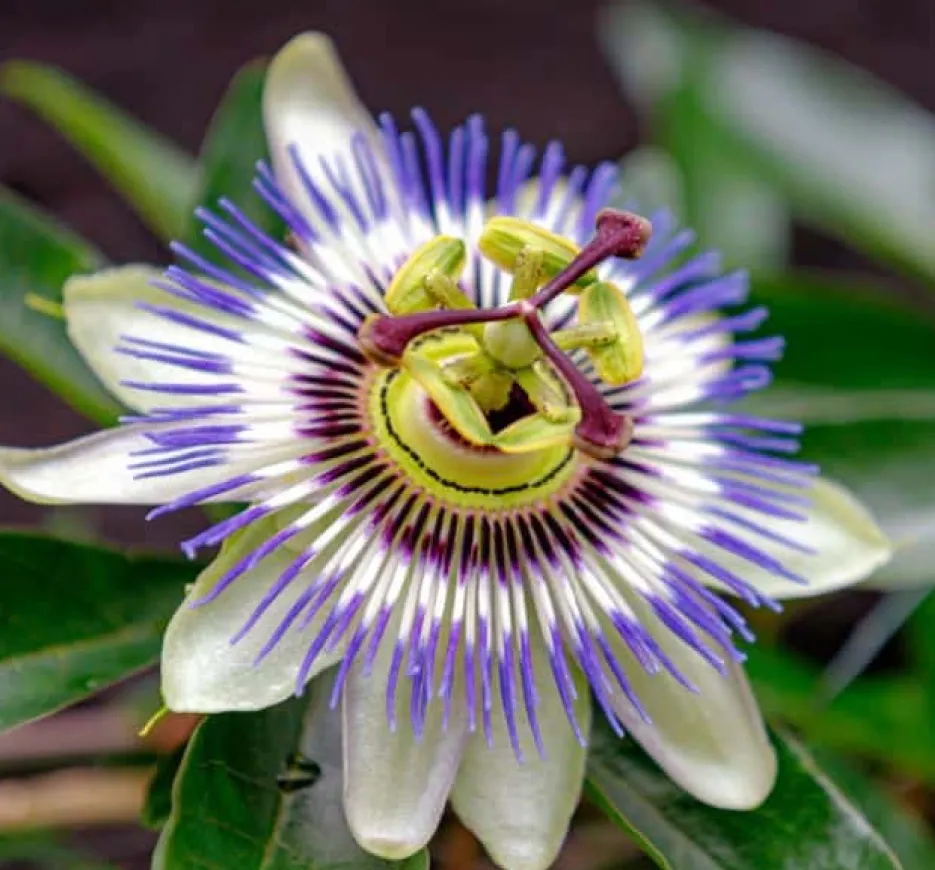
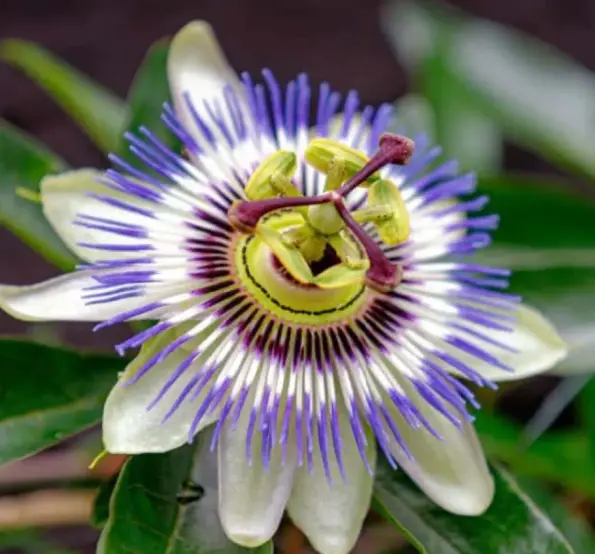
Passion flower, or known as Passiflora incarnata, is a climbing vine with white and purple flowers that is native to the south-eastern United States, and Central and South America. Interestingly, passion flower was used as sedative by native peoples of the Americas. Outside of Americas, Spanish explorers in South America learned of passion flower in 16th century and brought to Europe where it was introduced as folk medicine.

Key indications

Anxiety

Historically, passion flower was used as a sedative and may improve symptoms of anxiety in some patients. Study shows that taking 400mg of passion flower extract twice daily for 2-8 weeks can help to reduce non-specific anxiety¹. By comparing passion flower with conventional treatments, study shows that taking passion flower extract 90-180mg daily can alleviate symptoms of non-specific anxiety as compared to that of mexazolam².

Insomnia

It was suggested that passion flower may help to improve sleep quality in patients with insomnia and poor sleep quality via modulation of the GABA pathway³. Study shows that total sleep time was increased by 23 minutes after taking passion flower extract 60mg before bedtime daily for 2 weeks⁴. A combination containing passion flower 80mg, valerian 300mg, and hops 30mg was studied and it shows that taking this combination orally at bedtime for 2 weeks promotes sleeping effect similar to zolpidem 10mg in adults with primary insomnia⁵.

Stress

Study shows that a combination of passion flower 90mg, lemon balm 50mg, butterbur 90mg and valerian 90mg being taken three times daily for 3 days can help to reduce subjective anxiety scores during social stress testing⁶.

Anxiety

Historically, passion flower was used as a sedative and may improve symptoms of anxiety in some patients. Study shows that taking 400mg of passion flower extract twice daily for 2-8 weeks can help to reduce non-specific anxiety¹. By comparing passion flower with conventional treatments, study shows that taking passion flower extract 90-180mg daily can alleviate symptoms of non-specific anxiety as compared to that of mexazolam².

Insomnia

It was suggested that passion flower may help to improve sleep quality in patients with insomnia and poor sleep quality via modulation of the GABA pathway³. Study shows that total sleep time was increased by 23 minutes after taking passion flower extract 60mg before bedtime daily for 2 weeks⁴. A combination containing passion flower 80mg, valerian 300mg, and hops 30mg was studied and it shows that taking this combination orally at bedtime for 2 weeks promotes sleeping effect similar to zolpidem 10mg in adults with primary insomnia⁵.

Stress

Study shows that a combination of passion flower 90mg, lemon balm 50mg, butterbur 90mg and valerian 90mg being taken three times daily for 3 days can help to reduce subjective anxiety scores during social stress testing⁶.

Adverse effects

Passion flower is generally well tolerated. When taken orally, some of the most common adverse effects are confusion, dizziness, hypersensitivity, and sedation⁷.

Dosage range

Although the usual dose of passion flower extracts ranges from 60mg – 800mg daily, research is limited and typical dosing is unavailable.

  • Anxiety
    90mg – 800mg daily for 2-8 weeks1,2


  • Insomnia
    Taken alone or in combination, 60mg – 80mg daily for 2 weeks4,5


  • Stress
    Taken in combination with other ingredients, passion flower 90mg, lemon balm 50mg, butterbur 90mg and valerian 90mg three times daily for 3 days6

Contraindications/cautions

CNS depressants − Since passion flower might cause drowsiness or sedation, it should be used carefully with CNS depressants such as barbiturates and benzodiazepines due to concomitant use of both passion flower and CNS depressants will cause additive sedating effects.


This drug interaction is shown in study which states that when passion flower is used with lorazepam, both will exert sedative effects and lead to additive effects⁸,⁹.

Adverse effects

Passion flower is generally well tolerated. When taken orally, some of the most common adverse effects are confusion, dizziness, hypersensitivity, and sedation⁷.

Dosage range

Although the usual dose of passion flower extracts ranges from 60mg – 800mg daily, research is limited and typical dosing is unavailable.

  • Anxiety
    90mg – 800mg daily for 2-8 weeks1,2


  • Insomnia
    Taken alone or in combination, 60mg – 80mg daily for 2 weeks4,5


  • Stress
    Taken in combination with other ingredients, passion flower 90mg, lemon balm 50mg, butterbur 90mg and valerian 90mg three times daily for 3 days6

Contraindications/cautions

CNS depressants − Since passion flower might cause drowsiness or sedation, it should be used carefully with CNS depressants such as barbiturates and benzodiazepines due to concomitant use of both passion flower and CNS depressants will cause additive sedating effects.


This drug interaction is shown in study which states that when passion flower is used with lorazepam, both will exert sedative effects and lead to additive effects⁸,⁹.

References :

  1. Ansseau, M., Seidel, L., Crosset, A., Dierckxsens, Y., & Albert, A. (2012). A dry extract of Passiflora incarnata L. (Sedanxio) as first intention treatment of patients consulting for anxiety problems in general practice. Acta Psychiatrica Belgica, 112(2), 5–11.
  2. Mori, A., Hasegawa, K., Murasaki, M., et al. (1993). Clinical evaluation of Passiflamin (passiflora extract) on neurosis – multicenter double blind study in comparison with mexazolam. Rinsho Hyoka (Clinical Evaluation), 21, 383–440.
  3. Appel, K., Rose, T., Fiebich, B., Kammler, T., Hoffmann, C., & Weiss, G. (2011). Modulation of the γ-aminobutyric acid (GABA) system by Passiflora incarnata L. Phytotherapy Research, 25(6), 838–843. https://doi.org/10.1002/ptr.3352
  4. Lee, J., Jung, H. Y., Lee, S. I., Choi, J. H., & Kim, S. G. (2020). Effects of Passiflora incarnata Linnaeus on polysomnographic sleep parameters in subjects with insomnia disorder: a double-blind randomized placebo-controlled study. International Clinical Psychopharmacology, 35(1), 29–35. https://doi.org/10.1097/YIC.0000000000000291
  5. Maroo, N., Hazra, A., & Das, T. (2013). Efficacy and safety of a polyherbal sedative-hypnotic formulation NSF-3 in primary insomnia in comparison to zolpidem: a randomized controlled trial. Indian Journal of Pharmacology, 45(1), 34–39. https://doi.org/10.4103/0253-7613.106432
  6. Meier, S., Haschke, M., Zahner, C., Kruttschnitt, E., Drewe, J., Liakoni, E., Hammann, F., & Gaab, J. (2018). Effects of a fixed herbal drug combination (Ze 185) to an experimental acute stress setting in healthy men – An explorative randomized placebo-controlled double-blind study. Phytomedicine, 39, 85–92. https://doi.org/10.1016/j.phymed.2017.12.005
  7. Natural Medicines. (2022). Passion Flower. Retrieved March 14, 2022, from https://naturalmedicines.therapeuticresearch.com/databases/food,-herbs-supplements/professional.aspx?productid=871#adverseEvents
  8. Carrasco, M. C., Vallejo, J. R., Pardo-de-Santayana, M., Peral, D., Martín, M. A., & Altimiras, J. (2009). Interactions of Valeriana officinalis L. and Passiflora incarnata L. in a patient treated with lorazepam. Phytotherapy Research, 23(12), 1795–1796. https://doi.org/10.1002/ptr.2847
  9. Akhondzadeh, S., Naghavi, H. R., Vazirian, M., Shayeganpour, A., Rashidi, H., & Khani, M. (2001). Passionflower in the treatment of generalized anxiety: a pilot double-blind randomized controlled trial with oxazepam. Journal of Clinical Pharmacy and Therapeutics, 26(5), 363–367. https://doi.org/10.1046/j.1365-2710.2001.00367.x

References :

  1. Ansseau, M., Seidel, L., Crosset, A., Dierckxsens, Y., & Albert, A. (2012). A dry extract of Passiflora incarnata L. (Sedanxio) as first intention treatment of patients consulting for anxiety problems in general practice. Acta Psychiatrica Belgica, 112(2), 5–11.
  2. Mori, A., Hasegawa, K., Murasaki, M., et al. (1993). Clinical evaluation of Passiflamin (passiflora extract) on neurosis – multicenter double blind study in comparison with mexazolam. Rinsho Hyoka (Clinical Evaluation), 21, 383–440.
  3. Appel, K., Rose, T., Fiebich, B., Kammler, T., Hoffmann, C., & Weiss, G. (2011). Modulation of the γ-aminobutyric acid (GABA) system by Passiflora incarnata L. Phytotherapy Research, 25(6), 838–843. https://doi.org/10.1002/ptr.3352
  4. Lee, J., Jung, H. Y., Lee, S. I., Choi, J. H., & Kim, S. G. (2020). Effects of Passiflora incarnata Linnaeus on polysomnographic sleep parameters in subjects with insomnia disorder: a double-blind randomized placebo-controlled study. International Clinical Psychopharmacology, 35(1), 29–35. https://doi.org/10.1097/YIC.0000000000000291
  5. Maroo, N., Hazra, A., & Das, T. (2013). Efficacy and safety of a polyherbal sedative-hypnotic formulation NSF-3 in primary insomnia in comparison to zolpidem: a randomized controlled trial. Indian Journal of Pharmacology, 45(1), 34–39. https://doi.org/10.4103/0253-7613.106432
  6. Meier, S., Haschke, M., Zahner, C., Kruttschnitt, E., Drewe, J., Liakoni, E., Hammann, F., & Gaab, J. (2018). Effects of a fixed herbal drug combination (Ze 185) to an experimental acute stress setting in healthy men – An explorative randomized placebo-controlled double-blind study. Phytomedicine, 39, 85–92. https://doi.org/10.1016/j.phymed.2017.12.005
  7. Natural Medicines. (2022). Passion Flower. Retrieved March 14, 2022, from https://naturalmedicines.therapeuticresearch.com/databases/food,-herbs-supplements/professional.aspx?productid=871#adverseEvents
  8. Carrasco, M. C., Vallejo, J. R., Pardo-de-Santayana, M., Peral, D., Martín, M. A., & Altimiras, J. (2009). Interactions of Valeriana officinalis L. and Passiflora incarnata L. in a patient treated with lorazepam. Phytotherapy Research, 23(12), 1795–1796. https://doi.org/10.1002/ptr.2847
  9. Akhondzadeh, S., Naghavi, H. R., Vazirian, M., Shayeganpour, A., Rashidi, H., & Khani, M. (2001). Passionflower in the treatment of generalized anxiety: a pilot double-blind randomized controlled trial with oxazepam. Journal of Clinical Pharmacy and Therapeutics, 26(5), 363–367. https://doi.org/10.1046/j.1365-2710.2001.00367.x

The material is prepared for informational purposes only and should not be construed as a piece of personal medical advice. Owing to each person’s varying health needs, a physician should be consulted before acting on any information provided in this material. Although every effort is made to ensure that this material is accurate, it is compiled for internal use only and should not be considered definitive. Neither VitaHealth nor its employees, or information providers shall be responsible or liable for any errors, inaccuracies, or other defects in the information contained in this publication.

You might also be interested in

Passion Flower

Passion flower, or known as Passiflora incarnata, is a climbing vine with white and purple flowers that is native to the south-eastern United States, and
READ MORE

Calcium Fructoborate

Boron, a trace mineral first discovered present in plant cell walls in 1857. Boron does not store in most body tissues; however, high levels of

READ MORE
My Cart
Close Wishlist
Close Recently Viewed
Categories