Ingredients A-Z

Methionine

Overview

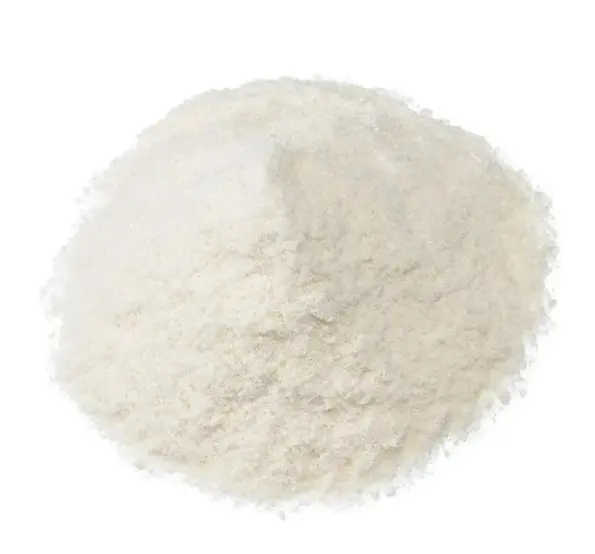
Methionine is an essential sulphur-containing amino acid that plays a fundamental role in various biochemical pathways crucial to human health. It cannot be synthesised by the body and must be obtained through dietary sources or supplementation. In addition to its functions in protein synthesis, methylation, and antioxidant defence, methionine contributes to the production of several other critical molecules that support overall physiological function. Methionine is directly involved in the synthesis of cysteine, another sulphur-containing amino acid which plays a key role in the production of glutathione, known as the “master antioxidant”.

Beyond its role in cysteine synthesis, methionine is converted into S-adenosylmethionine (SAMe), a vital compound involved in methylation reactions that affect DNA, proteins, and lipids. SAMe plays a crucial role in regulating gene expression, DNA repair, and protein function, and is also essential to produce creatine, a molecule important for cellular energy metabolism, particularly in muscle tissue. Overall, methionine is indispensable not only for protein synthesis but also for numerous metabolic processes through its conversion into these critical molecules, highlighting its broad impact on cellular health, detoxification, and energy production.

Key indications

Liver Health

Methionine is commonly indicated in the treatment of liver conditions, including fatty liver disease and liver detoxification. Methionine’s role in the production of S-adenosylmethionine (SAMe) helps support liver function and detoxification processes. SAMe plays an important role in reducing liver damage, promoting tissue repair, and supporting the breakdown of fats in the liver¹. Supplementation may be used to treat conditions such as cirrhosis, hepatitis, or non-alcoholic fatty liver disease (NAFLD). Recent studies have shown that individuals with chronic liver diseases often have elevated levels of methionine and homocysteine, indicating disruptions in methionine metabolism. However, the exact reasons for these abnormalities remain unclear²,³.

Mental Wellness

Methionine is an essential amino acid that serves as a precursor to S-adenosylmethionine (SAMe), a critical methyl donor involved in the synthesis of neurotransmitters such as dopamine and serotonin, which regulate mood and cognitive function. Due to its role in methylation and neurotransmitter production, methionine supplementation has been explored as a potential treatment for mood disorders, including depression and anxiety. Clinical studies have shown that SAMe supplementation, at doses ranging from 200mg to 1,600mg per day, is superior to placebo and as effective as tricyclic antidepressants in alleviating depression, although some individuals may require higher doses¹⁴. Regarding conditions like bipolar disorder and schizophrenia, current treatment strategies primarily involve mood stabilisers, antipsychotic medications, and psychotherapy².

Joint Health and Osteoarthritis

Methionine, through its conversion into SAMe, is also used to alleviate joint pain and inflammation, particularly in individuals with osteoarthritis. SAMe has been shown to have anti-inflammatory properties and is sometimes used to support joint health by improving mobility, reducing pain, and enhancing cartilage repair⁴.

Hair and Skin Health

Methionine’s role in keratin production makes it important for hair and skin health. It is often included in treatments aimed at preventing hair loss or improving hair growth and is thought to support the health of skin cells by promoting collagen formation. Methionine’s antioxidant properties, through its involvement in glutathione production, also help protect the skin from oxidative stress, which can contribute to ageing and damage⁵.

Liver Health

Methionine is commonly indicated in the treatment of liver conditions, including fatty liver disease and liver detoxification. Methionine’s role in the production of S-adenosylmethionine (SAMe) helps support liver function and detoxification processes. SAMe plays an important role in reducing liver damage, promoting tissue repair, and supporting the breakdown of fats in the liver¹. Supplementation may be used to treat conditions such as cirrhosis, hepatitis, or non-alcoholic fatty liver disease (NAFLD). Recent studies have shown that individuals with chronic liver diseases often have elevated levels of methionine and homocysteine, indicating disruptions in methionine metabolism. However, the exact reasons for these abnormalities remain unclear²,³.

Mental Wellness

Methionine is an essential amino acid that serves as a precursor to S-adenosylmethionine (SAMe), a critical methyl donor involved in the synthesis of neurotransmitters such as dopamine and serotonin, which regulate mood and cognitive function. Due to its role in methylation and neurotransmitter production, methionine supplementation has been explored as a potential treatment for mood disorders, including depression and anxiety. Clinical studies have shown that SAMe supplementation, at doses ranging from 200mg to 1,600mg per day, is superior to placebo and as effective as tricyclic antidepressants in alleviating depression, although some individuals may require higher doses¹⁴. Regarding conditions like bipolar disorder and schizophrenia, current treatment strategies primarily involve mood stabilisers, antipsychotic medications, and psychotherapy².

Joint Health and Osteoarthritis

Methionine, through its conversion into SAMe, is also used to alleviate joint pain and inflammation, particularly in individuals with osteoarthritis. SAMe has been shown to have anti-inflammatory properties and is sometimes used to support joint health by improving mobility, reducing pain, and enhancing cartilage repair⁴.

Hair and Skin Health

Methionine’s role in keratin production makes it important for hair and skin health. It is often included in treatments aimed at preventing hair loss or improving hair growth and is thought to support the health of skin cells by promoting collagen formation. Methionine’s antioxidant properties, through its involvement in glutathione production, also help protect the skin from oxidative stress, which can contribute to ageing and damage⁵.

Cystic Fibrosis

For individuals with cystic fibrosis, a genetic disorder affecting the lungs and digestive system, methionine supplementation may help improve overall health by supporting mucous clearance and lung function. Methionine’s role in cysteine and glutathione production is critical for managing oxidative stress and inflammation in the lungs⁶.

Muscle Health and Fatigue

Methionine plays a key role in muscle energy production and recovery by supporting creatine synthesis and protein formation. As a precursor to creatine, it helps improve muscle energy and reduce fatigue, making it beneficial for athletes and those in rehabilitation. Additionally, methionine aids in muscle repair after intense exercise. However, excessive intake may raise homocysteine levels, posing cardiovascular risks. Therefore, supplementation should be approached with caution and under medical guidance⁷,¹⁴.

Adverse effects

Excessive methionine intake can lead to various side effects, including increase drowsiness, irritability, nausea, and vomiting. Large doses may also trigger encephalopathy in patients with hepatic cirrhosis and portal hypertension, as well as cause other neurological symptoms. High methionine levels can raise homocysteine, increasing the risk of cardiovascular diseases like heart attacks and strokes, particularly when there is insufficient vitamin B6, B12, and folate. It may also strain the kidneys, especially in individuals with preexisting kidney conditions, and disrupt amino acid balance, affecting protein synthesis. Long-term high doses could lead to toxicity, manifesting as nausea, dizziness, and cognitive issues. Elevated methionine may exacerbate oxidative stress in the brain, potentially influencing mental health. Those with genetic conditions such as homocystinuria or certain cancers may experience more severe effects. While methionine from food is generally safe for most people, supplementation should be approached cautiously and with professional guidance, especially for individuals with specific health concerns⁷,⁸.

Dosage range

The daily recommended intake of methionine for adults is about 2.4mg per kg of body weight, which amounts to around 163.5mg for someone who weighs 68kg. However, some researchers propose increasing this amount to double the recommended dose, pointing out limitations in the studies that helped set the current guidelines. Older adults tend to consume less methionine, and research suggests they may require higher intakes, typically between 2g to 3g per day⁹,¹⁰,¹¹.

Contraindications/cautions

  • No absolute contraindications are known for pregnant or breastfeeding women due to limited safety and reliable data.
  • Insufficient reliable information to determine whether methionine is safe to use in higher doses for children as a medicinal treatment without the supervision of a healthcare provider.
  • There is a possible interaction between methionine and levodopa, a medication used to treat Parkinson’s disease.

Adverse effects

Excessive methionine intake can lead to various side effects, including increase drowsiness, irritability, nausea, and vomiting. Large doses may also trigger encephalopathy in patients with hepatic cirrhosis and portal hypertension, as well as cause other neurological symptoms. High methionine levels can raise homocysteine, increasing the risk of cardiovascular diseases like heart attacks and strokes, particularly when there is insufficient vitamin B6, B12, and folate. It may also strain the kidneys, especially in individuals with preexisting kidney conditions, and disrupt amino acid balance, affecting protein synthesis. Long-term high doses could lead to toxicity, manifesting as nausea, dizziness, and cognitive issues. Elevated methionine may exacerbate oxidative stress in the brain, potentially influencing mental health. Those with genetic conditions such as homocystinuria or certain cancers may experience more severe effects. While methionine from food is generally safe for most people, supplementation should be approached cautiously and with professional guidance, especially for individuals with specific health concerns⁷,⁸.

Dosage range

The daily recommended intake of methionine for adults is about 2.4mg per kg of body weight, which amounts to around 163.5mg for someone who weighs 68kg. However, some researchers propose increasing this amount to double the recommended dose, pointing out limitations in the studies that helped set the current guidelines. Older adults tend to consume less methionine, and research suggests they may require higher intakes, typically between 2g to 3g per day⁹,¹⁰,¹¹.

Contraindications/cautions

  • No absolute contraindications are known for pregnant or breastfeeding women due to limited safety and reliable data.
  • Insufficient reliable information to determine whether methionine is safe to use in higher doses for children as a medicinal treatment without the supervision of a healthcare provider.
  • There is a possible interaction between methionine and levodopa, a medication used to treat Parkinson’s disease.

References :

  1. Li, Z., Wang, F., Liang, B., Su, Y., Sun, S., Xia, S., Shao, J., Zhang, Z., Hong, M., Zhang, F., & Zheng, S. (2020). Methionine metabolism in chronic liver diseases: An update on molecular mechanism and therapeutic implication. Signal Transduction and Targeted Therapy, 5(1), 280. https://doi.org/10.1038/s41392-020-00349-7
  2. Bosy-Westphal, A., Bechtold, A., Dietrich, T., & Illner, K. (2023). Methionine metabolism in liver diseases. The American Journal of Clinical Nutrition. https://doi.org/10.1093/ajcn/nqad049
  3. Methionine. (n.d.). In WebMD. Retrieved from https://www.webmd.com/vitamins/ai/ingredientmono-42/methionine
  4. Struck, A. W., Thompson, M. L., Wong, L. S., & Micklefield, J. (2012). S-adenosyl-methionine-dependent methyltransferases: Highly versatile enzymes in biocatalysis, biosynthesis, and other biotechnological applications. Chembiochem, 13(18), 2642–2655. https://doi.org/10.1002/cbic.201200556
  5. Stipanuk, M. H., & Ueki, I. (2011). Dealing with methionine/homocysteine sulfur: Cysteine metabolism to taurine and inorganic sulfur. Journal of Inherited Metabolic Disease, 34(1), 17–32. https://doi.org/10.1007/s10545-009-9006-9
  6. McBean, G. J. (2017). Cysteine, glutathione, and thiol redox balance in astrocytes. Antioxidants (Basel), 6(3), 62. https://doi.org/10.3390/antiox6030062
  7. Bains, V. K., & Bains, R. (2015). The antioxidant master glutathione and periodontal health. Dental Research Journal (Isfahan), 12(5), 389–405. https://doi.org/10.4103/1735-3327.166169
  8. Joncquel-Chevalier Curt, M., Voicu, P. M., Fontaine, M., Dessein, A. F., Porchet, N., Mention-Mulliez, K., Dobbelaere, D., Soto-Ares, G., Cheillan, D., & Vamecq, J. (2015). Creatine biosynthesis and transport in health and disease. Biochimie, 119, 146–165. https://doi.org/10.1016/j.biochi.2015.10.022
  9. WebMD. (n.d.). Methionine. WebMD. Retrieved February 5, 2025, from https://www.webmd.com/vitamins/ai/ingredientmono-42/methionine
  10. Nimni, M. E., Han, B., & Cordoba, F. (2007). Are we getting enough sulfur in our diet? Nutrition & Metabolism (London), 4, 24. https://doi.org/10.1186/1743-7075-4-24
  11. Elango, R. (2023). Tolerable upper intake level for individual amino acids in humans: A narrative review of recent clinical studies. Advances in Nutrition, 14(4), 885–894. https://doi.org/10.1016/j.advnut.2023.04.004
  12. Tuttle, S. G., Bassett, S. H., Griffith, W. H., Mulcare, D. B., & Swendseid, M. E. (1965). Further observations on the amino acid requirements of older men. II. Methionine and lysine. American Journal of Clinical Nutrition, 16, 229–231. https://doi.org/10.1093/ajcn/16.2.229
  13. Paoletti, A., Pencharz, P. B., Ball, R. O., Kong, D., Xu, L., Elango, R., & Courtney-Martin, G. (2023). The minimum methionine requirement for adults aged ≥60 years is the same in males and females. Nutrients, 15(19), 4112. https://doi.org/10.3390/nu15194112
  14. Liu, X., Li, S., Wang, L., Feng, R., Cai, S., Zhang, Y., & Zhang, X. (2022). Methionine metabolism and cognitive decline: A double-edged sword? Frontiers in Aging Neuroscience, 14, 934070. https://doi.org/10.3389/fnagi.2022.934070
  15. Papakostas, G. I., Alpert, J. E., & Fava, M. (2003). S-adenosyl-l-methionine in depression: a comprehensive review of the literature. The American Journal of Clinical Nutrition, 76(5), 1158S–1161S. https://doi.org/10.1093/ajcn/76.5.1158S

References :

  1. Li, Z., Wang, F., Liang, B., Su, Y., Sun, S., Xia, S., Shao, J., Zhang, Z., Hong, M., Zhang, F., & Zheng, S. (2020). Methionine metabolism in chronic liver diseases: An update on molecular mechanism and therapeutic implication. Signal Transduction and Targeted Therapy, 5(1), 280. https://doi.org/10.1038/s41392-020-00349-7
  2. Bosy-Westphal, A., Bechtold, A., Dietrich, T., & Illner, K. (2023). Methionine metabolism in liver diseases. The American Journal of Clinical Nutrition. https://doi.org/10.1093/ajcn/nqad049
  3. Methionine. (n.d.). In WebMD. Retrieved from https://www.webmd.com/vitamins/ai/ingredientmono-42/methionine
  4. Struck, A. W., Thompson, M. L., Wong, L. S., & Micklefield, J. (2012). S-adenosyl-methionine-dependent methyltransferases: Highly versatile enzymes in biocatalysis, biosynthesis, and other biotechnological applications. Chembiochem, 13(18), 2642–2655. https://doi.org/10.1002/cbic.201200556
  5. Stipanuk, M. H., & Ueki, I. (2011). Dealing with methionine/homocysteine sulfur: Cysteine metabolism to taurine and inorganic sulfur. Journal of Inherited Metabolic Disease, 34(1), 17–32. https://doi.org/10.1007/s10545-009-9006-9
  6. McBean, G. J. (2017). Cysteine, glutathione, and thiol redox balance in astrocytes. Antioxidants (Basel), 6(3), 62. https://doi.org/10.3390/antiox6030062
  7. Bains, V. K., & Bains, R. (2015). The antioxidant master glutathione and periodontal health. Dental Research Journal (Isfahan), 12(5), 389–405. https://doi.org/10.4103/1735-3327.166169
  8. Joncquel-Chevalier Curt, M., Voicu, P. M., Fontaine, M., Dessein, A. F., Porchet, N., Mention-Mulliez, K., Dobbelaere, D., Soto-Ares, G., Cheillan, D., & Vamecq, J. (2015). Creatine biosynthesis and transport in health and disease. Biochimie, 119, 146–165. https://doi.org/10.1016/j.biochi.2015.10.022
  9. WebMD. (n.d.). Methionine. WebMD. Retrieved February 5, 2025, from https://www.webmd.com/vitamins/ai/ingredientmono-42/methionine
  10. Nimni, M. E., Han, B., & Cordoba, F. (2007). Are we getting enough sulfur in our diet? Nutrition & Metabolism (London), 4, 24. https://doi.org/10.1186/1743-7075-4-24
  11. Elango, R. (2023). Tolerable upper intake level for individual amino acids in humans: A narrative review of recent clinical studies. Advances in Nutrition, 14(4), 885–894. https://doi.org/10.1016/j.advnut.2023.04.004
  12. Tuttle, S. G., Bassett, S. H., Griffith, W. H., Mulcare, D. B., & Swendseid, M. E. (1965). Further observations on the amino acid requirements of older men. II. Methionine and lysine. American Journal of Clinical Nutrition, 16, 229–231. https://doi.org/10.1093/ajcn/16.2.229
  13. Paoletti, A., Pencharz, P. B., Ball, R. O., Kong, D., Xu, L., Elango, R., & Courtney-Martin, G. (2023). The minimum methionine requirement for adults aged ≥60 years is the same in males and females. Nutrients, 15(19), 4112. https://doi.org/10.3390/nu15194112
  14. Liu, X., Li, S., Wang, L., Feng, R., Cai, S., Zhang, Y., & Zhang, X. (2022). Methionine metabolism and cognitive decline: A double-edged sword? Frontiers in Aging Neuroscience, 14, 934070. https://doi.org/10.3389/fnagi.2022.934070
  15. Papakostas, G. I., Alpert, J. E., & Fava, M. (2003). S-adenosyl-l-methionine in depression: a comprehensive review of the literature. The American Journal of Clinical Nutrition, 76(5), 1158S–1161S. https://doi.org/10.1093/ajcn/76.5.1158S

The material is prepared for informational purposes only and should not be construed as a piece of personal medical advice. Owing to each person’s varying health needs, a physician should be consulted before acting on any information provided in this material. Although every effort is made to ensure that this material is accurate, it is compiled for internal use only and should not be considered definitive. Neither VitaHealth nor its employees, or information providers shall be responsible or liable for any errors, inaccuracies, or other defects in the information contained in this publication.

You might also be interested in

Coenzyme Q10

Coenzyme Q10, or CoQ10, is one of the antioxidants found in all human cells and it is fat-soluble. Endogenous CoQ10 can be found in highest
READ MORE

Cod Liver Oil

Cod liver oil is extracted from fresh livers of Atlantic cod and other species of the family Gadidae. It is an excellent source of omega-3

READ MORE

Choline Bitartrate

Choline bitartrate is a combination of choline, an essential nutrient, and tartaric acid. It is neither vitamin nor mineral, but it is often grouped with

READ MORE
My Cart
Close Wishlist
Close Recently Viewed
Categories