Ingredients A-Z

Cordyceps

Overview

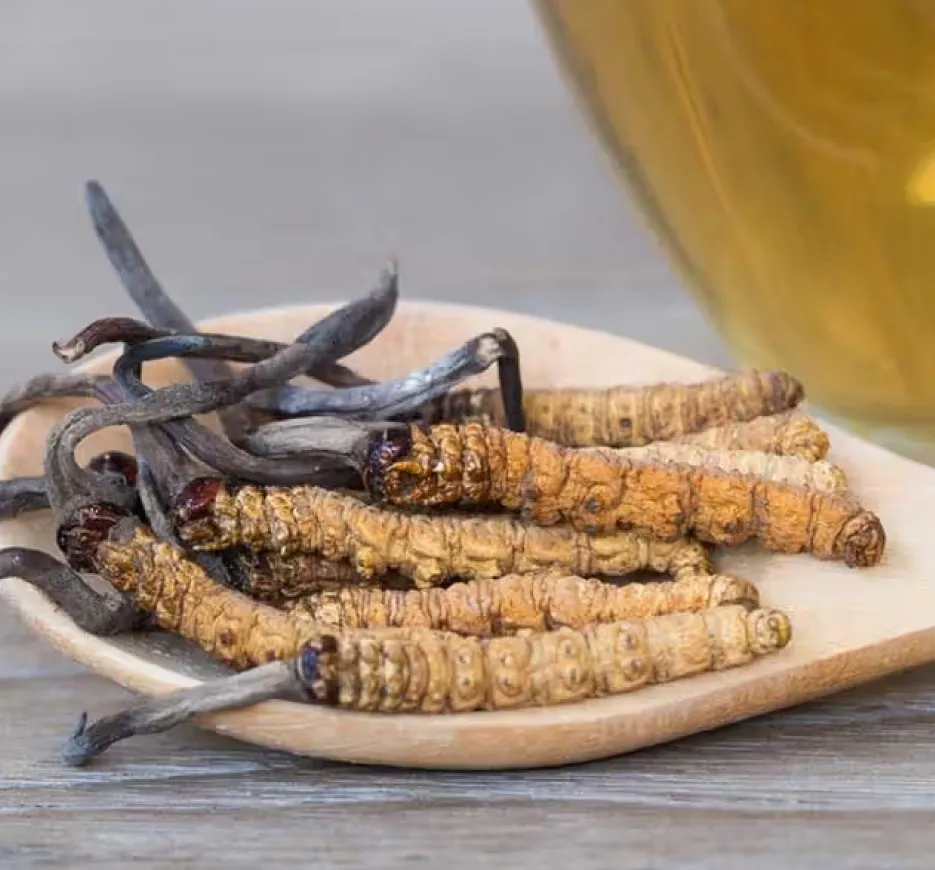
Cordyceps sinensis, also known as Chinese caterpillar fungus, has a long history used as a traditional Chinese medicine since the 15ᵗʰ century. Its name is derived from Tibeto-Bhutanese as Yartsa Gunbu, meaning Yartsa: grass in summer and Gunbu: worm in winter “Dong Chong Xia Cao”. It is a fungus parasitises moth caterpillar which grows mainly in high mountain regions in Qinghai-Tibetan Plateau¹,²².


Cordyceps sinensis has always been one of the most expensive medicines known because of its rarity, difficulty in harvest and high medicinal value. Further to the associated enormous environmental pressure and ecological problems on the grassland raised from cordyceps, modern technology has introduced artificially cultivation of cordyceps (Cs-4 strain) for sustainability. Active components of cordyceps include polysaccharides, adenosine, cordycepin, cordycepic acid and ergosterol². It has been used to treat diseases including cancer, diabetes, pulmonary diseases, cardiovascular disorder, sexual dysfunction, renal disorders for centuries in Chinese Traditional Medicine and Bhutanese Indigenous Medicine.

Key indications

Lung health

Cordyceps in aqueous extract form has been shown to possess stimulatory effect on ion transport in human airway epithelial cells possibly due to presence of cordycepin and adenosine²⁰. Promising efficacy is shown in the clinical studies conducted on asthma, chronic obstructive pulmonary disease, and bronchitis²⁵⁻²⁶. Cordyceps had significantly improved the health-related quality of life, asthma symptoms, lung function and inflammatory profiles of patients with moderate-to-severe asthma in 3-month treatment (1.2g, 3 times daily)²¹.

Immune health

Cordyceps is potential in promoting immunity. Research suggested cordyceps might stimulate immune function through a series of immunomodulating activities, for instance, increases number of T helper cells; enhances natural killer cell activity; promotes blood mononuclear cells; increases interferon-gamma, tumour necrosis factor-alpha, and interleukin-1 levels; and prolonging survival of lymphocytes¹³⁻¹⁶.

Anticancer

Cordyceps has been reported to improve immune response, decrease tumour size and lengthen survival time³⁻⁷. It is suggested cordyceps might be cytotoxic to cancer cells specifically lung cancer cells and melanoma (skin cancer)⁸⁻¹².

Cardiovascular

Cordyceps is shown to inhibit platelet aggregation and thrombus formation¹⁷. The cordyceps polysaccharides might decrease plasma triglycerides and cholesterol¹⁸. In China, it has been approved as a treatment for arrhythmia (a condition of irregular heartbeat).

Lung health

Cordyceps in aqueous extract form has been shown to possess stimulatory effect on ion transport in human airway epithelial cells possibly due to presence of cordycepin and adenosine²⁰. Promising efficacy is shown in the clinical studies conducted on asthma, chronic obstructive pulmonary disease, and bronchitis²⁵⁻²⁶. Cordyceps had significantly improved the health-related quality of life, asthma symptoms, lung function and inflammatory profiles of patients with moderate-to-severe asthma in 3-month treatment (1.2g, 3 times daily)²¹.

Immune health

Cordyceps is potential in promoting immunity. Research suggested cordyceps might stimulate immune function through a series of immunomodulating activities, for instance, increases number of T helper cells; enhances natural killer cell activity; promotes blood mononuclear cells; increases interferon-gamma, tumour necrosis factor-alpha, and interleukin-1 levels; and prolonging survival of lymphocytes¹³⁻¹⁶.

Anticancer

Cordyceps has been reported to improve immune response, decrease tumour size and lengthen survival time³⁻⁷. It is suggested cordyceps might be cytotoxic to cancer cells specifically lung cancer cells and melanoma (skin cancer)⁸⁻¹².

Cardiovascular

Cordyceps is shown to inhibit platelet aggregation and thrombus formation¹⁷. The cordyceps polysaccharides might decrease plasma triglycerides and cholesterol¹⁸. In China, it has been approved as a treatment for arrhythmia (a condition of irregular heartbeat).

Energy booster

Cordyceps are believed to promote production of adenosine triphosphate (ATP) in the body which is important in delivering energy to the muscles. Study reported supplementation of cordyceps for 12 weeks shown improvement in the aerobic performance and resulting in reduction in muscle fatigue, improvement in strength and exercise load in elderly people²³.

Chronic kidney disease (CKD)

Studies suggested cordyceps may be used as an adjuvant therapy to conventional medicine from its potential protection against kidney diseases, a common complication of diabetes through decreasing serum creatinine, increasing creatine clearance, reducing proteinuria and alleviating CKD-associated complications²⁴.

Adverse effects¹⁹

Cordyceps is generally well tolerated for adults, with reported minor adverse effects include mild gastrointestinal disturbances, abdominal discomfort, constipation, diarrhea and nausea.

Dosage range

Cordyceps extracts have been safely used in doses of 3g to 6g daily for up to 1 year.

Contraindications/cautions¹⁹

  • Interaction may occur with these drugs and supplements:

– Anticoagulant/ antiplatelet drugs, herbs and supplements

      1. Cordyceps may increase the risk of bleeding when used with this drug

– Immunosuppressants

    1. Concurrent use of cordyceps might interfere with immunosuppressive treatment

– Testosterone

    1. Combination of cordyceps and testosterone might have additive effects

– Autoimmune diseases
– Perioperative

    1. Safety data on pregnancy and lactation has not been established.

Adverse effects¹⁹

Cordyceps is generally well tolerated for adults, with reported minor adverse effects include mild gastrointestinal disturbances, abdominal discomfort, constipation, diarrhea and nausea.

Dosage range

Cordyceps extracts have been safely used in doses of 3g to 6g daily for up to 1 year.

Contraindications/cautions¹⁹

  • Interaction may occur with these drugs and supplements:

– Anticoagulant/ antiplatelet drugs, herbs and supplements

      1. Cordyceps may increase the risk of bleeding when used with this drug

– Immunosuppressants

    1. Concurrent use of cordyceps might interfere with immunosuppressive treatment

– Testosterone

    1. Combination of cordyceps and testosterone might have additive effects

– Autoimmune diseases
– Perioperative

    1. Safety data on pregnancy and lactation has not been established.

References :

  1. Li, S.P., Yang, F.Q., Karl, W.K.T. (2006). Quality control of Cordyceps sinensis a valued traditional Chinese medicine. J. Pharm. Biomed. Sci. 41, 1571–1584. doi: 10.1016/j.jpba.2006.01.046
  2. Ong, B.Y., Aziz, Z. (2017). Efficacy of Cordyceps sinensis as an adjunctive treatment in kidney transplant patients: a systematic-review and meta-analysis. Complement Ther Med., 30:84-92. doi: 10.1016/j.ctim.2016.12.007.
  3. Chiu, J.H., Ju, C.H., Wu, L.H., et al. (1998). Cordyceps sinensis increases the expression of major histocompatibility complex class II antigens on human hepatoma cell line HA22T/VGH cells. Am J Chin Med, 26:159-70.
  4. Chen, G.Z., Chen, G.L., Sun, T., et al. (1991). Effects of Cordyceps sinensis on murine T lymphocyte subsets. Chin Med J (English), 104:4-8.
  5. Yamaguchi, N., Yoshida, J., Ren, L.J., et al. (1990). Augmentation of various immune reactivities of tumor-bearing hosts with an extract of Cordyceps sinensis. Biotherapy, 2:199-205.
  6. Yamaguchi, N., Yoshida, J., Ren, L.J., et al. (1990). Augmentation of various immune reactivities of tumor-bearing hosts with an extract of Cordyceps sinensis. Biotherapy, 2:199-205.
  7. Yoshida, J., Takamura, S., Yamaguchi, N., et al. (1989). Antitumor activity of an extract of Cordyceps sinensis (Berk.) Sacc. against murine tumor cell lines. Jpn J Exp Med, 59:157-61.
  8. Bok JW, Lermer L, Chilton J, et al. (1999). Antitumor sterols from the mycelia of Cordyceps sinensis. Phytochemistry, 51:891-8.
  9. Kuo YC, Tsai WJ, Shiao MS, et al. (1996). Cordyceps sinensis as an immunomodulatory agent. Am J Chin Med, 24:111-25.
  10. Kuo, Y.C., Lin, C.Y., Tsai, W.J., et al. (1994). Growth inhibitors against tumor cells in Cordyceps sinensis other than cordycepin and polysaccharides. Cancer Invest, 12:611-5.
  11. Nakamura, K., Yamaguchi, Y., Kagota, S., et al. (1999). Inhibitory effect of Cordyceps sinensis on spontaneous liver metastasis of Lewis lung carcinoma and B16 melanoma cells in syngeneic mice. Jpn J Pharmacol, 79:335-41.
  12. Xu, R.H., Peng, X.E., Chen, G.Z., Chen, G.L. (1992). Effects of cordyceps sinensis on natural killer activity and colony formation of B16 melanoma. Chin Med J (English), 105:97-101.
  13. Chen, G.Z., Chen, G.L., Sun, T., et al. (1991). Effects of Cordyceps sinensis on murine T lymphocyte subsets. Chin Med J (English), 104:4-8.
  14. Xu, R.H., Peng, X.E., Chen, G.Z., Chen, G.L. (1992). Effects of cordyceps sinensis on natural killer activity and colony formation of B16 melanoma. Chin Med J (English), 105:97-101.
  15. Chen, Y.J., Shiao, M.S., Lee, S.S., Wang, S.Y. (1997). Effect of Cordyceps sinensis on the proliferation and differentiation of human leukemic U937 cells. Life Sci, 60:2349-59.
  16. Zhu, X.Y., Yu, H.Y. (1990). Immunosuppressive effect of cultured Cordyceps sinensis on cellular immune response. Chung Hsi I Chieh Ho Tsa Chih, 10:485-7, 454.
  17. Zhao, Y. (1991). Inhibitory effects of alcoholic extract of Cordyceps sinensis on abdominal aortic thrombus formation in rabbits. Chung Hua I Hsueh Tsa Chih (Taipei) 71:612-5, 42.
  18. Kiho, T., Yamane, A., Hui, J., et al. (1996). Polysaccharides in fungi. XXXVI. Hypoglycemic activity of a polysaccharide (CS-F30) from the cultural mycelium of Cordyceps sinensis and its effect on glucose metabolism in mouse liver. Biol Pharm Bull, 19:294-6.
  19. Therapeutic Research Centre. (2022). Cordyceps. Retrieved from https://naturalmedicines.therapeuticresearch.com/databases/food,-herbs-supplements/professional.aspx?productid=602
  20. Yue, G.G., Lau, C.B., Fung, K.P., Leung, P.C., Ko, W.H. (2008). Effects of Cordyceps sinensis, Cordyceps militaris and their isolated compounds on ion transport in Calu-3 human airway epithelial cells. J Ethnopharmacol. 117(1):92-101.18358654
  21. Wang, Ningqun & Li, Jie & Huang, Xiaobo & Chen, Wenqiang & Chen, Yujing. (2016). Herbal Medicine Cordyceps sinensis Improves Health-Related Quality of Life in Moderate-to-Severe Asthma. Evidence-Based Complementary and Alternative Medicine. 2016. 1-8. 10.1155/2016/6134593.
  22. Yang, P., Song, P., Sun, S. Q., Zhou, Q., Feng, S., Tao, J. X. (2009). Differentiation and quality estimation of Cordyceps with infrared spectroscopy, Spectrochim Acta A Mol. Biomol. Spectrosc. 74, 983–990. doi: 10.1016/j.saa.2009.09.004
  23. Chen, S., Li, Z., Krochmal, R., Abrazado, M., Kim, W., et al. (2010). Effect of Cs-4 (Cordyceps sinensis) on exercise performance in healthy older subjects: a double-blind, placebo-controlled trial. J Altern Complement Med 16: 585-590.
  24. Zhang, H. W., Lin, Z. X., Tung, Y. S., Kwan, T. H., Mok, C. K., Leung, C., & Chan, L. S. (2014). Cordyceps sinensis (a traditional Chinese medicine) for treating chronic kidney disease. The Cochrane database of systematic reviews, (12), CD008353. https://doi.org/10.1002/14651858.CD008353.pub2
  25. Zhu, J.S., Halpern, G.M., Jones, K. (1998). The scientific rediscovery of a precious ancient Chinese herbal regimen: Cordyceps sinensis: part II. J Altern Complement Med. 4(4):429-457.9884180
  26. Holliday, J.C., Cleaver, M.P. (2008). Medicinal value of the caterpillar fungi species of the genus Cordyceps (Fr.) Link (Ascomycetes). A review. Int J Med Mushr. 10(3):219-234.

References :

  1. Li, S.P., Yang, F.Q., Karl, W.K.T. (2006). Quality control of Cordyceps sinensis a valued traditional Chinese medicine. J. Pharm. Biomed. Sci. 41, 1571–1584. doi: 10.1016/j.jpba.2006.01.046
  2. Ong, B.Y., Aziz, Z. (2017). Efficacy of Cordyceps sinensis as an adjunctive treatment in kidney transplant patients: a systematic-review and meta-analysis. Complement Ther Med., 30:84-92. doi: 10.1016/j.ctim.2016.12.007.
  3. Chiu, J.H., Ju, C.H., Wu, L.H., et al. (1998). Cordyceps sinensis increases the expression of major histocompatibility complex class II antigens on human hepatoma cell line HA22T/VGH cells. Am J Chin Med, 26:159-70.
  4. Chen, G.Z., Chen, G.L., Sun, T., et al. (1991). Effects of Cordyceps sinensis on murine T lymphocyte subsets. Chin Med J (English), 104:4-8.
  5. Yamaguchi, N., Yoshida, J., Ren, L.J., et al. (1990). Augmentation of various immune reactivities of tumor-bearing hosts with an extract of Cordyceps sinensis. Biotherapy, 2:199-205.
  6. Yamaguchi, N., Yoshida, J., Ren, L.J., et al. (1990). Augmentation of various immune reactivities of tumor-bearing hosts with an extract of Cordyceps sinensis. Biotherapy, 2:199-205.
  7. Yoshida, J., Takamura, S., Yamaguchi, N., et al. (1989). Antitumor activity of an extract of Cordyceps sinensis (Berk.) Sacc. against murine tumor cell lines. Jpn J Exp Med, 59:157-61.
  8. Bok JW, Lermer L, Chilton J, et al. (1999). Antitumor sterols from the mycelia of Cordyceps sinensis. Phytochemistry, 51:891-8.
  9. Kuo YC, Tsai WJ, Shiao MS, et al. (1996). Cordyceps sinensis as an immunomodulatory agent. Am J Chin Med, 24:111-25.
  10. Kuo, Y.C., Lin, C.Y., Tsai, W.J., et al. (1994). Growth inhibitors against tumor cells in Cordyceps sinensis other than cordycepin and polysaccharides. Cancer Invest, 12:611-5.
  11. Nakamura, K., Yamaguchi, Y., Kagota, S., et al. (1999). Inhibitory effect of Cordyceps sinensis on spontaneous liver metastasis of Lewis lung carcinoma and B16 melanoma cells in syngeneic mice. Jpn J Pharmacol, 79:335-41.
  12. Xu, R.H., Peng, X.E., Chen, G.Z., Chen, G.L. (1992). Effects of cordyceps sinensis on natural killer activity and colony formation of B16 melanoma. Chin Med J (English), 105:97-101.
  13. Chen, G.Z., Chen, G.L., Sun, T., et al. (1991). Effects of Cordyceps sinensis on murine T lymphocyte subsets. Chin Med J (English), 104:4-8.
  14. Xu, R.H., Peng, X.E., Chen, G.Z., Chen, G.L. (1992). Effects of cordyceps sinensis on natural killer activity and colony formation of B16 melanoma. Chin Med J (English), 105:97-101.
  15. Chen, Y.J., Shiao, M.S., Lee, S.S., Wang, S.Y. (1997). Effect of Cordyceps sinensis on the proliferation and differentiation of human leukemic U937 cells. Life Sci, 60:2349-59.
  16. Zhu, X.Y., Yu, H.Y. (1990). Immunosuppressive effect of cultured Cordyceps sinensis on cellular immune response. Chung Hsi I Chieh Ho Tsa Chih, 10:485-7, 454.
  17. Zhao, Y. (1991). Inhibitory effects of alcoholic extract of Cordyceps sinensis on abdominal aortic thrombus formation in rabbits. Chung Hua I Hsueh Tsa Chih (Taipei) 71:612-5, 42.
  18. Kiho, T., Yamane, A., Hui, J., et al. (1996). Polysaccharides in fungi. XXXVI. Hypoglycemic activity of a polysaccharide (CS-F30) from the cultural mycelium of Cordyceps sinensis and its effect on glucose metabolism in mouse liver. Biol Pharm Bull, 19:294-6.
  19. Therapeutic Research Centre. (2022). Cordyceps. Retrieved from https://naturalmedicines.therapeuticresearch.com/databases/food,-herbs-supplements/professional.aspx?productid=602
  20. Yue, G.G., Lau, C.B., Fung, K.P., Leung, P.C., Ko, W.H. (2008). Effects of Cordyceps sinensis, Cordyceps militaris and their isolated compounds on ion transport in Calu-3 human airway epithelial cells. J Ethnopharmacol. 117(1):92-101.18358654
  21. Wang, Ningqun & Li, Jie & Huang, Xiaobo & Chen, Wenqiang & Chen, Yujing. (2016). Herbal Medicine Cordyceps sinensis Improves Health-Related Quality of Life in Moderate-to-Severe Asthma. Evidence-Based Complementary and Alternative Medicine. 2016. 1-8. 10.1155/2016/6134593.
  22. Yang, P., Song, P., Sun, S. Q., Zhou, Q., Feng, S., Tao, J. X. (2009). Differentiation and quality estimation of Cordyceps with infrared spectroscopy, Spectrochim Acta A Mol. Biomol. Spectrosc. 74, 983–990. doi: 10.1016/j.saa.2009.09.004
  23. Chen, S., Li, Z., Krochmal, R., Abrazado, M., Kim, W., et al. (2010). Effect of Cs-4 (Cordyceps sinensis) on exercise performance in healthy older subjects: a double-blind, placebo-controlled trial. J Altern Complement Med 16: 585-590.
  24. Zhang, H. W., Lin, Z. X., Tung, Y. S., Kwan, T. H., Mok, C. K., Leung, C., & Chan, L. S. (2014). Cordyceps sinensis (a traditional Chinese medicine) for treating chronic kidney disease. The Cochrane database of systematic reviews, (12), CD008353. https://doi.org/10.1002/14651858.CD008353.pub2
  25. Zhu, J.S., Halpern, G.M., Jones, K. (1998). The scientific rediscovery of a precious ancient Chinese herbal regimen: Cordyceps sinensis: part II. J Altern Complement Med. 4(4):429-457.9884180
  26. Holliday, J.C., Cleaver, M.P. (2008). Medicinal value of the caterpillar fungi species of the genus Cordyceps (Fr.) Link (Ascomycetes). A review. Int J Med Mushr. 10(3):219-234.

The material is prepared for informational purposes only and should not be construed as a piece of personal medical advice. Owing to each person’s varying health needs, a physician should be consulted before acting on any information provided in this material. Although every effort is made to ensure that this material is accurate, it is compiled for internal use only and should not be considered definitive. Neither VitaHealth nor its employees, or information providers shall be responsible or liable for any errors, inaccuracies, or other defects in the information contained in this publication.

You might also be interested in

Evening Primrose Oil

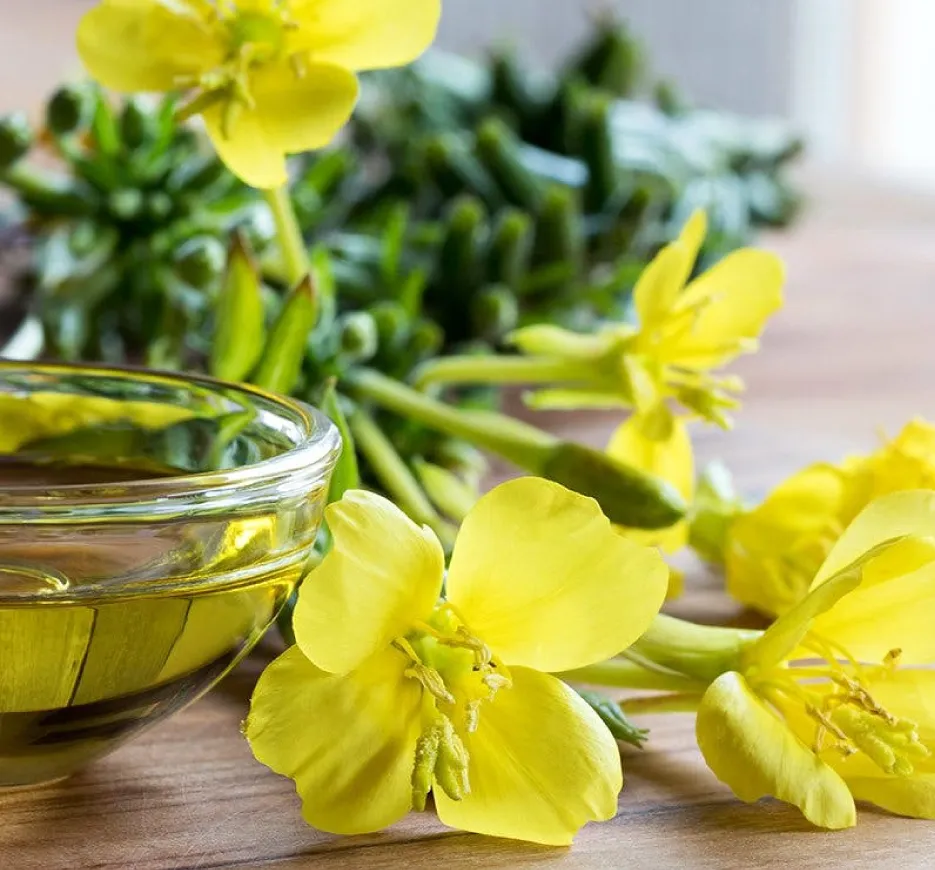
Evening primrose, Oenothera biennis was first grown by North American Indians², is a plant native to North and South America grows throughout Europe and some

READ MORE

Elderberry Extract

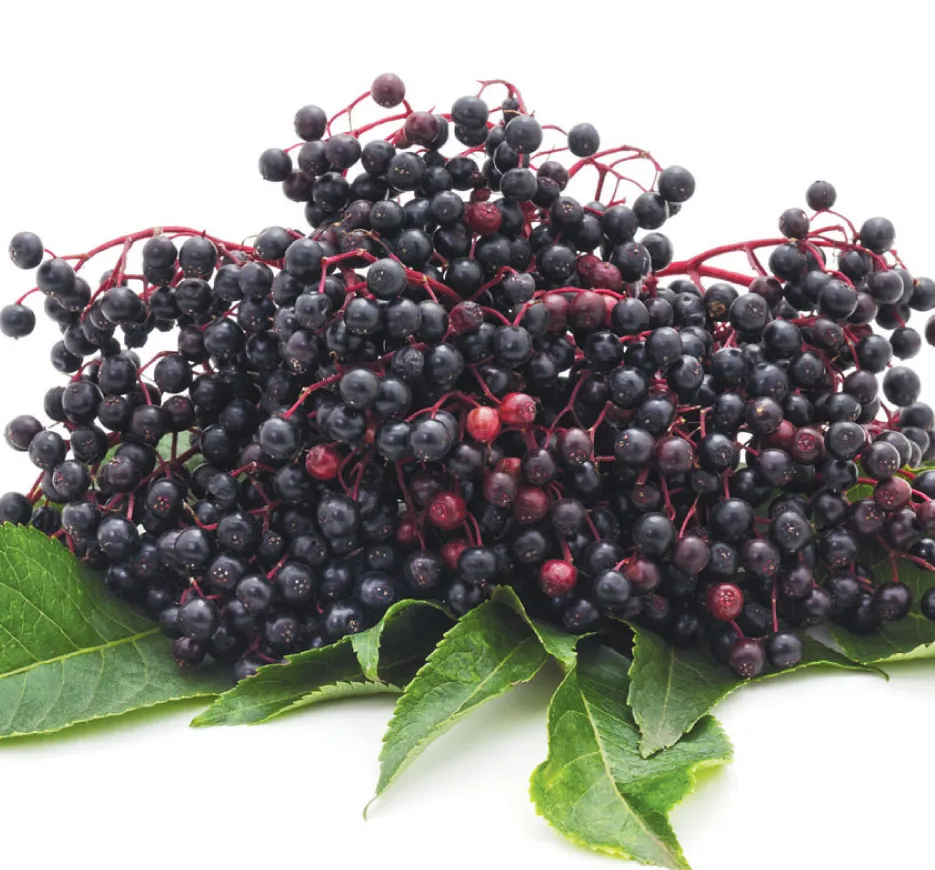
Elderberry also known as Sambucus nigra L. extract is widely recognised for its high content of bioactive compounds, particularly polyphenols such as anthocyanins, flavonols (quercetin,

READ MORE

Cordyceps

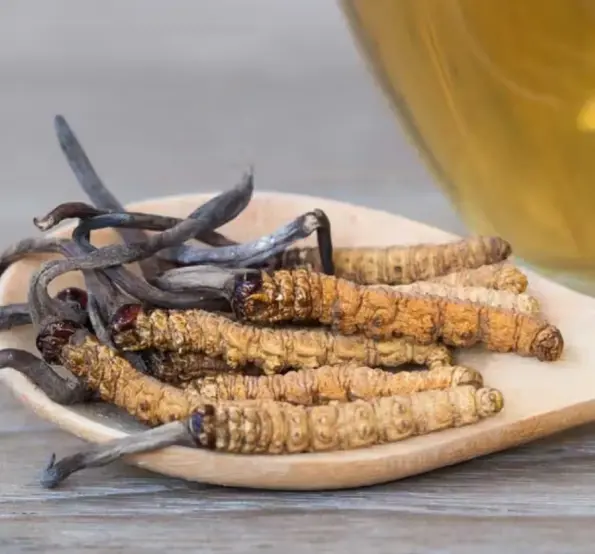
Cordyceps sinensis, also known as Chinese caterpillar fungus, has a long history used as a traditional Chinese medicine since the 15ᵗʰ century. Its name is

READ MORE
My Cart
Close Wishlist
Close Recently Viewed
Categories