Ingredients A-Z

Calcium Fructoborate

Overview

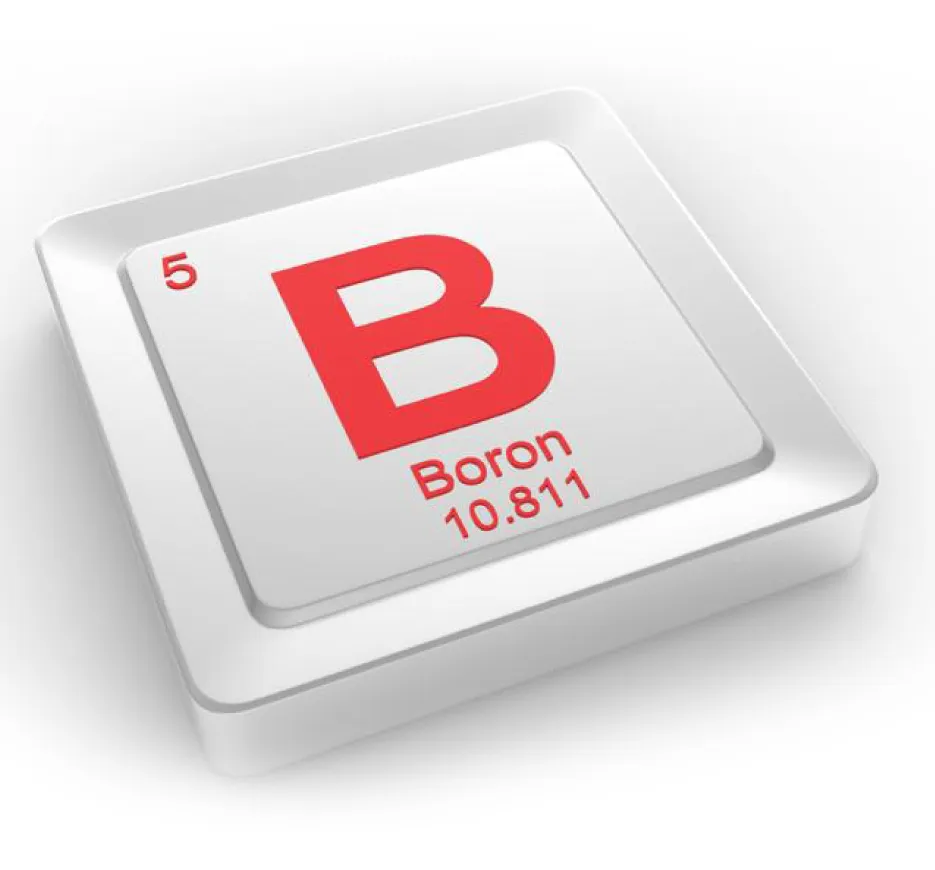
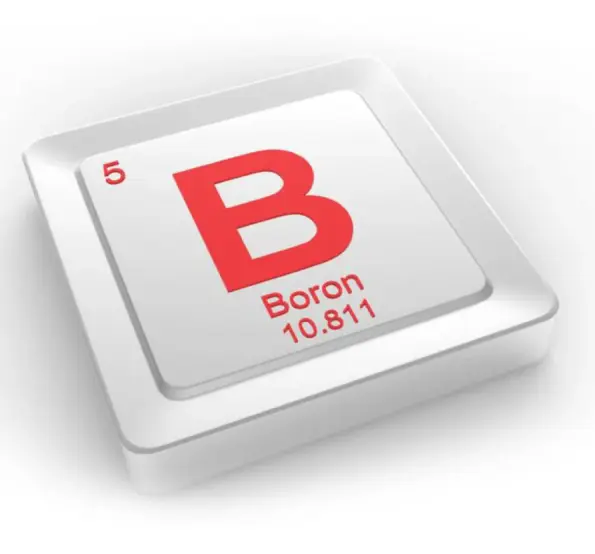
Boron, a trace mineral first discovered present in plant cell walls in 1857. Boron does not store in most body tissues; however, high levels of boron is found in bone, nails and hair than other body tissues⁵. Boric acid is the main form of boron in urine, blood and other body fluids⁶-⁸.


Various forms of boron are available in dietary supplement, include calcium fructoborate, boron aspartate, boron citrate, boron gluconate, chelated boron and boron glycinate. Calcium fructoborate is the most studied boron-based supplement. It is a natural plant mineral borate complex as first described by Patrick Brown¹. This sugar-borate ester (SBE) contains three forms of borate (diester, monoester, and boric acid) and present in fruits, vegetables, certain nuts and legumes and naturally absorbed by animal cells.


In recent years, there are growing research support the health benefits of calcium fructoborate on joints and cardiovascular.

Key indications

Osteoarthritis (OA)

OA is a chronic degenerative joint disease becoming the leading cause of physical disability among 10 to 30% of elderly of age over 65².  Although OA is not regarded a classical inflammatory arthropathy, it is commonly related to signs and symptoms of inflammation, like joint pain, swelling and stiffness³. In one clinical study, individuals with minor knee OA conditions experienced significant positive outcomes in WOMAC (Western Ontario and McMaster Universities index) and McGrill pain scores, reduced blood levels of the general inflammatory marker, C-reactive protein (CRP) and increased serum levels of 1, 25[OH]2D (calcitriol, the biologically active hormone responsible for most of the vitamin D biological actions) after supplementation of 108mg of calcium fructoborate, twice daily for 14 days⁴. Another 8-week study in patients with mild to moderate or severe osteoarthritis shown that daily intake of 6mg to 12mg of boron in the form of calcium fructoborate reduced the use of pain killer, ibuprofen and joint rigidity and increased mobility and flexibility⁹.

Cardiovascular health

Coronary artery disease is the main factor of angina which is caused by atherosclerosis of the coronary arteries. Supplementation of boron have shown to decrease the platelet count and potentially lower thrombosis risk¹⁰. In a 60-day randomised, double-blinded, active-controlled, parallel clinical trial among patients with stable angina pectoris, significant reduction of high-sensitivity CRP (hs-CRP) and lipids markers and increased high-density lipoprotein (HDL) cholesterol from baseline were observed in both supplemented groups with daily intake of 112mg of calcium fructoborate alone and in combination with 20mg of resveratrol¹¹. This is supported by another study with improvement in total cholesterol, low-density lipoprotein (LDL) cholesterol, triglycerides, interleukin-6, monocyte chemoattractant protein-1 (MCP-1), hs-CRP, interleukin-1 beta (IL-1 b) in both calcium fructoborate-supplemented group at dose of 56mg and 112mg daily in 30 days¹².

Osteoarthritis (OA)

OA is a chronic degenerative joint disease becoming the leading cause of physical disability among 10 to 30% of elderly of age over 65².  Although OA is not regarded a classical inflammatory arthropathy, it is commonly related to signs and symptoms of inflammation, like joint pain, swelling and stiffness³. In one clinical study, individuals with minor knee OA conditions experienced significant positive outcomes in WOMAC (Western Ontario and McMaster Universities index) and McGrill pain scores, reduced blood levels of the general inflammatory marker, C-reactive protein (CRP) and increased serum levels of 1, 25[OH]2D (calcitriol, the biologically active hormone responsible for most of the vitamin D biological actions) after supplementation of 108mg of calcium fructoborate, twice daily for 14 days⁴. Another 8-week study in patients with mild to moderate or severe osteoarthritis shown that daily intake of 6mg to 12mg of boron in the form of calcium fructoborate reduced the use of pain killer, ibuprofen and joint rigidity and increased mobility and flexibility⁹.

Cardiovascular health

Coronary artery disease is the main factor of angina which is caused by atherosclerosis of the coronary arteries. Supplementation of boron have shown to decrease the platelet count and potentially lower thrombosis risk¹⁰. In a 60-day randomised, double-blinded, active-controlled, parallel clinical trial among patients with stable angina pectoris, significant reduction of high-sensitivity CRP (hs-CRP) and lipids markers and increased high-density lipoprotein (HDL) cholesterol from baseline were observed in both supplemented groups with daily intake of 112mg of calcium fructoborate alone and in combination with 20mg of resveratrol¹¹. This is supported by another study with improvement in total cholesterol, low-density lipoprotein (LDL) cholesterol, triglycerides, interleukin-6, monocyte chemoattractant protein-1 (MCP-1), hs-CRP, interleukin-1 beta (IL-1 b) in both calcium fructoborate-supplemented group at dose of 56mg and 112mg daily in 30 days¹².

Adverse effects⁴

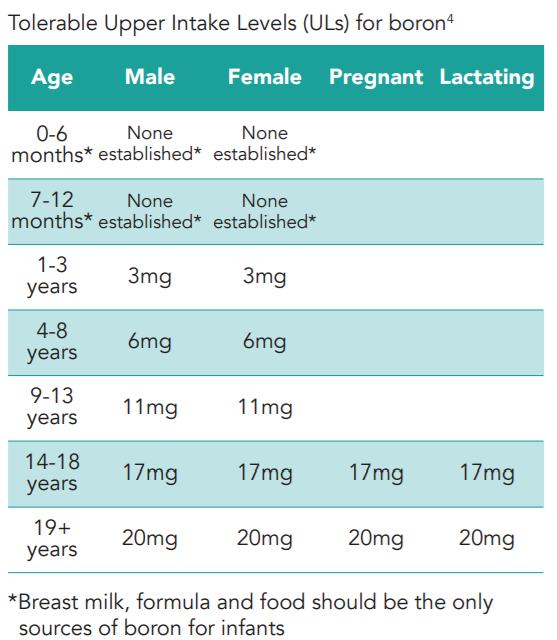
Boron is generally well tolerated when taken in doses below the tolerable upper intake level of 20mg. Some of the common adverse reactions of excessive intake of boron through accidental consumption of boric acid or borax (commonly found in household cleaning products and pesticides) include nausea, vomiting, diarrhea, rashes, headaches and convulsions. Extremely high doses of boron in 15,000mg to 20,000mg could result in death.

Dosage range

Contraindications/cautions

No known contraindications with drugs.

Adverse effects⁴

Boron is generally well tolerated when taken in doses below the tolerable upper intake level of 20mg. Some of the common adverse reactions of excessive intake of boron through accidental consumption of boric acid or borax (commonly found in household cleaning products and pesticides) include nausea, vomiting, diarrhea, rashes, headaches and convulsions. Extremely high doses of boron in 15,000mg to 20,000mg could result in death.

Dosage range

Contraindications/cautions

No known contraindications with drugs.

References :

  1. Brown PS., B. (1997). Boron Mobility in Plants. Plant and Soil, 193:85-101. DOI:10.1023/A:1004211925160
  2. Wang, Y., Prentice, L. F., Vitetta, L., Wluka, A. E., Cicuttini, F. M. (2009). The effect of nutritional supplements on osteoarthritis. Altern Med Rev, 275-96.
  3. Goldring, M. B., Goldring, S. R. (2007). Osteoarthritis. J Cell Physiol, 213:626-34. DOI: 10.1002/jcp.21258
  4. National Institutes of Health. (2022). Boron. Retrieved from https://ods.od.nih.gov/factsheets/Boron-HealthProfessional/
  5. Uluisik, I., Karakaya, H. C. and Koc, A. (2018). The importance of boron in biological systems. J Trace Elem Med Biol, 45:156-62.
  6. Institute of Medicine. (2001). Food and Nutrition Board. Dietary Reference Intakes for Vitamin A, Vitamin K, Arsenic, Boron, Chromium, Copper, Iodine, Iron, Manganese, Molybdenum, Nickel, Silicon, Vanadium, and Zinc Washington, DC: National Academy Press.
  7. Nielsen, F. H. (2012). Manganese, Molybdenum, Boron, Chromium, and Other Trace Elements. In: John W. Erdman Jr. IAM, Steven H. Zeisel, ed. Present Knowledge in Nutrition. 10th ed: Wiley-Blackwell, 586-607.
  8. Eckhert C. D. (2014). Trace Elements. In: A. Catharine Ross BC, Robert J. Cousins, Katherine L. Tucker, Thomas R. Ziegler, ed. Modern Nutrition in Health and Disease. 11th ed. Baltimore, MD: Lippincott Williams & Wilkins, 248-51.
  9. Miljkovic, D., Scorei, R. I., Cimpoiasu, V. M, et al. (2009). Calcium Fructoborate: Plant-Based Dietary Boron for Human Nutrition. Journal of Dietary Supplements, 6:211-26.
  10. Nielsen, F. H., Mullen, L. M., Nielsen, E. J. (1991). Dietary boron affects blood cell counts and hemoglobin concentrations in humans. J Trace Elem Exp Med, 4:211–23.
  11. Militaru, C., Donoiu, I., Craciun, A., Scorei, I. D., Bulearca, A. M. and Scorei, R. I. (2013). Oral resveratrol and calcium fructoborate supplementation in subjects with stable angina pectoris: effects on lipid profiles, inflammation markers, and quality of life. Nutrition, 29, 178–183.
  12. Rogoveanu, O. C., Mogoşanu, G. D., Bejenaru, C., et al. (2015). Effects of Calcium Fructoborate on Levels of C-Reactive Protein, Total Cholesterol, Low-Density Lipoprotein, Triglycerides, IL-1β, IL-6, and MCP-1: a Double-blind, Placebo-controlled Clinical Study. Biol Trace Elem Res, 163(1-2):124-131. doi:10.1007/s12011-014-0155-9

References :

  1. Brown PS., B. (1997). Boron Mobility in Plants. Plant and Soil, 193:85-101. DOI:10.1023/A:1004211925160
  2. Wang, Y., Prentice, L. F., Vitetta, L., Wluka, A. E., Cicuttini, F. M. (2009). The effect of nutritional supplements on osteoarthritis. Altern Med Rev, 275-96.
  3. Goldring, M. B., Goldring, S. R. (2007). Osteoarthritis. J Cell Physiol, 213:626-34. DOI: 10.1002/jcp.21258
  4. National Institutes of Health. (2022). Boron. Retrieved from https://ods.od.nih.gov/factsheets/Boron-HealthProfessional/
  5. Uluisik, I., Karakaya, H. C. and Koc, A. (2018). The importance of boron in biological systems. J Trace Elem Med Biol, 45:156-62.
  6. Institute of Medicine. (2001). Food and Nutrition Board. Dietary Reference Intakes for Vitamin A, Vitamin K, Arsenic, Boron, Chromium, Copper, Iodine, Iron, Manganese, Molybdenum, Nickel, Silicon, Vanadium, and Zinc Washington, DC: National Academy Press.
  7. Nielsen, F. H. (2012). Manganese, Molybdenum, Boron, Chromium, and Other Trace Elements. In: John W. Erdman Jr. IAM, Steven H. Zeisel, ed. Present Knowledge in Nutrition. 10th ed: Wiley-Blackwell, 586-607.
  8. Eckhert C. D. (2014). Trace Elements. In: A. Catharine Ross BC, Robert J. Cousins, Katherine L. Tucker, Thomas R. Ziegler, ed. Modern Nutrition in Health and Disease. 11th ed. Baltimore, MD: Lippincott Williams & Wilkins, 248-51.
  9. Miljkovic, D., Scorei, R. I., Cimpoiasu, V. M, et al. (2009). Calcium Fructoborate: Plant-Based Dietary Boron for Human Nutrition. Journal of Dietary Supplements, 6:211-26.
  10. Nielsen, F. H., Mullen, L. M., Nielsen, E. J. (1991). Dietary boron affects blood cell counts and hemoglobin concentrations in humans. J Trace Elem Exp Med, 4:211–23.
  11. Militaru, C., Donoiu, I., Craciun, A., Scorei, I. D., Bulearca, A. M. and Scorei, R. I. (2013). Oral resveratrol and calcium fructoborate supplementation in subjects with stable angina pectoris: effects on lipid profiles, inflammation markers, and quality of life. Nutrition, 29, 178–183.
  12. Rogoveanu, O. C., Mogoşanu, G. D., Bejenaru, C., et al. (2015). Effects of Calcium Fructoborate on Levels of C-Reactive Protein, Total Cholesterol, Low-Density Lipoprotein, Triglycerides, IL-1β, IL-6, and MCP-1: a Double-blind, Placebo-controlled Clinical Study. Biol Trace Elem Res, 163(1-2):124-131. doi:10.1007/s12011-014-0155-9

The material is prepared for informational purposes only and should not be construed as a piece of personal medical advice. Owing to each person’s varying health needs, a physician should be consulted before acting on any information provided in this material. Although every effort is made to ensure that this material is accurate, it is compiled for internal use only and should not be considered definitive. Neither VitaHealth nor its employees, or information providers shall be responsible or liable for any errors, inaccuracies, or other defects in the information contained in this publication.

You might also be interested in

Passion Flower

Passion flower, or known as Passiflora incarnata, is a climbing vine with white and purple flowers that is native to the south-eastern United States, and

READ MORE

Calcium Fructoborate

Boron, a trace mineral first discovered present in plant cell walls in 1857. Boron does not store in most body tissues; however, high levels of

READ MORE
My Cart
Close Wishlist
Close Recently Viewed
Categories