Ingredients A-Z

Burdock

Overview

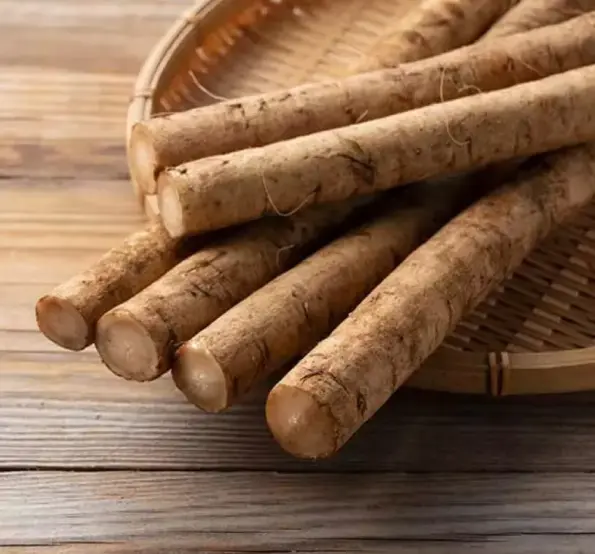
Burdock is a Japanese plant whose root is often used as food or traditional medicine, commonly for its action as diuretics or digestive aid, the leaves and seed are also used as traditional medicine. In traditional Chinese medicine, burdock helps to remove toxins from the body and acts as blood purifier. Despite being a vegetable native to Northern Asia and Europe, it is now being widely introduced worldwide.


Key indications

Antioxidant

Antioxidant can protect cells from harmful free radicals which damage cells and this can help to treat or prevent many health conditions. Burdock root has been shown to contain many strong antioxidants such as quercetin, luteolin and phenolic acid¹.

Inflammation

Being a source of antioxidants, burdock can help to reduce inflammation. Study shows that by taking 3 cups of burdock root tea daily for 42 days helps to reduce inflammatory markers such as IL-6, hs-CRP and malondialdehyde². The essential mechanism for burdock’s anti-inflammatory property is most probably by the reduction of pro-inflammatory cytokine, inhibition of nitric oxide synthase and nitric oxide production as well as modulation of the NF-kB pathway³.

Blood purifier

Burdock root is known to contain active ingredients which can help to remove toxins from the blood, this makes it a blood purifier. Research has shown that burdock root can help to promote blood circulation of the skin surface and detoxify blood effectively to alleviate skin condition like eczema and improve skin quality³.

Antioxidant

Antioxidant can protect cells from harmful free radicals which damage cells and this can help to treat or prevent many health conditions. Burdock root has been shown to contain many strong antioxidants such as quercetin, luteolin and phenolic acid¹.

Inflammation

Being a source of antioxidants, burdock can help to reduce inflammation. Study shows that by taking 3 cups of burdock root tea daily for 42 days helps to reduce inflammatory markers such as IL-6, hs-CRP and malondialdehyde². The essential mechanism for burdock’s anti-inflammatory property is most probably by the reduction of pro-inflammatory cytokine, inhibition of nitric oxide synthase and nitric oxide production as well as modulation of the NF-kB pathway³.

Blood purifier

Burdock root is known to contain active ingredients which can help to remove toxins from the blood, this makes it a blood purifier. Research has shown that burdock root can help to promote blood circulation of the skin surface and detoxify blood effectively to alleviate skin condition like eczema and improve skin quality³.

Adverse effects

Burdock possesses the risk of causing dehydration as it is a natural diuretic. Burdock might cause allergic reaction especially in those who are sensitive to daisies, chrysanthemums or ragweed. Some people might experience bloating after taking burdock as it contains high amount of inulin.

Dosage range

Due to limited research at the moment, no typical dosage range of burdock is known.

Contraindications/cautions

  • Diureticss – Burdock is a natural diuretic, so it might enhance the action of diuretics when taken together which might lead to dehydration or even hypotension.
  •  

  • Anticoagulant & antiplatelet drugs – Research shows that lignans from burdock inhibit platelet activating factor which leads to reduced platelet aggregation⁴. The concurrent intake of both burdock and anticoagulant or antiplatelet drugs might increase the risk of bleeding.
  •  

  • Pregnancy/lactation – Avoid use in this group of people due to there is risk of damage to fetus⁵.

Adverse effects

Burdock possesses the risk of causing dehydration as it is a natural diuretic. Burdock might cause allergic reaction especially in those who are sensitive to daisies, chrysanthemums or ragweed. Some people might experience bloating after taking burdock as it contains high amount of inulin.

Dosage range

Due to limited research at the moment, no typical dosage range of burdock is known.

Contraindications/cautions

  • Diureticss – Burdock is a natural diuretic, so it might enhance the action of diuretics when taken together which might lead to dehydration or even hypotension.
  •  

  • Anticoagulant & antiplatelet drugs – Research shows that lignans from burdock inhibit platelet activating factor which leads to reduced platelet aggregation⁴. The concurrent intake of both burdock and anticoagulant or antiplatelet drugs might increase the risk of bleeding.
  •  

  • Pregnancy/lactation – Avoid use in this group of people due to there is risk of damage to fetus⁵.

References :

  1. Ferracane, R., Graziani, G., Gallo, M., Fogliano, V., & Ritieni, A. (2010). Metabolic profile of the bioactive compounds of burdock (Arctium lappa) seeds, roots and leaves. Journal Of Pharmaceutical And Biomedical Analysis, 51(2), 399-404. https://doi.org/10.1016/j.jpba.2009.03.018
  2. Maghsoumi-Norouzabad, L., Alipoor, B., Abed, R., Eftekhar Sadat, B., Mesgari-Abbasi, M., & Asghari Jafarabadi, M. (2014). Effects ofArctium lappaL. (Burdock) root tea on inflammatory status and oxidative stress in patients with knee osteoarthritis. International Journal Of Rheumatic Diseases, 19(3), 255-261. https://doi.org/10.1111/1756-185x.12477
  3. Chan, YS., Cheng, LN., Wu, JH. et al. A review of the pharmacological effects of Arctium lappa (burdock). Inflammopharmacol 19, 245–254 (2011). https://doi.org/10.1007/s10787-010-0062-4
  4. Iwakami, S., Wu, J. B., Ebizuka, Y., & Sankawa, U. (1992). Platelet activating factor (PAF) antagonists contained in medicinal plants: lignans and sesquiterpenes. Chemical & pharmaceutical bulletin, 40(5), 1196–1198. https://doi.org/10.1248/cpb.40.1196
  5. Burdock Information | Mount Sinai – New York. Mount Sinai Health System. (2022). Retrieved 26 May 2022, from https://www.mountsinai.org/health library/herb/burdock#:~:text=Pregnant%20or%20nursing%20women%20should,reaction%20to%20burdock%2C%20including%20dermatitis.

References :

  1. Ferracane, R., Graziani, G., Gallo, M., Fogliano, V., & Ritieni, A. (2010). Metabolic profile of the bioactive compounds of burdock (Arctium lappa) seeds, roots and leaves. Journal Of Pharmaceutical And Biomedical Analysis, 51(2), 399-404. https://doi.org/10.1016/j.jpba.2009.03.018
  2. Maghsoumi-Norouzabad, L., Alipoor, B., Abed, R., Eftekhar Sadat, B., Mesgari-Abbasi, M., & Asghari Jafarabadi, M. (2014). Effects ofArctium lappaL. (Burdock) root tea on inflammatory status and oxidative stress in patients with knee osteoarthritis. International Journal Of Rheumatic Diseases, 19(3), 255-261. https://doi.org/10.1111/1756-185x.12477
  3. Chan, YS., Cheng, LN., Wu, JH. et al. A review of the pharmacological effects of Arctium lappa (burdock). Inflammopharmacol 19, 245–254 (2011). https://doi.org/10.1007/s10787-010-0062-4
  4. Iwakami, S., Wu, J. B., Ebizuka, Y., & Sankawa, U. (1992). Platelet activating factor (PAF) antagonists contained in medicinal plants: lignans and sesquiterpenes. Chemical & pharmaceutical bulletin, 40(5), 1196–1198. https://doi.org/10.1248/cpb.40.1196
  5. Burdock Information | Mount Sinai – New York. Mount Sinai Health System. (2022). Retrieved 26 May 2022, from https://www.mountsinai.org/health library/herb/burdock#:~:text=Pregnant%20or%20nursing%20women%20should,reaction%20to%20burdock%2C%20including%20dermatitis.

The material is prepared for informational purposes only and should not be construed as a piece of personal medical advice. Owing to each person’s varying health needs, a physician should be consulted before acting on any information provided in this material. Although every effort is made to ensure that this material is accurate, it is compiled for internal use only and should not be considered definitive. Neither VitaHealth nor its employees, or information providers shall be responsible or liable for any errors, inaccuracies, or other defects in the information contained in this publication.

You might also be interested in

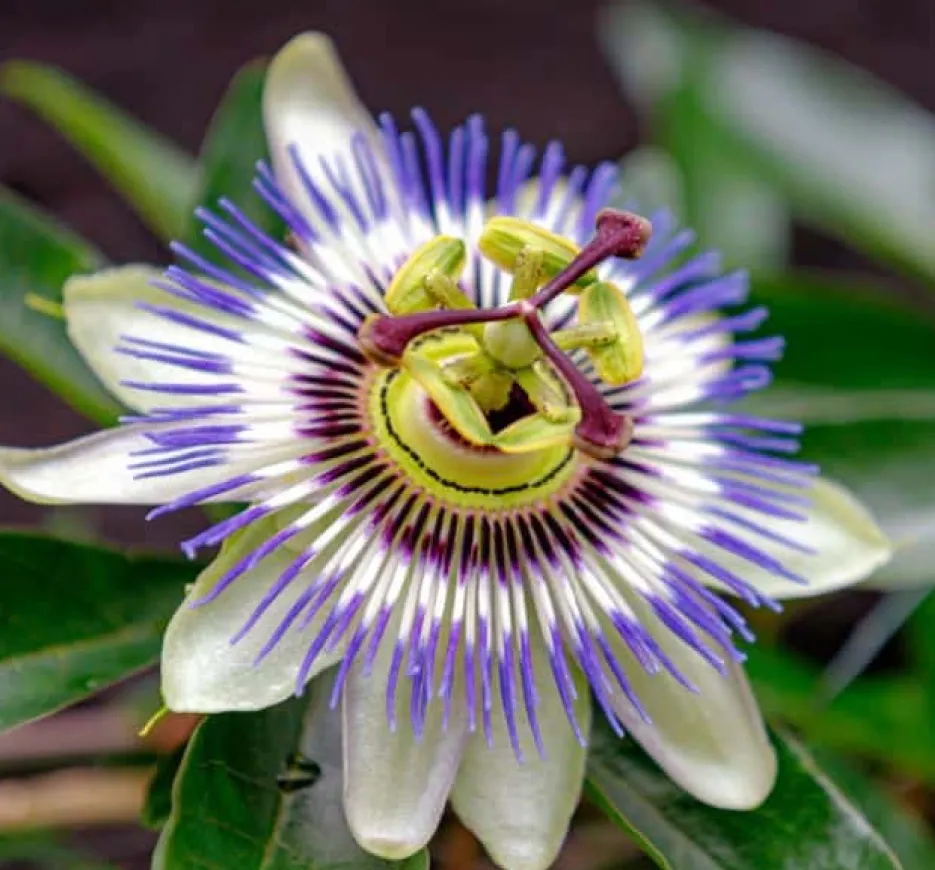
Passion Flower

Passion flower, or known as Passiflora incarnata, is a climbing vine with white and purple flowers that is native to the south-eastern United States, and

READ MORE

Calcium Fructoborate

Boron, a trace mineral first discovered present in plant cell walls in 1857. Boron does not store in most body tissues; however, high levels of

READ MORE
My Cart
Close Wishlist
Close Recently Viewed
Categories