Ingredients A-Z

Broccoli Extract

Overview

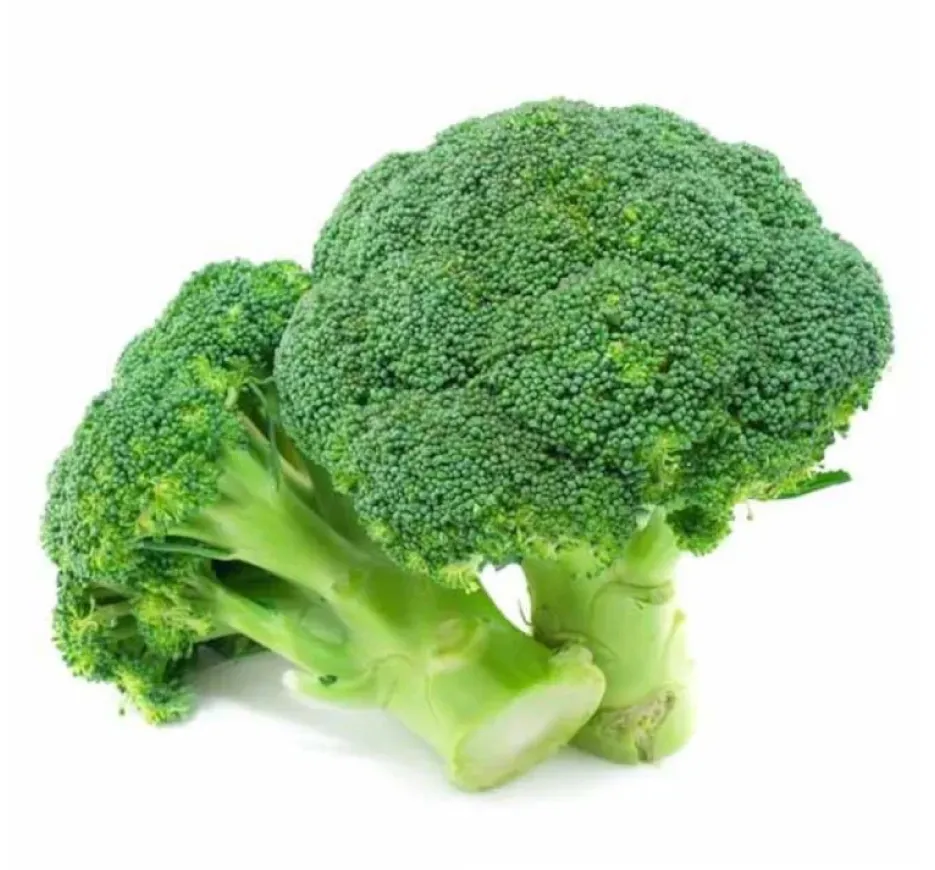
Broccoli extract, derived from Brassica oleracea is a cruciferous vegetable celebrated not only for its nutritional value but also for its potent health-promoting phytochemicals. Broccoli extract is a concentrated form derived primarily from broccoli florets or seeds and is particularly rich in a bioactive compound called sulforaphane, a powerful isothiocyanate formed when the enzyme myrosinase acts on glucoraphanin (a glucosinolate found in broccoli). Sulforaphane has been the subject of extensive scientific research due to its wide-ranging effects on detoxification, inflammation, oxidative stress, and cellular protection¹. Broccoli extract is often used in functional foods, dietary supplements, and nutraceuticals for its potential to support detoxification, antioxidant defense, cellular health, and hormonal balance.


Key indications

Detoxification

Broccoli extract is a well-established phase II detoxification enzyme inducer, promoting the elimination of
environmental toxins, carcinogens, and xenobiotics. It does this by activating the Nrf2 pathway, which increases expression of protective enzymes like glutathione S-transferase (GST) and NAD(P)H quinone oxidoreductase². Broccoli extract was shown to upregulate genes related to detoxification and glutathione synthesis in the liver, which support in liver detoxification³.

Antioxidant Defense

Broccoli extract enhances the body’s antioxidant capacity by stimulating the production of endogenous
antioxidant enzymes via the Nrf2-antioxidant response element pathway. This reduces oxidative stress and protects against cellular damage, a key contributor to ageing and chronic diseases⁴.

Anti-inflammation

Broccoli extract helps reduce systemic inflammation by inhibiting NF-kB, a key regulator of inflammatory
cytokines. This function supports its role in inflammatory conditions and chronic disease prevention⁵.
Studies showed broccoli extract reduced inflammatory markers and pain behaviour⁶.

Hormonal Balance

Broccoli extract supports healthy estrogen metabolism by promoting the formation of protective estrogen
metabolites, which may be beneficial for hormone-sensitive conditions such as breast, prostate, and uterine health¹. Research suggested that bioactive compounds in broccoli extract could influence estrogen pathways, potentially reducing the risk of estrogen-related cancers by promoting the metabolism of estrogen towards non-carcinogenic pathways⁷.

Detoxification

Broccoli extract is a well-established phase II detoxification enzyme inducer, promoting the elimination of
environmental toxins, carcinogens, and xenobiotics. It does this by activating the Nrf2 pathway, which increases expression of protective enzymes like glutathione S-transferase (GST) and NAD(P)H quinone oxidoreductase². Broccoli extract was shown to upregulate genes related to detoxification and glutathione synthesis in the liver, which support in liver detoxification³.

Antioxidant Defense

Broccoli extract enhances the body’s antioxidant capacity by stimulating the production of endogenous
antioxidant enzymes via the Nrf2-antioxidant response element pathway. This reduces oxidative stress and protects against cellular damage, a key contributor to ageing and chronic diseases⁴.

Anti-inflammation

Broccoli extract helps reduce systemic inflammation by inhibiting NF-kB, a key regulator of inflammatory
cytokines. This function supports its role in inflammatory conditions and chronic disease prevention⁵.
Studies showed broccoli extract reduced inflammatory markers and pain behaviour⁶.

Hormonal Balance

Broccoli extract supports healthy estrogen metabolism by promoting the formation of protective estrogen
metabolites, which may be beneficial for hormone-sensitive conditions such as breast, prostate, and uterine health¹. Research suggested that bioactive compounds in broccoli extract could influence estrogen pathways, potentially reducing the risk of estrogen-related cancers by promoting the metabolism of estrogen towards non-carcinogenic pathways⁷.

Supports Cellular Health

Broccoli extract supports healthy cell function and may reduce abnormal cell growth by inducing apoptosis in damaged cells, supporting DNA repair, and inhibiting angiogenesis⁸. This makes it a valuable adjunct in cellular protection strategies. Studies suggest that broccoli extract, through its bioactive compounds like sulforaphane, can play a significant role in promoting cellular health by enhancing detoxification processes, reducing oxidative stress, and supporting organ function⁹.

Adverse effects

Daily consumption of approximately 400mg of broccoli extract has not been associated with serious adverse effects. However, intake exceeding 400mg may cause minor gastrointestinal issues such as gas, bloating, or cramps¹⁰.

Dosage range

There is no established recommended dosage or upper limit for broccoli extract. Some studies have shown that it can be safely consumed at doses ranging from 100mg to 400mg daily13.

Contraindications/cautions

  • Blood Thinners
    Broccoli extract contains vitamin K, which can affect blood clotting. Individuals taking blood thinners such as warfarin should be cautious, as it could interfere with the medication’s effectiveness¹¹.
  •  

  • Thyroid
    Broccoli extract contains goitrogens, which can interfere with thyroid hormone production. Individuals with thyroid conditions, especially hypothyroidism, should be cautious and may need to moderate their intake¹⁰.
  •  

    Insufficient reliable information regarding the use of broccoli extract for children, pregnancy and lactation¹².

Adverse effects

Daily consumption of approximately 400mg of broccoli extract has not been associated with serious adverse effects. However, intake exceeding 400mg may cause minor gastrointestinal issues such as gas, bloating, or cramps¹⁰.

Dosage range

There is no established recommended dosage or upper limit for broccoli extract. Some studies have shown that it can be safely consumed at doses ranging from 100mg to 400mg daily13.

Contraindications/cautions

  • Blood Thinners
    Broccoli extract contains vitamin K, which can affect blood clotting. Individuals taking blood thinners such as warfarin should be cautious, as it could interfere with the medication’s effectiveness¹¹.
  •  

  • Thyroid
    Broccoli extract contains goitrogens, which can interfere with thyroid hormone production. Individuals with thyroid conditions, especially hypothyroidism, should be cautious and may need to moderate their intake¹⁰.
  •  

    Insufficient reliable information regarding the use of broccoli extract for children, pregnancy and lactation¹².

References :

  1. Fahey, J. W., & Raphaely, M. (2025). The Impact of Sulforaphane on Sex-Specific Conditions and Hormone Balance: A Comprehensive review. Applied Sciences, 15(2), 522. https://doi.org/10.3390/app15020522
  2. McWalter, G. K., Higgins, L. G., McLellan, L. I., Henderson, C. J., Hayes, J. D., Song, L., Thornalley, P. J., Itoh, K., & Yamamoto, M. (2004). Transcription factor NRF2 is essential for induction of NAD(P)H:Quinone oxidoreductase 1, glutathione S-Transferases, and glutamate cysteine ligase by broccoli seeds and isothiocyanates. Journal of Nutrition, 134(12), 3499S-3506S. https://doi.org/10.1093/jn/134.12.3499s
  3. Yoshida, K., Ushida, Y., Ishijima, T., Suganuma, H., Inakuma, T., Yajima, N., Abe, K., & Nakai, Y. (2015). Broccoli sprout extract induces detoxification-related gene expression and attenuates acute liver injury. World Journal of Gastroenterology, 21(35), 10091–10103. https://doi.org/10.3748/wjg.v21.i35.10091
  4. Alves, I., Araújo, E. M. Q., Dalgaard, L. T., Singh, S., Børsheim, E., & Carvalho, E. (2025). Protective effects of sulforaphane Preventing inflammation and oxidative stress to Enhance Metabolic health: A Narrative review. Nutrients, 17(3), 428. https://doi.org/10.3390/nu17030428
  5. Gudiño, I., Casquete, R., Martín, A., Wu, Y., & Benito, M. J. (2024). Comprehensive analysis of bioactive compounds, functional properties, and applications of Broccoli By-Products. Foods, 13(23), 3918. https://doi.org/10.3390/foods13233918
  6. Gurgul, A. A., Najjar, Y., Chee, A., An, H., Che, C., Park, T. J., & Warpeha, K. M. (2023). Phenylpropanoid-enriched broccoli seedling extract can reduce inflammatory markers and pain behavior. Journal of Translational Medicine, 21(1). https://doi.org/10.1186/s12967-023-04777-1
  7. Gaikwad, N., Kucera, H., Olivera, D., & Shibamoto, T. (2014). Modulation of estrogen metabolism by broccoli: mechanistic investigation of cancer prevention (1045.45). The FASEB Journal, 28(S1). https://doi.org/10.1096/fasebj.28.1_supplement.1045.45
  8. Nandini, D., Rao, R., Deepak, B., & Reddy, P. (2020). Sulforaphane in broccoli: The green chemoprevention!! Role in cancer prevention and therapy. Journal of Oral and Maxillofacial Pathology, 24(2), 405. https://doi.org/10.4103/jomfp.jomfp_126_19
  9. Mohammed, A., & Mohammed, H. A. (2023). Beneficial role of broccoli and its active ingredient, sulforaphane in the treatment of diabetes. Phytomedicine Plus, 3(2), 100431. https://doi.org/10.1016/j.phyplu.2023.100431
  10. Broccoli Uses, Benefits & Dosage. (n.d.). Drugs.com. https://www.drugs.com/npp/broccoli.html
  11. LD, M. W. R. (2023, June 26). The health benefits of broccoli. https://www.medicalnewstoday.com/articles/266765
  12. SULFORAPHANE: Overview, uses, side effects, precautions, interactions, dosing and reviews. (n.d.). https://www.webmd.com/vitamins/ai/ingredientmono-1070/sulforaphane
  13. Yagishita, Y., Fahey, J. W., Dinkova-Kostova, A. T., & Kensler, T. W. (2019). Broccoli or sulforaphane: is it the source or dose that matters? Molecules, 24(19), 3593. https://doi.org/10.3390/molecules24193593

References :

  1. Fahey, J. W., & Raphaely, M. (2025). The Impact of Sulforaphane on Sex-Specific Conditions and Hormone Balance: A Comprehensive review. Applied Sciences, 15(2), 522. https://doi.org/10.3390/app15020522
  2. McWalter, G. K., Higgins, L. G., McLellan, L. I., Henderson, C. J., Hayes, J. D., Song, L., Thornalley, P. J., Itoh, K., & Yamamoto, M. (2004). Transcription factor NRF2 is essential for induction of NAD(P)H:Quinone oxidoreductase 1, glutathione S-Transferases, and glutamate cysteine ligase by broccoli seeds and isothiocyanates. Journal of Nutrition, 134(12), 3499S-3506S. https://doi.org/10.1093/jn/134.12.3499s
  3. Yoshida, K., Ushida, Y., Ishijima, T., Suganuma, H., Inakuma, T., Yajima, N., Abe, K., & Nakai, Y. (2015). Broccoli sprout extract induces detoxification-related gene expression and attenuates acute liver injury. World Journal of Gastroenterology, 21(35), 10091–10103. https://doi.org/10.3748/wjg.v21.i35.10091
  4. Alves, I., Araújo, E. M. Q., Dalgaard, L. T., Singh, S., Børsheim, E., & Carvalho, E. (2025). Protective effects of sulforaphane Preventing inflammation and oxidative stress to Enhance Metabolic health: A Narrative review. Nutrients, 17(3), 428. https://doi.org/10.3390/nu17030428
  5. Gudiño, I., Casquete, R., Martín, A., Wu, Y., & Benito, M. J. (2024). Comprehensive analysis of bioactive compounds, functional properties, and applications of Broccoli By-Products. Foods, 13(23), 3918. https://doi.org/10.3390/foods13233918
  6. Gurgul, A. A., Najjar, Y., Chee, A., An, H., Che, C., Park, T. J., & Warpeha, K. M. (2023). Phenylpropanoid-enriched broccoli seedling extract can reduce inflammatory markers and pain behavior. Journal of Translational Medicine, 21(1). https://doi.org/10.1186/s12967-023-04777-1
  7. Gaikwad, N., Kucera, H., Olivera, D., & Shibamoto, T. (2014). Modulation of estrogen metabolism by broccoli: mechanistic investigation of cancer prevention (1045.45). The FASEB Journal, 28(S1). https://doi.org/10.1096/fasebj.28.1_supplement.1045.45
  8. Nandini, D., Rao, R., Deepak, B., & Reddy, P. (2020). Sulforaphane in broccoli: The green chemoprevention!! Role in cancer prevention and therapy. Journal of Oral and Maxillofacial Pathology, 24(2), 405. https://doi.org/10.4103/jomfp.jomfp_126_19
  9. Mohammed, A., & Mohammed, H. A. (2023). Beneficial role of broccoli and its active ingredient, sulforaphane in the treatment of diabetes. Phytomedicine Plus, 3(2), 100431. https://doi.org/10.1016/j.phyplu.2023.100431
  10. Broccoli Uses, Benefits & Dosage. (n.d.). Drugs.com. https://www.drugs.com/npp/broccoli.html
  11. LD, M. W. R. (2023, June 26). The health benefits of broccoli. https://www.medicalnewstoday.com/articles/266765
  12. SULFORAPHANE: Overview, uses, side effects, precautions, interactions, dosing and reviews. (n.d.). https://www.webmd.com/vitamins/ai/ingredientmono-1070/sulforaphane
  13. Yagishita, Y., Fahey, J. W., Dinkova-Kostova, A. T., & Kensler, T. W. (2019). Broccoli or sulforaphane: is it the source or dose that matters? Molecules, 24(19), 3593. https://doi.org/10.3390/molecules24193593

The material is prepared for informational purposes only and should not be construed as a piece of personal medical advice. Owing to each person’s varying health needs, a physician should be consulted before acting on any information provided in this material. Although every effort is made to ensure that this material is accurate, it is compiled for internal use only and should not be considered definitive. Neither VitaHealth nor its employees, or information providers shall be responsible or liable for any errors, inaccuracies, or other defects in the information contained in this publication.

You might also be interested in

Molybdenum

Molybdenum (Mo) is a trace element that plays a vital role in human health, even though we only need it in small amounts. It acts

READ MORE

Marigold Flower

Marigold flower extract can be derived from two different sources: Calendula officinalis (commonly known as pot marigold) and Tagetes species (such as Tagetes erecta, or

READ MORE

Broccoli Extract

Broccoli extract, derived from Brassica oleracea is a cruciferous vegetable celebrated not only for its nutritional value but also for its potent health-promoting phytochemicals. Broccoli

READ MORE
My Cart
Close Wishlist
Close Recently Viewed
Categories