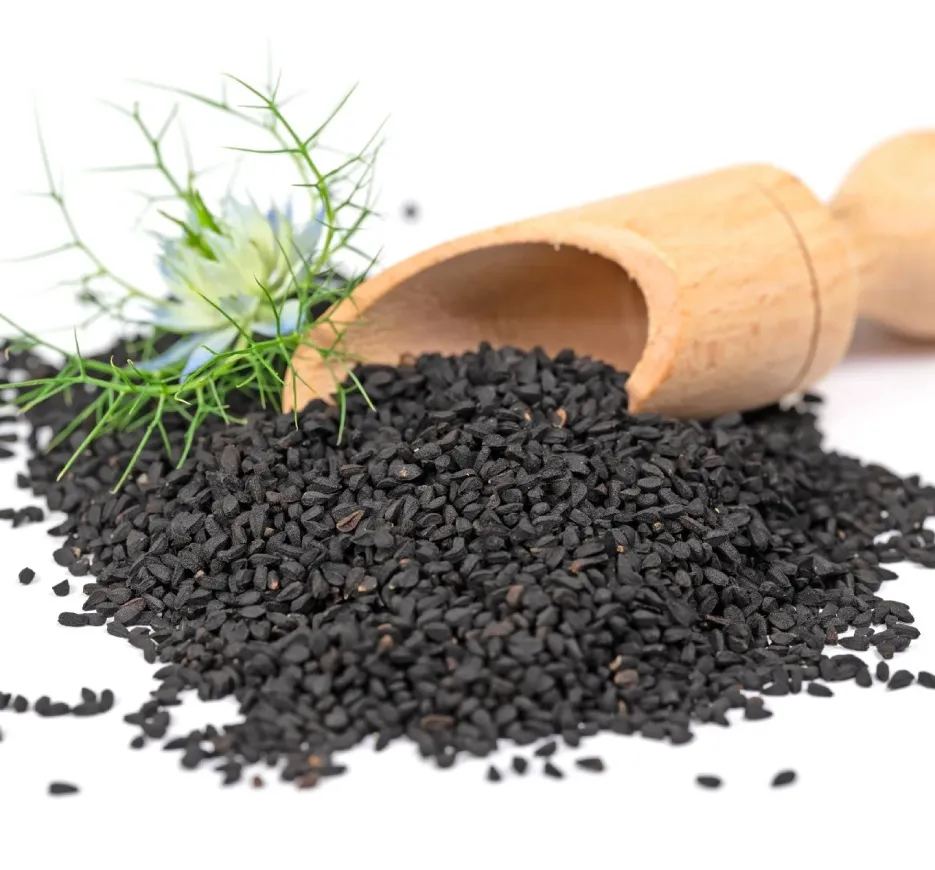
Black seed (Nigella sativa), a flowering plant native to Asia and the Middle East, has been used in traditional medicine for over 2,000 years. Revered as the ‘blessed seed’ in Islamic tradition and across many cultures, it is particularly valued for its therapeutic qualities. Among the plant’s many bioactive compounds, thymoquinone is the most researched, known for its potent anti-inflammatory and antioxidant properties¹. These properties make black seed an effective natural remedy for managing chronic conditions such as heart disease, diabetes, and autoimmune disorders. Furthermore, black seed plays a vital role in supporting immune function, enhancing antimicrobial defences, and offering a potential natural alternative to conventional antibiotics, particularly in the face of rising antibiotic resistance³ .