Ingredients A-Z

Astragalus Extract

Overview

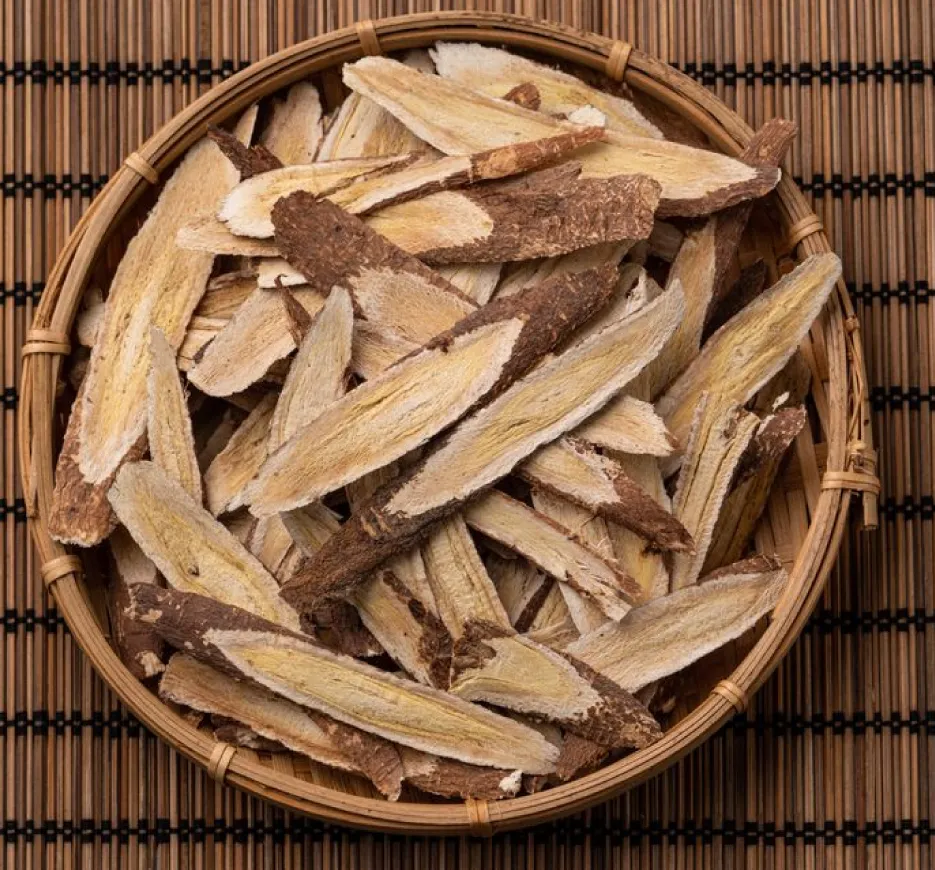
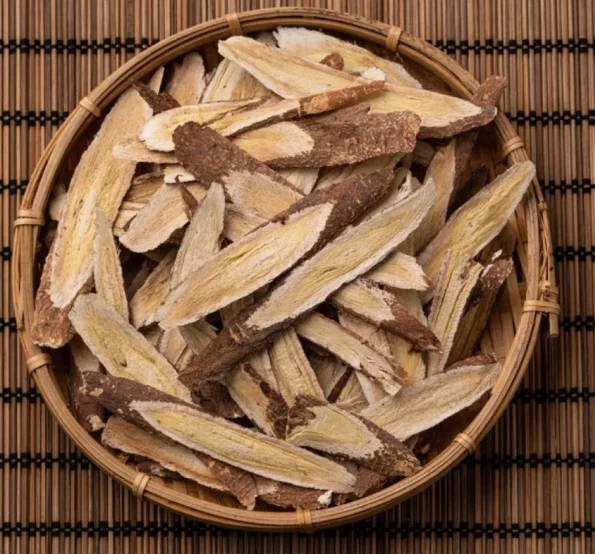
Astragalus (Astragalus membranaceus) belongs to a group of medicinal plants in the Leguminosae family. It is a perennial plant, can grow up to about 16 to 36 inches tall, native to the northern and eastern parts of China, as well as Mongolia and Korea. The root is the medicinal part of the plant and is usually harvested from 4-year-old plants. Astragalus root has been used for centuries as one of the most important Qi tonifying adaptogenic herbs in traditional Chinese medicine (TCM).

Astragalus was originally described in the Shennong’s Classic of Materia Medica, the earliest complete Pharmacopoeia of China written from the Warring States Period to Han Dynasty. Astragalus is commonly combined with other herbs for conditions such as upper respiratory infections, allergic rhinitis (hay fever), asthma, chronic fatigue syndrome, and chronic kidney disease. It is also being used to relieve fatigue, helps rid the body of excess fluid, strengthen, and regulate immune system2,3.


Key indications

Immunomodulatory effect

Some of the preliminary studies showed that astragalus can increase the production of white blood cells, especially T cells and macrophages. In TCM system, astragalus is prescribed with other herbs depending on conditions and the desired therapeutic impact. In a human and animal studies of astragalus, combined with other herbs in the herbal formula called Juzentaihoto (Ten Significant Tonic Decotion), report immunopotentiating effects that include increase NK activity and production of interleukins4. Other in vitro and in vivo studies have shown antibacterial activity against Shigella dysenteriae, Streptococcus hemolyticus, Diplococcus penumoniae, and Staphylococcus aureus, suggesting immune stimulating effects of Astragalus. Yoshida et al. also reported that astragalus stimulated murine macrophages to produce interleukin-6 and tumour necrosis factor4.

Anti-inflammatory

Inflammation can contribute to the development of chronic diseases. Research showed that astragalus membranaceus (AME) could suppress the inappropriate inflammatory response induced by AGEs in macrophages. In this study, AME demonstrated its ability to attenuate AGE-related inflammatory cytokine production7. In another study, astragalus polysaccharide (APS), an important bioactive component derived from the dry root of astragalus, demonstrated its ability to affect inflammatory responses in murine macrophage RAW264.7 cells by stimulating RAW264.7 cells to produce IL-10 protein and express most of the anti-inflammatory genes. Moreover, APS induced
recovery of IL-10 protein, the expression of a number of anti-inflammatory genes inhibited IL-1β protein production, as well as several pro-inflammatory genes, in the presence of palmitate in RAW264.7 cells8.

Antioxidant

Astragalus reduces oxidative stress by maintaining the activity of superoxide dismustase (SOD), decreasing the production of malondialdehyde (MDA) and free radical levels, and reducing cell apoptosis5. In one study, astragalus polysaccharide (APS) demonstrated its potent antioxidant property by effectively inhibits the generation of oxygen free radicals, preventing membrane lipid peroxidation and reduction of biofilm injury. APS ameliorates hypoxia and prevents reperfusion lung injury. In vitro tissue culture experiments indicate that APS stimulates the total antioxidant capacity of cells, as well as reduces the generation of oxygen free radicals and thus prevents rat lung
epithelial cell injury6.

Anti-neurodegeneration

Research showed that astragalus extract able to increase the number of M-cholinergic receptors in the cortex, hippocampus and striate body of a senile rat model9. Furthermore, it can prevent the loss of axons and synapses in the cortex and hippocampus and reverse the memory loss of amyloid βpeptide (Aβ)-induced cognitive deficits mice10. Hence, astragalus may be helpful in reversing memory impairment and neurodegeneration.

Immunomodulatory effect

Some of the preliminary studies showed that astragalus can increase the production of white blood cells, especially T cells and macrophages. In TCM system, astragalus is prescribed with other herbs depending on conditions and the desired therapeutic impact. In a human and animal studies of astragalus, combined with other herbs in the herbal formula called Juzentaihoto (Ten Significant Tonic Decotion), report immunopotentiating effects that include increase NK activity and production of interleukins4. Other in vitro and in vivo studies have shown antibacterial activity against Shigella dysenteriae, Streptococcus hemolyticus, Diplococcus penumoniae, and Staphylococcus aureus, suggesting immune stimulating effects of Astragalus. Yoshida et al. also reported that astragalus stimulated murine macrophages to produce interleukin-6 and tumour necrosis factor4.

Anti-inflammatory

Inflammation can contribute to the development of chronic diseases. Research showed that astragalus membranaceus (AME) could suppress the inappropriate inflammatory response induced by AGEs in macrophages. In this study, AME demonstrated its ability to attenuate AGE-related inflammatory cytokine production7. In another study, astragalus polysaccharide (APS), an important bioactive component derived from the dry root of astragalus, demonstrated its ability to affect inflammatory responses in murine macrophage RAW264.7 cells by stimulating RAW264.7 cells to produce IL-10 protein and express most of the anti-inflammatory genes. Moreover, APS induced
recovery of IL-10 protein, the expression of a number of anti-inflammatory genes inhibited IL-1β protein production, as well as several pro-inflammatory genes, in the presence of palmitate in RAW264.7 cells8.

Antioxidant

Astragalus reduces oxidative stress by maintaining the activity of superoxide dismustase (SOD), decreasing the production of malondialdehyde (MDA) and free radical levels, and reducing cell apoptosis5. In one study, astragalus polysaccharide (APS) demonstrated its potent antioxidant property by effectively inhibits the generation of oxygen free radicals, preventing membrane lipid peroxidation and reduction of biofilm injury. APS ameliorates hypoxia and prevents reperfusion lung injury. In vitro tissue culture experiments indicate that APS stimulates the total antioxidant capacity of cells, as well as reduces the generation of oxygen free radicals and thus prevents rat lung
epithelial cell injury6.

Anti-neurodegeneration

Research showed that astragalus extract able to increase the number of M-cholinergic receptors in the cortex, hippocampus and striate body of a senile rat model9. Furthermore, it can prevent the loss of axons and synapses in the cortex and hippocampus and reverse the memory loss of amyloid βpeptide (Aβ)-induced cognitive deficits mice10. Hence, astragalus may be helpful in reversing memory impairment and neurodegeneration.

Qi tonifying

Qi deficiency of the spleen and lung is manifested as fatigue and weakness due to prolonged illness. In TCM, astragalus is being used to treat condition related to Qi such as tonifies Qi and blood, raises Yang Qi, benefits the lung to boost Wei Qi (Protective Qi) and strengthen the exterior, promotes mild diuretic effect, promotes the discharge of pus and promotes tissue regeneration. It is also being used in the treatment of diabetes1.

Adverse effects

  • There is no official consensus on the most effective dosage of astragalus. However, at low-to-moderate
    doses (typical dosage is around 9-30g), astragalus appears to be safe when used orally and appropriately
  • Possible side effects with oral use include rash, itching, nasal symptoms, or stomach discomfort, but these
    are uncommon3.

Dosage range

Clinical trial data are limited to provide Astragalus dosing recommendations. Astragalus may be safe when used orally and appropriately. (Doses up to 60g daily for up to 4 months have been used without reported adverse effects.)3,12


Seasonal allergies: Two 80mg capsules of astragalus extract daily for 6 weeks13.


Congestive heart failure: 2-7.5g of powdered astragalus twice daily for up to 30 days, along with conventional treatment14.


Blood sugar control: 40-60g of astragalus as a decoction for up to four months15.


Chronic fatigue syndrome: 30g of astragalus root made into a decoction with several other herbs16.

Contraindications/cautions

• At recommended doses, astragalus is generally well tolerated, however, it does interact with other herbs and medication, especially medications that suppress the immune system12.
• Those with autoimmune disease should discuss with their physician before taking astragalus and related
dietary supplement because it may stimulate the immune system12.
• Astragalus and its components have similar effects as hormone estrogen, so it may decrease the effectiveness of cancer treatments designed to suppress estrogen12.
• Astragalus could increase the risk of bleeding in people taking anticoagulants as it seems to prevent blood from clotting12.
• Astragalus may lower blood pressure too much in people who are taking blood pressure lowering medication12.
• Astragalus may increase the impact of diuretics12.
• Astragalus can make it harder for the body to get rid of lithium, so dangerously high levels of the drug could be built up for those who take both astragalus and lithium12.
• Insufficient reliable information available for children, pregnancy and lactation12.

Adverse effects

  • There is no official consensus on the most effective dosage of astragalus. However, at low-to-moderate
    doses (typical dosage is around 9-30g), astragalus appears to be safe when used orally and appropriately
  • Possible side effects with oral use include rash, itching, nasal symptoms, or stomach discomfort, but these
    are uncommon3.

Dosage range

Clinical trial data are limited to provide Astragalus dosing recommendations. Astragalus may be safe when used orally and appropriately. (Doses up to 60g daily for up to 4 months have been used without reported adverse effects.)3,12


Seasonal allergies: Two 80mg capsules of astragalus extract daily for 6 weeks13.


Congestive heart failure: 2-7.5g of powdered astragalus twice daily for up to 30 days, along with conventional treatment14.


Blood sugar control: 40-60g of astragalus as a decoction for up to four months15.


Chronic fatigue syndrome: 30g of astragalus root made into a decoction with several other herbs16.

Contraindications/cautions

• At recommended doses, astragalus is generally well tolerated, however, it does interact with other herbs and medication, especially medications that suppress the immune system12.
• Those with autoimmune disease should discuss with their physician before taking astragalus and related
dietary supplement because it may stimulate the immune system12.
• Astragalus and its components have similar effects as hormone estrogen, so it may decrease the effectiveness of cancer treatments designed to suppress estrogen12.
• Astragalus could increase the risk of bleeding in people taking anticoagulants as it seems to prevent blood from clotting12.
• Astragalus may lower blood pressure too much in people who are taking blood pressure lowering medication12.
• Astragalus may increase the impact of diuretics12.
• Astragalus can make it harder for the body to get rid of lithium, so dangerously high levels of the drug could be built up for those who take both astragalus and lithium12.
• Insufficient reliable information available for children, pregnancy and lactation12.

References :

  1. Huang Qi (Radix Astragali). Asante Academy of Chinese Medicine. (2022, January 31). Retrieved November 21, 2022, from https://asante-academy.com/encyclopedia/huang-qi/
  2. Astragalus. Mount Sinai. (n.d.). Retrieved November 21, 2022, from https://www.mountsinai.org/health-library/herb/astragalus
  3. U.S. Department of Health and Human Services. (2022, August). Astragalus. National Center for Complementary and Integrative Health. Retrieved November 21, 2022, from https://www.nccih.nih.gov/health/astragalus
  4. Block, K. I., & Mead, M. N. (2003). Immune system effects of echinacea, ginseng, and astragalus: A Review. Integrative Cancer Therapies, 2(3), 247–267. https://doi.org/10.1177/1534735403256419
  5. Ma, X., Zhang, K., Li, H., Han, S., Ma, Z., & Tu, P. (2013). Extracts from astragalus membranaceus limit myocardial cell death and improve cardiac function in a rat model of myocardial ischemia. Journal of Ethnopharmacology, 149(3), 720–728. https://doi.org/10.1016/j.jep.2013.07.036
  6. HUANG, W. E. I. M. I. N., LIANG, Y. O. N. G. Q. I., TANG, L. I. J. U. N., DING, Y. U. E., & WANG, X. I. A. O. H. O. N. G. (2013). Antioxidant and anti-inflammatory effects of astragalus polysaccharide on ea.hy926 cells. Experimental and Therapeutic Medicine, 6(1), 199–203. https://doi.org/10.3892/etm.2013.1074
  7. U.S. Department of Health and Human Services. (2022, August 30). A possible mechanism behind Brain Fog. National Institutes of Health. Retrieved November 11, 2022, from https://covid19.nih.gov/news-and-stories/a-possible-mechanism-behind-brainfog#: text=They%20found%20that%20even%20if,what%20happens%20in%20chemo%20fo g.
  8. LU, J. I. N. Z. H. I., CHEN, X. I. O. N. G., ZHANG, Y. I. N. G. Y. I. N. G., XU, J. I. A. N., ZHANG, L. I. A. N. G. L. U., LI, Z. H. I., LIU, W. A. N. H. O. N. G., OUYANG, J. I. N. G. P. I. N. G., HAN, S. O. N. G., & HE, X. I. A. O. H. U. A. (2013). Astragalus polysaccharide induces anti-inflammatory effects dependent on AMPK activity in palmitate-treated raw264.7 cells. International Journal of Molecular Medicine, 31(6), 1463–1470. https://doi.org/10.3892/ijmm.2013.1335
  9. Shi, R., He, L., Hu, Y., Yi, N., Weng, S., & Cao, Y. (2001). The regulatory action of Radix Astragali on M-cholinergic receptor of the brain of senile rats. Journal of traditional Chinese medicine = Chung i tsa chih ying wen pan, 21(3), 232–235.
  10. Tohda, C., Tamura, T., Matsuyama, S., & Komatsu, K. (2006). Promotion of axonal maturation and prevention of memory loss in mice by extracts of Astragalus mongholicus. British journal of pharmacology, 149(5), 532–541. https://doi.org/10.1038/sj.bjp.0706865
  11. Guo, L., Bai, S. P., Zhao, L., & Wang, X. H. (2012). Astragalus polysaccharide injection integrated with vinorelbine and cisplatin for patients with advanced non-small cell lung cancer: effects on quality of life and survival. Medical oncology (Northwood, London, England), 29(3), 1656–1662. https://doi.org/10.1007/s12032-011-0068-9
  12. Shane-McWhorter, L. (2022, November 14). Astragalus – special subjects. MSD Manual Consumer Version. Retrieved November 21, 2022, from https://www.msdmanuals.com/home/special-subjects/dietary-supplements-andvitamins/ astragalus
  13.  Matkovic, Z., Zivkovic, V., Korica, M., Plavec, D., Pecanic, S., & Tudoric, N. (2010). Efficacy and safety of Astragalus membranaceus in the treatment of patients with seasonal allergic rhinitis. Phytotherapy research : PTR, 24(2), 175–181. https://doi.org/10.1002/ptr.2877
  14. Yang, Q. Y., Lu, S., & Sun, H. R. (2010). Zhongguo Zhong xi yi jie he za zhi Zhongguo Zhongxiyi jiehe zazhi = Chinese journal of integrated traditional and Western medicine, 30(7), 699–701.
  15. Tian, H., Lu, J., He, H., Zhang, L., Dong, Y., Yao, H., Feng, W., & Wang, S. (2016). The effect of Astragalus as an adjuvant treatment in type 2 diabetes mellitus: A (preliminary) metaanalysis. Journal of ethnopharmacology, 191, 206–215. https://doi.org/10.1016/j.jep.2016.05.062
  16. Zhang, Z. X., Wu, L. L., & Chen, M. (2009). Zhongguo Zhong xi yi jie he za zhi Zhongguo Zhongxiyi jiehe zazhi = Chinese journal of integrated traditional and Western medicine, 29(6), 501–505.

References :

  1. Huang Qi (Radix Astragali). Asante Academy of Chinese Medicine. (2022, January 31). Retrieved November 21, 2022, from https://asante-academy.com/encyclopedia/huang-qi/
  2. Astragalus. Mount Sinai. (n.d.). Retrieved November 21, 2022, from https://www.mountsinai.org/health-library/herb/astragalus
  3. U.S. Department of Health and Human Services. (2022, August). Astragalus. National Center for Complementary and Integrative Health. Retrieved November 21, 2022, from https://www.nccih.nih.gov/health/astragalus
  4. Block, K. I., & Mead, M. N. (2003). Immune system effects of echinacea, ginseng, and astragalus: A Review. Integrative Cancer Therapies, 2(3), 247–267. https://doi.org/10.1177/1534735403256419
  5. Ma, X., Zhang, K., Li, H., Han, S., Ma, Z., & Tu, P. (2013). Extracts from astragalus membranaceus limit myocardial cell death and improve cardiac function in a rat model of myocardial ischemia. Journal of Ethnopharmacology, 149(3), 720–728. https://doi.org/10.1016/j.jep.2013.07.036
  6. HUANG, W. E. I. M. I. N., LIANG, Y. O. N. G. Q. I., TANG, L. I. J. U. N., DING, Y. U. E., & WANG, X. I. A. O. H. O. N. G. (2013). Antioxidant and anti-inflammatory effects of astragalus polysaccharide on ea.hy926 cells. Experimental and Therapeutic Medicine, 6(1), 199–203. https://doi.org/10.3892/etm.2013.1074
  7. U.S. Department of Health and Human Services. (2022, August 30). A possible mechanism behind Brain Fog. National Institutes of Health. Retrieved November 11, 2022, from https://covid19.nih.gov/news-and-stories/a-possible-mechanism-behind-brainfog#: text=They%20found%20that%20even%20if,what%20happens%20in%20chemo%20fo g.
  8. LU, J. I. N. Z. H. I., CHEN, X. I. O. N. G., ZHANG, Y. I. N. G. Y. I. N. G., XU, J. I. A. N., ZHANG, L. I. A. N. G. L. U., LI, Z. H. I., LIU, W. A. N. H. O. N. G., OUYANG, J. I. N. G. P. I. N. G., HAN, S. O. N. G., & HE, X. I. A. O. H. U. A. (2013). Astragalus polysaccharide induces anti-inflammatory effects dependent on AMPK activity in palmitate-treated raw264.7 cells. International Journal of Molecular Medicine, 31(6), 1463–1470. https://doi.org/10.3892/ijmm.2013.1335
  9. Shi, R., He, L., Hu, Y., Yi, N., Weng, S., & Cao, Y. (2001). The regulatory action of Radix Astragali on M-cholinergic receptor of the brain of senile rats. Journal of traditional Chinese medicine = Chung i tsa chih ying wen pan, 21(3), 232–235.
  10. Tohda, C., Tamura, T., Matsuyama, S., & Komatsu, K. (2006). Promotion of axonal maturation and prevention of memory loss in mice by extracts of Astragalus mongholicus. British journal of pharmacology, 149(5), 532–541. https://doi.org/10.1038/sj.bjp.0706865
  11. Guo, L., Bai, S. P., Zhao, L., & Wang, X. H. (2012). Astragalus polysaccharide injection integrated with vinorelbine and cisplatin for patients with advanced non-small cell lung cancer: effects on quality of life and survival. Medical oncology (Northwood, London, England), 29(3), 1656–1662. https://doi.org/10.1007/s12032-011-0068-9
  12. Shane-McWhorter, L. (2022, November 14). Astragalus – special subjects. MSD Manual Consumer Version. Retrieved November 21, 2022, from https://www.msdmanuals.com/home/special-subjects/dietary-supplements-andvitamins/ astragalus
  13.  Matkovic, Z., Zivkovic, V., Korica, M., Plavec, D., Pecanic, S., & Tudoric, N. (2010). Efficacy and safety of Astragalus membranaceus in the treatment of patients with seasonal allergic rhinitis. Phytotherapy research : PTR, 24(2), 175–181. https://doi.org/10.1002/ptr.2877
  14. Yang, Q. Y., Lu, S., & Sun, H. R. (2010). Zhongguo Zhong xi yi jie he za zhi Zhongguo Zhongxiyi jiehe zazhi = Chinese journal of integrated traditional and Western medicine, 30(7), 699–701.
  15. Tian, H., Lu, J., He, H., Zhang, L., Dong, Y., Yao, H., Feng, W., & Wang, S. (2016). The effect of Astragalus as an adjuvant treatment in type 2 diabetes mellitus: A (preliminary) metaanalysis. Journal of ethnopharmacology, 191, 206–215. https://doi.org/10.1016/j.jep.2016.05.062
  16. Zhang, Z. X., Wu, L. L., & Chen, M. (2009). Zhongguo Zhong xi yi jie he za zhi Zhongguo Zhongxiyi jiehe zazhi = Chinese journal of integrated traditional and Western medicine, 29(6), 501–505.

The material is prepared for informational purposes only and should not be construed as a piece of personal medical advice. Owing to each person’s varying health needs, a physician should be consulted before acting on any information provided in this material. Although every effort is made to ensure that this material is accurate, it is compiled for internal use only and should not be considered definitive. Neither VitaHealth nor its employees, or information providers shall be responsible or liable for any errors, inaccuracies, or other defects in the information contained in this publication.

You might also be interested in

Astragalus Extract

Astragalus (Astragalus membranaceus) belongs to a group of medicinal plants in the Leguminosae family. It is a perennial plant, can grow up to about 16
READ MORE

Baker’s Yeast – Copy

Baker’s yeast or brewer’s yeast is a group of specific strains of single-cell fungus Saccharomyces cerevisiae. It is one of the most notable and well-known

READ MORE

Baker’s Yeast

Baker’s yeast or brewer’s yeast is a group of specific strains of single-cell fungus Saccharomyces cerevisiae. It is one of the most notable and well-known

READ MORE
My Cart
Close Wishlist
Close Recently Viewed
Categories