At VitaHealth, we uphold the highest standards by using only premium ingredients, carefully selected and backed by advanced scientific research. Our formulations blend natural extracts, essential nutrients, and innovative compounds sourced from trusted suppliers to ensure unmatched safety, purity, and efficacy. From sustainably sourced botanicals to clinically validated vitamins and minerals, each ingredient is thoughtfully chosen to support optimal health and well-being. With rigorous testing and certification processes, we guarantee products that deliver consistent, reliable results, meeting the needs of today’s modern lifestyles.
Take a closer look at our ingredient list to see the quality that goes into every product!
There are several types of vitamin K, including K₁, K₂, K₃, K₄, and K₅. The two main types of vitamin K are vitamin K₁ (phylloquinone) and vitamin K₂ (menaquinone). Vitamin K₁ is involved in prothrombin synthesis which helps to promote blood coagulation. It can be obtained from leafy green vegetables such as spinach, lettuce, and broccoli.
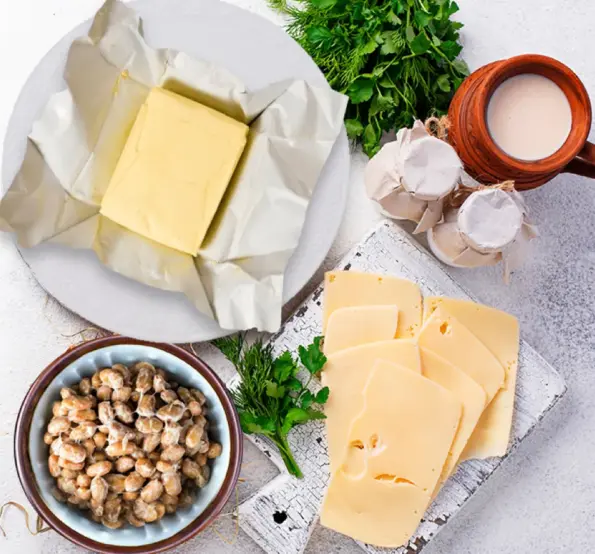
Meanwhile, vitamin K₂ is important in calcium metabolism which helps to maintain bone and heart health. It consists of two main chemical variants called MK-4 and MK-7. The dietary source of MK-4 is mainly from animal proteins such as eggs yolks, lard and butter while MK-7 is mainly from bacteria-fermented foods such as natto and cheese.
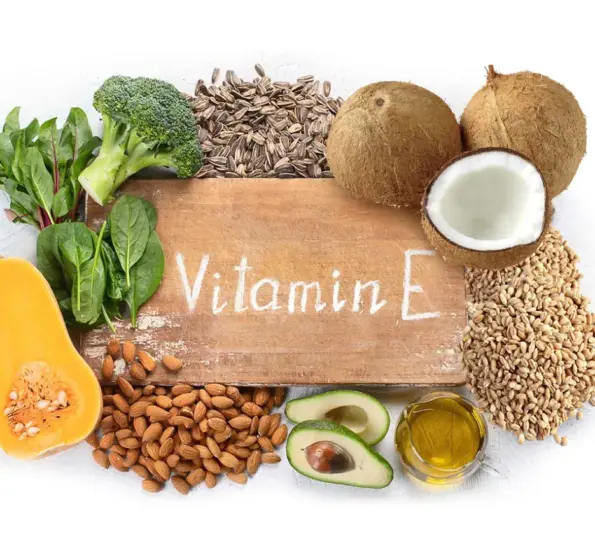
Alpha-tocopherol is the most naturally abundant and biologically active form of vitamin E in the body and is also considered the only form necessary to meet human dietary needs. Dietary sources of vitamin E include wheat, rice bran, barley, oat, coconut, palm, nuts, seeds and cereals. The major function of vitamin E is to act as a chain-breaking antioxidant that prevents the formation of free radicals. Vitamin E’s therapeutic benefits have primarily been attributed to its antioxidant effects.
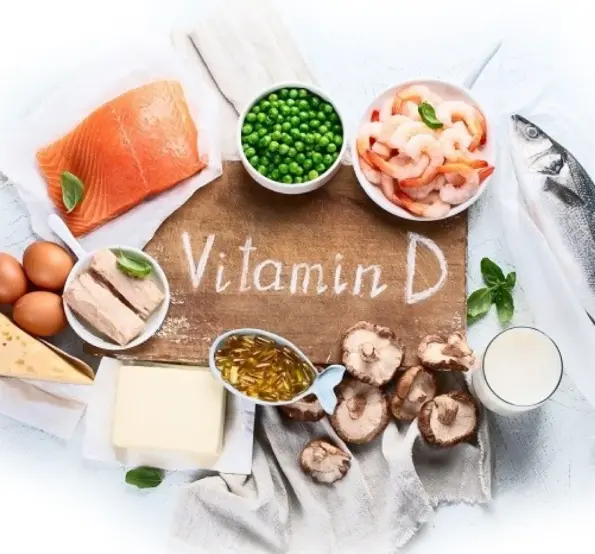
Vitamin D plays an important role to promote calcium absorption and maintain bone mineral density. The deficiency of vitamin D may increase the risk of rickets, cognitive decline, sarcopenia, cardiovascular disease, impaired glucose-mediated insulin secretion and viral infection.
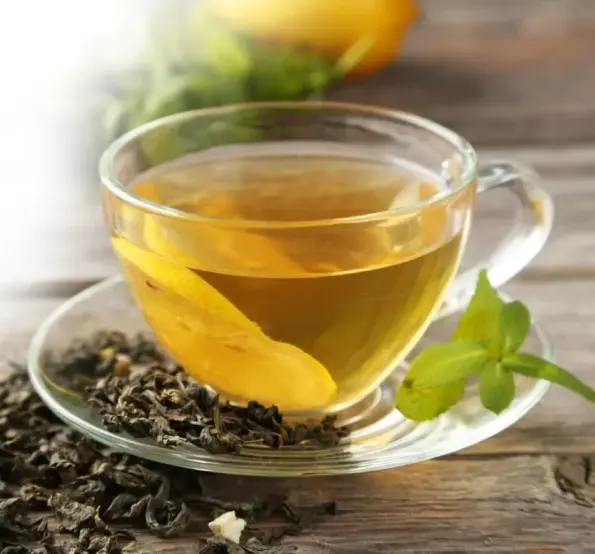
As L-theanine is known for its properties to readily cross the blood-brain barrier which may exert its effects directly on brain within 30 minutes⁸, it has been traditionally used as a relaxation-promoting agent². Given that L-theanine is a phytochemical consumed in daily life, it has the potential to become a nutraceutical ingredient that helps in
improving mental stress, cognitive function, and anxiety in modern society.
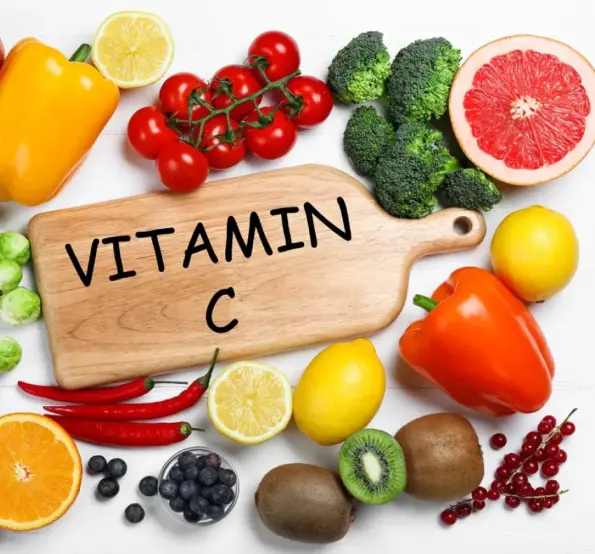
Vitamin C plays an important role in improving the immune system, biosynthesis of collagen, and preventing chronic disease caused by oxidative damage. Severe vitamin C deficiency can cause scurvy with symptoms such as fatigue, muscular weakness, swollen gums, and poor wound healing.
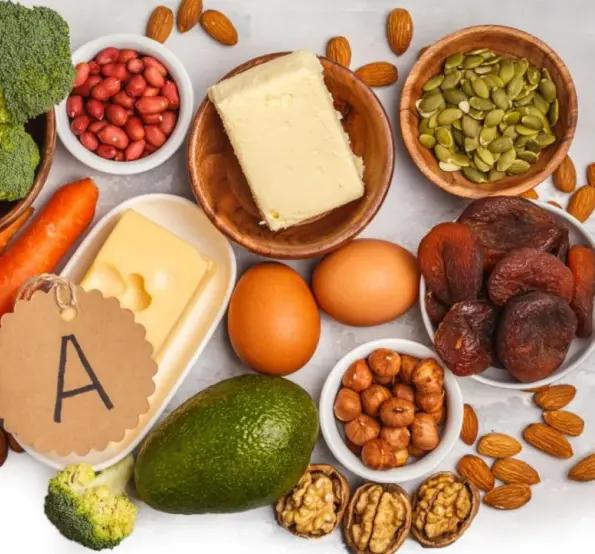
Vitamin A plays an important role in vision and cellular differentiation which is particularly important in vision, growth, immunity, reproduction and maintaining epithelial integrity. Overconsumption of vitamin A can accumulate to toxic levels when highly exceeds the requirements because our body has a good capacity for vitamin A storage. However, deficiency of vitamin A will cause night blindness, growth retardation, skin keratinization and compromised immune function
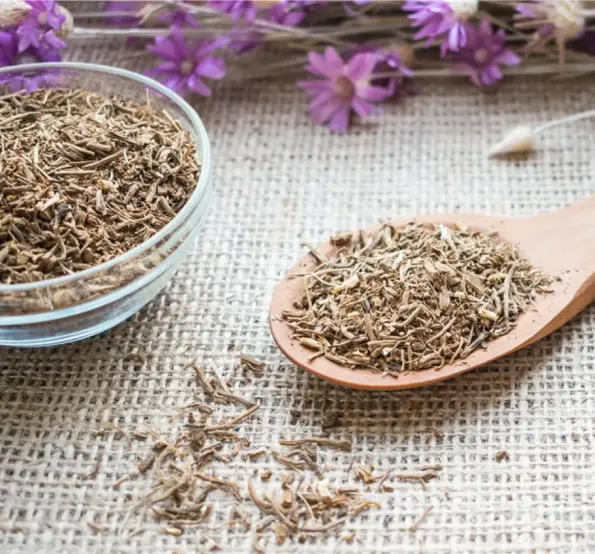
Valerian root has traditionally been used as a sedative and has been utilised in traditional medicine as far back as the time of the Greeks and Romans. It is often used to treat sleep disorders, particularly insomnia. Valerian is also believed to treat anxiety, stress, and a variety of other illnesses.