Health A-Z

Insomnia
Overview
- Insomnia is a prevalent sleep disorder that can profoundly impact a person’s health and wellbeing.
- Various studies worldwide have shown that the prevalence of insomnia is approximately 10-30% of the population, some even as high as 50%-60%¹.
- Insomnia is common in older adults, females and people with medical and mental ill health¹.
- Insomnia has been associated with a wide range of deleterious health consequences, including an increased risk of hypertension, cardiovascular disease, diabetes, anxiety and depression².
Symptoms and Signs

Difficulty initiating sleep³

Difficulty falling back to sleep after early morning awakenings³

Intermittent waking³

Daytime fatigue and sleepiness³

Not feeling refreshed after a night’s sleep³
Signs and Symptoms
Difficulty initiating sleep³
Difficulty falling back to sleep after early morning awakenings³
Intermittent waking³
Daytime fatigue and sleepiness³
Not feeling refreshed after a night’s sleep³
Causes and risk factors
- Environmental factors Noise, temperature changes or excessive light exposure
- Changes in the sleep-wake cycle Jetlag or shift work
- Lifestyle factors Poor sleep hygiene, excessive daytime napping, excessive caffeine intake, alcohol consumption or smoking before bedtime
- Medical conditions which result in breathlessness, pain, restlessness and frequent urination at night
- Psychological conditions Depression, anxiety or stress
Causes and risk factors
- Environmental factors Noise, temperature changes or excessive light exposure
- Changes in the sleep-wake cycle Jetlag or shift work
- Lifestyle factors Poor sleep hygiene, excessive daytime napping, excessive caffeine intake, alcohol consumption or smoking before bedtime
- Medical conditions which result in breathlessness, pain, restlessness and frequent urination at night
- Psychological conditions Depression, anxiety or stress
Supplement recommendations
Passion Flower (Passiflora incarnata)
Mechanism of action
Many pharmacological effects of passion flower are mediated through modulation of the GABA pathway that includes affinity to GABAᴬ and GABAᴮ receptors, and effects on GABA uptake¹³.
Benefits
Symptoms of GERD
It has been shown that fermented soy improved some indicators of heartburn-related quality of life and may have potential benefits for reducing heartburn frequency over time¹³.
Studies on gastritis patients have shown that taking a patented food supplement based on non-GMO fermented soy, Gastro-AD® 30 minutes before a meal for 30 days helps in rapid and long-lasting relief within 15 minutes or less1¹⁴,¹⁵. Gastro-AD® not only consisted of fermented soy peptides but also a significant proportion of heat-inactivated Rosell-187 (R0187) strain of lactic acid bacteria. It is shown that R0187 may have a suppressive effect on interleukin⁸, the inflammatory cytokine, in intestinal cells¹⁶. This may help with modulating the inflammation response in the mucosal microenvironment and preventing stomach ulcers.
Recommended dosage
Soy protein is most used in daily doses of up to 40-60 grams for 4 months up to 6 months. Gastro-AD® has been tested in several clinical studies, on approximately 600 subjects. It was shown to be tolerable for Gastro-AD® up to 15g per day for 30 days¹⁴. Results show that it provides quick relief from ulcer symptoms including heartburn, pain, vomiting and constipation.
Symptoms of GERD
2g to 5g of Gastro-AD®, 3 times daily, 30 minutes before meals for 30 days14,15.
Licorice root extract
Mechanism of action
It exerts anti-H. pylori activity by inhibiting protein synthesis, DNA Gyrase, and dihydrofolate reductase¹⁷. It also interrupts the inflammatory cascade¹⁸ and possesses antioxidant properties¹⁹.
Benefits
Indigestion
Among various gastrointestinal disorders, functional dyspepsia also known as indigestion is one of the most common clinical conditions among the general population. The general symptoms include upper abdominal fullness, epigastric pain, belching, bloating, early satiety, nausea, vomiting, regurgitation, heartburn, and loss of appetite. Oral licorice might improve symptoms of dyspepsia when used in combination with other ingredients.
Meanwhile, a randomised, double-blind, placebo-controlled study showed that deglycyrrhizinated licorice, DGL (GutGard®) helps relieve occasional indigestion²⁰. In the study, the subjects received a specified dose of GutGard® for 15 and 30 days, and the severity of the complaint and quality of life significantly improved compared to the placebo group.
Management of H. pylori
Most people with H. pylori develop chronic gastritis with no symptoms. H. pylori can also cause painful ulcers and gastric cancers³. DGL has also been shown to successfully manage H. pylori. In a 2013 randomised study, participants with H. pylori infection received GutGard® supplementation once daily for 60 days. They are tested before and after supplementation using a stool antigen test (HpSA), and ¹³C-urea breath test. The result shows promising results over the placebo group whereby participants with GutGard® supplementation tested negative for H. pylori over the placebo group²¹.
Recommended dosage
Licorice extract has been tested in several studies over the years with typical dosages from 100mg up to 1000mg in 1-3 divided dosages for 2-24 weeks. DGL (GutGard®) 150mg either in a separate dose or a single dose for 30 days up to 60 days²⁰,²².
Probiotics
Mechanism of action
Probiotic mechanisms of action include direct interaction with intestinal microbiota to modify its composition, improving gut barrier function and mucosal immunity, reducing mucosal permeability and competitive exclusion which reduces the colonisation of pathogenic bacteria²³,²⁴,²⁵.
Benefits
Gastrointestinal health
Probiotics play an important role in maintaining intestinal microbiota homeostasis and inducing systemic protective responses. It blocks the adherence of pathogens and toxins to the intestinal epithelium by secreting bactericidal substances²⁶. On top of that, probiotics also facilitate short-chain fatty acids production in the gastrointestinal tract which helps to regulate pH and inhibit the activation of NFᵏB macrophages that can cause inflammatory bowel diseases²⁷. A meta-analysis showed probiotics reduce irritable bowel syndrome and abdominal pain after 8 to 10 weeks of consumption²⁸.
Management of H. pylori
Chronic infection with H. pylori bacteria is a known risk factor for gastric cancer. Probiotic supplementation increases the eradication of H. pylori and reduces the side effect associated with antibiotics and treatment²⁹. Probiotics can inhibit H. pylori growth by secreting SCAFs which results in lowering the pH in gastric lumen and create a competitive condition which inhibits the adherence of pathogen adhesion to mucosal layer²⁹.
Recommended dosage
There is currently no established effective probiotic dosage because it can be affected by species, dose and duration of therapy depending on the clinical indication. The concentration of single strain bacteria is recommended to be >1 billion CFU to ensure effectiveness unless with clinical support³⁰.
Supplement recommendations 1
Passion Flower (Passiflora incarnata)
Mechanism of action
Many pharmacological effects of passion flower are mediated through modulation of the GABA pathway that includes affinity to GABAᴬ and GABAᴮ receptors, and effects on GABA uptake¹³.
Benefits
Symptoms of GERD
It has been shown that fermented soy improved some indicators of heartburn-related quality of life and may have potential benefits for reducing heartburn frequency over time¹³.
Studies on gastritis patients have shown that taking a patented food supplement based on non-GMO fermented soy, Gastro-AD® 30 minutes before a meal for 30 days helps in rapid and long-lasting relief within 15 minutes or less1¹⁴,¹⁵. Gastro-AD® not only consisted of fermented soy peptides but also a significant proportion of heat-inactivated Rosell-187 (R0187) strain of lactic acid bacteria. It is shown that R0187 may have a suppressive effect on interleukin⁸, the inflammatory cytokine, in intestinal cells¹⁶. This may help with modulating the inflammation response in the mucosal microenvironment and preventing stomach ulcers.
Recommended dosage
Soy protein is most used in daily doses of up to 40-60 grams for 4 months up to 6 months. Gastro-AD® has been tested in several clinical studies, on approximately 600 subjects. It was shown to be tolerable for Gastro-AD® up to 15g per day for 30 days¹⁴. Results show that it provides quick relief from ulcer symptoms including heartburn, pain, vomiting and constipation.
Symptoms of GERD
2g to 5g of Gastro-AD®, 3 times daily, 30 minutes before meals for 30 days14,15.
Supplement recommendations 2
Passion Flower (Passiflora incarnata)
Mechanism of action
Many pharmacological effects of passion flower are mediated through modulation of the GABA pathway that includes affinity to GABAᴬ and GABAᴮ receptors, and effects on GABA uptake¹³.
Benefits
Symptoms of GERD
It has been shown that fermented soy improved some indicators of heartburn-related quality of life and may have potential benefits for reducing heartburn frequency over time¹³.
Studies on gastritis patients have shown that taking a patented food supplement based on non-GMO fermented soy, Gastro-AD® 30 minutes before a meal for 30 days helps in rapid and long-lasting relief within 15 minutes or less1¹⁴,¹⁵. Gastro-AD® not only consisted of fermented soy peptides but also a significant proportion of heat-inactivated Rosell-187 (R0187) strain of lactic acid bacteria. It is shown that R0187 may have a suppressive effect on interleukin⁸, the inflammatory cytokine, in intestinal cells¹⁶. This may help with modulating the inflammation response in the mucosal microenvironment and preventing stomach ulcers.
Recommended dosage
Soy protein is most used in daily doses of up to 40-60 grams for 4 months up to 6 months. Gastro-AD® has been tested in several clinical studies, on approximately 600 subjects. It was shown to be tolerable for Gastro-AD® up to 15g per day for 30 days¹⁴. Results show that it provides quick relief from ulcer symptoms including heartburn, pain, vomiting and constipation.
Symptoms of GERD
2g to 5g of Gastro-AD®, 3 times daily, 30 minutes before meals for 30 days14,15.
Supplement recommendations
Licorice root extract
Mechanism of action
It exerts anti-H. pylori activity by inhibiting protein synthesis, DNA Gyrase, and dihydrofolate reductase¹⁷. It also interrupts the inflammatory cascade¹⁸ and possesses antioxidant properties¹⁹.
Benefits
Indigestion
Among various gastrointestinal disorders, functional dyspepsia also known as indigestion is one of the most common clinical conditions among the general population. The general symptoms include upper abdominal fullness, epigastric pain, belching, bloating, early satiety, nausea, vomiting, regurgitation, heartburn, and loss of appetite. Oral licorice might improve symptoms of dyspepsia when used in combination with other ingredients.
Meanwhile, a randomised, double-blind, placebo-controlled study showed that deglycyrrhizinated licorice, DGL (GutGard®) helps relieve occasional indigestion²⁰. In the study, the subjects received a specified dose of GutGard® for 15 and 30 days, and the severity of the complaint and quality of life significantly improved compared to the placebo group.
Management of H. pylori
Most people with H. pylori develop chronic gastritis with no symptoms. H. pylori can also cause painful ulcers and gastric cancers³. DGL has also been shown to successfully manage H. pylori. In a 2013 randomised study, participants with H. pylori infection received GutGard® supplementation once daily for 60 days. They are tested before and after supplementation using a stool antigen test (HpSA), and ¹³C-urea breath test. The result shows promising results over the placebo group whereby participants with GutGard® supplementation tested negative for H. pylori over the placebo group²¹.
Recommended dosage
Licorice extract has been tested in several studies over the years with typical dosages from 100mg up to 1000mg in 1-3 divided dosages for 2-24 weeks. DGL (GutGard®) 150mg either in a separate dose or a single dose for 30 days up to 60 days²⁰,²².
Supplement recommendations
Probiotics
Mechanism of action
Probiotic mechanisms of action include direct interaction with intestinal microbiota to modify its composition, improving gut barrier function and mucosal immunity, reducing mucosal permeability and competitive exclusion which reduces the colonisation of pathogenic bacteria²³,²⁴,²⁵.
Benefits
Gastrointestinal health
Probiotics play an important role in maintaining intestinal microbiota homeostasis and inducing systemic protective responses. It blocks the adherence of pathogens and toxins to the intestinal epithelium by secreting bactericidal substances²⁶. On top of that, probiotics also facilitate short-chain fatty acids production in the gastrointestinal tract which helps to regulate pH and inhibit the activation of NFᵏB macrophages that can cause inflammatory bowel diseases²⁷. A meta-analysis showed probiotics reduce irritable bowel syndrome and abdominal pain after 8 to 10 weeks of consumption²⁸.
Management of H. pylori
Chronic infection with H. pylori bacteria is a known risk factor for gastric cancer. Probiotic supplementation increases the eradication of H. pylori and reduces the side effect associated with antibiotics and treatment²⁹. Probiotics can inhibit H. pylori growth by secreting SCAFs which results in lowering the pH in gastric lumen and create a competitive condition which inhibits the adherence of pathogen adhesion to mucosal layer²⁹.
Recommended dosage
There is currently no established effective probiotic dosage because it can be affected by species, dose and duration of therapy depending on the clinical indication. The concentration of single strain bacteria is recommended to be >1 billion CFU to ensure effectiveness unless with clinical support³⁰.
Diet & lifestyle recommendations
- Maintain a healthy weight
- Have meals at least 2 to 3 hours before lying down³¹
- Eat smaller portion for each mealtime, avoid overeating³¹
- Avoid food and beverages that may trigger heartburn, such as fatty meals, citrus fruits and carbonated drinks³¹
- Sleep on the left side³²
References :
- Gastroesophageal reflux disease symptoms, diagnosis & treatment. (n.d.). AAAAI | American Academy of Allergy, Asthma & Immunology. https://www.aaaai.org/Conditions-Treatments/Related Conditions/gastroesophageal-reflux-disease fbclid=IwAR0SGKD5UeDfGEg34XuIK6rTQY4PoJqjBaeemjg9ikn2o2U9_2Eq0vT8h3s
- Wu, J. C. (2008). Gastroesophageal reflux disease: An Asian perspective. Journal of Gastroenterology and Hepatology, 23(12), 1785-1793. https://doi.org/10.1111/j.1440-1746.2008.05684.x
- Goh, K. (2011). Gastroesophageal reflux disease in Asia: A historical perspective and present challenges. Journal of Gastroenterology and Hepatology, 26, 2-10. https://doi.org/10.1111/j.1440-1746.2010.06534.x
- Jung, H. (2011). Epidemiology of gastroesophageal reflux disease in Asia: A systematic review. Journal of Neurogastroenterology and Motility, 17(1), 14-27. https://doi.org/10.5056/jnm.2011.17.1.14
- Castell, D. O., & Singh, E. R. (2013). Dysphagia and gastroesophageal reflux disease. Practical Manual of Gastroesophageal Reflux Disease, 239-252. https://doi.org/10.1002/9781118444788.ch14
- Batista, A. O., Nascimento, W. V., Cassiani, R. A., Silva, A. C., Alves, L. M., Alves, D. C., & Dantas, R. O. (2020). Prevalence of non-obstructive dysphagia in patients with heartburn and regurgitation. Clinics, 75, e1556. https://doi.org/10.6061/clinics/2020/e1556
- Upper digestive tract conditions, symptoms and treatment | Gleneagles hospital Singapore. (n.d.). Private Hospital and Medical Center in Singapore | Gleneagles Hospital. https://www.gleneagles.com.sg/facilities-services/centre-excellence/digestive-gut-health/upper-digestive-disorders?gclid=EAIaIQobChMIrZ-ixf2f-AIVyXwrCh3fWg1GEAAYASAAEgJPAfD_BwE
- MacFarlane, B. (2018). Management of gastroesophageal reflux disease in adults: A pharmacist’s perspective. Integrated Pharmacy Research and Practice, 7, 41-52. https://doi.org/10.2147/iprp.s142932
- Song, E. M., Jung, H., & Jung, J. M. (2012). The association between reflux Esophagitis and psychosocial stress. Digestive Diseases and Sciences, 58(2), 471-477. https://doi.org/10.1007/s10620-012-2377-z
- Miller, K. (2008, July 14). Common heartburn triggers. WebMD. https://www.webmd.com/heartburn-gerd/triggers
- Ness-Jensen, E., & Lagergren, J. (2017). Tobacco smoking, alcohol consumption and gastro-oesophageal reflux disease. Best Practice & Research Clinical Gastroenterology, 31(5), 501-508. https://doi.org/10.1016/j.bpg.2017.09.004
- GERD: Can certain medications make it worse? (2020, January 22). Mayo Clinic. https://www.mayoclinic.org/diseases-conditions/gerd/expert-answers/heartburn-gerd/faq-20058535
- Fatani, A., Vaher, K., Rivero-Mendoza, D., Alabasi, K., & Dahl, W. J. (2020). Fermented soy supplementation improves indicators of quality of life: a randomized, placebo-controlled, double-blind trial in adults experiencing heartburn. BMC research notes, 13(1), 364. https://doi.org/10.1186/s13104-020-05205-z
- Bogdanov, I. (1979). Gastropharm–a preparation for treatment of gastritis, gastric and duodenal ulcers. Khranitelna promishlenost.
- Hirata, Y. & Uchida, A. (2003) Clinical effects of GASTRO AD for gastritis patients. Japanese Journal of Medicine and Pharmaceutical Science, 49(4), 597-601.
- Wallace, T. D., Bradley, S., Buckley, N. D., & Green-Johnson, J. M. (2003). Interactions of lactic acid bacteria with human intestinal epithelial cells: effects on cytokine production. Journal of food protection, 66(3), 466–472. https://doi.org/10.4315/0362-028x-66.3.466
- Dey, S., Deepak, M., Setty, M., D’Souza, P., Agarwal, A., & Sangli, G. K. (2009). Bioactive caffeic acid esters fromGlycyrrhiza glabra. Natural Product Research, 23(18), 1657-1663. https://doi.org/10.1080/14786410802134348
- Chandrasekaran, C., Deepak, H., Thiyagarajan, P., Kathiresan, S., Sangli, G. K., Deepak, M., & Agarwal, A. (2011). Dual inhibitory effect of Glycyrrhiza glabra (GutGard™) on COX and LOX products. Phytomedicine, 18(4), 278-284. https://doi.org/10.1016/j.phymed.2010.08.001
- Thiyagarajan, P., Chandrasekaran, C. V., Deepak, H. B., & Agarwal, A. (2011). Modulation of lipopolysaccharide-induced pro-inflammatory mediators by an extract of Glycyrrhiza glabra and its phytoconstituents. Inflammopharmacology, 19(4), 235-241. https://doi.org/10.1007/s10787-011-0080-x
- Raveendra, K. R., Jayachandra, Srinivasa, V., Sushma, K. R., Allan, J. J., Goudar, K. S., Shivaprasad, H. N., Venkateshwarlu, K., Geetharani, P., Sushma, G., & Agarwal, A. (2012). An Extract of Glycyrrhiza glabra (GutGard) Alleviates Symptoms of Functional Dyspepsia: A Randomized, Double-Blind, Placebo-Controlled Study. Evidence-based complementary and alternative medicine : eCAM, 2012, 216970. https://doi.org/10.1155/2012/216970
- Schulz, C., Koch, N., Schütte, K., Pieper, D. H., & Malfertheiner, P. (2015). H. pylori and its modulation of gastrointestinal microbiota. Journal of digestive diseases, 16(3), 109–117. https://doi.org/10.1111/1751-2980.12233
- Puram, S., Suh, H. C., Kim, S. U., Bethapudi, B., Joseph, J. A., Agarwal, A., & Kudiganti, V. (2013). Effect of GutGard in the Management of Helicobacter pylori: A Randomized Double Blind Placebo Controlled Study. Evidence-based complementary and alternative medicine : eCAM, 2013, 263805. https://doi.org/10.1155/2013/263805
- Schulz, C., Koch, N., Schütte, K., Pieper, D. H., & Malfertheiner, P. (2015). H. pylori and its modulation of gastrointestinal microbiota. Journal of digestive diseases, 16(3), 109–117. https://doi.org/10.1111/1751-2980.12233
- Puram, S., Suh, H. C., Kim, S. U., Bethapudi, B., Joseph, J. A., Agarwal, A., & Kudiganti, V. (2013). Effect of GutGard in the Management of Helicobacter pylori: A Randomized Double Blind Placebo Controlled Study. Evidence-based complementary and alternative medicine : eCAM, 2013, 263805. https://doi.org/10.1155/2013/263805
- Weinland, S. R., & Drossman, D. A. (2013). Psychological factors and treatments in irritable bowel syndrome. Irritable Bowel Syndrome, 183-213. https://doi.org/10.1002/9781118444689.ch10
26. Yan, F., & Polk, D. B. (2011). Probiotics and immune health. Current opinion in gastroenterology, 27(6), 496–501. https://doi.org/10.1097/MOG.0b013e32834baa4d - Markowiak-Kopeć, P., & Śliżewska, K. (2020). The Effect of Probiotics on the Production of Short-Chain Fatty Acids by Human Intestinal Microbiome. Nutrients, 12(4), 1107. https://doi.org/10.3390/nu12041107
- Didari, T., Mozaffari, S., Nikfar, S. & Abdollahi, M. (2015). Effectiveness of probiotics in irritable bowel syndrome: Updated systematic review with meta-analysis. World Journal of Gastroenterol, 21(10): 3072-3084. https://doi.org/10.3748/wjg.v21.i10.3072
- Vale, F. F., Vítor, J. M., & Oleastro, M. (2016). Probiotics as an alternative therapy for Helicobacter pylori-associated diseases. Helicobacter pylori Research, 543-574. https://doi.org/10.1007/978-4-431-55936-8_24
- Braun L, Cohen M. Herbs and Natural supplements. Ebook 4th edition. Chatswood: Elsevier 2015 pp.771-796.
- Katz, P. O., Dunbar, K. B., Schnoll-Sussman, F. H., Greer, K. B., Yadlapati, R., & Spechler, S. J. (2021). ACG clinical guideline for the diagnosis and management of gastroesophageal reflux disease. American Journal of Gastroenterology, 117(1), 27-56. https://doi.org/10.14309/ajg.0000000000001538
- Person, E., Rife, C., Freeman, J., Clark, A., & Castell, D. O. (2015). A Novel Sleep Positioning Device Reduces Gastroesophageal Reflux: A Randomized Controlled Trial. Journal of clinical gastroenterology, 49(8), 655–659.
The material is prepared for informational purposes only and should not be construed as a piece of personal medical advice. Owing to each person’s varying health needs, a physician should be consulted before acting on any information provided in this material. Although every effort is made to ensure that this material is accurate, it is compiled for internal use only and should not be considered definitive. Neither VitaHealth nor its employees, or information providers shall be responsible or liable for any errors, inaccuracies, or other defects in the information contained in this publication.
You might also be interested in
Gastroesophageal reflux disease (GERD)
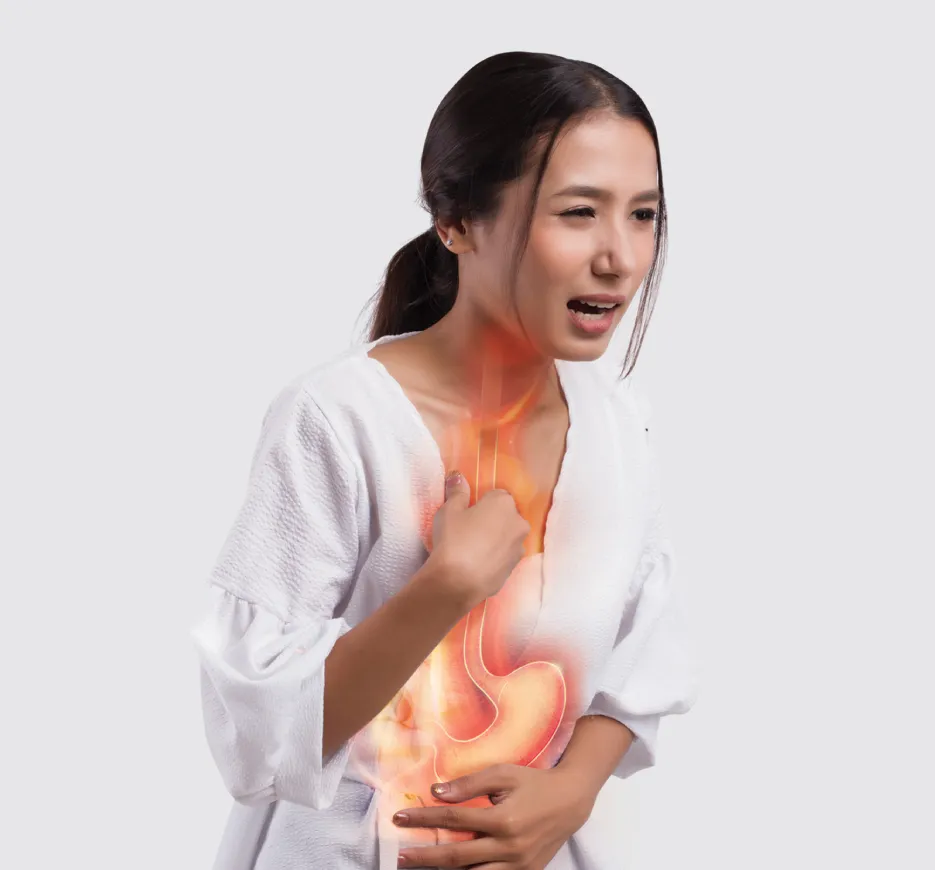
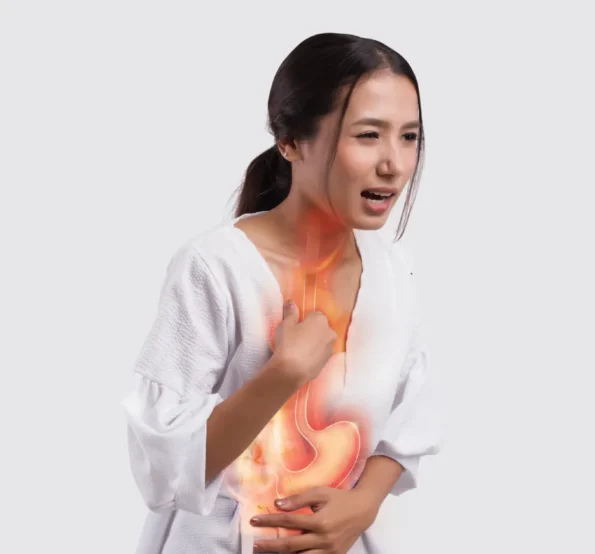
- Gastroesophageal reflux disease (GERD) is a digestive disorder that occurs when acidic stomach juices, or food and fluids back up from the stomach into the esophagus¹.
- The prevalence of GERD in Asia is low, ranging from 2.5% to 7.1% for weekly reflux, 3.8% to 4.6% for twice weekly reflux, and 2.1% for daily reflux, but it might be due to low awareness of the disorder².
- The prevalence of symptom-based GERD in Southeast Asia has been rising3 and was estimated to be 6.3%–18.3% from 2005–2010⁴.
- Left untreated, GERD can result in an esophageal mucosal injury known as reflux esophagitis where persistent backflow of acidic digestive juices will damage the lining of the oesophagus over time⁵.

Brain Fog
- Brain fog is used to describe ‘a usually temporary state of diminished mental capacity marked by inability to concentrate or to think or reason clearly.¹
- Brain fog is not a formal diagnosis or medical condition but a series of neuropsychologic symptoms related to mild cognitive impairment which may affect daily function.
- Although there are no statistics on the prevalence of brain fog specifically, it was estimated that around 600 million people worldwide suffer from cognitive dysfunction.²
- It has been reported that brain fog is one of the most common long COVID symptoms among survivors.³
Constipation
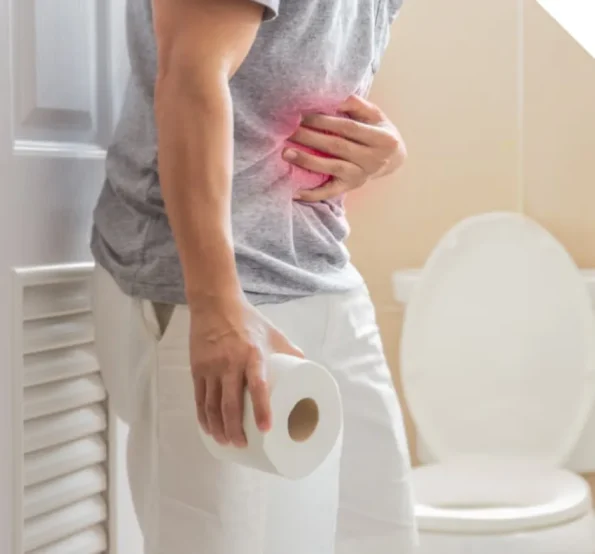
- Constipation is a common functional gastrointestinal disorder, with prevalence in the general population of approximately 20%. It is more prevalent in females and the elderly¹.
- Constipation is both a symptom and, when chronic, a multisymptomatic disorder, and it can overlap with other gastrointestinal tract disorders such as dyspepsia and gastroesophageal reflux disease².
- Constipation most commonly refers to infrequent bowel movements. It is defined as having a bowel movement less than 3 times per week³.
- Chronic constipation is difficult and/or rare passage of stools that lasts for several months that can interfere people’s ability to go about their daily activities. It may also cause people to strain excessively to have bowel movement⁴.