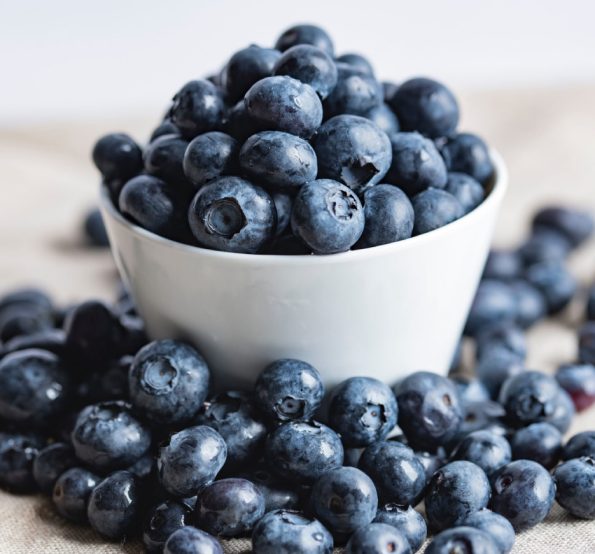
Bilberry, vaccinium myrtillus is a deciduous, leafy, freely branched, perennial shrub native to northern areas of Europe, Asia, the northern United States, and Canada. Its name, bilberry is derived from the Danish word bollebar, “dark berry” as these berries are purple-black and coarsely wrinkled.
Bilberry is known as one of the richest natural sources of anthocyanins⁴. This component is responsible for the pink,red, blue and purple colour of the plant¹. It has been used for a variety of ailments, including diarrhea, mouth inflammation, urinary problem and diabetes. During World War II, British pilots took bilberry jam as they believe it would improve their night vision.
In modern days, bilberry is introduced as a dietary supplement for night vision, cataracts, varicose veins, and atherosclerosis attributed to its benefits on reduction in vascular permeability and capillary fragility which is beyond simple antioxidant effects.